

 русский
Every major electrical connection begins with the same physical challenge: a heavy, costly cable has to travel from point A to point B without being kinked, crushed, or scraped across concrete and steel. An electric cable pulling winch exists to solve exactly that problem. Instead of a crew heaving on a rope, a motorized drum or capstan delivers smooth, controlled pulling force, meter by meter, until the cable sits precisely where it belongs. After more than two decades of designing and building cable winches and reels at our facility in Jiangyin, we have watched this unassuming machine become indispensable at cruise terminals, docks, mines, and construction sites around the world.
Content
What Is an Electric Cable Pulling Winch?
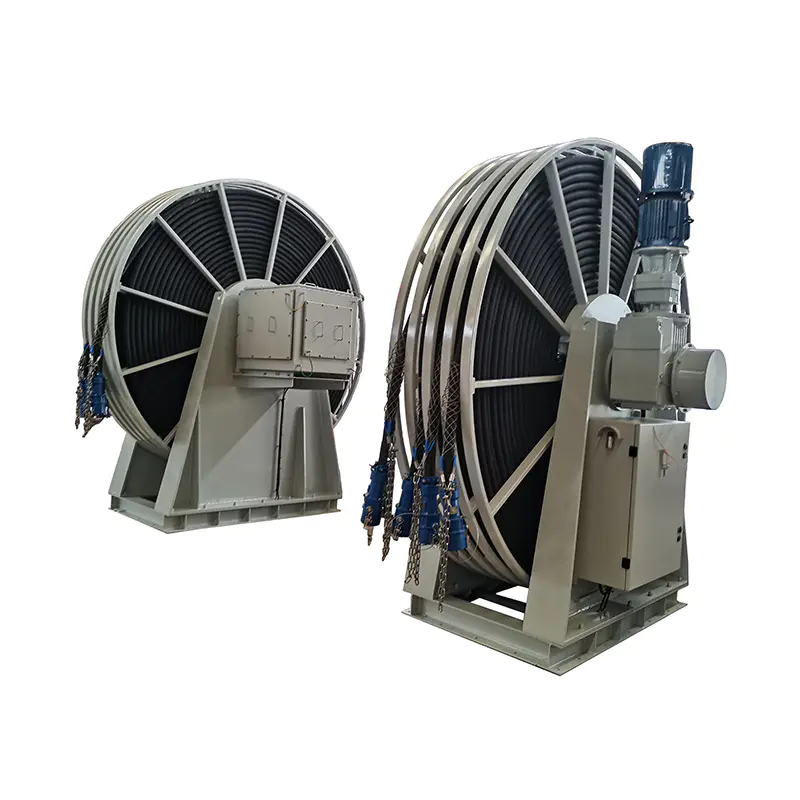
An electric cable pulling winch is a motorized machine that combines an electric motor, a reduction gearbox, and a drum or capstan to generate controlled pulling force for cable handling. Compared with manual or engine-driven alternatives, the electric version stands out for one reason above all others: precision. Cable is unforgiving. Pull too fast and a splice jams, pull too hard and the sheath is damaged, stop at the wrong moment and tension relaxes in the middle of a connection.
A typical unit brings together a few core elements:
- An electric motor sized for the expected duty cycle and the available power supply.
- A reduction gearbox that trades rotational speed for steady, usable torque.
- A cable drum or capstan head that stores or grips the cable.
- A braking system that holds the load the instant the motor stops.
- A control station, increasingly with variable speed and remote operation, so the operator can feather the last meter into place.
Because the drive is electric, the winch runs cleanly and quietly, needs relatively little routine maintenance, and integrates easily with modern sensors and remote controls. In ports, onboard vessels, and indoor switchyards, where fumes and noise are unwelcome, those qualities matter as much as raw pulling power.
Where These Winches Earn Their Keep
The phrase "cable pulling winch" really describes a family of machines, and each member has evolved for a specific environment. These are the applications we see most often.
Cruise Terminal Shore Power
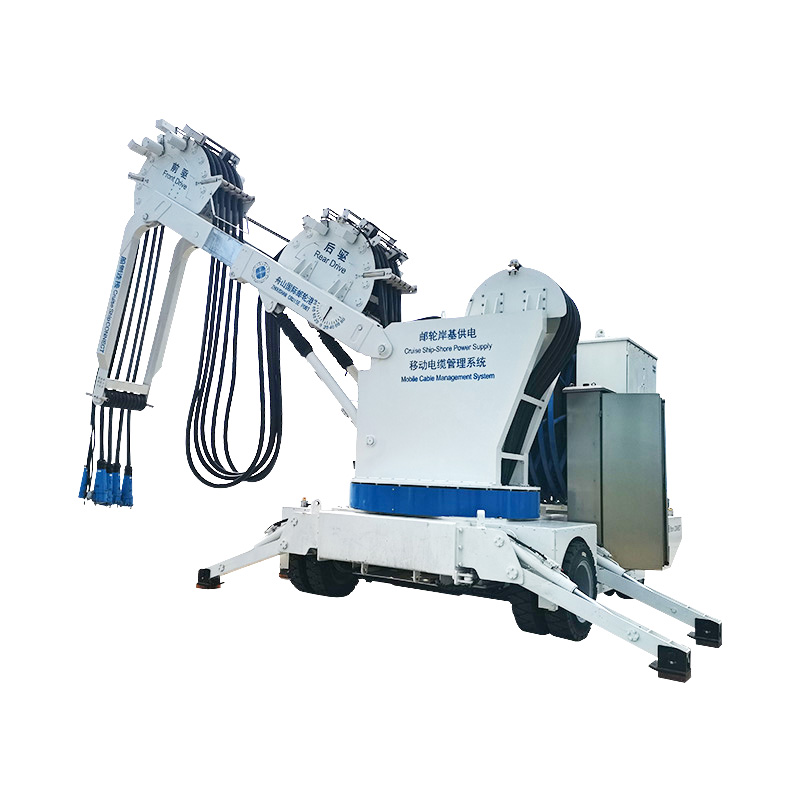
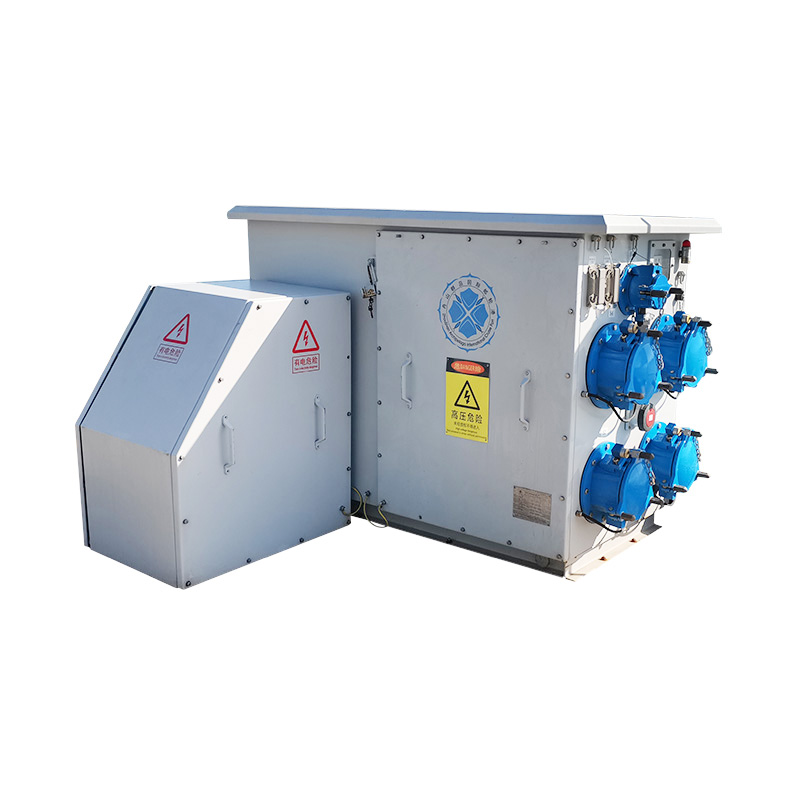
When a large cruise ship berths, it can shut down its auxiliary generators and draw clean power from the grid ashore. Making that connection means handling heavy high-voltage cables, often tens or even hundreds of meters long, and positioning them precisely against the ship's interface. A dedicated winch manages the entire cycle—paying out, tensioning, and retrieving—so the connection is made quickly and the cable is never dragged across the quay.
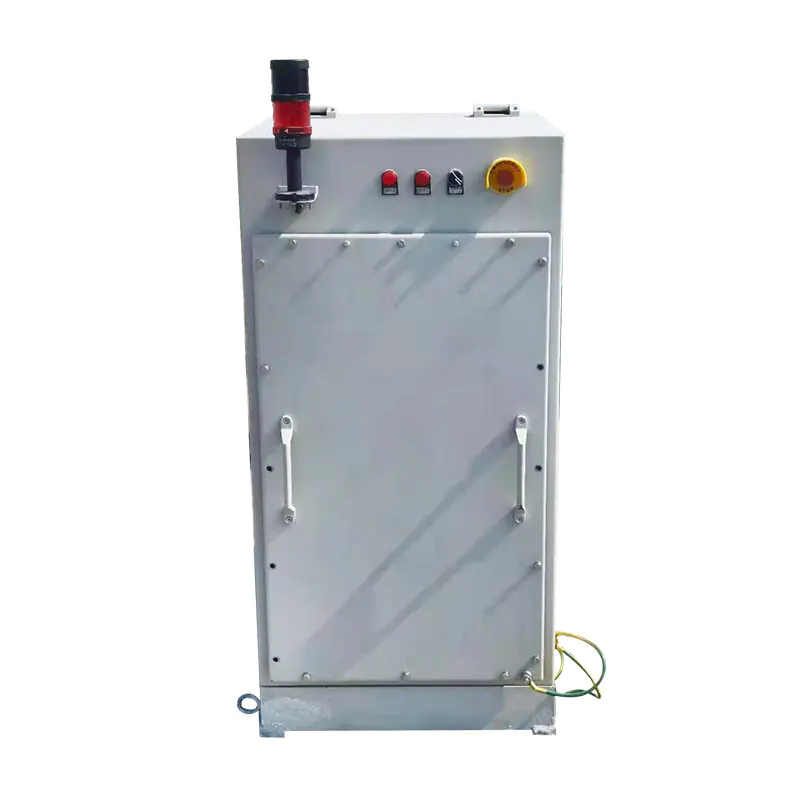
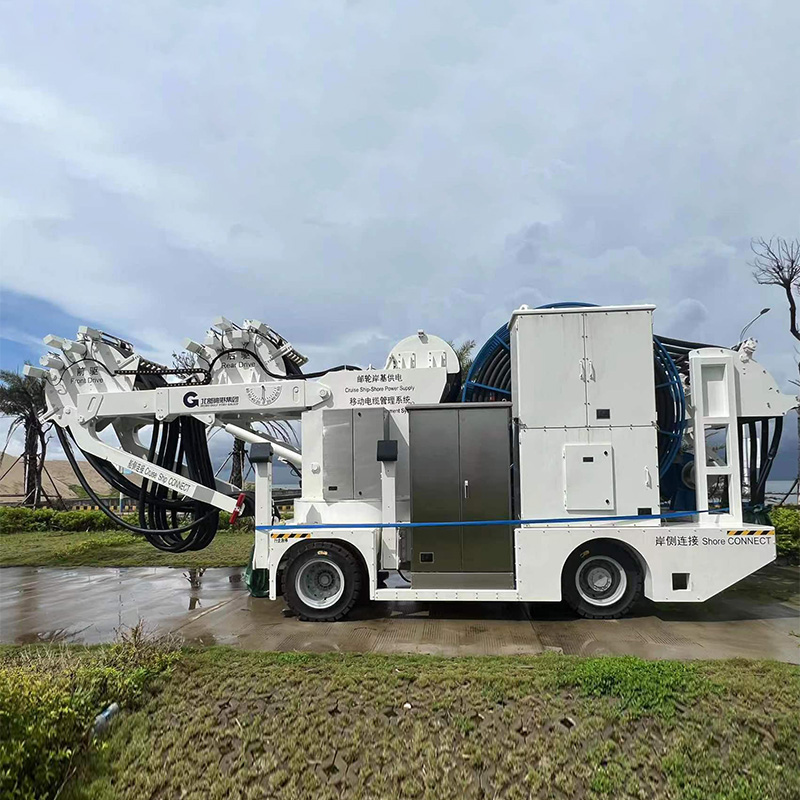 Cruise Ship Shore Power Cable Pulling WinchThis winch handles heavy high-voltage shore power cables during cruise ship berthing, paying out, tensioning, and retrieving them so connections to the grid ashore are made quickly without dragging cable across the quay.View Product →
Marine and Port Operations
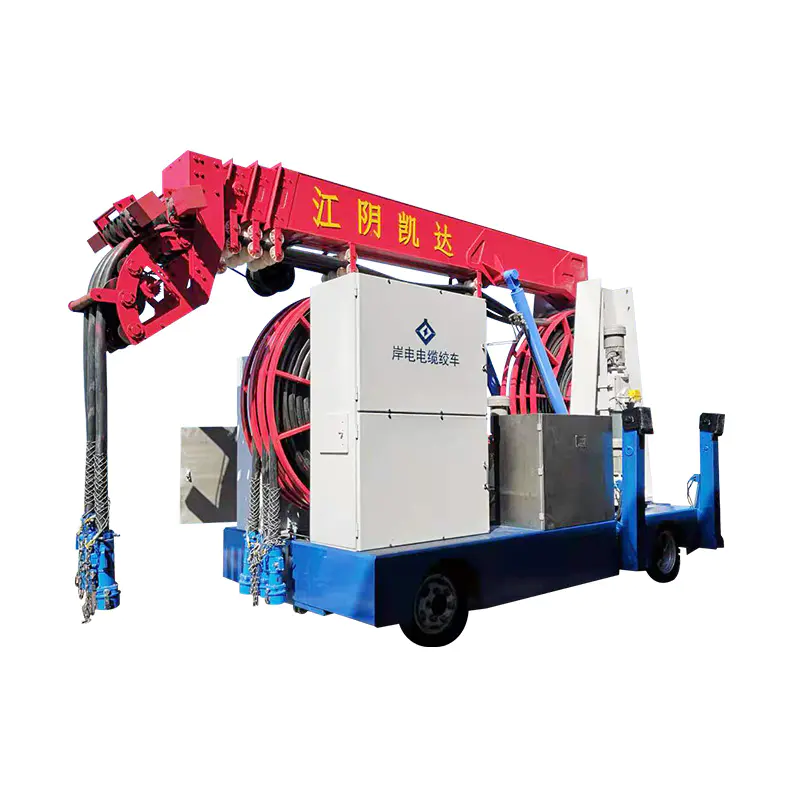
Beyond cruise terminals, ferries, workboats, and dock facilities of every kind depend on reliable cable traction during shore connections and vessel service. Marine-duty winches are built with corrosion-resistant finishes, sealed components, and drum designs that protect the cable's outer sheath through thousands of connection cycles.
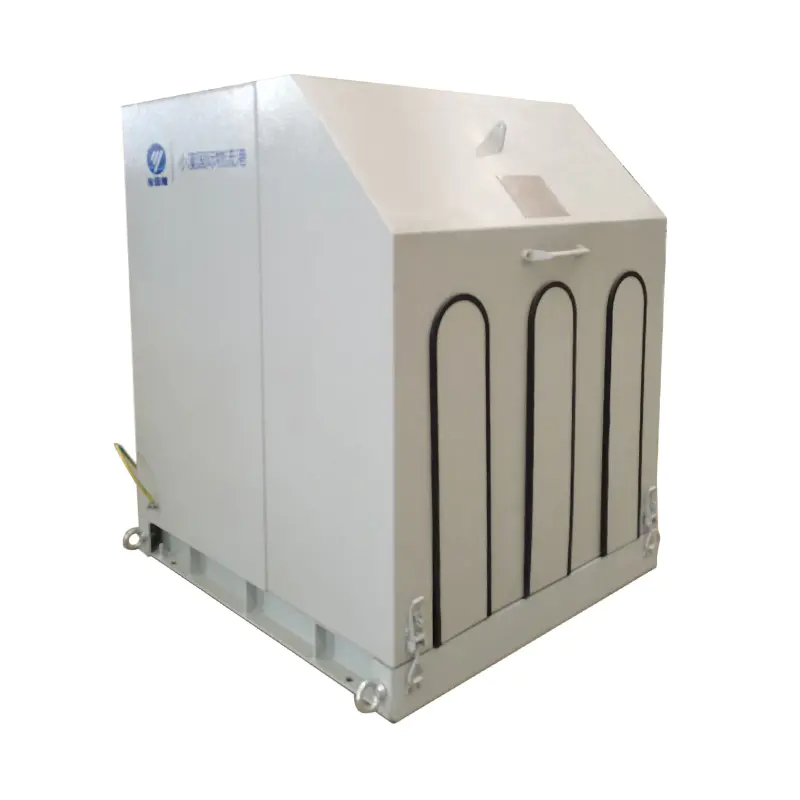
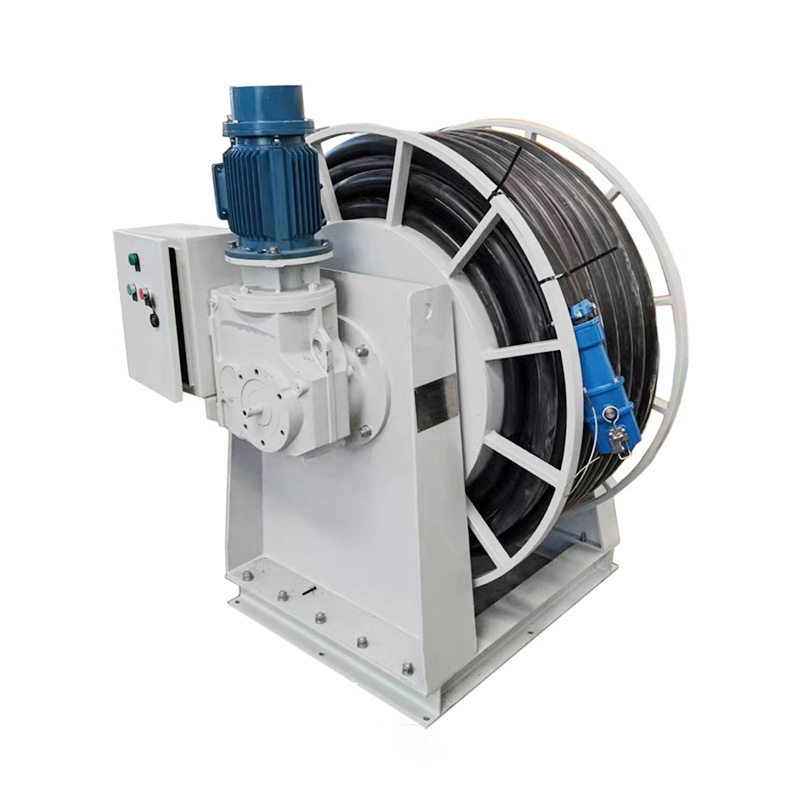 Marine Cable Pulling WinchBuilt with corrosion-resistant finishes, sealed components, and sheath-protecting drum designs, this marine-duty winch provides reliable cable traction for ferries, workboats, and dock facilities through thousands of connection cycles.View Product →
Mining and Electric Shovels
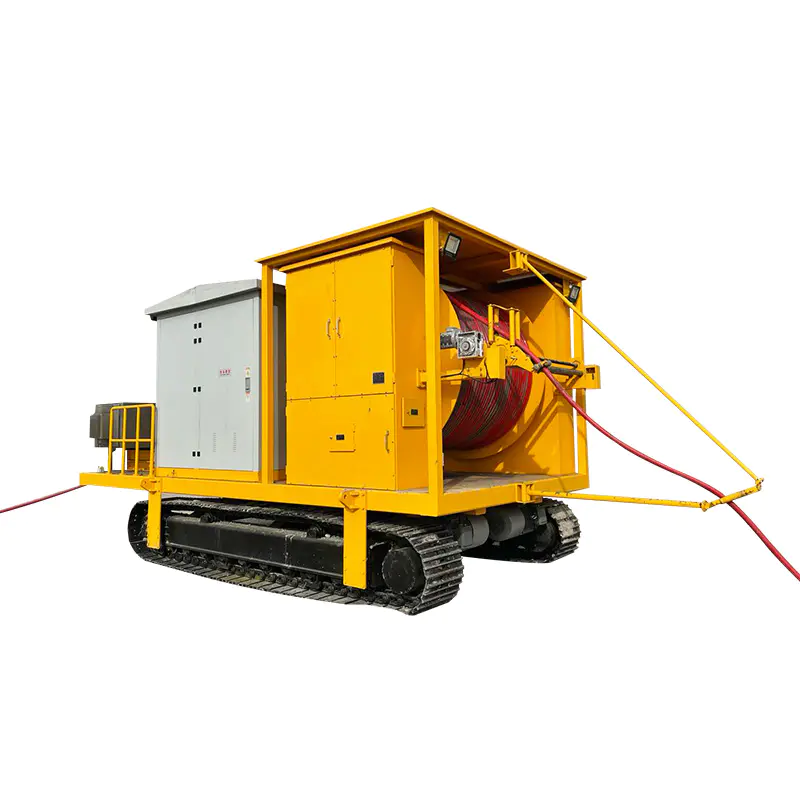
In open-pit mines, an electric shovel trails a tail cable across continuously changing ground. The cable must follow the machine, keep slack under control, and never end up beneath a track. A tail cable pulling winch mounted at the rear of the shovel reels cable in and out as the machine swings and travels, protecting both the cable and everyone working around it.
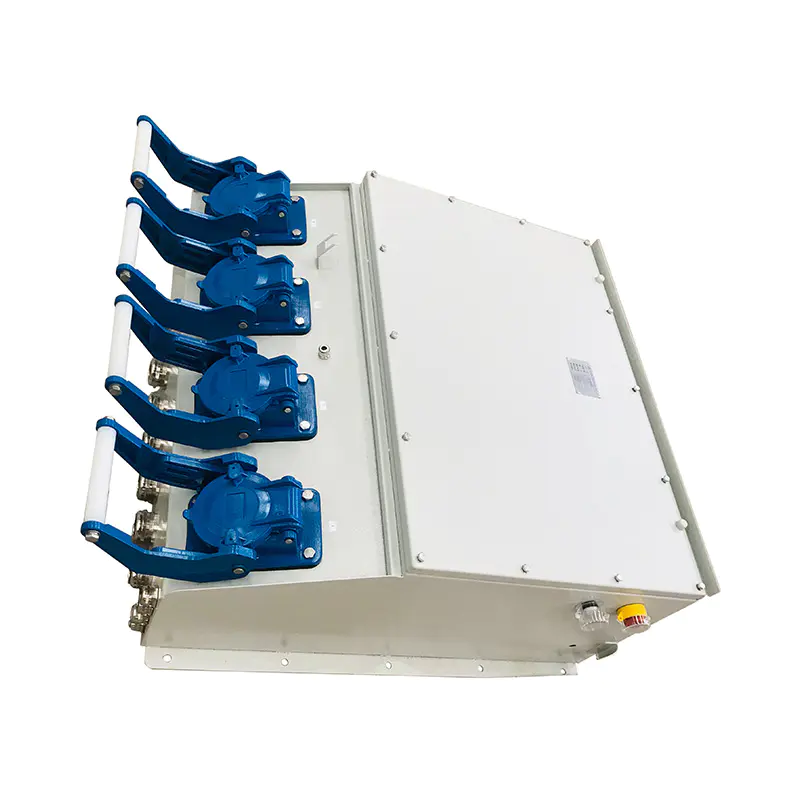
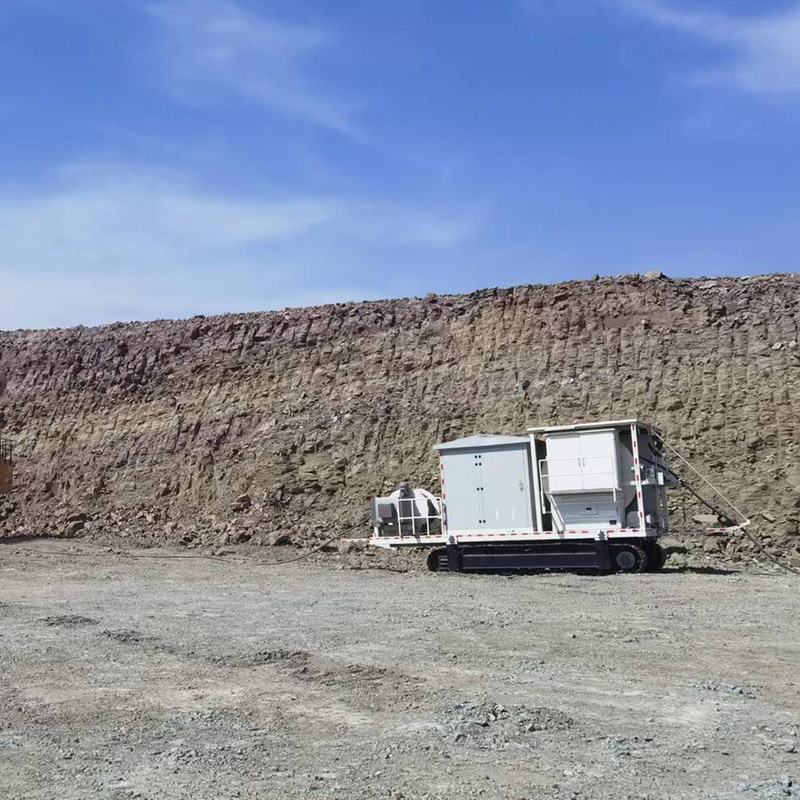 Electric Shovel Tail Cable Pulling WinchMounted at the rear of an open-pit electric shovel, this winch reels the tail cable in and out as the machine swings and travels, controlling slack and protecting both the cable and nearby workers.View Product →
Construction and Industrial Power Projects
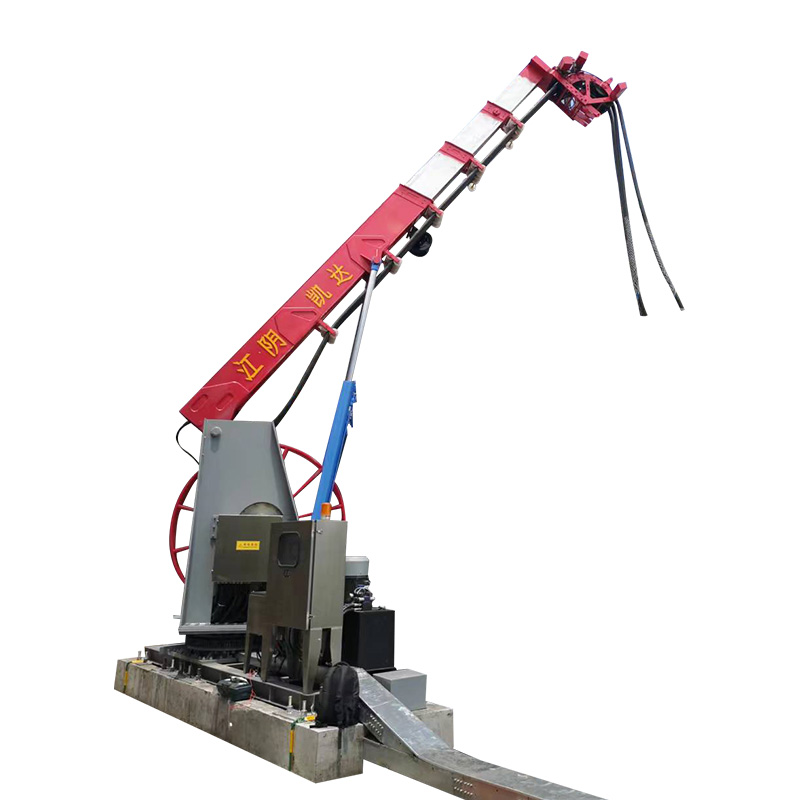
Cable installation through ducts, trenches, and tray runs is the classic use case. A fixed telescopic arm winch, for example, reaches into awkward positions and holds a stable pulling angle, which is exactly what a long, straight duct run demands.
| Application | Suited Winch Type | Primary Role |
|---|---|---|
| Cruise terminal shore power | Cruise ship shore power pulling winch | Position and retrieve high-voltage cables |
| Port and vessel connections | Marine cable pulling winch | Traction and orderly cable recovery |
| Open-pit mining | Electric shovel tail cable winch | Automatic tail cable management |
| Construction and industrial projects | Fixed telescopic arm winch | Controlled pulling through ducts and runs |
How to Choose the Right Model
Choosing a winch is less about finding the biggest number on a specification sheet and more about matching four factors to your actual working conditions.
Pulling Capacity
Calculate the total tension the winch must overcome: the cable's own weight, friction against duct walls or rollers, the gradient of the route, and the extra effort needed to start a load moving. Then keep a healthy safety margin above that figure. An undersized winch stalls mid-pull, while a badly oversized one can overload the cable if the operator is careless with the controls.
Drum Capacity and Cable Protection
The drum diameter must respect the cable's minimum bending radius, and its length must hold the full cable with room for orderly spooling. Features that promote even winding prevent the crossover crushing that quietly shortens cable life.
Speed, Control, and Braking
Variable speed control proves its worth the moment an operator must guide a heavy connector into a socket. Look for smooth low-speed response, a dependable holding brake, and remote control that lets the crew stand well clear of the cable path.
Environment and Duty Cycle
Salt-laden port air, mine dust, and outdoor temperature swings each demand specific sealing, coatings, and motor ratings. Just as important is whether the winch works intermittently, as at a berth, or continuously, as behind a shovel, because the duty cycle drives motor and gearbox sizing.
For a deeper walkthrough of specifications and type comparisons, our cable pulling winch types, specs, and selection guide covers the decision process in detail.
Safe Operation: The Habits That Prevent Accidents
A winch amplifies force, and it shows no mercy to shortcuts. The routines below cost only minutes and prevent the incidents we hear about most often.
- Inspect the cable sheath, drum surface, anchor points, and hooks before every pull.
- Confirm the load is within rated capacity and that the pull line runs straight; never side-load the drum.
- Keep every member of the crew clear of the tensioned cable, and never allow anyone to cross a live line of pull.
- Use agreed hand signals or a remote control so one person commands the entire operation.
- Test the brake under light tension before committing to a full load, and never leave a load held only by the motor.
Why Manufacturer Experience Matters
An electric cable pulling winch looks simple from the outside, but its performance depends on decades of accumulated detail: how a drum flange grips a cable end, how a brake behaves after ten thousand cycles, how a housing survives a salty winter at a northern quay. Our factory in Jiangyin, on the Yangtze River near Shanghai, has specialized in cable winches and motor-driven cable reels for more than twenty years, within a manufacturing heritage the company traces back to 1956. Today we build shore power cable winches at an annual capacity of 1,000 units in an ISO9001-certified plant, and we match each project with the right drive system, whether spring-driven, weight-powered, hydraulic friction, magnetic hysteresis, variable torque, or frequency controlled.
If you are planning a shore power connection, a mining retrofit, or a demanding cable installation, start by exploring our complete range of cable pulling winches, then share your drawings and site conditions with our engineering team. Customization is not an afterthought for us; in most projects, it is where the conversation begins.