

 русский
An electrical cable winch is a powered winding machine specifically engineered to pull, tension, and spool heavy electrical cables with precision and control. Unlike a simple winch used for lifting or pulling loads, a cable winch for electrical applications is designed to handle the low stretch, high weight, and large bend radius requirements of power cables, umbilicals, and communication lines. These machines are at the core of industrial cable management systems, enabling safe and efficient handling of cables that can weigh several kilograms per meter and must not be kinked, twisted, or subjected to excessive tension during installation or retrieval. From laying subsea power lines to winding shore power cables aboard vessels, the electrical cable winch turns a dangerous, labor-intensive manual task into a controlled, one-operator process. Understanding the different types, drive mechanisms, and specific application requirements is essential for selecting equipment that protects both the cable and the crew.
Content
- 1 How Does an Electrical Cable Winch Work?
- 2 Cable Winch Types and Their Specific Applications
- 3 Cable Reel vs. Cable Winch: Different Tools for Different Tasks
- 4 Marine Cable Winch Applications: Shore Power and Onboard Cable Handling
- 5 Automatic Cable Winding Systems and the Future of Cable Handling Equipment
How Does an Electrical Cable Winch Work?
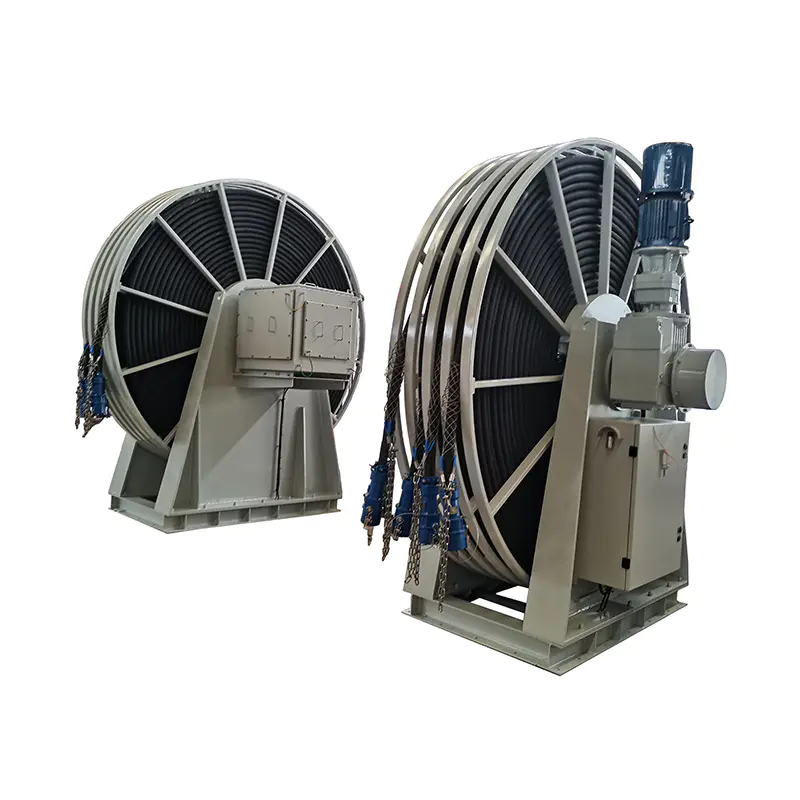
How does an electrical cable winch work? The fundamental operating principle involves an electric motor driving a winch drum through a gearbox, with the cable being wound onto or paid out from the drum under controlled tension. The motor—which can be AC, DC, or hydraulic-driven via an electric power pack—delivers torque to a reduction gearbox that multiplies the force while reducing speed to appropriate spooling rates, typically between 5 and 30 meters per minute depending on the cable diameter and application. The drum's core diameter is critical: it must be at least 15 to 20 times the cable's outer diameter to prevent bending damage to the conductors and insulation. A level-winding mechanism, either mechanical or electronically controlled, ensures the cable is laid neatly onto the drum in even layers, preventing crossover that can crush the underlying cable.
Control systems range from simple pendant-operated forward/reverse drives to sophisticated automatic cable winding systems with programmable logic controllers (PLCs). These systems use tension sensors and encoders to maintain a constant pull force, automatically adjusting the drum speed as the effective drum diameter changes with each layer of cable. For critical applications like live cable laying, the winch drive is often coupled with a dynamic braking system and an emergency stop that arrests the drum instantly without cable slip. The combination of motor, gearbox, drum, and control system in an electric cable pulling winch transforms it from a simple winding device into a precision cable handling tool that extends the service life of expensive electrical cables.
Cable Winch Types and Their Specific Applications
The term cable winch types encompasses a variety of configurations, each designed for a specific phase of cable handling. Choosing the correct type depends on whether the task is pulling cable through conduit, laying cable from a vessel, or winding finished product at a manufacturing plant.
| Winch Type | Main Function | Typical Pull Force |
|---|---|---|
| Cable Pulling Winch | Pulling cables through ducts or trays using a rope or stocking | 5–100 kN |
| Storage Winch | Winding and storing long lengths of cable on a drum for transport or standby | Variable, depends on drum size |
| Tensioner Winch | Maintaining precise back-tension during cable laying to prevent free-spooling | Up to 200 kN (subsea) |
| Spooling Winch | Transferring cable from a manufacturer's reel to a storage drum | Moderate, speed-focused |
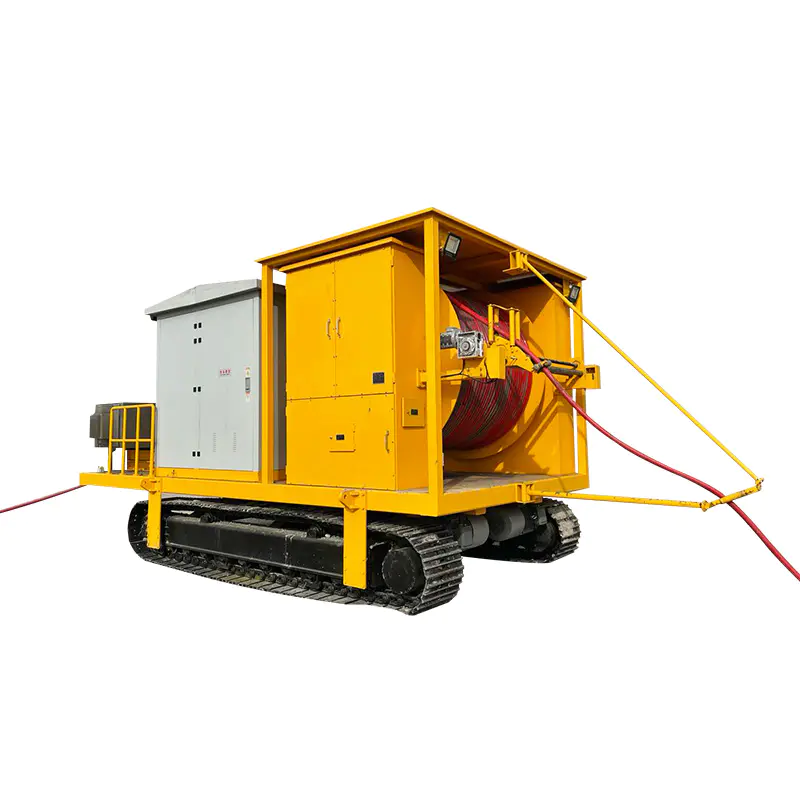
The electric cable pulling winch is the most commonly encountered type in utility and construction settings. It is typically compact, mounted on a frame with a swivel base, and uses a capstan drum rather than a storage drum. The pulling rope is wrapped around the capstan several times and tailed off by hand, which provides a non-slip, controlled pull without the cable needing to be wound onto the drum itself. This is distinct from a storage winch, which directly spools the cable and is more common in marine cable winch applications where long lengths of umbilical or shore power cable must be deployed and recovered frequently. Understanding these distinctions ensures the correct cable handling equipment is applied to each phase of a project.
Cable Reel vs. Cable Winch: Different Tools for Different Tasks
The comparison of cable reel vs cable winch often creates confusion because both involve wrapping cable around a cylindrical core. The fundamental difference lies in their mechanical purpose. A cable reel is primarily a storage device—a spool that may be motorized or free-running, used to hold and dispense cable. It may incorporate a slip ring assembly to transfer electrical power or signals from the rotating reel to a stationary junction box, which is a common feature in shore power cable winch systems. A cable winch, on the other hand, is a work-performing machine that actively pulls cable under tension, controls the speed precisely, and can manage the cable's position via a level-winding system.
In practice, a complete industrial cable management system often uses both: a powered cable reel stores the cable and pays it out smoothly, while a capstan winch or tensioner provides the pulling force needed to draw the cable through a duct or lay it in a trench. In marine settings, a shore power cable winch is typically an integrated unit combining a storage drum with a slip ring and a powered spooling mechanism, functioning as both a reel and a winch. The distinction matters because using a storage reel alone for pulling can overload its bearings and motor, which are designed for winding under low tension, not for the high forces of cable installation.
Marine Cable Winch Applications: Shore Power and Onboard Cable Handling
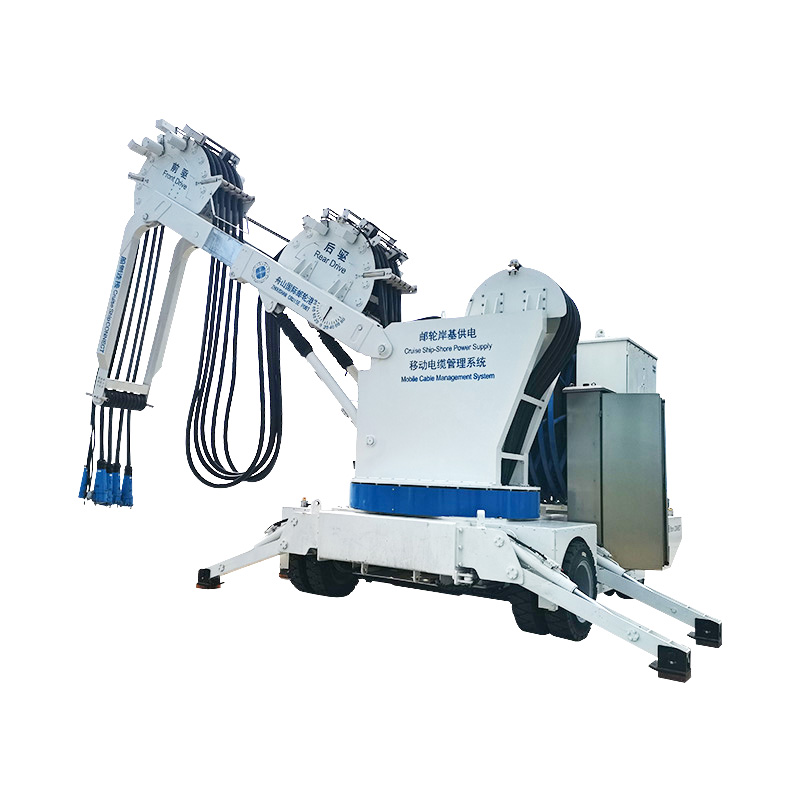
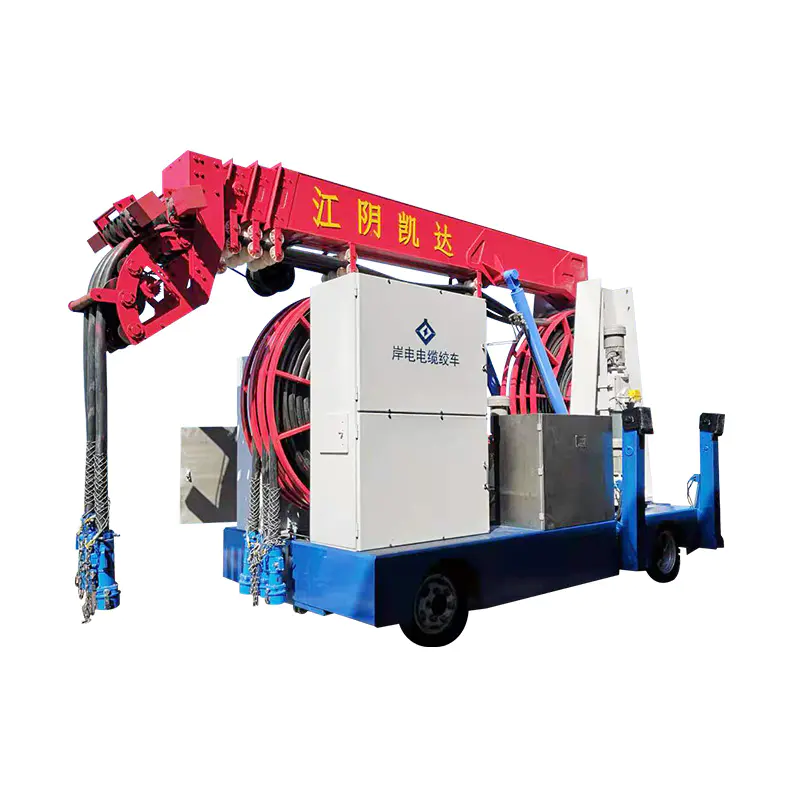
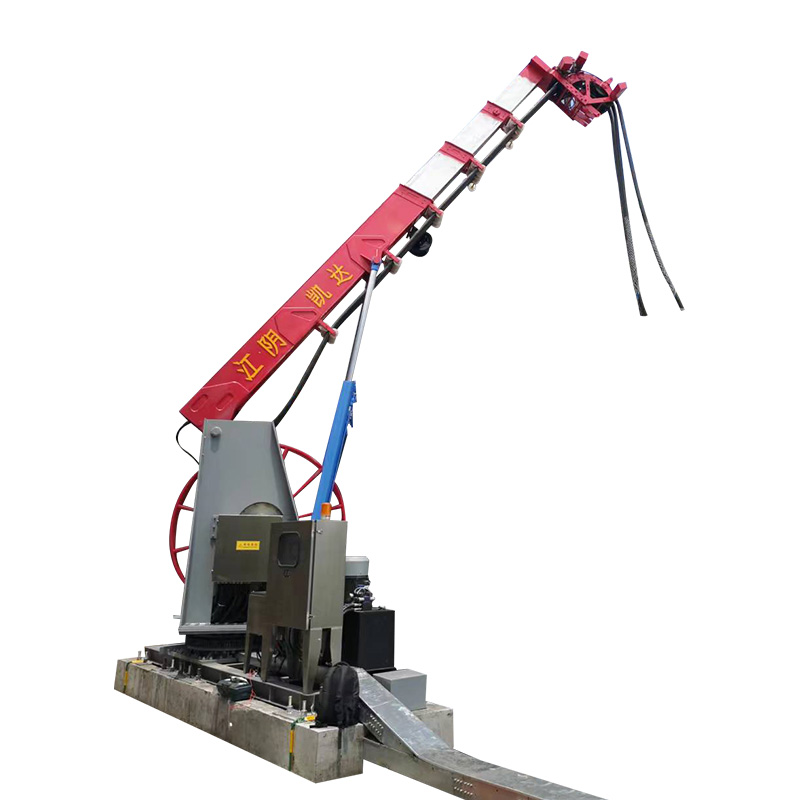
Marine cable winch applications represent some of the most demanding use cases for electrical cable winches, due to the combination of corrosive saltwater environments, dynamic ship movements, and the heavy, flexible cables required for power and data transfer. A primary application is the shore power cable winch, which manages the large-diameter power cables that connect a vessel to the dockside electrical grid. When a cruise ship or container vessel docks and connects to shore power—often referred to as cold ironing—it must deploy cables that can weigh over 10 kg per meter and carry voltages up to 6.6 kV or 11 kV. A purpose-built shore power winch with a powered drum, integrated slip ring, and automatic level-wind allows a single crew member to safely connect and disconnect these cables without manual lifting or the risk of back injuries.
Other cable pulling equipment for ships includes deck-mounted winches for deploying subsea survey umbilicals, ROV tethers, and mooring cables. These winches are often designed with a dual-drum configuration to handle both a working cable and a load-bearing wire. In naval applications, winches handle degaussing cables and towed sonar arrays, where constant tension control is essential to prevent cable snapping under wave-induced shock loads. The automatic cable winding system integrated into these marine winches uses a combination of a dancer arm or load cell for tension feedback and an encoder on the level-wind screw to track the cable position, ensuring even spooling even as the ship pitches and rolls. Compliance with classification society standards—such as those from DNV, ABS, or Lloyd's Register—requires the winch structure and braking system to meet strict safety factors, typically 4:1 or higher against the safe working load.
Automatic Cable Winding Systems and the Future of Cable Handling Equipment
The evolution of cable handling equipment is moving toward fully automatic cable winding systems that integrate tension control, spooling, and cable condition monitoring into a single machine controlled by software. An automatic system uses a programmable logic controller (PLC) connected to a human-machine interface (HMI) to regulate the electric motor's speed and torque based on real-time inputs. As the cable is wound onto the drum, the effective diameter increases with each layer, which would normally increase the line speed at a constant drum RPM. The PLC compensates by reducing motor speed, maintaining a constant cable line speed regardless of how much cable is on the drum. Simultaneously, the tension is monitored via a load pin on the tensioner sheave, and the system can be set to maintain a constant pull force or to switch to a slack mode when the load is removed.
For operators of industrial cable management systems, the benefits of automation are clear: reduced labor, consistent spooling quality, and integrated data logging that tracks how much cable has been deployed and under what tensions. This data is critical for lifecycle management of high-value cables, as it allows operators to predict when a cable has reached its fatigue limit and should be replaced before failure. Automatic systems also incorporate safety interlocks, such as limit switches that stop the drum when the cable is fully paid out or nearly fully wound, preventing damage from over-pulling. As offshore wind farms and electrified ports expand, the demand for reliable electrical cable winch technology will continue to grow, cementing its role as a key enabler of modern power infrastructure.