

 русский
Electrical Installation Equipment
Content
- 1 How to Choose a Cable Puller: Capacity, Power Source, and Accessories
- 2 How to Choose a Cable Puller
- 3 Cable Pulling Winch Capacity Guide
- 4 Electric vs. Manual Cable Puller
- 5 Cable Pullers for Long Distance Pulling
- 6 Portable Cable Pulling Machines for Job Site Flexibility
- 7 Cable Pulling Tools for Underground Wiring
- 8 Cable Pulling Rope and Accessories
How to Choose a Cable Puller: Capacity, Power Source, and Accessories
Choosing a cable puller comes down to matching pulling capacity, power source, and portability to the actual job — a long underground duct run and a short indoor conduit pull call for very different equipment, and getting that match wrong either wastes money on unused capacity or leaves a crew fighting a machine that can't handle the pull.
How to Choose a Cable Puller
Selecting the right cable puller starts with understanding the actual pulling tension a specific job will require, since that figure drives most of the other decisions — motor size, capacity rating, and even whether powered equipment is necessary at all. Tension requirements are affected by cable weight, run length, number and severity of bends, and friction between the cable and the conduit or duct wall, so the same cable type can require very different pulling force depending on the route it's being installed through.
Once the required tension is estimated, the puller's rated capacity should exceed that figure with a reasonable safety margin rather than being matched exactly, since real-world conditions — unexpected friction, tighter bends than planned, or minor route obstructions — often push actual tension above initial estimates.
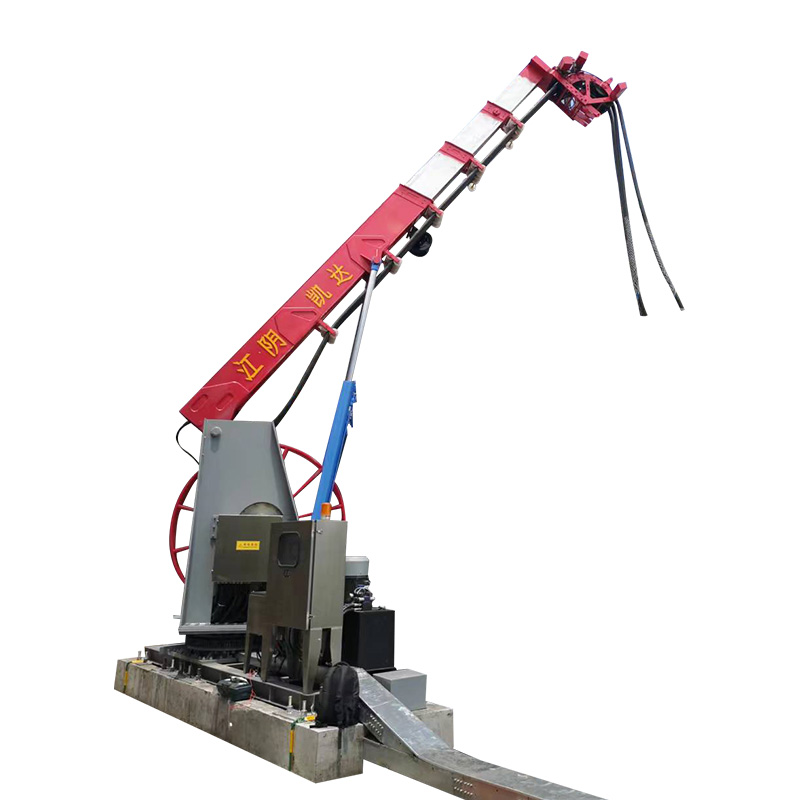
Cable Pulling Winch Capacity Guide
| Pulling Capacity | Typical Use Case |
|---|---|
| Up to 2,000 lbs (approx. 9 kN) | Light commercial conduit runs, shorter indoor pulls |
| 2,000–6,000 lbs (approx. 9–27 kN) | Standard commercial and industrial conduit and cable tray installations |
| 6,000 lbs and above (27+ kN) | Heavy duty underground duct banks, long-distance or multi-cable pulls |
General capacity guide — always confirm against calculated tension for the specific run
Electric vs. Manual Cable Puller
Manual cable pullers, including hand-cranked winches and basic come-alongs, work well for short, low-tension pulls where crew labor is readily available and the job doesn't justify bringing in powered equipment. They're inexpensive and simple to maintain, but pulling force and speed are limited by operator strength and stamina, which becomes impractical on longer runs or heavier cable.
Electric cable pullers remove that physical limitation, delivering consistent, controllable pulling force regardless of run length or cable weight, and typically include tension monitoring that manual methods can't replicate reliably. The trade-off is equipment cost and the need for a power source on site, which is why manual pullers remain common for light residential and small commercial work while electric units dominate larger commercial, industrial, and underground installations.
Manual pullers
Lower cost, no power source needed, best suited to short or light-duty pulls.
Electric pullers
Consistent controlled force, tension monitoring, better suited to longer or heavier pulls.
Cable Pullers for Long Distance Pulling
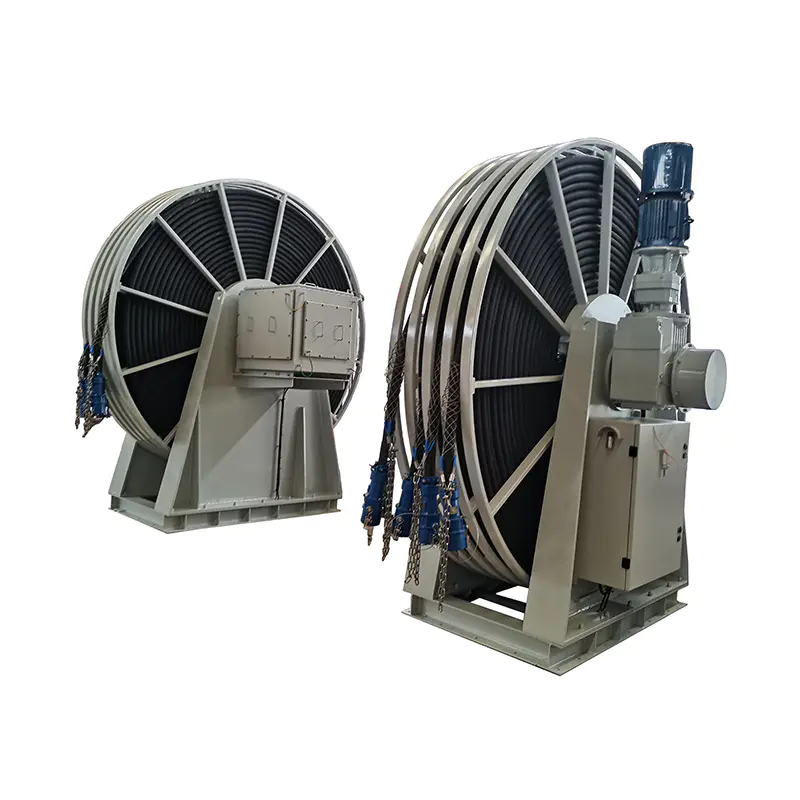
Long-distance pulls introduce cumulative friction and tension buildup along the entire run, which means the puller has to sustain higher force over a longer working period rather than just reach a peak tension briefly. High power cable pulling equipment with larger capstan or winch drums, higher line capacity, and robust motor cooling is generally required for these runs, since underpowered equipment can overheat or stall partway through a long, continuous pull.
Cable lubrication becomes increasingly important as pull distance grows, since even modest friction compounds significantly over a long run — a lightly lubricated long pull can require substantially less pulling force than the same run without lubrication, which directly affects what capacity equipment is actually needed.
Portable Cable Pulling Machines for Job Site Flexibility
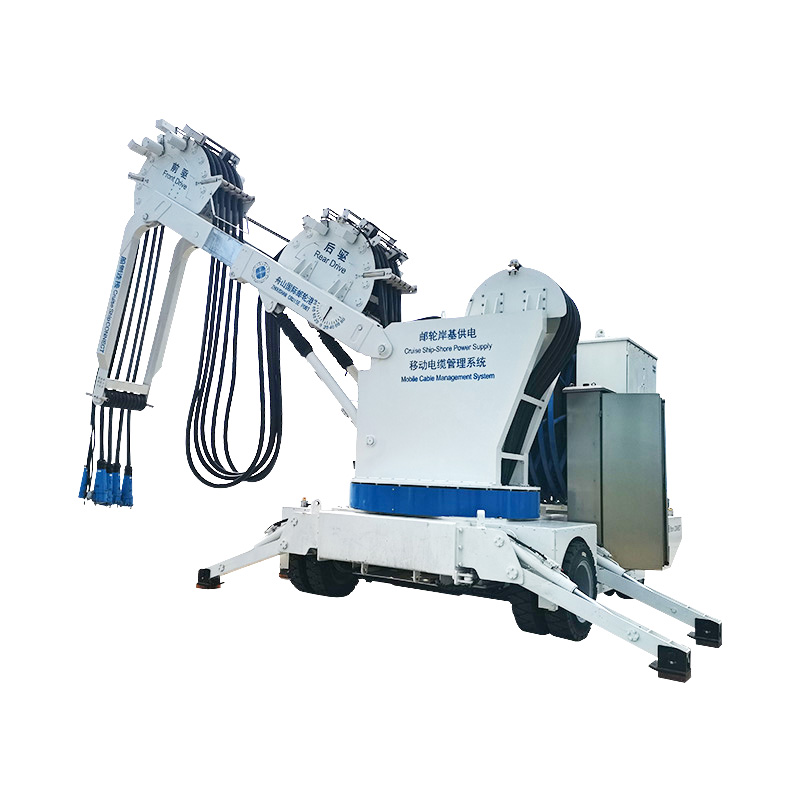
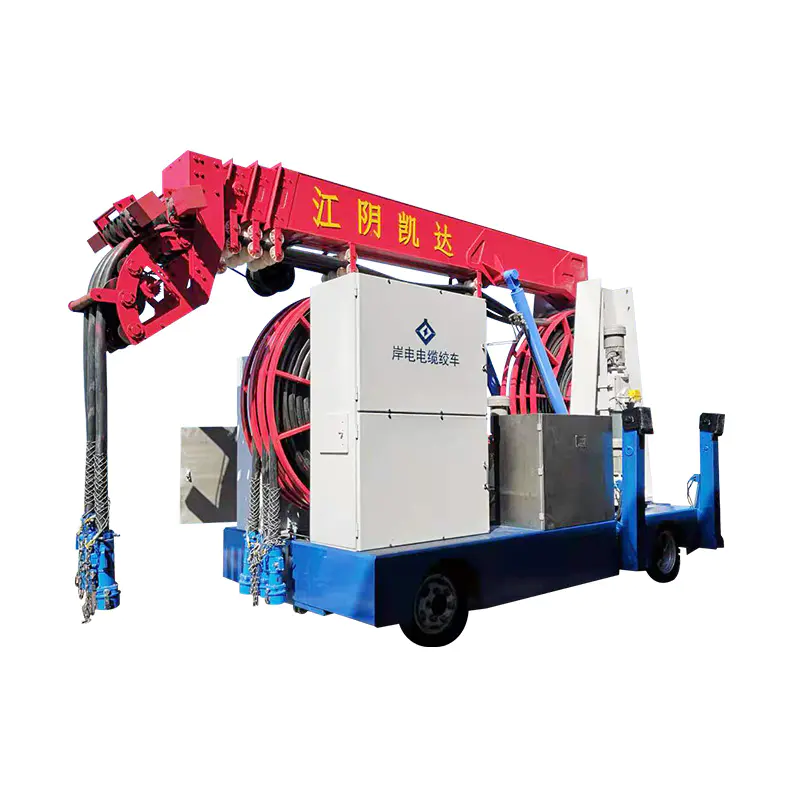
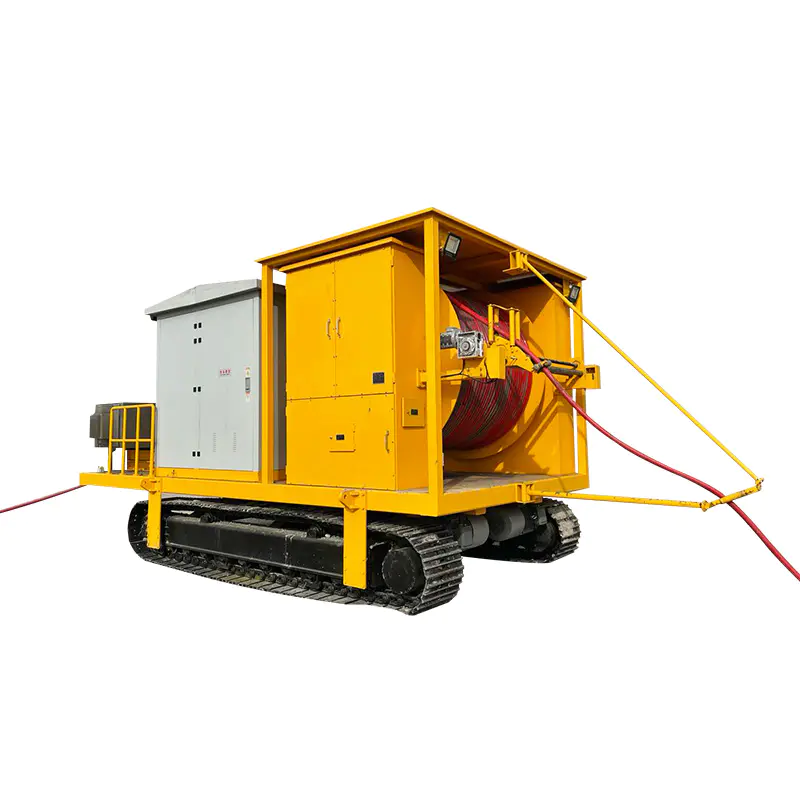
Portable cable pulling machines, built on wheeled or compact chassis, matter most on job sites with multiple pull locations across a building or site, where repositioning heavy fixed equipment between pulls would otherwise waste significant crew time. Portability generally trades off against maximum capacity — the most compact, easily moved units tend to top out at lower pulling force than large, stationary industrial winches — so crews working varied job types often keep both a portable mid-capacity unit and access to heavier equipment for occasional large pulls.
Cable Pulling Tools for Underground Wiring
Underground wiring installations add duct bank length, potential water or debris in the conduit, and often multiple cables being pulled simultaneously, all of which increase both required pulling force and the importance of reliable tension monitoring. Cable pulling tools for underground work typically pair a heavy duty puller with wire mesh grips or pulling eyes rated for the specific cable being installed, along with lubricant suited to the duct material to help manage friction across long buried runs.
Tip: For underground pulls involving multiple cables in a single duct, confirm the puller and pulling accessories are rated for the combined weight and friction of all cables together, not just a single cable — combined pulls generate meaningfully higher tension than the sum of individual cable estimates might suggest due to increased contact friction.
Cable Pulling Rope and Accessories
- Pulling rope — rated for the puller's maximum capacity, with low stretch to maintain consistent tension transfer
- Wire mesh grips — distribute pulling force evenly around the cable jacket without concentrating stress at a single point
- Swivels — placed between the pulling line and cable grip to prevent cable twist during longer pulls
- Cable lubricant — reduces friction against conduit walls, lowering required pulling tension on long or bend-heavy runs
- Tension gauges/dynamometers — allow real-time monitoring of pulling force against the cable's rated maximum tension