

 русский
Content
What Is Shore Power Supply?
Shore power supply — also known as cold ironing, alternative maritime power (AMP), or onshore power supply (OPS) — is the provision of electrical power from a land-based grid connection to a vessel while it is berthed at a port or marina. Instead of running onboard diesel auxiliary engines to generate electricity for hotel loads (lighting, HVAC, refrigeration, navigation systems, and crew facilities) during port stays, the vessel shuts down its generators and draws power directly from the shore-side electrical infrastructure through a standardized connection.
The term "cold ironing" dates to an earlier era of steam-powered ships, when all machinery — including the iron boilers and engines — would go cold during port calls once shore power took over. In the modern context, the benefit is primarily environmental and economic: a large container ship or cruise vessel at berth can consume 1–5 MW of auxiliary power, all of which is generated by diesel engines emitting NOₓ, SOₓ, particulate matter, and CO₂ directly into the port environment. Shore power eliminates these emissions at the berth entirely, replacing them with grid electricity that — depending on the national energy mix — carries a substantially lower carbon intensity.
Ports in California, Northern Europe, and China have been the earliest large-scale adopters, driven by regulatory pressure from air quality authorities. The EU's FuelEU Maritime regulation and the revised EU Alternative Fuels Infrastructure Regulation (AFIR) now mandate shore power provision at major TEN-T ports for container ships, passenger vessels, and tankers by 2030, accelerating global adoption of cold ironing infrastructure.
How a Shore Power Supply System Works
A complete shore power supply system involves infrastructure on both the port side and the vessel side, connected through a standardized interface. The power chain from the grid to the ship's switchboard involves several conversion and protection stages.
Port-Side Infrastructure
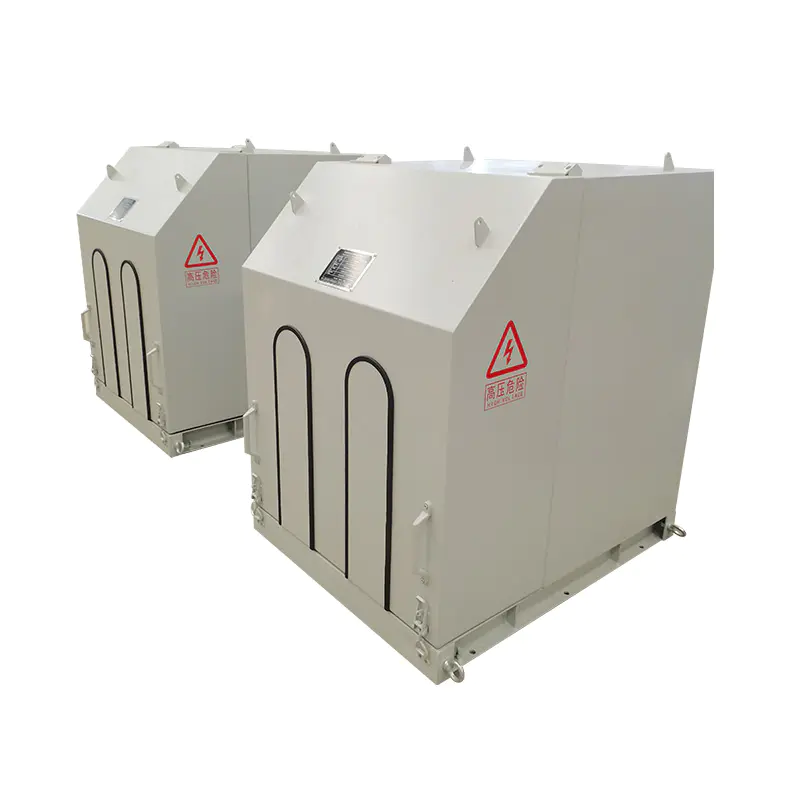
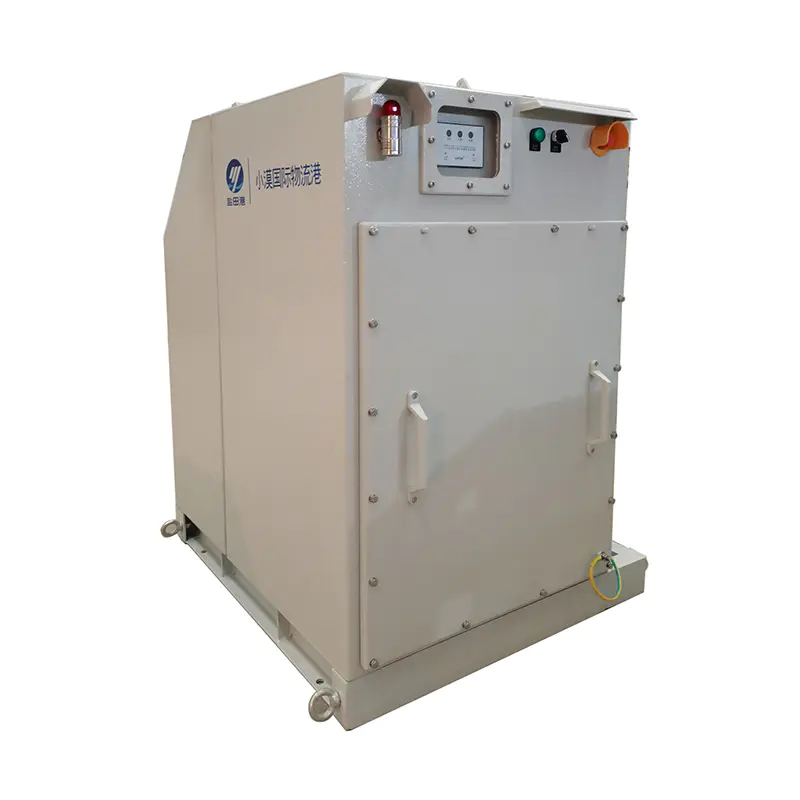
The port installs a frequency converter and transformer substation at or near the berth. This is required because ships operate their electrical systems at either 60 Hz (the standard for most commercial vessels built to American or international SOLAS convention norms) or 50 Hz (European vessels), regardless of the port's national grid frequency. The frequency converter — typically a static solid-state unit using AC-DC-AC conversion — accepts grid power at local frequency and delivers the required ship frequency at the correct voltage. Output voltages for high-power vessels are typically 6.6 kV or 11 kV to minimize cable current and losses across the quayside connection distance.
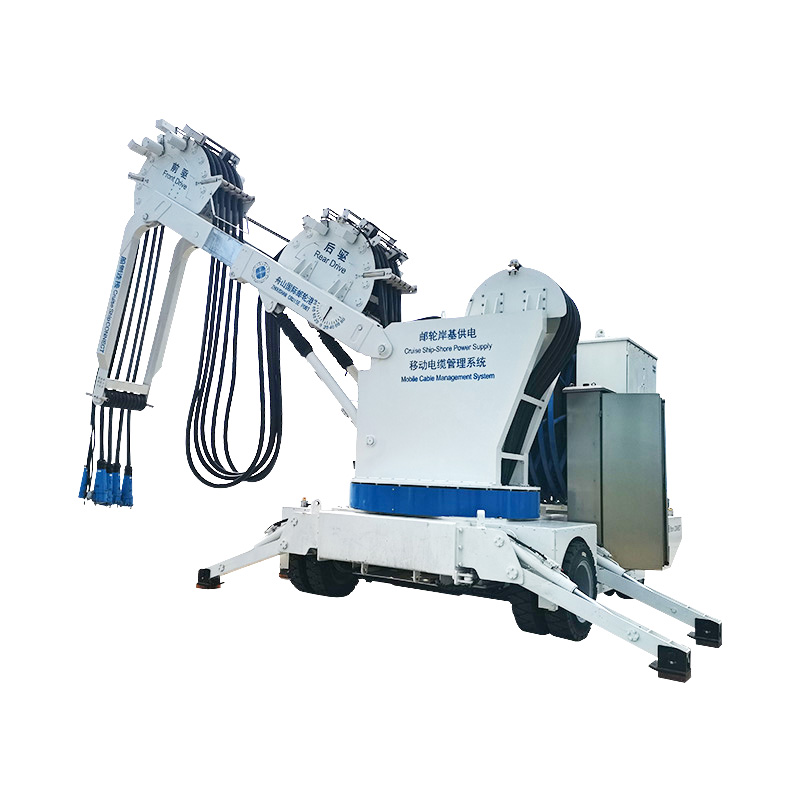
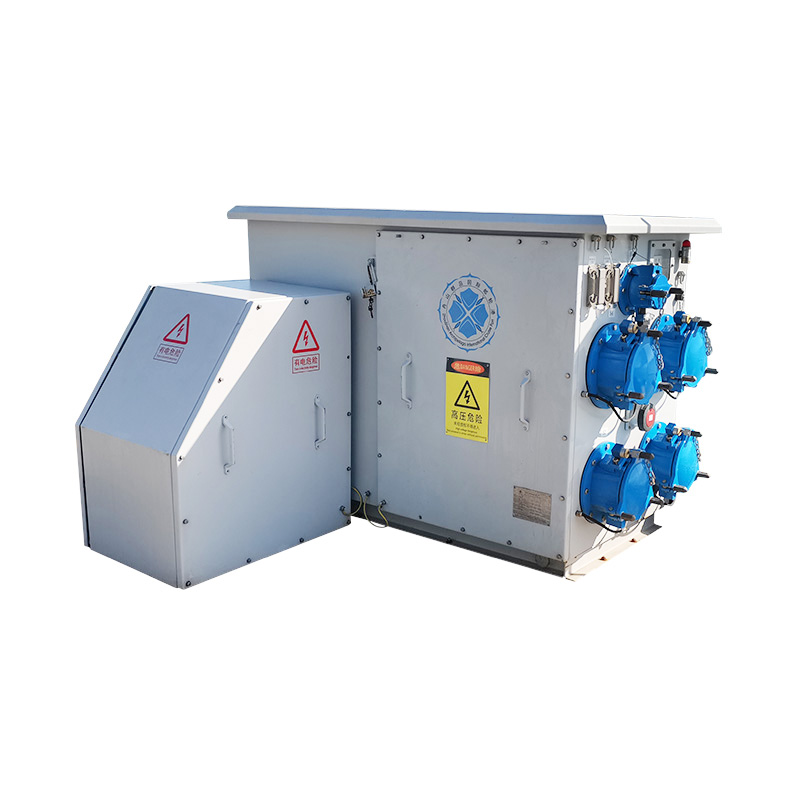
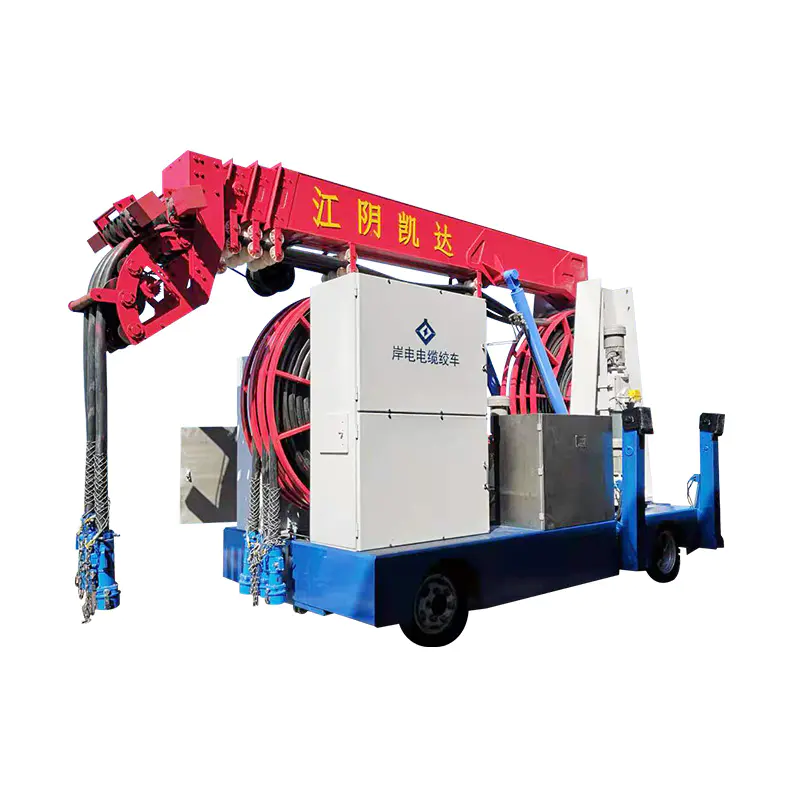
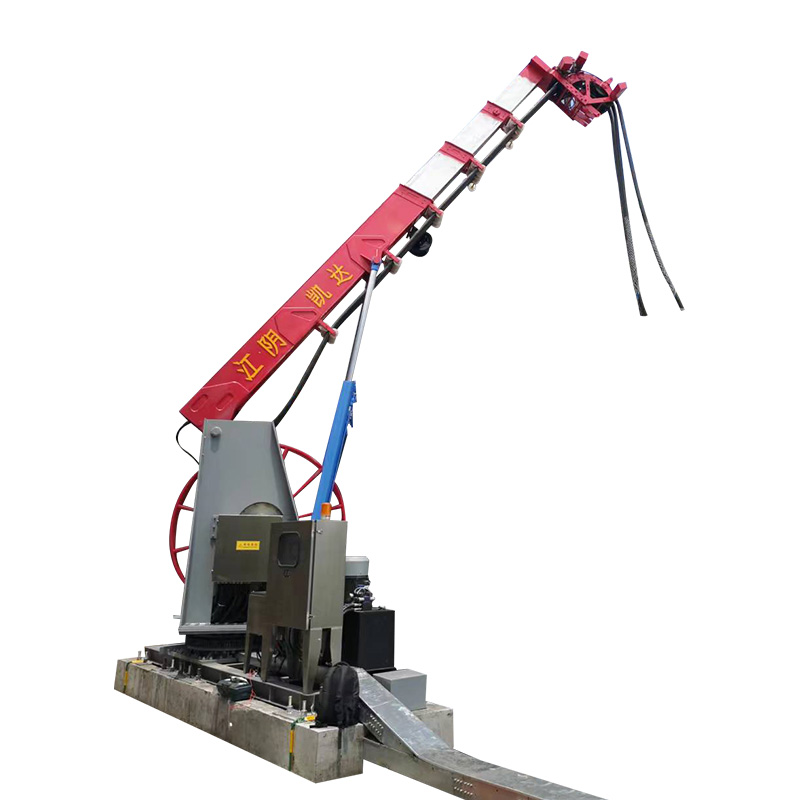
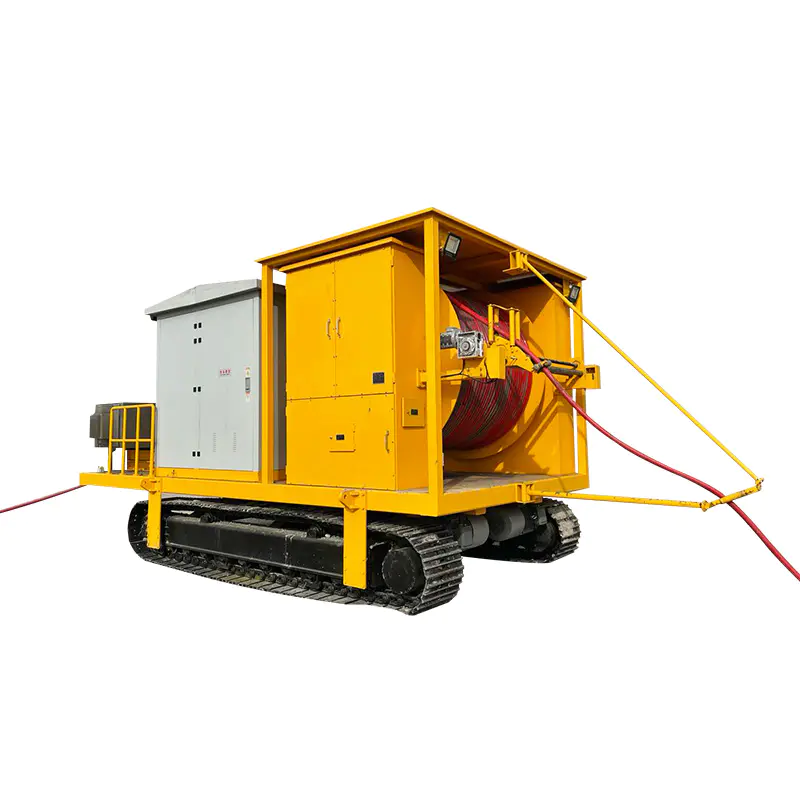
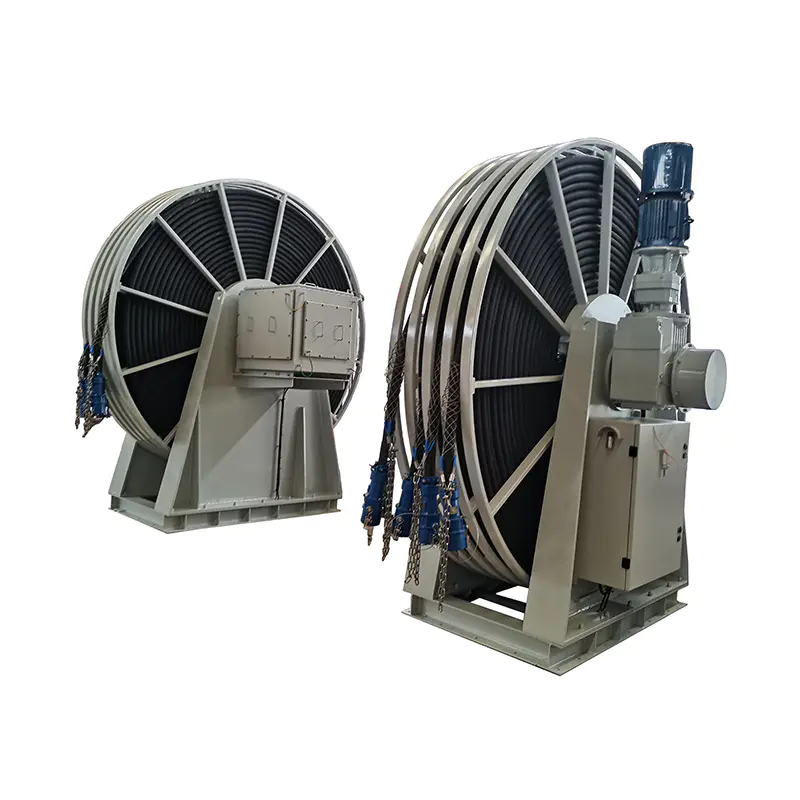
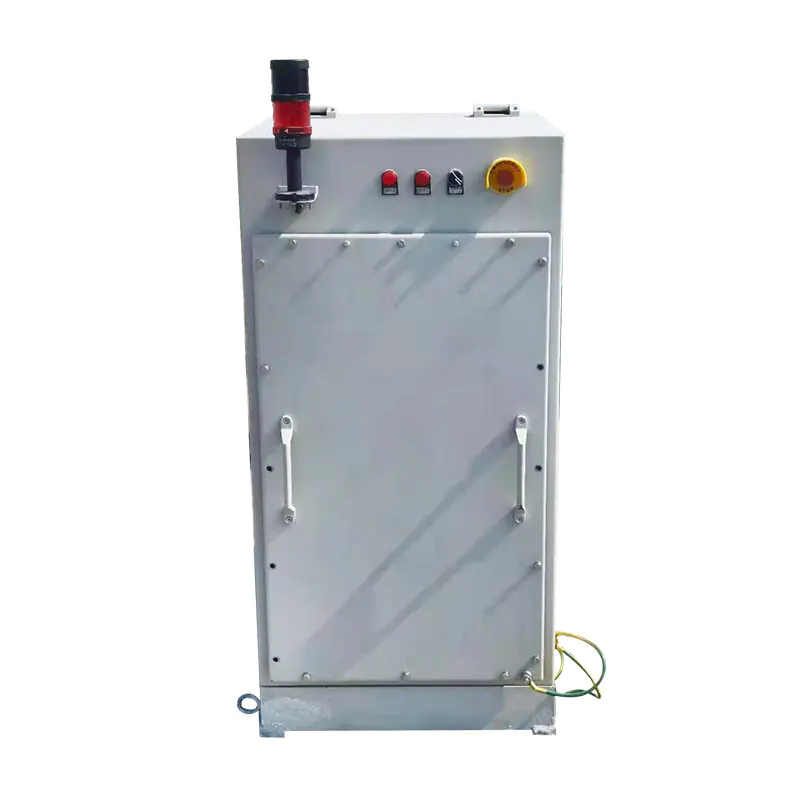
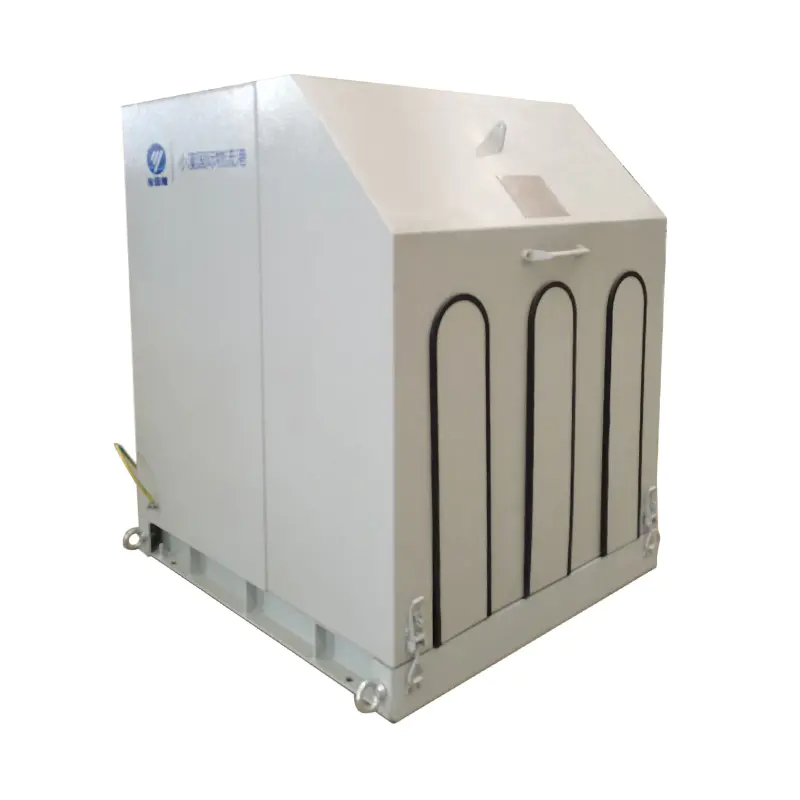
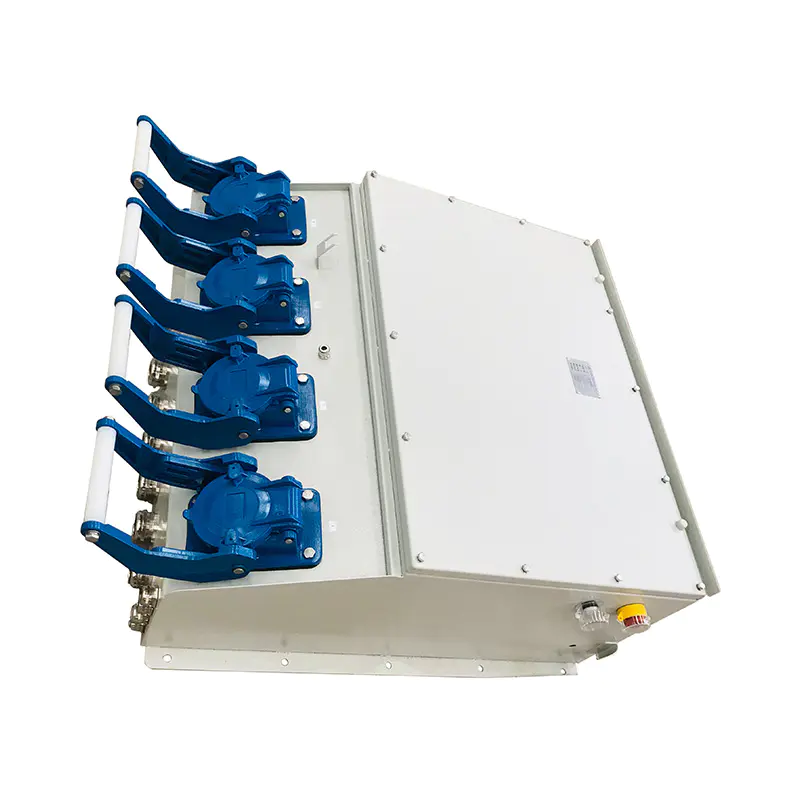
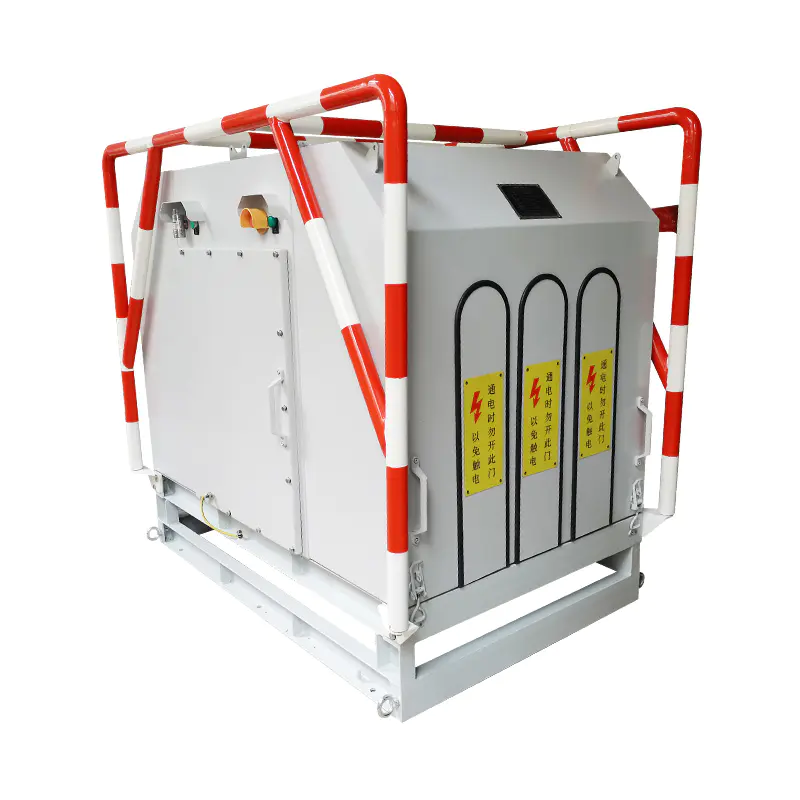
From the substation, power is routed to a shore connection box (SCB) or pedestal mounted at the berth face. The SCB provides the physical connection point, protection switchgear (circuit breaker and earth fault protection), metering, and the cable management system — either a retractable cable reel, a cable basket, or a shore-to-ship cable handling crane for large high-voltage connections.
Vessel-Side Equipment
The vessel is fitted with a shore power inlet panel — typically located on the main deck or upper deck near the manifold area — containing the shipboard high-voltage switchgear, isolation transformer (in some configurations), power management controller, and the standardized inlet socket. When connected, the ship's power management system performs a synchronization check to match shore supply phase, voltage, and frequency to the vessel's internal busbar before transferring load and shutting down auxiliary generators. This transfer is managed automatically by the power management system (PMS) to prevent interruption of critical loads.
Low-Voltage Shore Power for Small Vessels and Marinas
For recreational vessels, small ferries, and workboats, shore power is delivered at low voltage — typically 230V single-phase or 400V three-phase at 50 Hz, or 120V/240V at 60 Hz in North American marinas. Marina pedestals provide individual metered outlets rated from 16A to 125A, sufficient for vessels with hotel loads up to approximately 50 kW. Connection is made through flexible shore power cords with twist-lock or IEC 60309 (industrial) plugs and sockets rated for outdoor and saltwater-adjacent use.
Shore Power Standards and Connector Types
Interoperability between vessels from different flag states and ports around the world requires standardized connection specifications. The primary international standard governing high-power cold ironing infrastructure is IEC/ISO/IEEE 80005-1:2019, which covers high-voltage shore connection systems for vessels with power demands of 1 MW and above. Complementary standards address utility connections, communication protocols, and safety interlocks.
| Standard | Scope | Voltage | Frequency | Typical Vessel Type |
|---|---|---|---|---|
| IEC/ISO/IEEE 80005-1 | HV shore connection ≥1 MW | 6.6 kV / 11 kV | 50 or 60 Hz | Container ships, tankers, cruise vessels |
| IEC/ISO/IEEE 80005-3 | LV shore connection <1 MW | 400V / 440V 3-phase | 50 or 60 Hz | Ferries, RoPax, small naval vessels |
| IEC 60309 | Industrial plugs and sockets | Up to 690V | 50 or 60 Hz | Marina / small commercial vessels |
| NEMA / ANSI (North America) | Shore power pedestals, marinas | 120V / 240V | 60 Hz | Recreational and small commercial boats |
The IEC 80005-1 standard specifies not only the electrical parameters but also the communication protocol between ship and shore (based on IEC 61850), safety interlock sequences, cable management requirements, and the connector geometry for high-voltage shore plugs. The defined connector sequence — in which the earth (ground) pin makes first and breaks last — is a non-negotiable safety requirement that prevents arcing on live conductors during connection and disconnection under load.
Environmental and Operational Benefits of Shore Power
The environmental case for shore power is well established and quantified. A large cruise ship running auxiliary diesel engines at berth produces approximately 450 kg of CO₂ per hour, along with significant quantities of NOₓ and particulate matter at dock-level — directly affecting port workers, nearby residents, and urban air quality. Replacing this with shore grid power, even from a grid with moderate carbon intensity, typically reduces CO₂ emissions by 50–90% per port call, and eliminates virtually all NOₓ and PM emissions at the berth location entirely.
The operational benefits for vessel operators are also significant. Running auxiliary diesel engines accumulates running hours — the primary driver of overhaul intervals and spare parts consumption. A vessel making 100 port calls per year, each averaging 12 hours, accumulates 1,200 auxiliary engine hours annually at berth alone. Cold ironing eliminates these hours, extending overhaul intervals and reducing fuel consumption. For operators on routes where shore power tariffs are competitive with bunker fuel costs — as is increasingly the case in European ports — cold ironing also delivers direct voyage cost savings.
Port operators benefit from shore power infrastructure as a commercial differentiator and a tool for attracting environmentally regulated shipping traffic. Ports that cannot offer cold ironing facilities face increasing risk of exclusion from port call itineraries as emissions regulations in key markets — particularly the EU, California, and China — tighten their requirements for vessels at berth. The investment in shore power infrastructure has therefore shifted from a sustainability initiative to a strategic port competitiveness requirement in major container and cruise markets.
Shore Power Supply for Smaller Vessels and Marina Applications
Beyond commercial shipping, shore power supply is a standard utility in marinas, yacht harbors, and small commercial vessel berths. For recreational and light commercial vessels, the shore power system consists of a metered pedestal at each berth providing one or more power outlets at 16A, 32A, or 63A — sufficient for battery charging, air conditioning, galley appliances, and bilge systems without running a generator or inverter.
Key considerations for small vessel shore power connection include:
- Polarity and earth leakage — incorrect polarity in shore power connections is a safety hazard; a polarity indicator or shore power monitor should be fitted to the vessel's panel.
- Galvanic isolation — a galvanic isolator or isolation transformer prevents stray current corrosion on underwater metal fittings caused by current flowing through the shore earth conductor between vessels sharing the same marina system.
- Shore power cord rating — the cable must be rated for the maximum load current and for outdoor, saltwater-adjacent service. Undersized cords with damaged insulation are a leading cause of marina electrical fires.
- Frequency compatibility — vessels moving between regions with different grid frequencies (50 Hz vs 60 Hz) must verify that all connected loads, particularly AC motors and battery chargers, are rated for both frequencies before connecting.