

 русский
Content
What Is an Electrical Cable Winch?
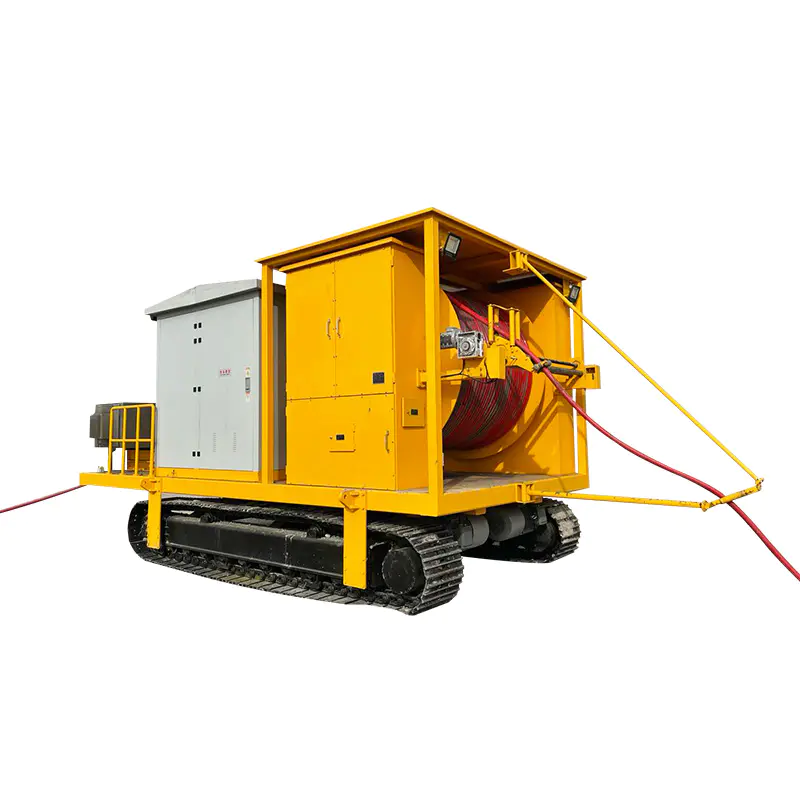
An electrical cable winch is a power-driven mechanical device that uses an electric motor to wind or unwind a steel wire rope or synthetic cable around a drum, generating controlled pulling, lifting, or positioning force. Unlike hydraulic or pneumatic winches that depend on external fluid or compressed air circuits, electrical winches draw power directly from AC mains supply or DC battery systems, making them highly versatile and straightforward to install in both fixed industrial settings and mobile vehicle-mounted applications.
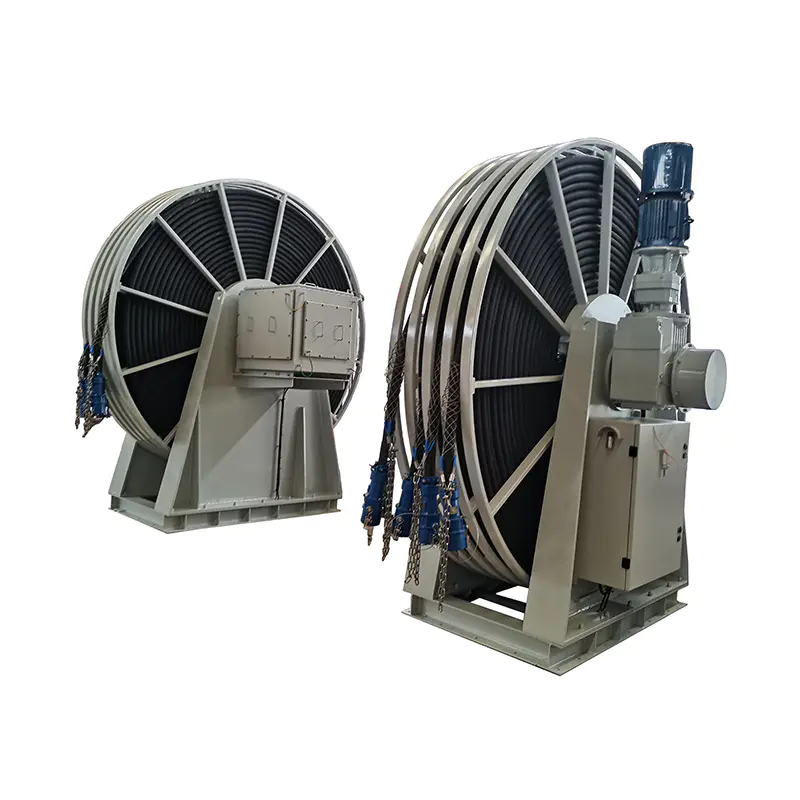
The core operating principle is straightforward: the electric motor drives a gearbox that multiplies torque and reduces output speed, turning the drum at a controlled rate. As the drum rotates, the cable winds onto it in layered wraps, shortening the effective line and pulling the attached load toward the anchor point — or, in lifting applications, raising it vertically. The combination of motor power rating, gear reduction ratio, drum geometry, and cable diameter determines the winch's rated line pull, line speed, and total cable capacity.
Electrical cable winches are deployed across an exceptionally wide range of industries — from offshore oil platform mooring and marine vessel anchor handling to construction site material hoisting, vehicle recovery, stage rigging, and automated warehouse tensioning systems. Their suitability for remote control, variable speed operation, and integration with load monitoring electronics makes them the dominant winch type in applications where precision and safety control are priorities.
Main Types of Electrical Cable Winches
Electrical cable winches are broadly categorized by motor type, drum configuration, and intended duty cycle. Selecting the correct type for the application is the single most important decision affecting long-term reliability and total cost of ownership.
AC Electric Winches
Powered by single-phase (110V/230V) or three-phase (380V/415V/480V) alternating current, AC winches are the standard choice for fixed industrial installations where mains power is available. Three-phase AC motors deliver smooth, consistent torque across their speed range and are inherently robust — with no brushes to wear — making them well suited for continuous or high-duty-cycle operation. Variable frequency drives (VFDs) are frequently paired with AC winch motors to provide infinitely variable line speed, soft start and stop to reduce mechanical shock, and regenerative braking capability. Rated capacities in industrial AC winch configurations range from under 1 tonne for light workshop applications up to hundreds of tonnes in heavy offshore and port mooring installations.
DC Electric Winches
DC winches — typically running on 12V or 24V battery systems — are the dominant type for vehicle recovery, off-road 4×4 applications, agricultural equipment, and small marine vessels. Their ability to operate from an onboard battery without external power infrastructure makes them uniquely suitable for remote or mobile use. Modern DC winches use series-wound or permanent magnet motors that deliver high starting torque relative to their size, though their duty cycle is inherently limited by battery capacity and motor heating during extended continuous pulls. Most vehicle-mounted DC winches are rated for intermittent use — typically a 15–30% duty cycle — meaning they require cooling intervals between sustained hauls.
Lebus / Spooling Drum Winches
For applications requiring large cable storage and consistent multi-layer spooling — such as crane auxiliary hoists, deep-water ROV tether management, and offshore anchor handling — winches fitted with Lebus grooved drums are specified. The helical groove pattern on the drum surface guides the first cable layer into a precise geometry, ensuring that subsequent wraps stack in controlled cross-winding patterns. This eliminates the random pile-up and crushing that occur on smooth drums with multi-layer spooling, protecting cable integrity and maintaining predictable fleet angle geometry through the full cable travel range.
Self-Recovery and Capstan Winches
Capstan winches use a rotating vertical or horizontal barrel rather than a storage drum — the operator manually feeds and controls the cable tension while the capstan provides the pulling force. These are common in marine dock mooring, forestry, and stage rigging where the line must be continuously paid out or taken up without accumulating on the drum. Self-recovery winches are a subtype of compact drum winch designed specifically for vehicle extraction, characterized by sealed motors, synthetic rope compatibility, and IP67 or higher ingress protection ratings for operation in water crossings and mud.
| Type | Power Source | Duty Cycle | Typical Capacity | Primary Application |
|---|---|---|---|---|
| AC 3-Phase | 380–480V AC | Continuous / high | 1–500+ t | Industrial, offshore, port mooring |
| DC 12V/24V | Vehicle battery | Intermittent (15–30%) | 1–10 t | Vehicle recovery, marine, agriculture |
| Lebus Drum (AC) | AC mains / VFD | Continuous | 5–300+ t | Crane hoist, offshore, deep-water ops |
| Capstan | AC or DC | Intermittent to continuous | 0.5–20 t | Dock mooring, forestry, stage rigging |
Key Technical Specifications Explained
Winch datasheets contain a range of technical parameters that are frequently misread or compared incorrectly between products. Understanding what each specification actually means in practice prevents costly mismatches between the winch and the application.
Rated Line Pull
The rated line pull is the maximum force the winch can exert on the cable — but critically, this figure applies only to the first layer of cable on the drum. As cable accumulates in additional layers, the effective drum radius increases, reducing the available torque at the cable and lowering the actual pull force proportionally. A winch rated at 5,000 kg on the first layer may deliver only 3,500 kg on the third layer. For applications requiring consistent pull force across the full cable travel, buyers must either select a winch with a substantially higher first-layer rating or specify a drum diameter that limits the number of working layers.
Line Speed
Line speed — expressed in meters per minute — is similarly affected by drum layer. Manufacturers typically state line speed at the first layer (fastest) or at rated load. For operations where cycle time is critical, such as frequent load lifts in a production environment, the average line speed across the working drum range is the more meaningful figure to request from the supplier.
Brake System
All electrical cable winches used for lifting must incorporate a fail-safe holding brake — a spring-applied, electrically released brake that engages automatically on power loss. This is distinct from the motor's dynamic braking capability, which relies on active power flow to hold a suspended load. Drum brakes, disc brakes, and worm gear self-locking arrangements are the three common configurations; worm gears provide mechanical self-locking but are limited to lower speed applications, while disc brakes are standard in variable-speed and high-duty-cycle lifting winches.
Protection Class and Environmental Rating
For marine, outdoor, or washdown environments, the IP (Ingress Protection) rating of the motor and electrical enclosure is a critical specification. IP55 provides dust exclusion and protection against water jets — sufficient for most industrial outdoor applications. IP66 or IP67 is required for equipment subject to heavy spray, temporary immersion, or high-pressure hose-down cleaning. ATEX or IECEx certification is mandatory for electrical winches installed in potentially explosive atmospheres such as chemical plants, offshore platforms, and grain handling facilities.
Safety Standards and Compliance Requirements
Electrical cable winches used in lifting and personnel-adjacent applications are subject to regulatory oversight in most markets. In Europe, winches fall under the EU Machinery Directive 2006/42/EC and must carry CE marking with a declaration of conformity. Lifting winches — defined as those capable of raising a suspended load — are classified as lifting appliances and require third-party type examination by a notified body for CE certification.
Internationally recognized design and testing standards include FEM 1.001 (European Federation of Materials Handling) for industrial hoisting equipment, ISO 4308 for crane wire rope selection, and DNV-ST-E271 for offshore and marine winch systems. For vehicle-mounted recovery winches, no universal certification framework exists, but reputable manufacturers test to SAE J706 or publish rated pull data verified by independent third-party test certificates.
Beyond certification, safe winch operation requires a correctly sized and regularly inspected wire rope, overload protection (typically a shear pin, torque limiter, or electronic load cell cutoff), limit switches to prevent over-winding at both ends of travel, and operator training. The cable — not the winch drum or motor — is statistically the most frequent failure point in winch incidents, making a documented cable inspection and replacement schedule a non-negotiable element of any lifting winch maintenance program.