

 русский
Content
What a Shore Power Supply Actually Does
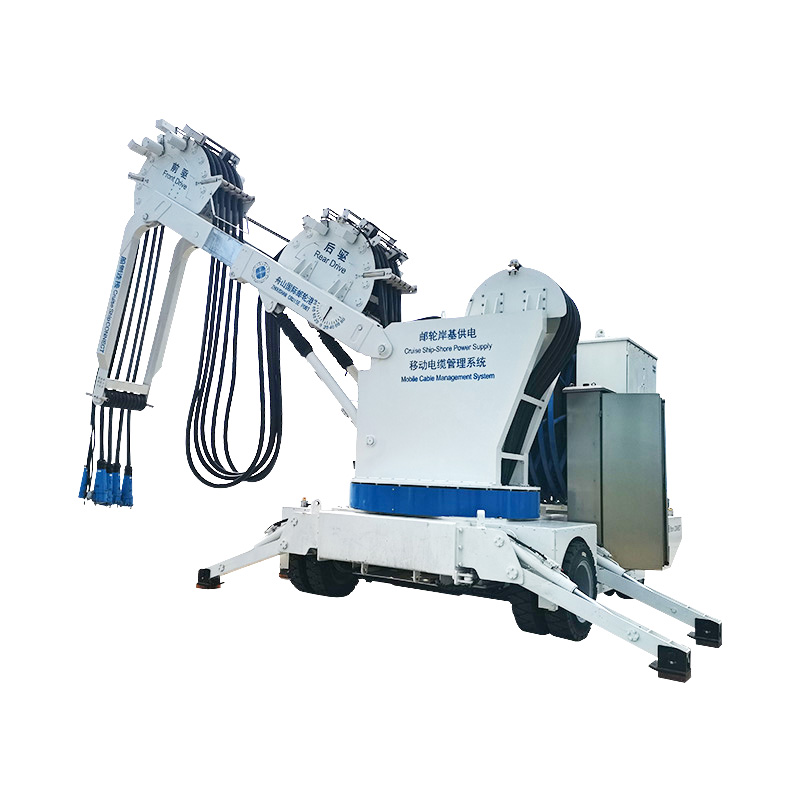
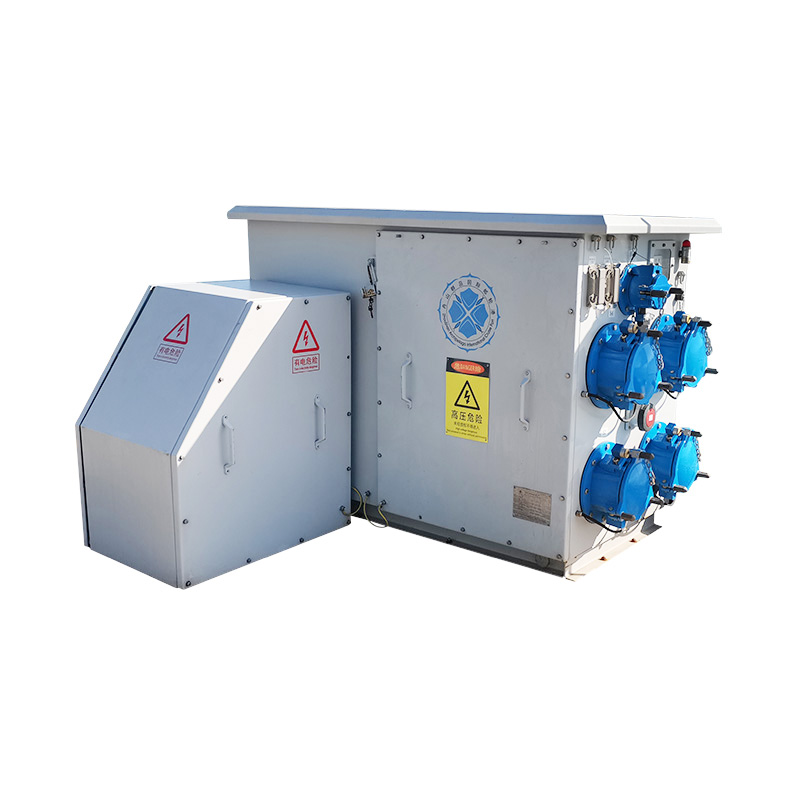
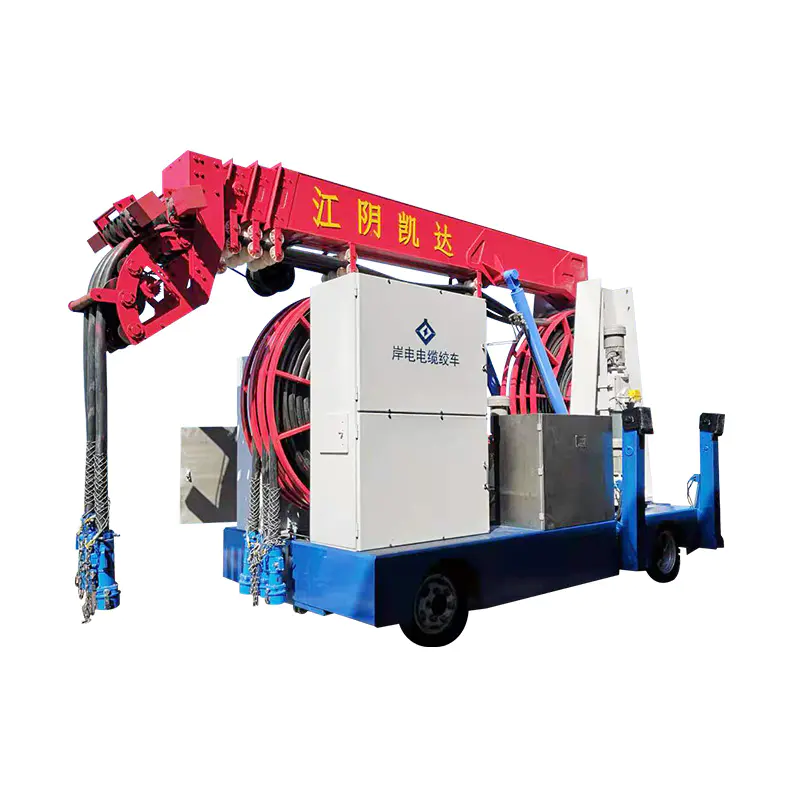
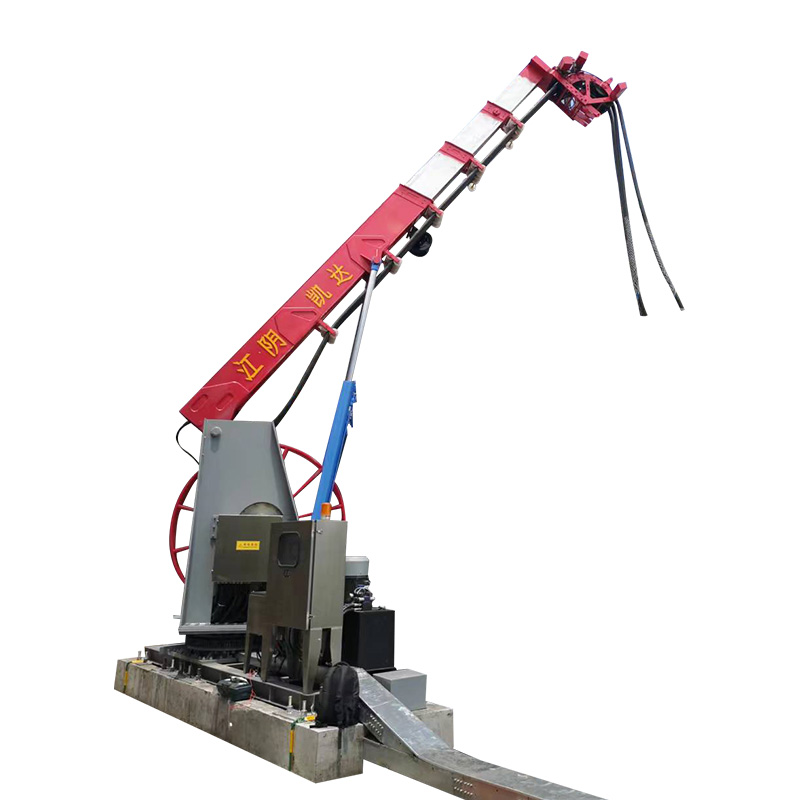
A shore power supply is the connection that lets a docked vessel run on land-based electricity instead of its own generators or engines. In practice it's a full system, not just a cable: a marina-side distribution panel and receptacle, a shore power cable rated for marine duty, and an onboard inlet that feeds the boat's electrical panel — often through an isolation or galvanic isolator to prevent stray current corrosion between the boat and other vessels sharing the same shore ground.
The core benefit is straightforward: shore power eliminates engine idling at the dock, cutting fuel consumption, noise, and exhaust emissions while still running HVAC, refrigeration, battery chargers, and onboard electronics around the clock.

Voltage, Current, and Connector Standards
Shore power systems are built around a handful of standardized configurations, and matching the boat's inlet to the marina's pedestal correctly is the first thing to verify before connecting:
Outside North America, most marinas supply 230V single-phase or 400V three-phase at 50Hz, which is why vessels that cruise internationally often carry a frequency/voltage converter rather than relying on the boat's standard 60Hz electrical system to run safely on a 50Hz dock supply.
Core Components of a Shore Power System
Shore Power Cable
A marine-rated cable with locking connectors at each end, jacketed to resist UV, abrasion, and saltwater spray. Cable gauge must match the connector's current rating to avoid voltage drop over dock-to-boat distances.
Inlet and Power Panel
The onboard receptacle and the main distribution panel it feeds, typically including a main breaker, branch breakers, and an ammeter or voltage display for monitoring incoming supply quality.
Galvanic Isolator
Blocks low-voltage DC stray current on the shore ground conductor while still allowing AC fault current to pass for safety, protecting underwater metals from accelerated galvanic corrosion.
Shore Power Monitor / ELCI
An Equipment Leakage Circuit Interrupter trips the supply if leakage current is detected, a critical safety layer given that fresh and brackish marina water conducts far more readily than open seawater.
Sizing a Shore Power Connection to Vessel Load
Undersizing a shore connection is the most common cause of nuisance breaker trips at the dock. A practical approach is to total the connected load — air conditioning compressors, battery chargers, water heater, galley appliances — and apply a diversity factor, since it's rare for every system to run at full draw simultaneously.
- List the running wattage of every major AC load expected to operate at the dock.
- Apply roughly 70–80% diversity for vessels with multiple AC zones, since compressors cycle rather than running continuously together.
- Divide total adjusted watts by supply voltage to get required amperage, then round up to the next standard connector rating (30A, 50A, 100A).
- Where margin is tight, a second shore cord on a split-phase 50A inlet effectively doubles available capacity without re-wiring the vessel.
Safety Practices for Shore Power Connections
- Always connect the cable to the boat inlet first, then energize at the dock pedestal — connecting a live cable end risks arcing across the locking pins.
- Inspect connector pins for pitting or discoloration before each use; a loose or corroded connection is a leading cause of dockside cable fires.
- Never submerge a shore power connection, even momentarily; use a dedicated cable cover or raise the connection point above expected tide and wake splash.
- Test ELCI/RCD protection periodically using the built-in test button, since a failed leakage detector gives no visible warning until a fault actually occurs.
- Confirm shore ground continuity before relying on isolation transformers or galvanic isolators — a missing ground defeats their protective function entirely.
Shore Power vs. Onboard Generator vs. Isolation Transformer
These three approaches solve overlapping but distinct problems:
- Shore power alone is the lowest-cost option for vessels that dock regularly at compatible marinas, but offers no protection against galvanic corrosion or voltage mismatches without added isolation equipment.
- Onboard generators remain necessary for anchoring or cruising away from shore infrastructure, and many vessels run both systems — generator at anchor, shore power at the dock.
- Isolation transformers go a step further than a galvanic isolator by fully electrically separating the boat's system from shore ground, which also solves voltage and frequency mismatches when traveling between regions with different grid standards.
FAQ
Can I use a household extension cord for shore power?
No. Marine shore power cables use sealed, locking connectors rated for outdoor and wet-location use; standard household cords lack the insulation rating, water sealing, and current capacity for continuous dockside use and present a serious shock and fire risk.
Why does my shore power keep tripping the dock breaker?
This is usually a sign the connected load exceeds the pedestal's rated amperage, or that a degraded connector is creating resistive heating that trips the breaker prematurely — both the vessel's load calculation and the physical connection should be checked.
Is a galvanic isolator the same as an isolation transformer?
No. A galvanic isolator only blocks low-level DC stray current while keeping the boat electrically connected to shore ground; an isolation transformer fully separates the two systems and also handles voltage/frequency conversion, making it the more comprehensive but more expensive solution.