

 русский
Content
- 1 What Defines a Marine Cable Pulling Winch
- 2 Marine-Grade Materials and Corrosion Protection Systems
- 3 Drive System Options for Marine Winches
- 4 Key Technical Specifications for Marine Cable Pulling Winches
- 5 Deck Mounting, Structural Integration, and Classification Society Requirements
- 6 Specific Applications: Subsea Cable-Lay, Umbilical Handling, and Mooring
- 7 Maintenance Requirements in Marine Service
What Defines a Marine Cable Pulling Winch
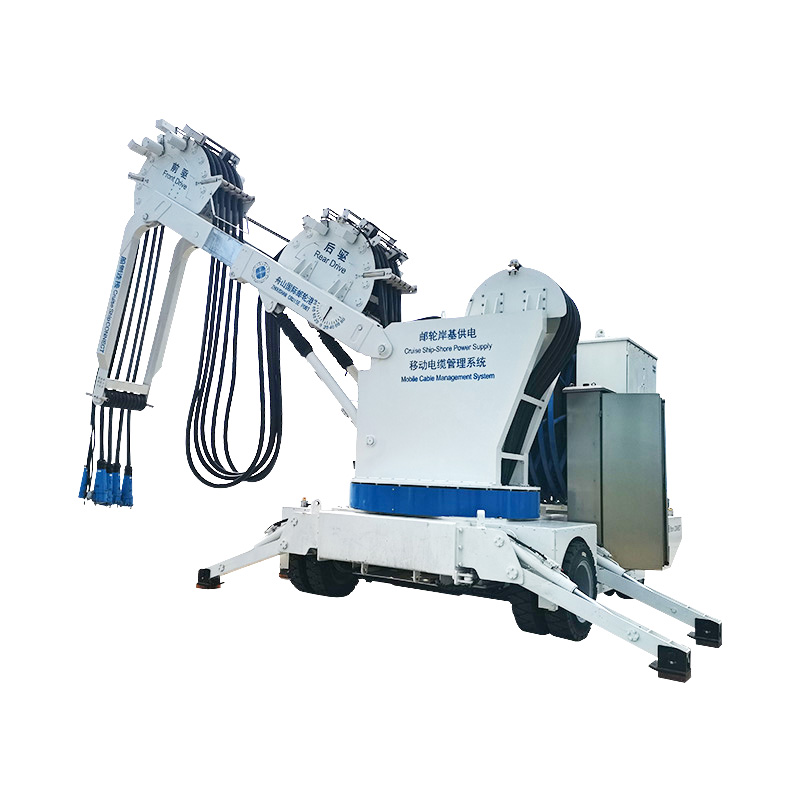
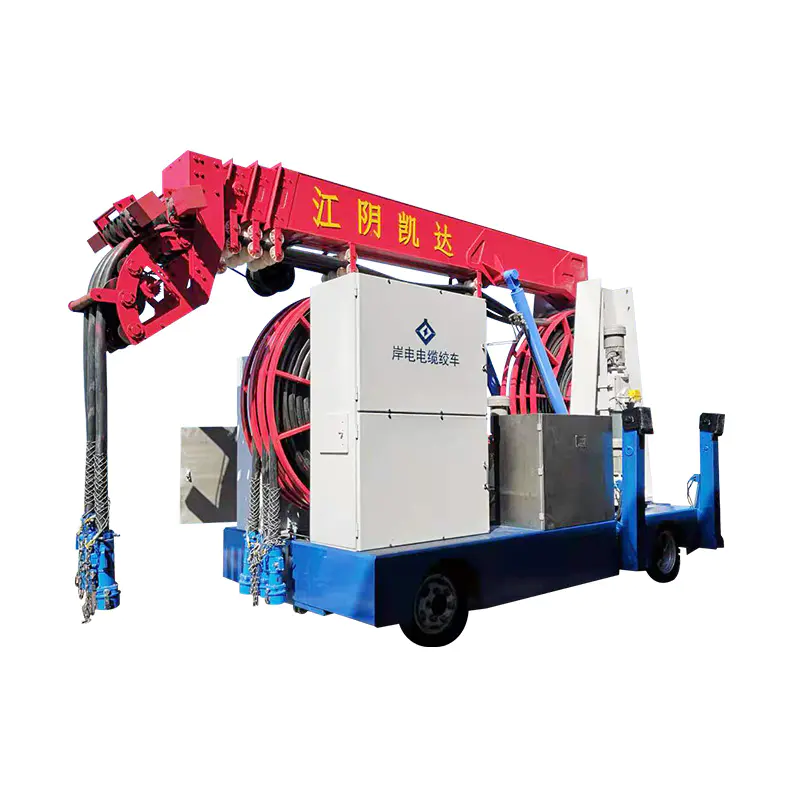
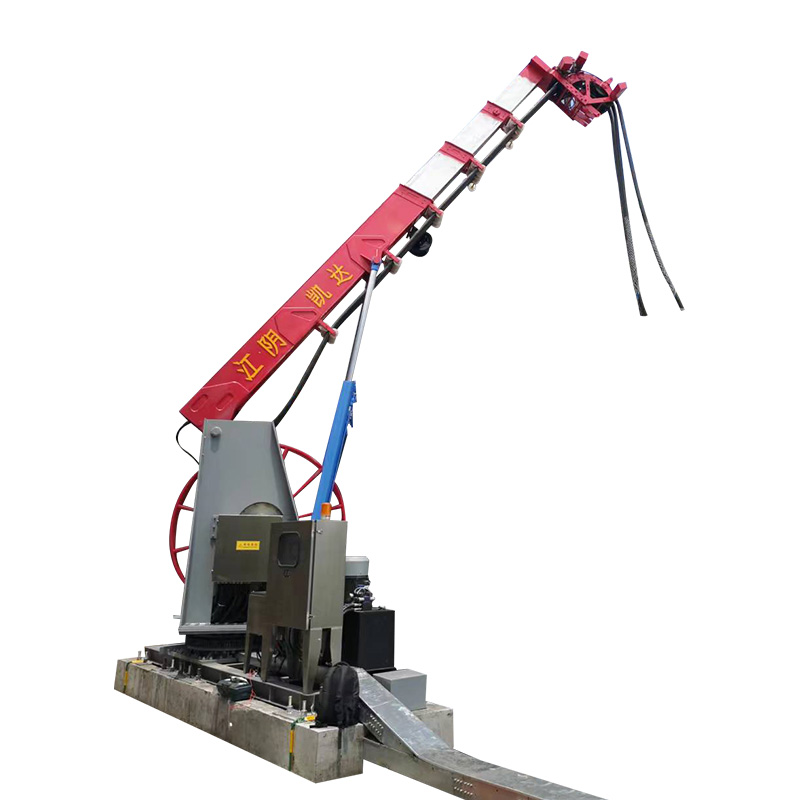
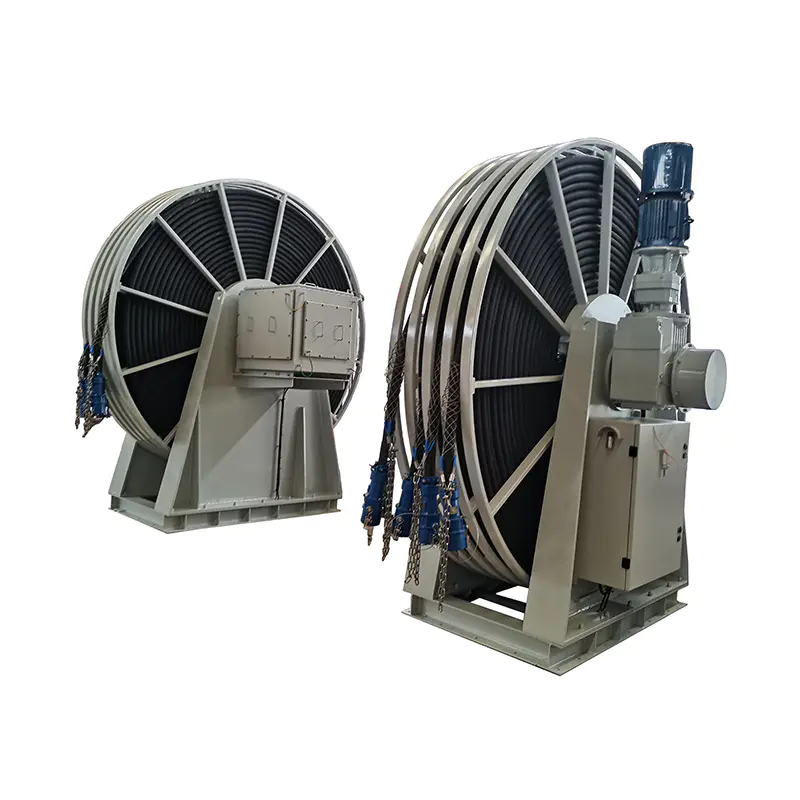
A marine cable pulling winch is a mechanized tensioning device engineered specifically for shipboard and offshore environments, where saltwater exposure, vessel motion, space constraints, and demanding duty cycles impose requirements that standard land-based cable pullers cannot reliably meet. The designation "marine" is not cosmetic — it reflects a fundamentally different engineering specification covering materials, sealing, structural design, power systems, and corrosion protection that distinguishes these units from general industrial winches.
On vessels and offshore platforms, cable pulling winches serve multiple distinct functions: laying and recovering subsea power and signal cables during installation operations, handling mooring lines and anchor cables during station-keeping, tensioning umbilical cables between surface vessels and ROVs or subsea installations, and managing deck operations such as towing and cargo handling where controlled cable tension is critical. Each application places different demands on pulling force, line speed, drum capacity, and control precision.
The operating environment is the defining challenge. Continuous salt spray, wave wash, humidity levels approaching 100%, temperature cycling from tropical to arctic conditions, and the corrosive effect of marine microorganisms collectively create a degradation environment that overwhelms standard industrial equipment within months. A properly specified marine cable pulling winch is designed for a service life measured in decades under these conditions.
Marine-Grade Materials and Corrosion Protection Systems
Material selection is the foundation of marine winch durability. The salt-laden atmosphere of an offshore environment attacks carbon steel rapidly — unprotected mild steel can develop significant corrosion in weeks of continuous saltwater exposure. Marine cable pulling winches address this through a combination of base material selection, surface treatment, and sealing:
Structural Materials
The primary structural frame, drum, and gearbox housing of marine winches are typically constructed from one of three material classes depending on duty severity and budget:
- Hot-dip galvanized carbon steel: The standard specification for most commercial marine winches operating in splash zones and weather decks. Galvanizing deposits a zinc layer of 85–140 µm that provides both barrier and sacrificial cathodic protection. Cost-effective and weldable for field repairs, though galvanizing quality must conform to ISO 1461 to ensure adequate coating thickness in recesses and threaded areas.
- 316L stainless steel: Used for hardware, fasteners, drum flanges, and exposed fittings where galvanic corrosion at the interface with other metals, or aesthetic requirements, makes zinc coatings unsuitable. Full 316L stainless construction is specified for some offshore and naval winches where maintenance access is limited and long-term corrosion protection without recoating is required.
- Duplex and super-duplex stainless steel: Used in highly corrosive subsea and splash-zone components on offshore platforms and cable-lay vessels where chloride stress corrosion cracking of standard austenitic grades is a documented risk. Higher material cost is justified by the combination of high strength, toughness, and superior chloride resistance relative to 316L.
- Bronze and gunmetal alloys: Used for bearings, bushings, and valve bodies in hydraulic systems exposed to seawater cooling. Dezincification-resistant (DZR) brass and naval brass are used for fittings in lower-criticality seawater circuits.
Coating Systems
Beyond base material selection, marine winches receive multi-layer protective coating systems engineered to survive the offshore environment. A typical system for an offshore deck winch consists of surface preparation to Sa 2.5 (near-white blast cleaning per ISO 8501-1), a zinc-rich epoxy primer of 60–80 µm DFT, an epoxy mid-coat of 80–100 µm, and a polyurethane or epoxy topcoat of 60–80 µm — giving a total dry film thickness (DFT) of 200–260 µm. This system provides a corrosion protection category of C5-M or Im2 per ISO 12944, appropriate for permanent offshore immersion and marine atmosphere zones.
Drive System Options for Marine Winches
Marine cable pulling winches are available with hydraulic, electric, and diesel-mechanical drive systems. The vessel's power architecture, the winch duty cycle, and the installation location determine the appropriate choice:
Hydraulic Drive
Hydraulic drive is the dominant configuration on offshore vessels, cable-lay ships, and platform supply vessels. A shipboard hydraulic power unit (HPU) — typically a diesel or electric-driven hydraulic pump station — supplies pressurized oil to hydraulic motors integrated into the winch gearbox. The advantages for marine applications are substantial: smooth, steplessly variable speed control from zero to maximum; inherent overload protection through relief valve pressure limiting; compact motor dimensions relative to the torque produced; and the ability to sustain full rated torque at zero speed for static holding without thermal stress on the motor windings.
Hydraulic systems tolerate the shock loads and dynamic tension variations that occur during cable operations in sea states where wave action causes periodic snatch loading. The hydraulic fluid acts as a compliant medium that absorbs transient force spikes that would trip overcurrent protection on rigid electric drives. Operating pressures for marine winch hydraulic systems are typically 200–350 bar, with dual-circuit designs providing redundancy for safety-critical applications.
Electric Drive
Electrically driven marine winches — powered by AC motors with variable frequency drives (VFDs) or DC motors with thyristor controls — are preferred on vessels where hydraulic contamination risk is unacceptable (research vessels, luxury yachts, environmentally sensitive operations) and where precise speed and tension control is paramount. Modern VFD-controlled AC drives offer smooth torque control across the full speed range, regenerative braking capability that feeds energy back to the vessel's electrical bus during cable recovery, and remote monitoring integration through digital fieldbus protocols (Profibus, CANbus, Modbus).
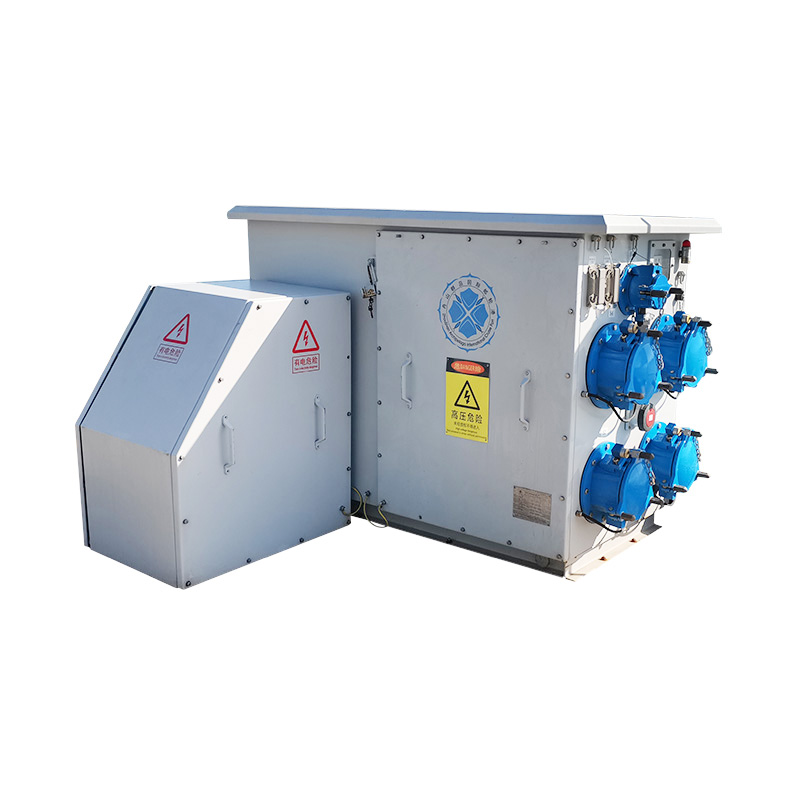
IP ratings for marine electric winch motors and control panels are critical. Motors installed on open weather decks require a minimum of IP56 (protected against powerful water jets from any direction); subsea or wash-down zone equipment requires IP67 or IP68. Junction boxes and control enclosures should meet ATEX or IECEx certification requirements if installed in potentially explosive atmospheres, such as near fuel tank vents or in cable-lay operations involving gas-charged subsea cables.
Diesel-Mechanical Drive
Self-contained diesel-driven winches provide complete independence from shipboard power systems and are used on small vessels without dedicated hydraulic circuits, emergency response vessels where power system reliability cannot be assumed, and portable cable pulling equipment for temporary marine operations. The tradeoff is limited speed control precision compared to hydraulic or VFD electric drives, higher maintenance requirements, and noise and exhaust emissions that restrict indoor or confined-space use.
Key Technical Specifications for Marine Cable Pulling Winches
Specifying a marine cable pulling winch requires evaluating a set of parameters that differ in emphasis from land-based equivalents:
| Parameter | Typical Range | Notes |
|---|---|---|
| Rated line pull (first layer) | 5 kN – 5,000 kN | Always specified at first rope layer; force reduces as drum fills |
| Drum rope capacity | 50 m – 10,000 m+ | Critical for subsea and long-haul cable operations |
| Line speed | 0 – 60 m/min | Variable speed essential; lower speeds for cable-lay operations |
| Holding brake capacity | 150% – 200% of rated pull | Spring-applied fail-safe brake standard for marine use |
| Drum wire/rope diameter | 8 mm – 120 mm | Matched to cable or wire rope OD and bend radius requirements |
| Operating temperature | −40°C to +55°C | Arctic-rated seals and lubricants for polar operations |
Rated line pull is always specified at the first layer of rope on the drum. As rope layers accumulate, the effective drum radius increases and the pulling force decreases proportionally — a winch rated at 100 kN on the first layer may deliver only 65–70 kN on the fourth layer. For operations where full rated tension must be available throughout the pull, the drum must be sized so the maximum required rope length fits within the first two layers, or the winch must be uprated accordingly.
Deck Mounting, Structural Integration, and Classification Society Requirements
Marine cable pulling winches are structural components of the vessel's deck system, not simply bolted-on equipment. Their mounting must withstand not only the static reaction forces from the rated pulling load, but also dynamic loads from vessel motion — acceleration forces in pitch, roll, and heave that can multiply the effective load on deck fittings by a factor of 1.5–3.0 in severe sea states.
Classification societies — DNV, Lloyd's Register, Bureau Veritas, ABS, and others — publish rules for winch and deck machinery installation that are enforced as conditions of vessel class certification. These rules govern foundation design loads, welding specification and inspection, material certification for structural components, brake performance testing, and overload protection requirements. Type approval from the relevant classification society is typically required for winches installed on classed vessels, confirming that the winch design meets the applicable rules in its rated configuration.
Foundation design is the structural engineer's responsibility but must be coordinated with the winch manufacturer's load data. Critical inputs include: rated bollard pull at the fairlead, direction of load application, dynamic amplification factor for the vessel's motion characteristics, and the winch's self-weight and center of gravity for inertial load calculations. Foundations for large offshore winches — cable tensioners on cable-lay vessels, for example — can weigh several tonnes and require web frame reinforcement extending multiple frames below the deck plating.
Specific Applications: Subsea Cable-Lay, Umbilical Handling, and Mooring
Marine cable pulling winches serve distinct roles across different offshore and marine disciplines, and the specification differs meaningfully between applications:
Subsea Power Cable Installation
Cable-lay vessels installing offshore wind farm export cables and inter-array cables use tensioner systems — essentially large bullwheel pullers with multiple driven sheave pairs — to control cable tension and laying speed simultaneously. The cable passes through the tensioner under a controlled gripping force that prevents free-spooling while allowing controlled payout at the vessel's transit speed. Tension control accuracy of ±2–5 kN is typical, maintaining the cable's catenary shape on the seabed within design parameters. Separate storage reels or turntables carry the cable coil, often holding several thousand tonnes of cable for long offshore export runs.
ROV and Umbilical Winches
ROV support vessels carry dedicated umbilical winches that manage the combined power, fiber optic, and hydraulic umbilical connecting the surface vessel to the remotely operated vehicle during subsea operations. These winches require constant tension control — maintaining a defined tension in the umbilical regardless of vessel heave — to prevent the umbilical from alternately going slack and snapping tight as the vessel rises and falls in swell. Active heave compensation (AHC) systems, either hydraulic or electric, sense vessel motion and drive the winch drum to pay out and recover umbilical in real time, effectively decoupling the subsea vehicle from the vessel's motion.
Anchor Handling and Mooring Cable Operations
Anchor handling vessels use high-capacity winches to deploy and recover anchor chains and wire rope moorings for floating production platforms, drill ships, and semi-submersibles. These winches operate at pulling forces of 500 kN to over 5,000 kN and must handle chain, wire rope, and polyester rope either separately or in combination via split drums or traction winch configurations. The operational profile involves sustained high-tension pulling for anchor deployment followed by rapid line recovery — a duty cycle that places heavy demands on the hydraulic system's heat rejection capacity and the drum brake's thermal endurance.
Maintenance Requirements in Marine Service
The marine environment accelerates degradation mechanisms that onshore equipment rarely encounters, making preventive maintenance discipline more consequential for winch reliability and service life:
- Coating inspection and touch-up: Mechanical damage to protective coatings — from wire rope chafing, tool impact, and abrasion during deck operations — must be repaired promptly before corrosion propagates under the coating edge. Annual coating inspection with DFT measurement identifies areas approaching end-of-life before substrate corrosion begins.
- Seal inspection and replacement: Shaft seals, gearbox breathers, and hydraulic fitting seals degrade in UV exposure and salt atmosphere at rates faster than in industrial environments. Planned replacement at manufacturer-specified intervals — typically 2–3 years for exposed elastomer seals — prevents ingress failures that can destroy bearings and gearbox internals.
- Lubrication: Marine winch gearboxes use synthetic gear oils with rust inhibitor additives formulated for wet environments. Oil analysis at annual intervals detects water ingress, metal particle contamination from gear wear, and additive depletion — each indicating different maintenance actions. Exposed bearings and slew rings require marine-grade grease with NLGI 2 rating and high water washout resistance.
- Brake inspection: Disc brake pads and drum brake linings must be inspected for wear and contamination. Oil or grease on brake surfaces reduces holding capacity drastically and must be investigated for the source rather than simply cleaned. Brake spring pre-load and hydraulic release pressure should be verified against the manufacturer's specification during annual inspection.
- Wire rope and cable condition: Pulling ropes and handling cables should be inspected per ISO 4309 criteria — broken wire counts per lay length, corrosion, kinking, and reduction in diameter indicating core degradation. Retirement criteria for marine wire ropes are typically more conservative than for land applications due to the consequence of failure in an offshore environment.