

 русский
Content
What Marine Shore Power Socket Boxes Are For
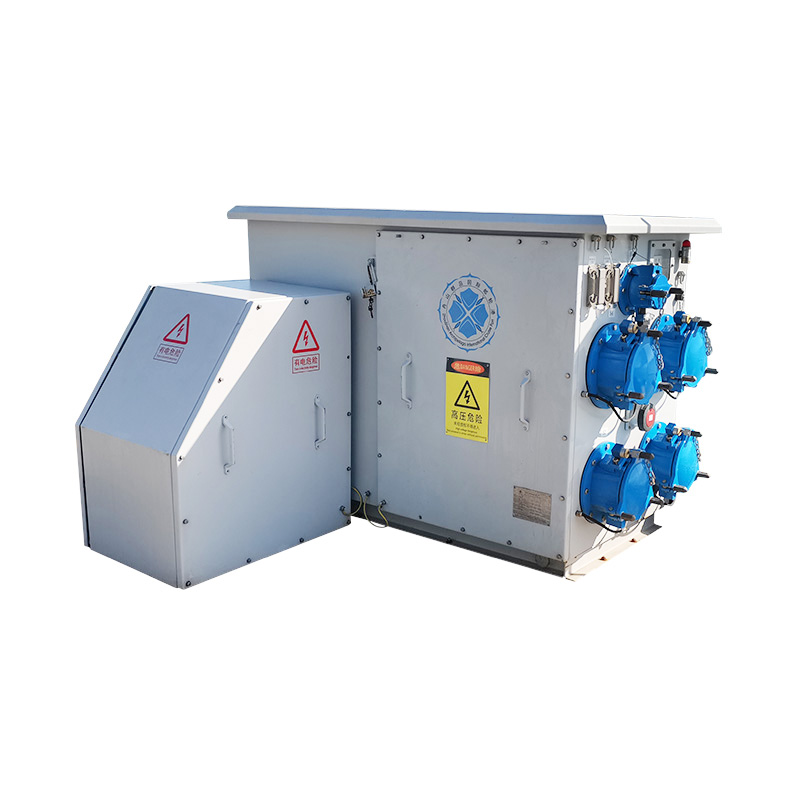
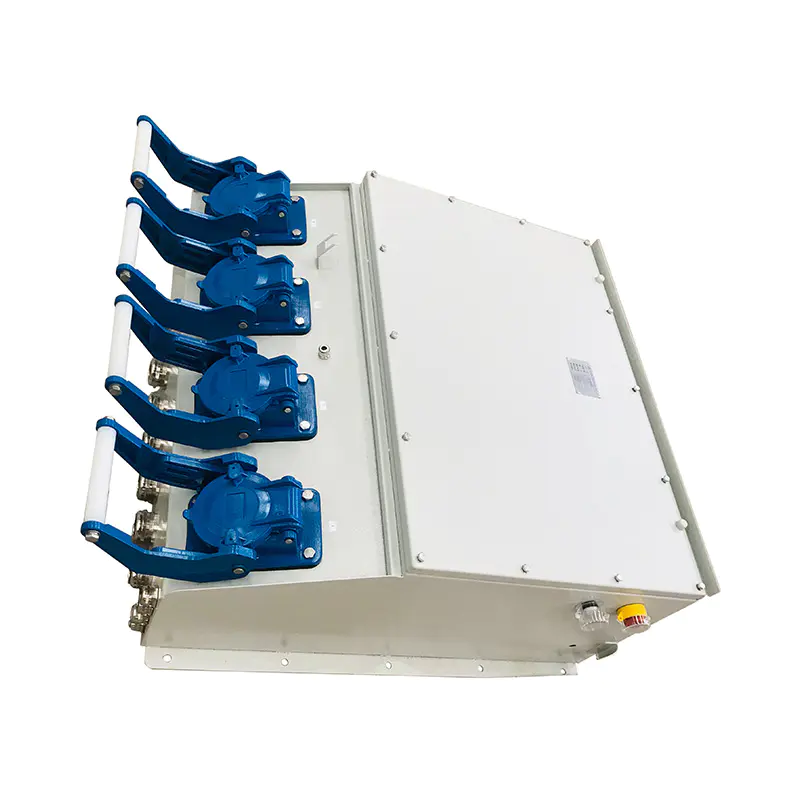
Marine shore power socket boxes house the connection point where a vessel's onboard electrical system links to dockside power, allowing boats to run AC systems, charge batteries, and operate onboard equipment without relying on a generator while berthed. The enclosure itself is as functionally important as the socket it contains, since it protects live electrical connections from saltwater spray, rain, and the constant vibration and impact exposure typical of a marina environment.
These boxes are installed both dockside, where they distribute power to individual berths, and on the vessel itself as the inlet point for the shore power cable, and the specification requirements differ meaningfully between the two positions.
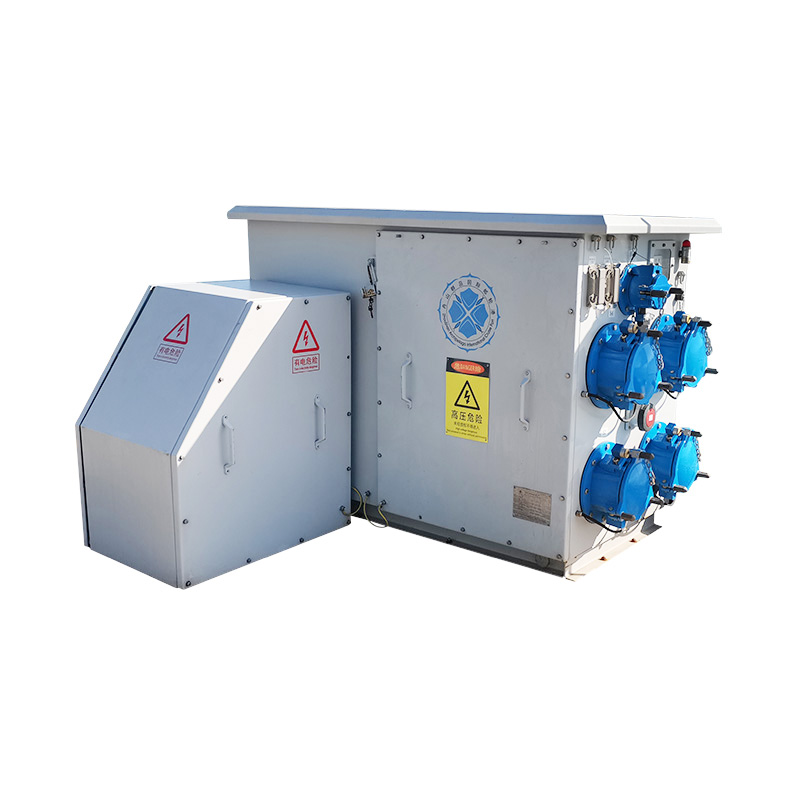
Enclosure Materials and IP Ratings
Ingress protection rating is the specification that determines whether a socket box will actually survive its intended environment, and it should never be treated as a secondary detail behind socket amperage. Dockside boxes exposed to direct weather and wave spray require a minimum of IP65, while boxes in more sheltered positions can sometimes use IP54, though marine installers increasingly standardize on IP65 or higher across the board to avoid mismatches during later relocation or expansion.
| Enclosure Material | Corrosion Resistance | Typical Use |
|---|---|---|
| Glass-reinforced polyester (GRP) | Excellent, no metal corrosion risk | Standard dockside pedestal and wall-mount boxes |
| 316 stainless steel | Very good, resists chloride pitting | High-end marinas, superyacht berths |
| UV-stabilized ABS/polycarbonate | Good, lower cost option | Freshwater marinas, budget-sensitive installations |
Socket Configurations and Amperage
Socket amperage needs to match both the vessel's onboard load and the marina's regional power standard, and this is where cross-border sourcing most often goes wrong. North American marinas commonly use 30A and 50A twist-lock connectors, while European and many Asia-Pacific marinas standardize around 16A and 32A CEE (commando-style) sockets — a European-spec box installed at a marina expecting NEMA connectors will simply not be compatible without an adapter.
- 16A single-phase — suits smaller sailboats and vessels with minimal onboard AC load
- 32A single-phase — the most common mid-size marina standard for cruisers with air conditioning or multiple AC circuits
- 63A and above, often three-phase — reserved for larger yachts with substantial HVAC and hotel-load electrical demand
Multi-socket boxes combining two or three amperage options in one enclosure are increasingly common at marinas serving mixed vessel sizes, reducing the number of separate pedestals needed per berth.
Safety Features That Matter in Marine Installations
Marine electrical connections carry a specific risk not present in typical outdoor power distribution: stray current corrosion, where leakage current flows through the water and accelerates galvanic corrosion of underwater metal fittings on nearby vessels. Because of this, marina shore power installations should include residual current (ground fault) protection at the box level, not just at the marina's main distribution panel, along with weatherproof locking covers that keep the socket sealed when not in use.
| Safety Feature | Function |
|---|---|
| Residual current device (RCD/GFCI) | Cuts power on ground fault, reducing shock and stray current risk |
| Spring-loaded weatherproof cover | Keeps socket sealed against spray when not connected |
| Locking connector mechanism | Prevents accidental disconnection from vibration or wave action |
| Interlocking switch | De-energizes the socket before the plug can be removed under load |
Mounting and Installation Considerations
Pedestal-mounted boxes are standard for finger docks and floating marinas, positioned to keep sockets above expected wave and wake splash height regardless of tidal range. Wall-mounted boxes suit fixed seawalls and bulkhead-style berths, where mounting height above the water line should account for both normal tidal variation and storm surge conditions specific to the site.
Cable entry points on the underside or rear of the enclosure, sealed with proper cable glands rather than simple grommets, prevent water from tracking into the box along the power cable itself — a failure point that's easy to overlook during installation but accounts for a disproportionate share of field corrosion issues.
Sourcing and Specification Checklist
Buyers sourcing marine shore power socket boxes for marina projects should confirm the destination region's electrical connector standard before finalizing an order, since retrofitting mismatched sockets after installation is far costlier than specifying correctly upfront.
- Confirm connector type and amperage match the destination region's marina standard (NEMA, CEE, or other regional format)
- Verify IP rating is appropriate to the installation's actual spray and weather exposure, not just the minimum code requirement
- Request RCD/GFCI protection integrated at the box level for marina safety compliance
- Confirm enclosure material corrosion resistance is suited to saltwater versus freshwater installation environments
- Request certification test reports (such as IP rating and dielectric strength testing) for large or safety-critical marina orders