

 русский
Content
- 1 The Direct Answer: Shore Power Is an Electrical Connection That Lets Ships Turn Off Their Engines in Port
- 2 How the Electrical Handshake Between Ship and Shore Actually Works
- 3 High-Voltage vs. Low-Voltage Shore Connections: The Decision Tree for Ports and Vessels
- 4 Quantified Environmental and Operational Gains From Cold Ironing
- 5 What Slows Shore Power Deployment — and Which Ports Are Leading
- 6 Practical Steps for Ports and Fleet Operators Considering Shore Power
The Direct Answer: Shore Power Is an Electrical Connection That Lets Ships Turn Off Their Engines in Port
Shore power supply — also called cold ironing, alternative maritime power, or high-voltage shore connection — is the system that allows a vessel at berth to plug into the local electrical grid and shut down its auxiliary diesel generators. The immediate effect is the elimination of visible exhaust plumes at the dock, but the measured consequences run far deeper: a single cruise ship at berth can emit sulfur oxides and nitrogen oxides equivalent to 10,000 to 30,000 idling cars per day, according to a 2022 International Maritime Organization emissions inventory. Shore power cuts those at-berth emissions by 98% for SOx and over 90% for NOx and particulate matter when the grid electricity is sourced from a relatively clean generation mix. This makes it the single most effective technology for reducing port-side air pollution without requiring any modification to the ship’s propulsion system.
How the Electrical Handshake Between Ship and Shore Actually Works
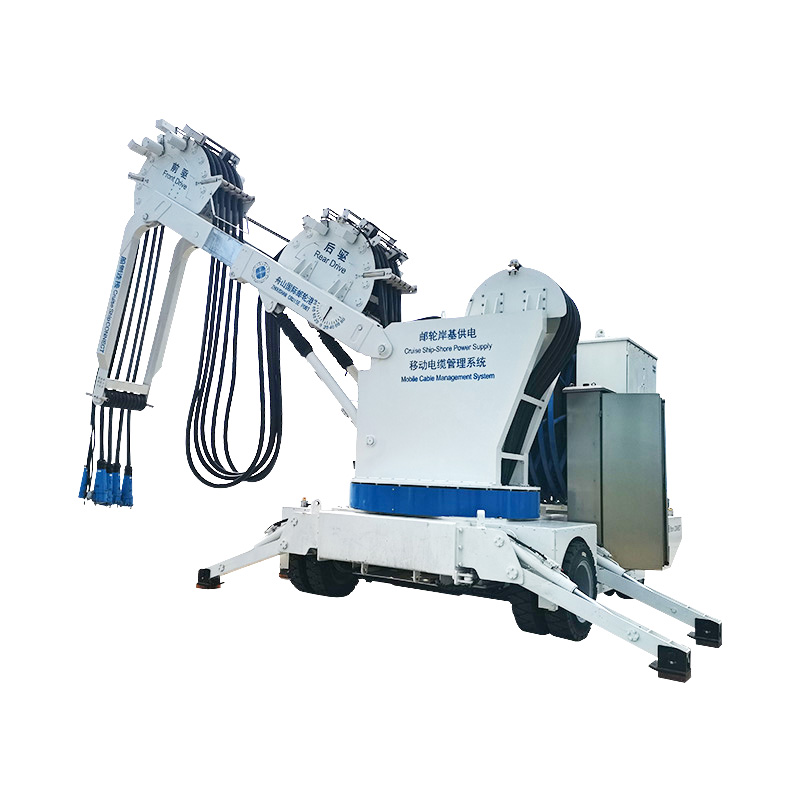
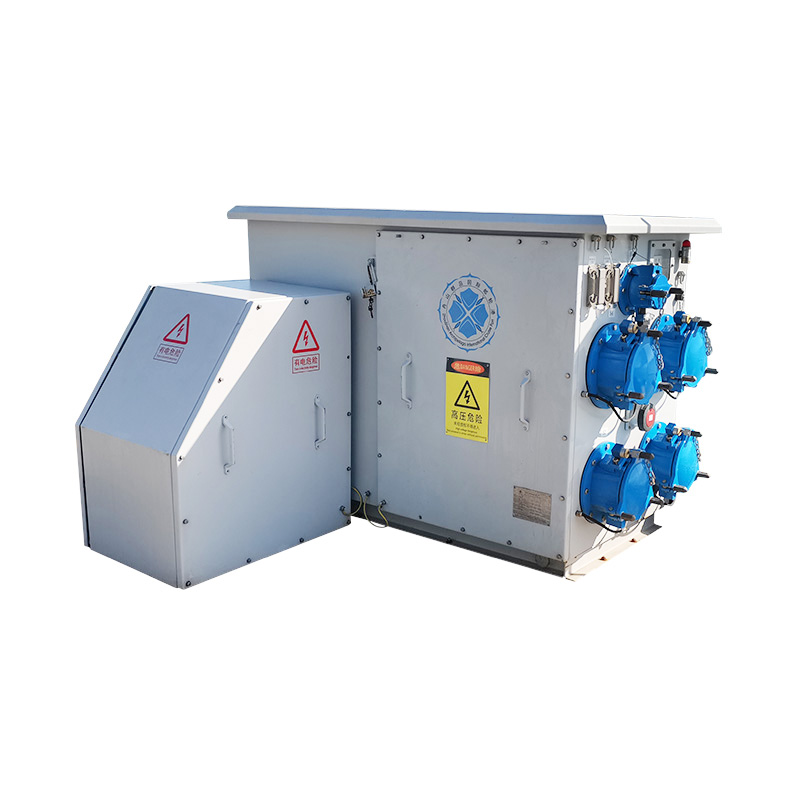
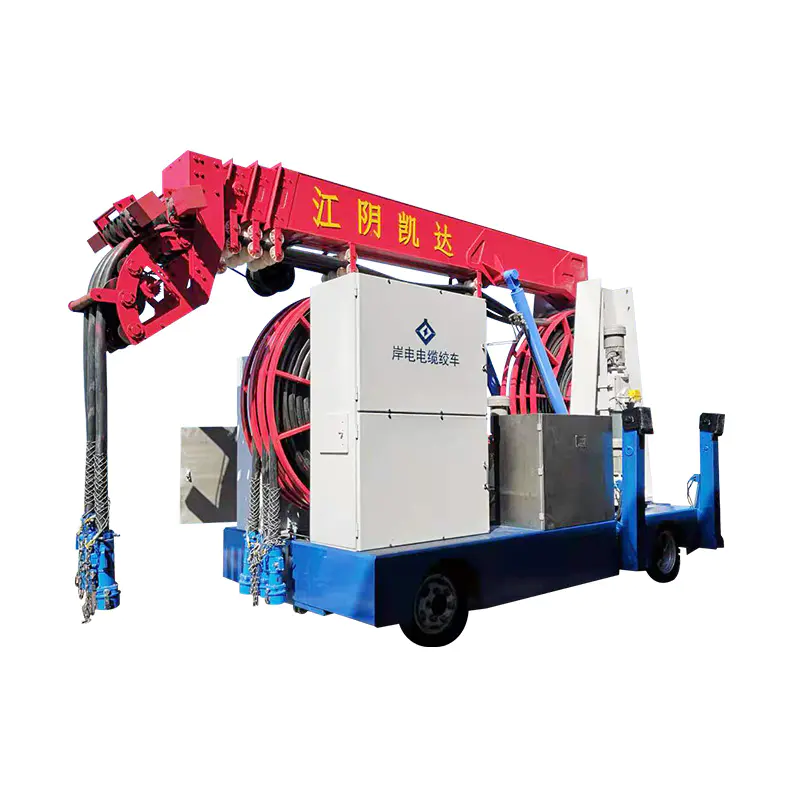
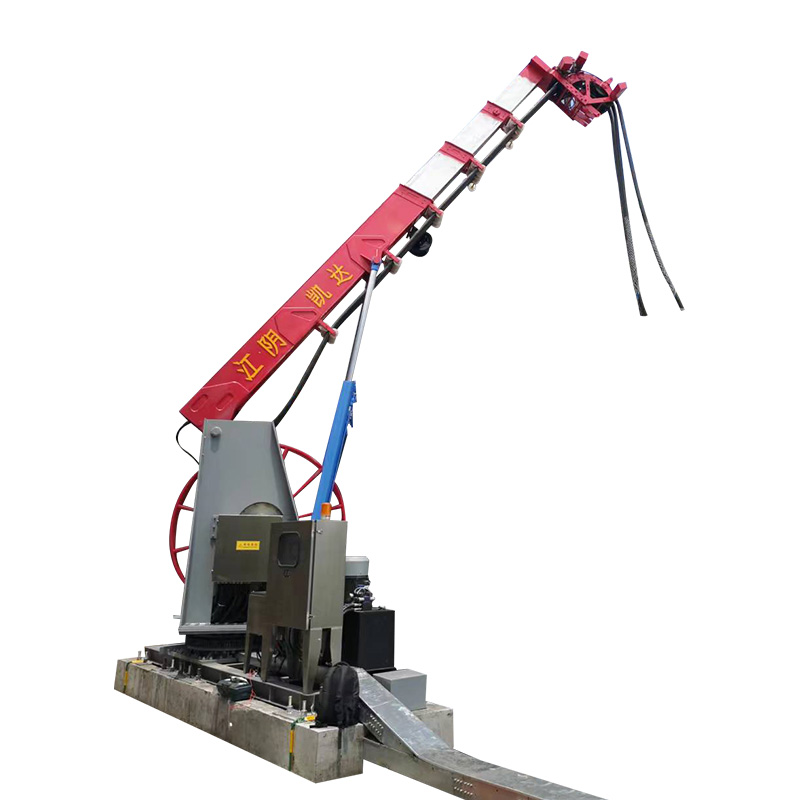
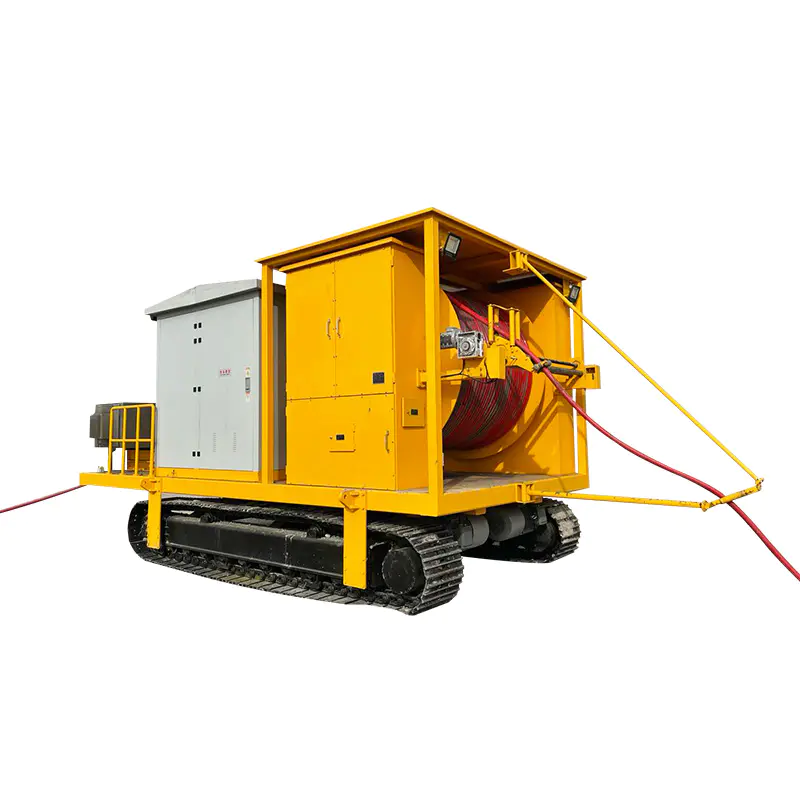
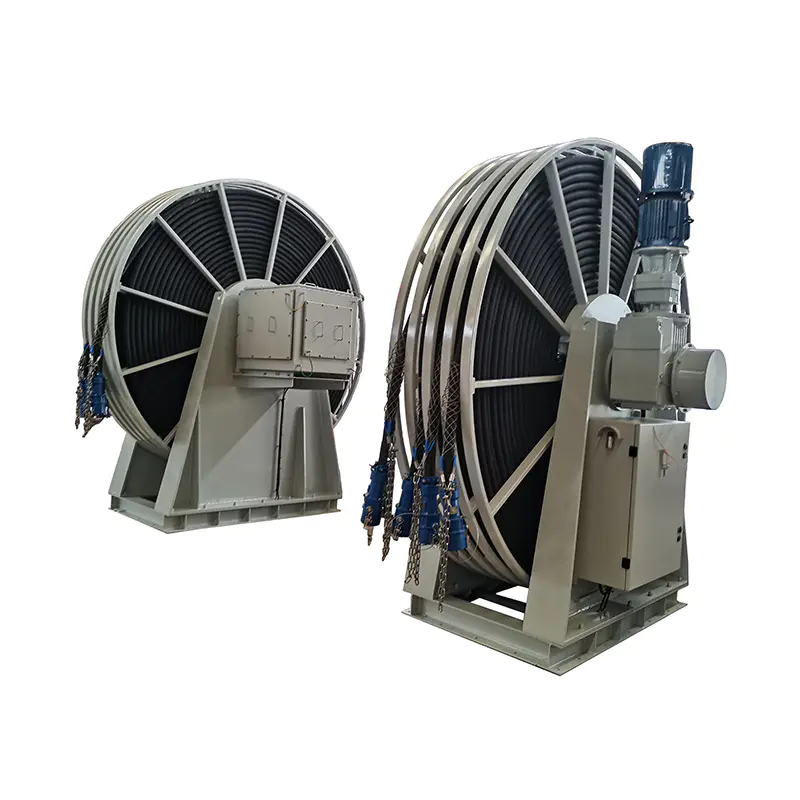
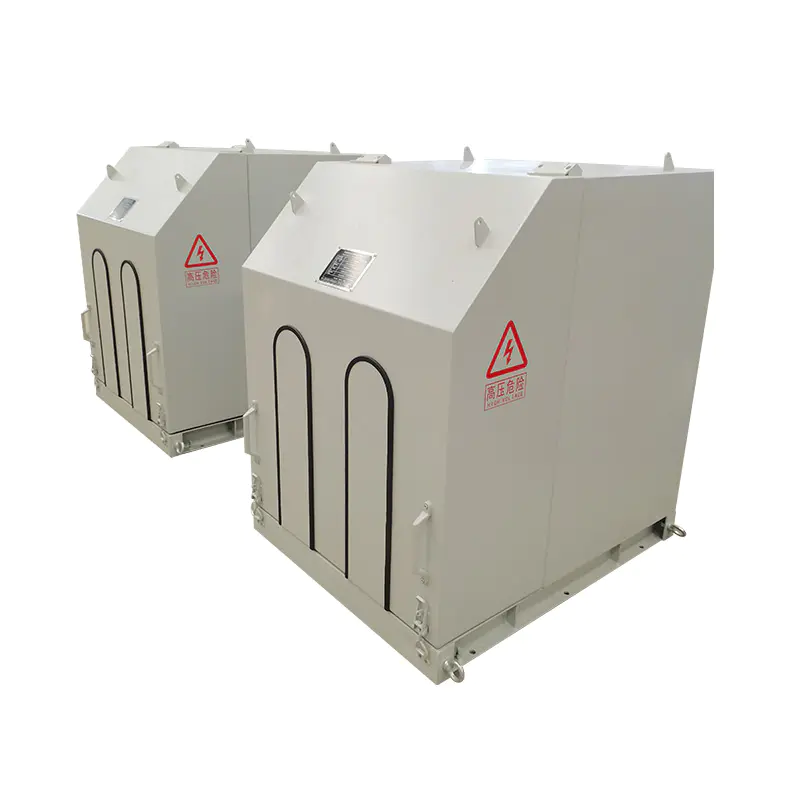
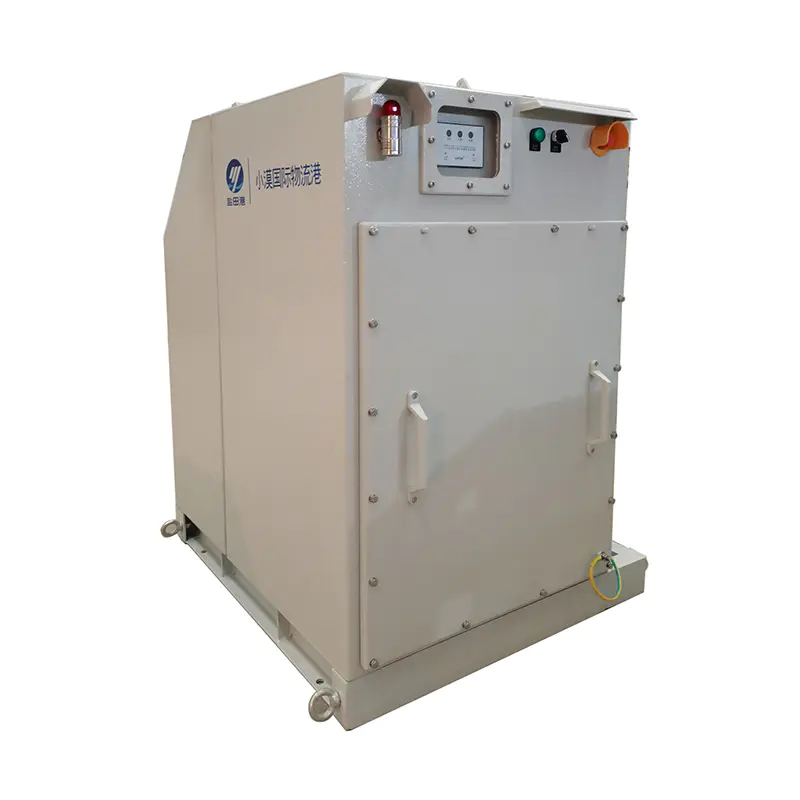
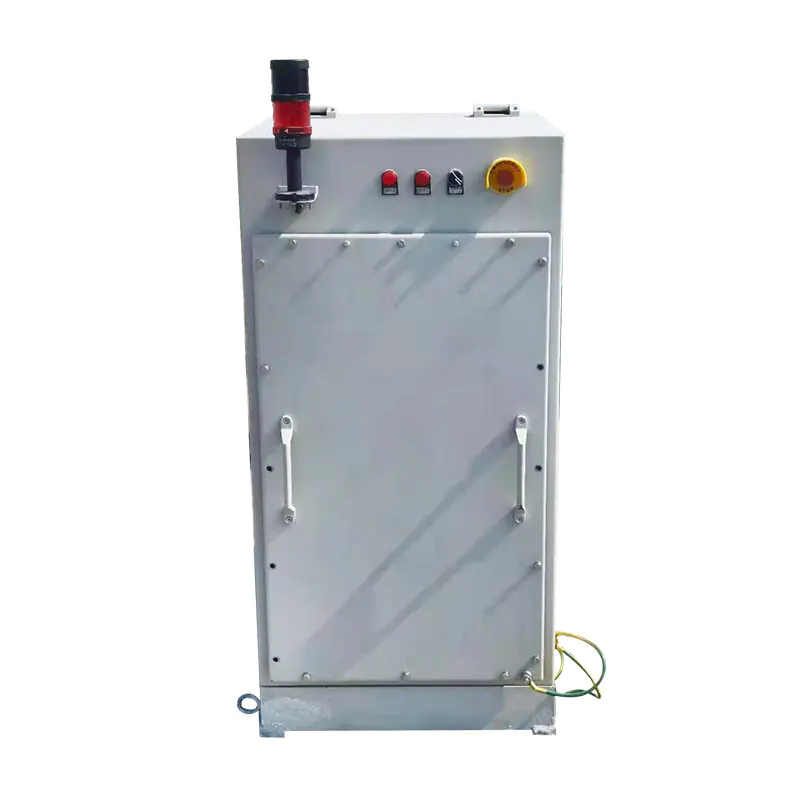
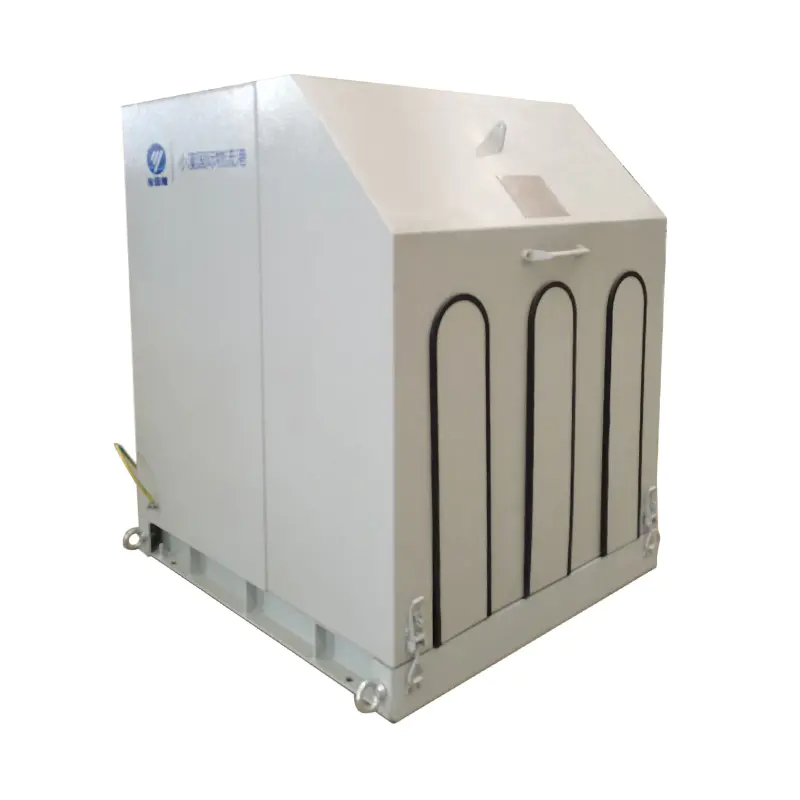
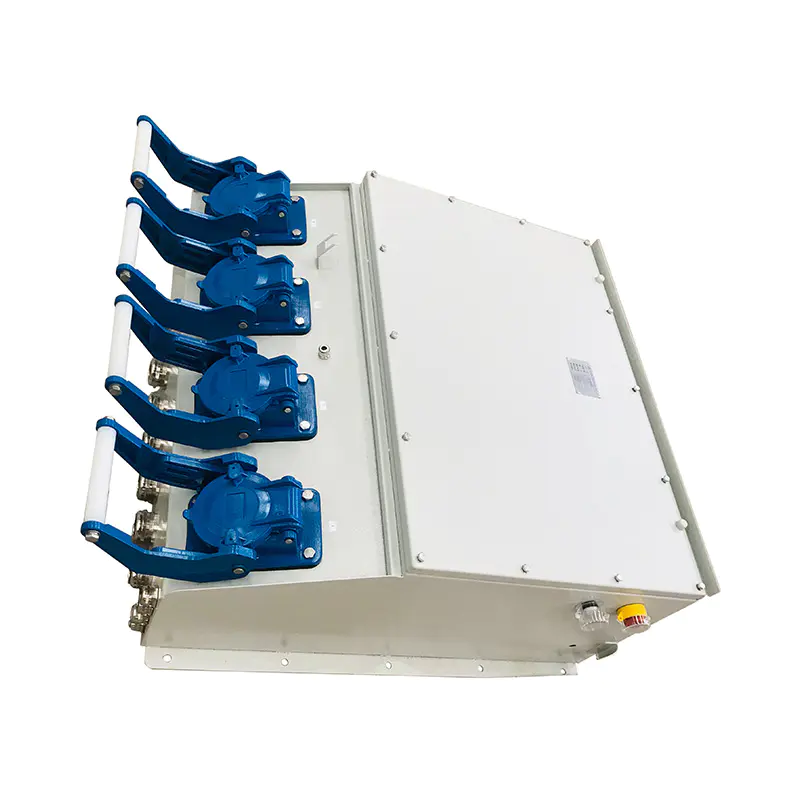
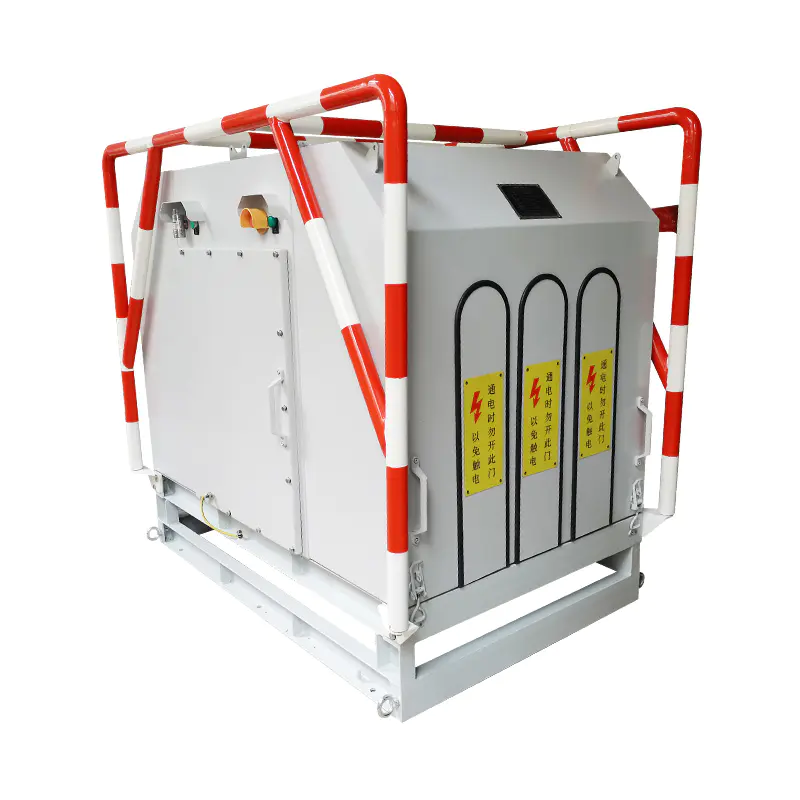
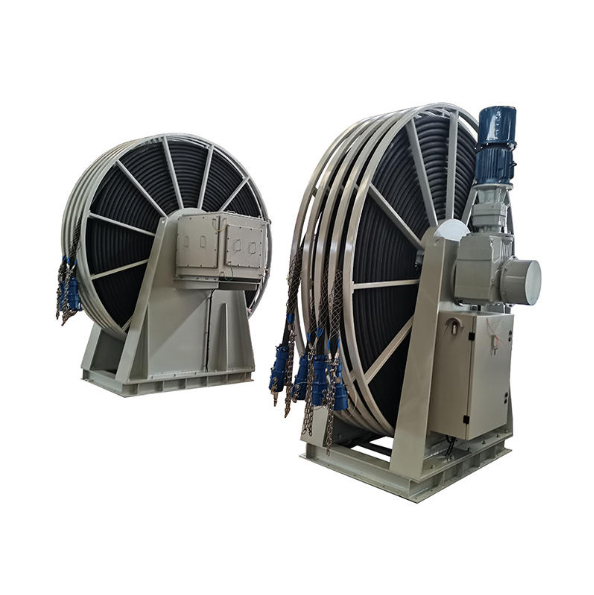
A functioning shore power installation consists of two distinct subsystems — the shore-side infrastructure and the ship-side receiving equipment — that must synchronize voltage, frequency, and phase sequence before any current flows. The shore side includes a transformer substation that steps down the grid voltage to the required level, a cable management system (often a motorized reel or boom), and a shore connection box with standardized sockets conforming to IEC 62613. The ship side has a dedicated shore power panel, a shore connection circuit breaker, and in most modern installations, a shore-to-ship power management system that performs automatic synchronization checks. A 2023 survey of 78 container and cruise terminals by the International Association of Ports and Harbors found that facilities using fully automated synchronization reduced connection time from an average of 45 minutes to under 8 minutes, a critical operational gain that directly influences a port’s willingness to invest.
The key technical parameters that must match are defined in the IEC/ISO/IEEE 80005 series. For high-voltage connections — the standard for deep-sea vessels — the norm is 6.6 kV or 11 kV at 50 or 60 Hz, with a shore-side supply capacity frequently reaching 5 to 16 megavolt-amperes (MVA) per berth for large cruise ships. This is not a trivial load; it is comparable to the peak demand of a mid-sized hospital, which is why a dedicated substation and often a frequency converter station are required if the grid frequency differs from the ship’s nominal frequency.
High-Voltage vs. Low-Voltage Shore Connections: The Decision Tree for Ports and Vessels
Shore power is not a one-size-fits-all solution. The choice between high-voltage and low-voltage systems is dictated by the ship type and its auxiliary power demand. The table below separates the two categories on practical operational metrics.
| System Type | Voltage & Power Range | Typical Vessel | Key Infrastructure Demand |
|---|---|---|---|
| High-voltage (HVSC) | 6.6 kV / 11 kV; 1–16 MVA | Cruise ships, container ships, RoPax ferries | On-shore substation, frequency converter, large cable reel |
| Low-voltage | 400–690 V; typically <250 kVA | Tugboats, small fishing vessels, inland barges, recreational craft | Standard industrial plugs (IEC 60309); simple breaker panel |
For a container terminal handling vessels with 8–12 MW auxiliary loads, only a high-voltage connection is practical — the current required at low voltage would necessitate cables of an unmanageable diameter. The European Union’s FuelEU Maritime regulation, effective from 2025, mandates that container and passenger ships above 5,000 gross tonnage must connect to shore power at major EU ports by 2030, effectively making HVSC the default standard for new installations. An analysis by DNV in 2024 calculated that a standardized HVSC installation at a medium-sized container berth pays back its capital cost in 5–8 years through electricity sales to vessels, before any government subsidy is applied.
Quantified Environmental and Operational Gains From Cold Ironing
The numbers that matter to both regulators and port operators are the measurable reductions achieved when a vessel switches to shore power. The Port of Los Angeles, which operates one of the oldest mandatory shore power programs in the United States, has published long-term data showing that between 2006 and 2022, shore power usage eliminated an estimated 1,200 tons of NOx, 40 tons of diesel PM, and 45,000 metric tons of CO2 that would have been emitted from auxiliary engines at berth. At a per-call level, a Panamax container ship drawing 2 MW of shore power for an average 24-hour call avoids burning approximately 4.5 metric tons of heavy fuel oil, which translates directly into avoided fuel costs and reduced engine maintenance hours.
Beyond air quality, noise reduction is a powerful secondary benefit. Measurements taken 50 meters from a berthed cruise ship in Vancouver recorded an average sound pressure level of 72 dB(A) with auxiliary generators running, dropping to 48 dB(A) on shore power — a reduction that moves the noise level from "annoying" to "quiet residential" on standard acoustic scales, and one that neighboring communities consistently cite as a noticeable quality-of-life improvement. Vibration transmitted through the hull into crew accommodations drops by a similar margin, which is why many vessel operators report improved rest periods for crew on long port calls.
What Slows Shore Power Deployment — and Which Ports Are Leading
Despite the unambiguous environmental benefits, global adoption of shore power is uneven. The primary barrier is the mismatch between the port's investment timeline and the ship's retrofit cost. A single HVSC-capable berth requires a capital outlay of $3 million to $10 million depending on grid capacity and cable handling equipment, while retrofitting an existing container ship with a shore power receiving system and transformer costs the ship owner an estimated $500,000 to $1.5 million. The chicken-and-egg problem is self-evident: ports hesitate to build infrastructure without enough equipped vessels, and shipowners delay retrofits without guaranteed berth connections.
Regulatory mandates are breaking this deadlock. The EU's Fit for 55 package requires all major EU ports to install shore power by 2030, and California has enforced at-berth emission reductions since 2014 under the Ocean-Going Vessels At-Berth Regulation. China's Ministry of Transport reported that by the end of 2023, over 70% of container and cruise berths in key emission control areas had shore power capability installed, although actual usage rates remain lower due to technical compatibility issues. The most significant recent development is the growing consensus around standardized payment and connection protocols: the IEC 80005-1 standard for high-voltage connections is now referenced by most major classification societies, and ships built after 2024 under Lloyd's Register or DNV class are increasingly delivered "shore power ready" as a base specification rather than an optional extra.
Practical Steps for Ports and Fleet Operators Considering Shore Power
For a port authority or terminal operator evaluating shore power, the feasibility process begins with a demand assessment — cataloging the berth visit frequency, auxiliary engine sizes, and typical electrical loads of calling vessels — followed by a grid impact study to confirm that the local utility can supply the required peak capacity without destabilizing the surrounding network. A structured approach that has proven effective in recent European projects involves three sequenced phases:
- Prioritize berths with repeat callers: Roll-on/roll-off ferry terminals and dedicated container line berths offer the highest utilization rates. A ferry making two round trips per day connects to shore power for 8–10 hours daily, achieving a utilization rate above 70%, which drastically shortens the investment payback period.
- Integrate frequency conversion at the substation level: If the local grid operates at 50 Hz and a significant portion of calling vessels are 60 Hz — typical for ports in Europe receiving Asian or American ships — the provision of a centralized 50/60 Hz converter station is more economical than requiring every ship to install an onboard converter.
- Use a single interface standard: Adopting IEC 80005-compliant cable plugs and sockets eliminates the need for multiple adaptors and reduces training requirements for shoreside personnel, who can follow a single connection procedure regardless of vessel type.
From the ship operator's perspective, the most cost-effective window to install shore power receiving equipment is during a scheduled dry-docking, where the cable run from the deck connection box to the main switchboard can be integrated with minimal additional disruption. Classification society data shows that over 85% of newbuild container ships ordered for delivery in 2025–2027 include HVSC receiving capability as a standard specification, signaling that the retrofit question will soon apply only to the existing aging fleet. As the regulatory pressure consolidates around 2030 as the compliance deadline, the industry is moving toward a future where plugging in at the dock is as routine as refueling once was.