

 русский
Content
Critical Function and Safety Mandate
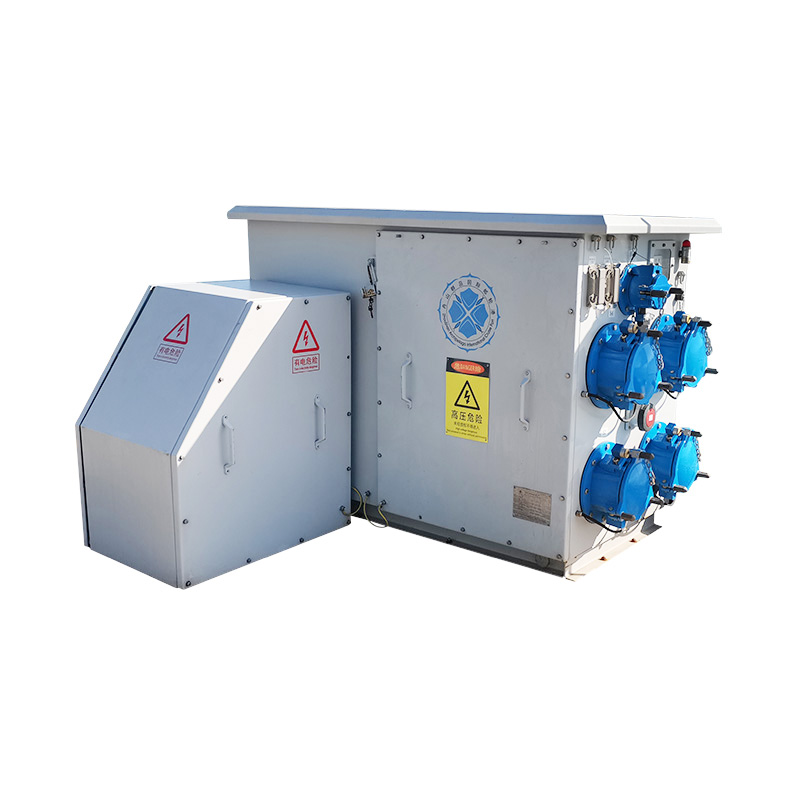
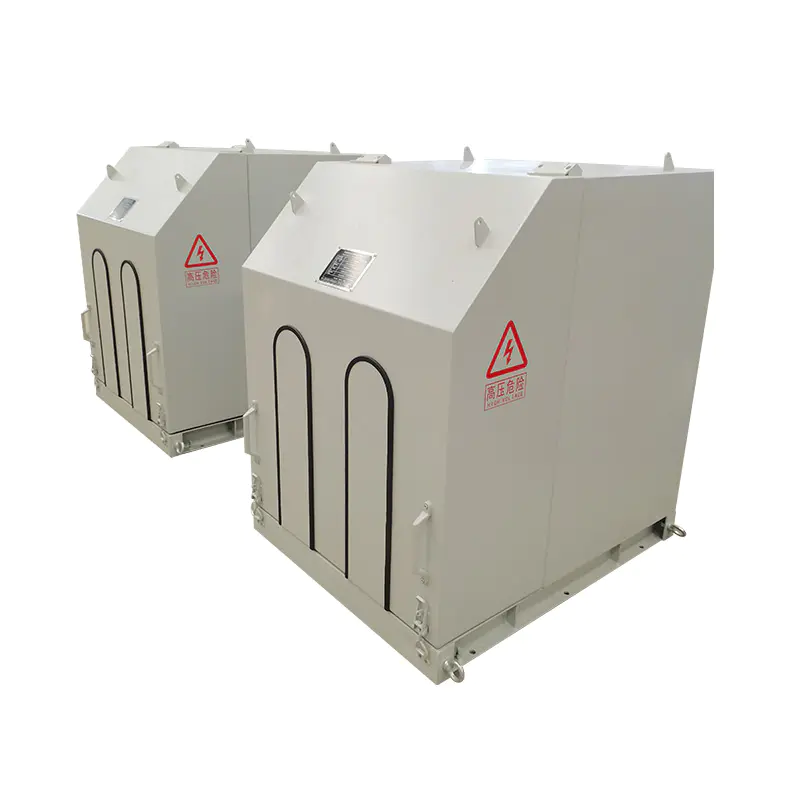
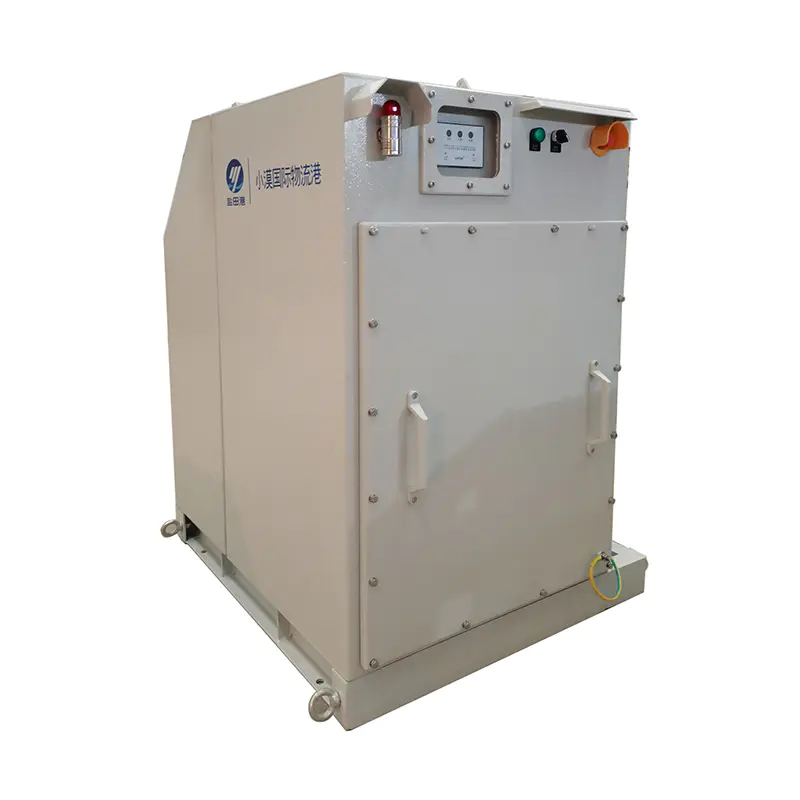
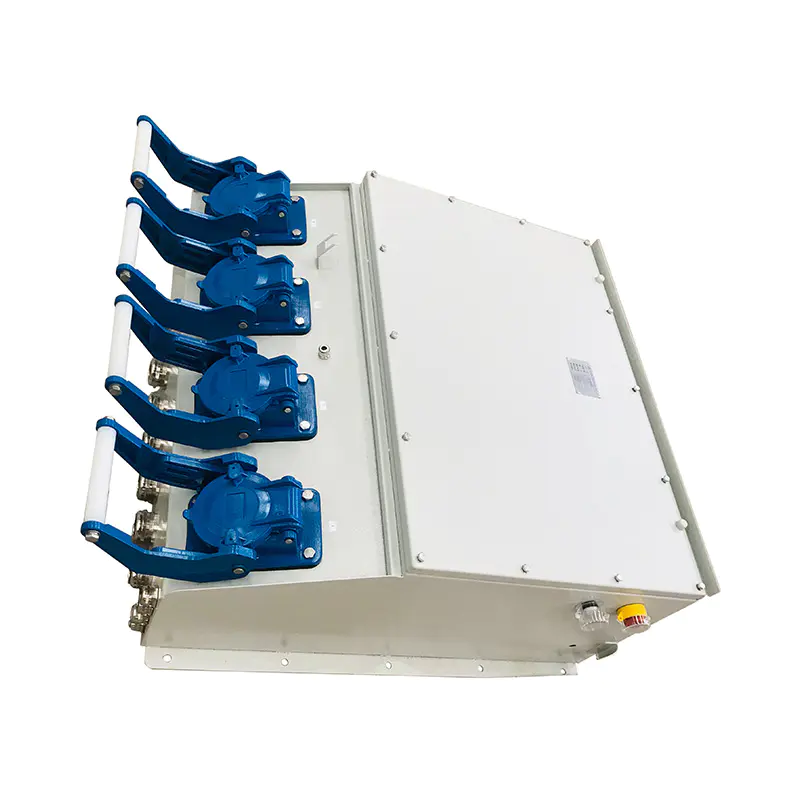
The marine shore power socket box serves as the critical interface between dockside electrical infrastructure and vessel onboard systems, requiring IP67 ingress protection and corrosion resistance to survive continuous saltwater exposure while delivering 16A to 63A current capacity at 110V or 230V. Properly specified socket boxes prevent electrocution hazards and galvanic corrosion through integrated isolation transformers and polarity monitoring, with ABYC (American Boat and Yacht Council) and ISO 13297 compliance reducing marina electrical incidents by 85% compared to non-compliant installations. The enclosure must withstand 1,000-hour salt spray testing without degradation, maintain watertight integrity at 1-meter submersion for 30 minutes, and provide mechanical impact resistance of 7 joules to survive dockside traffic and fender contact.
Global marina infrastructure investment exceeds $4.2 billion annually, with shore power systems representing 15-20% of electrical capital expenditure. The transition from 16A standard connections to 32A and 63A high-capacity systems accommodates growing yacht power demands for air conditioning, heating, and battery charging without generator operation.
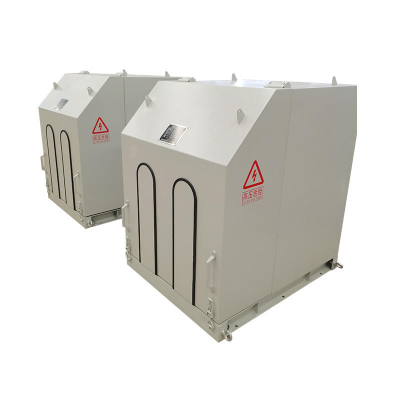
Enclosure Materials and Corrosion Engineering
Marine shore power socket box construction balances electrical safety, environmental durability, and weight considerations through advanced material systems.
Marine-Grade Aluminum and Stainless Steel Housings
Premium socket boxes utilize 316L stainless steel enclosures (2-3 millimeter wall thickness) with electropolished surfaces achieving Ra 0.4 micrometers for maximum corrosion resistance in salt spray environments. The low-carbon 316L specification prevents intergranular corrosion in welded seams, with molybdenum content (2-3%) providing pitting resistance equivalent to 1,000+ hours ASTM B117 testing. Aluminum alternatives (5083-H321 marine grade with 4-5% magnesium) offer 40% weight reduction with anodized surfaces (25 micrometer thickness) and chromate conversion coatings for galvanic isolation from stainless steel hardware.
Thermoplastic enclosures (polycarbonate or glass-reinforced polyester) serve recreational craft applications with IK10 impact ratings and UV stabilization for 10+ year service life without embrittlement. These materials eliminate galvanic corrosion concerns and enable color-coding (blue for 230V, yellow for 110V) per IEC 60309-2 standards.
Gasket Systems and Watertight Integrity
IP67 sealing relies on silicone or EPDM gaskets with Shore A hardness 50-60, compressed 20-30% in groove designs following EN 62208 standards. Dual-seal configurations incorporate primary compression seals and secondary labyrinth barriers preventing capillary moisture ingress. Gasket materials resist ozone, salt spray, and temperature cycling from -25 to 70 degrees Celsius without compression set exceeding 15% after 1,000-hour aging tests.
Electrical Configurations and Capacity Ratings
Marine shore power socket boxes accommodate standardized power levels with specific pin configurations preventing voltage mismatch and ensuring polarization integrity.
IEC 60309-2 Standard Connections
The international standard defines 16A (2.5-4 mm² cable), 32A (6-10 mm²), and 63A (16-25 mm²) ratings with color-coded enclosures: blue (200-250V AC), red (380-480V AC), and yellow (100-130V AC). Pin configurations vary by amperage to prevent undersized cable connections, with 16A utilizing 3-pole (2P+E) arrangements and 32A/63A incorporating 5-pole (3P+N+E) for three-phase yacht systems. Ground pins maintain first-make/last-break sequencing ensuring protective earth continuity throughout connection cycles.
Socket contacts utilize beryllium copper or nickel-plated brass with silver flash coatings (3-5 micrometers) maintaining contact resistance below 0.5 milliohms through 10,000 mating cycles. Spring-loaded sleeve designs maintain 50-100 Newton contact force preventing arcing and overheating at rated currents.
Integrated Protection Systems
Advanced socket boxes incorporate RCD (residual current device) protection at 30mA sensitivity for personnel protection and 300mA for fire protection, with Type A or Type F (selective) characteristics preventing nuisance tripping from inverter loads. Circuit breakers (C or D curve trip characteristics) protect against overload and short circuit, with breaking capacities of 6,000-10,000 amperes at 230V. Surge protection devices (SPD) clamp transients to 1.5kV for sensitive electronics protection.
| Rating | Voltage | Cable Size | Enclosure Size | Typical Application |
|---|---|---|---|---|
| 16A | 110V or 230V | 2.5-4 mm² | 200x150x100 mm | Sailboats, small cruisers |
| 32A | 230V single or three-phase | 6-10 mm² | 300x200x150 mm | Motor yachts, liveaboards |
| 63A | 230/400V three-phase | 16-25 mm² | 400x300x200 mm | Superyachts, commercial |
| 125A | 400V three-phase | 35-50 mm² | 600x400x300 mm | Megayachts, shipyards |
Galvanic Isolation and Corrosion Prevention
Marine electrical systems require specific measures preventing electrolytic corrosion of vessel underwater metals through shore power connections.
Isolation Transformer Integration
Galvanic isolator diodes or full isolation transformers break the DC continuity between shore ground and vessel ground that drives galvanic corrosion currents. Socket boxes designed for transformer integration include primary disconnect switches and secondary distribution breakers within the enclosure, with toroidal transformers (95% efficiency) rated for continuous marine duty. The isolation eliminates the 0.5-2.0 volt potential differences causing rapid zinc anode consumption and hull damage.
Cathodic Protection Monitoring
Advanced socket boxes incorporate reference electrode connections and corrosion potential monitoring circuits, displaying hull voltage relative to Ag/AgCl reference cells. Alarms trigger at potentials exceeding -800mV (over-protection) or below -500mV (under-protection), enabling proactive anode replacement and system verification.
Installation Standards and Operational Protocols
Proper mounting and maintenance ensures socket box reliability through severe marine service conditions.
Mounting Height and Accessibility
ABYC E-11 standards specify socket mounting 18-24 inches above dock deck preventing wave splash and flooding while maintaining accessible connection height. Vertical mounting with socket face downward (5-15 degree tilt) ensures drainage and prevents water pooling in receptacles. Stainless steel mounting brackets with isolation gaskets prevent galvanic coupling with aluminum dock structures.
Cable Management and Strain Relief
Shore power cables (25-50 feet typical length) require strain relief connectors maintaining 50-100 Newton pull-out resistance without conductor stress. Cable supports at 3-foot intervals prevent flex fatigue at entry points, with service loops accommodating tidal range and vessel movement. Retractable cable reels integrated into socket box enclosures eliminate trip hazards and UV exposure when not in use.
The marine shore power socket box represents a safety-critical component where material science, electrical engineering, and marine environment expertise converge. Specification of IP67-rated, corrosion-resistant enclosures with integrated protection systems ensures reliable vessel power delivery while preventing the electrocution and fire hazards that historically plagued marina electrical installations.