

 русский
Content
- 1 What Is an Electrical Cable Winch for Shore Power
- 2 System Components and Operating Mechanism
- 3 Low-Voltage and High-Voltage System Configurations
- 4 Cable Specifications and Ampacity Ratings
- 5 Constant Tension Control and Safety Features
- 6 Cable Rack and Deployment Hardware
- 7 Installation Requirements and Classification Compliance
What Is an Electrical Cable Winch for Shore Power
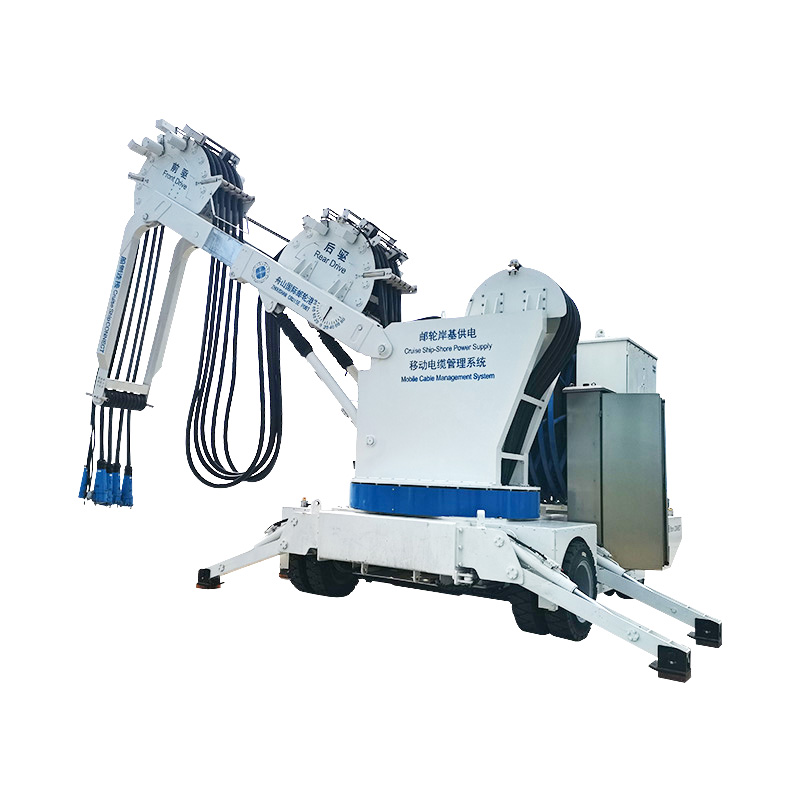
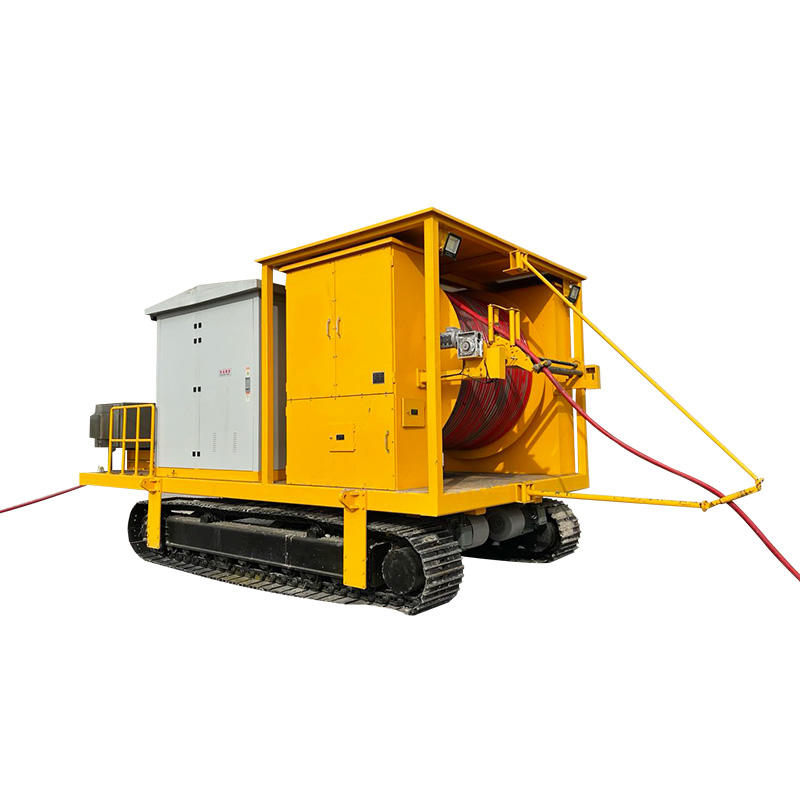
An electrical cable winch for shore power is a specialized marine cable management system that stores, deploys, and maintains tension on heavy electrical cables connecting vessels to port-side power supplies. These systems eliminate manual handling of bulky shore power cables that can weigh up to 15 kg per meter for high-amperage configurations, while providing constant tension control that prevents cable damage from vessel movement, tide changes, and wind-induced drift. The system integrates a motorized cable reel, slip ring assembly for continuous power transfer, and intelligent tension monitoring to ensure safe, reliable electrical connection between shore infrastructure and shipboard distribution systems.
Shore power cable winch systems are essential for cold ironing operations, where vessels shut down onboard generators and draw electricity from port facilities to reduce emissions, noise, and fuel consumption. The winch mechanism ensures the cable maintains appropriate tension throughout the vessel's stay, automatically retracting or releasing cable as the ship moves with tides or loading operations. Without proper cable management, excessive tension can damage conductors and insulation, while insufficient tension creates dangerous cable loops that pose trip hazards and electrical risks.
System Components and Operating Mechanism
A complete shore power cable winch system comprises several integrated components working together to manage cable deployment and maintain electrical continuity. The design varies between low-voltage systems at 400-450V and high-voltage systems at 6.6kV to 11kV, though the fundamental architecture remains consistent across voltage classes.
Cable Reel and Drive Assembly
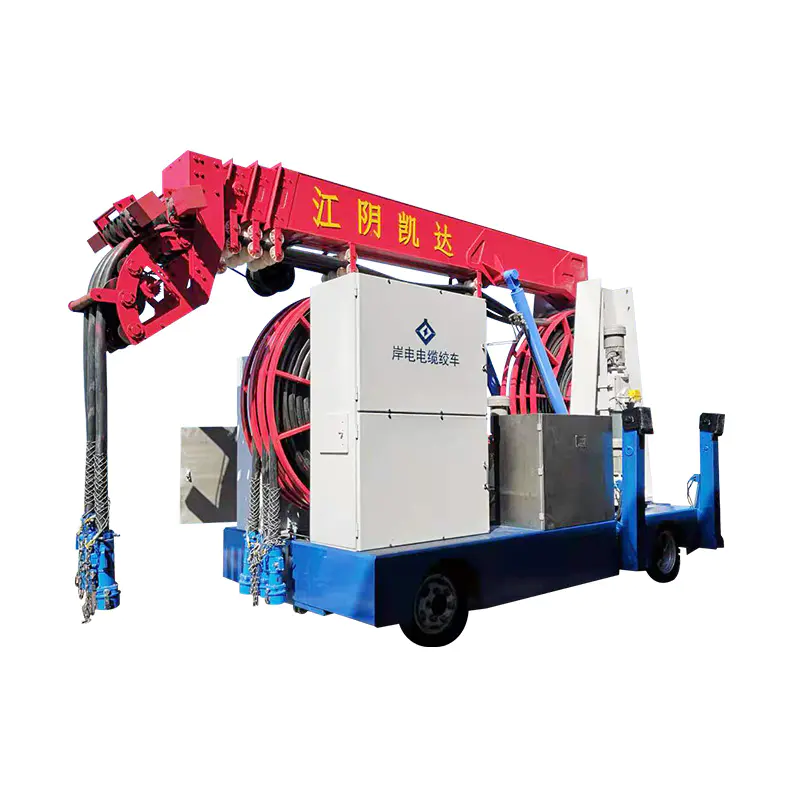
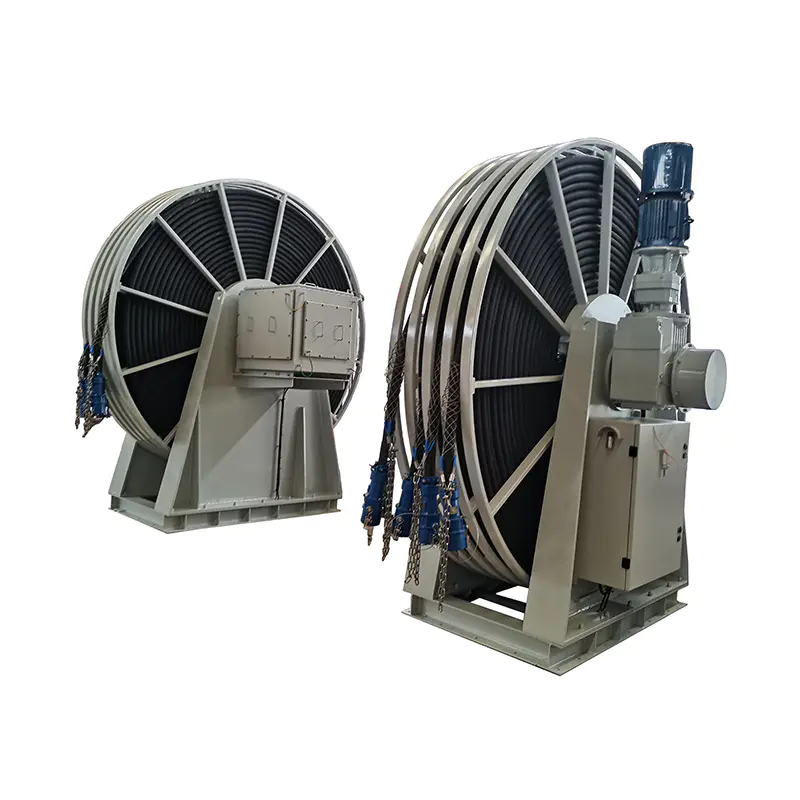
The cable reel serves as the central storage and deployment mechanism, sized according to cable length and diameter. Reels accommodate cable lengths ranging from 55 meters for compact installations to over 100 meters for deep-water berths, with multi-layer winding capability to maximize storage capacity. The drive system typically employs a 4 to 7.5 kW frequency-controlled motor operating at 960 to 1440 RPM, coupled to the reel through a hysteresis clutch and reduction gearbox. The hysteresis coupling provides critical overload protection by slipping when cable tension exceeds preset values, preventing motor damage and cable overstress.
Slip Ring Assembly
The slip ring assembly enables continuous electrical power transfer while the reel rotates during cable extension or retraction. Low-voltage systems typically feature slip ring capacities of 1000A with 3 power rings, 1 grounding ring, and 4 control rings. High-voltage configurations such as the JL-HVSR-650A system handle 650A at 10kV with a rated capacity of 7.2 MVA. The slip ring box includes temperature rise monitoring to detect abnormal heating conditions that could indicate contact degradation or overload conditions. All slip ring systems must carry classification society certification and pass third-party inspection to ensure safety in marine environments.
Intelligent Control and Monitoring
Modern shore power cable winch systems incorporate programmable logic controllers with comprehensive fault monitoring capabilities. The system continuously tracks slip ring temperature, motor load, reel position, torque values, inverter status, and cable tension anomalies. Pulse counters monitor reel rotation to calculate deployed cable length, with configurable alerts at full deployment, last two turns, and final turn positions to prevent overtravel. Remote control options include both wired and wireless interfaces, allowing operators to manage cable operations from the vessel bridge or dockside control station while maintaining visual observation of the connection point.
Low-Voltage and High-Voltage System Configurations
Shore power cable winch systems are classified by operating voltage, with distinct design requirements for low-voltage and high-voltage applications. The voltage class determines cable construction, slip ring specifications, safety clearances, and regulatory compliance requirements.
| Parameter | Low-Voltage System | High-Voltage System |
|---|---|---|
| Voltage Rating | AC 400V 50Hz / 450V 60Hz | 6.6kV 60Hz / 11kV 50Hz |
| Maximum Cable Size | 3 x 95 + 1 x 50 mm² | 3 x 185 + 1 x 95 mm² |
| Slip Ring Capacity | 1000A | 650A to 700A |
| Motor Power | 4 to 7.5 kW | 4 to 7.5 kW |
| Cable Length | 100m + 2 empty turns | 55m + 2 empty turns |
| Winding Speed | 0 to 15 m/min | 0 to 15 m/min |
| Typical Application | Commercial vessels, ferries | Cruise ships, large cargo vessels |
Cable Specifications and Ampacity Ratings
Shore power cables managed by electrical winch systems must withstand continuous flexing, abrasion, saltwater exposure, and mechanical stress while maintaining electrical integrity. Cable selection depends on vessel power requirements, voltage class, and environmental conditions at the berth.
Cable Construction and Materials
Shore power cables feature flexible copper conductors with cross-linked polyethylene or ethylene propylene rubber insulation rated for marine service. The outer jacket employs materials such as Type S, ST, SE, or polyurethane that resist oil, abrasion, and UV degradation. High-voltage cables incorporate additional shielding layers and optical fiber elements for communication and monitoring. The minimum bend radius requirements dictate cable rack and guide roller design, with multiple roller assemblies ensuring the cable does not kink or exceed bending limits during deployment and retraction.
Ampacity and Cable Sizing
Cable sizing follows established ampacity tables based on conductor cross-section and installation conditions. For recreational vessels, common configurations include 30 amp service using 10 AWG conductors, 50 amp service using 6 AWG conductors, and 100 amp service using 2 AWG conductors. Commercial and cruise vessels require significantly larger conductors, with 150 amp and greater services employing 1/0 AWG or 50 mm² and larger cables. The cable winch system must accommodate the outside diameter of these heavy cables, which ranges from 12 mm for 30 amp cables to over 70 mm for 150 amp and larger configurations.
Constant Tension Control and Safety Features
The defining operational characteristic of a shore power cable winch is its constant tension control system, which automatically compensates for vessel movement while preventing cable damage from excessive strain or dangerous slack conditions.
Tension Monitoring and Adjustment
Tension transmitters installed at the cable rack or connection point measure the force applied to the cable and transmit analog signals to the programmable logic controller. The controller compares actual tension against configurable setpoints and commands the frequency converter to adjust motor speed and direction. When vessel movement increases cable tension above the setpoint, the winch releases cable to restore proper tension. When tension decreases below the setpoint, the winch retracts cable to eliminate slack. This closed-loop control operates continuously without operator intervention, maintaining optimal cable conditions regardless of external factors.
Emergency and Protective Functions
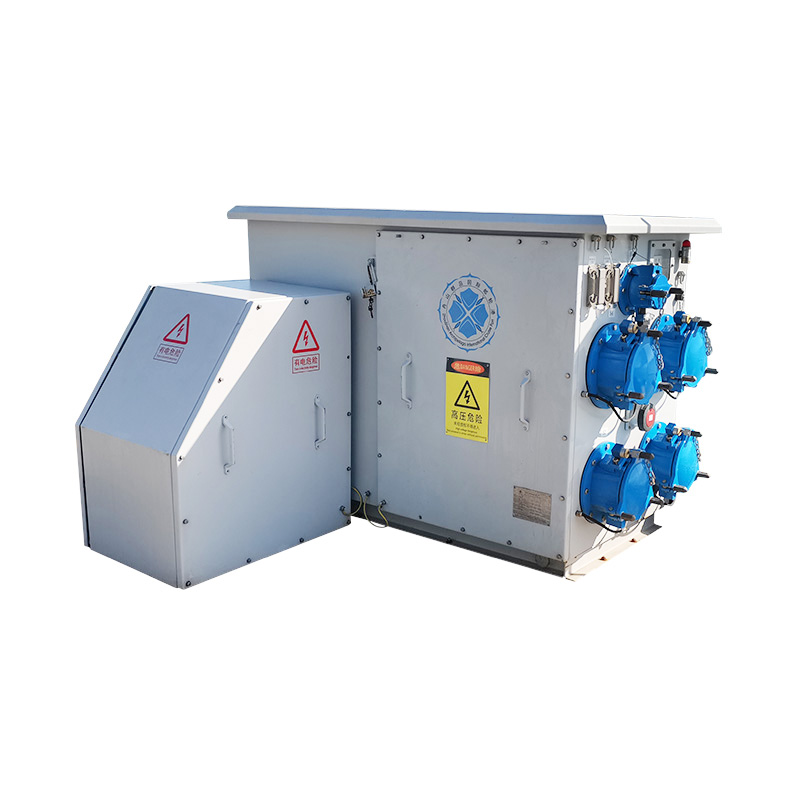
The system includes multiple safety layers to protect personnel, equipment, and the vessel. Emergency stop functions halt all winch operations immediately when activated from any control station. Overload protection through the hysteresis coupling prevents motor burnout when cable tension spikes unexpectedly. Cable tension anomaly alarms notify operators of conditions exceeding safe operating parameters. The shore power box incorporates three-phase molded case switches with overload and short circuit protection, phase sequence interlocking to prevent incorrect connection, and automatic commutation to correct phase errors without manual rewiring. Protection ratings of IP56 ensure continuous operation in marine environments with moisture, salt spray, and dust exposure.
Cable Rack and Deployment Hardware
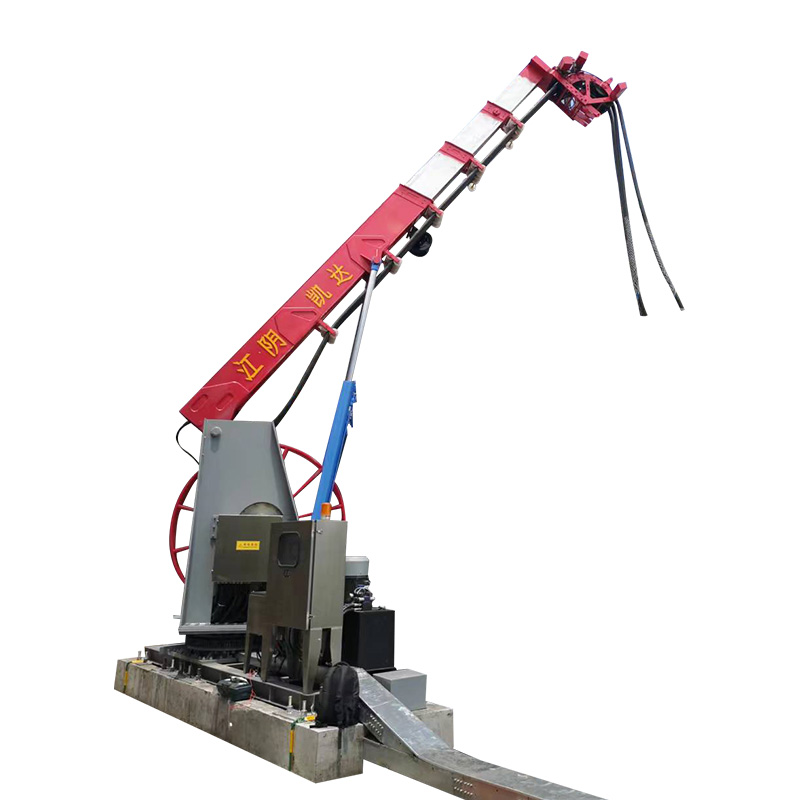
The cable rack transfers power cables from the winch reel to the vessel connection point, providing structural support and guidance that prevents chafing and maintains proper bend radius throughout the cable path.
Rack Design and Operation
Cable racks are constructed from low-carbon steel with marine anti-corrosion paint systems providing 80 micrometers minimum dry film thickness. The structure features multiple guide rollers positioned to maintain cable bend radius within manufacturer specifications, preventing conductor damage from acute bending. Hydraulic or hand-cranked telescoping mechanisms lower the rack to the vessel side during mooring operations and retract it during transit. When deployed, the rack positions the cable connection point at an accessible height for crew members to complete the shore power coupling. When retracted, the assembly remains within the vessel's hull envelope to prevent damage during navigation.
Connection Interface
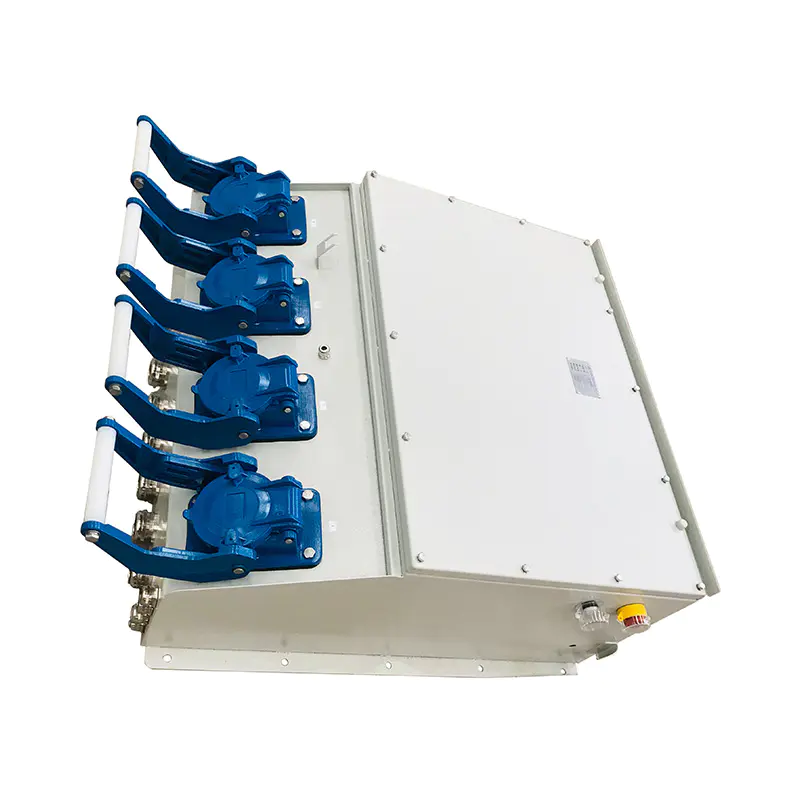
The shore power connection point on the vessel side features a shore power box constructed from 316L stainless steel with 3 mm minimum thickness, surface coated for additional corrosion protection. The box contains three-phase copper busbars and grounding busbars sized for the rated current with temperature rise within acceptable limits. Machine glass covers prevent accidental contact with energized conductors while allowing visual inspection. Clear hazard warning symbols identify high-voltage presence to personnel. The interface must comply with international shore power standards including IEC/ISO/IEEE 80005 to ensure compatibility with port infrastructure worldwide.
Installation Requirements and Classification Compliance
Electrical cable winch systems for shore power must meet stringent regulatory requirements to ensure safe operation in marine environments and compatibility with international port infrastructure standards.
Classification Society Certification
All major components including the cable reel, slip ring assembly, motors, and control systems must carry certificates from recognized classification societies such as CCS, ABS, LR, BV, GL, NK, DNV, KR, or RINA. The slip ring system requires third-party inspection reports from accredited laboratories such as CNAS. These certifications verify that equipment meets structural, electrical, and environmental performance standards for marine service. Manufacturers must provide product certificates for each classification society to support vessel registration and port state control inspections.
Environmental and Operational Specifications
The complete system must demonstrate capability for continuous long-term operation in marine environments. Exterior surfaces receive marine anti-corrosion paint systems designed to withstand salt spray, humidity, and temperature cycling. Electrical enclosures maintain IP56 protection against water ingress and dust accumulation. The system operates on vessel power supplies of AC 400V 50Hz or AC 450V 60Hz, with motor brake systems ensuring the reel remains stationary when not actively deploying or retracting cable. Control systems accommodate both 50 Hz and 60 Hz power standards to ensure global operational compatibility.
Specification Selection Framework
- Determine vessel power requirements and select appropriate voltage class: low-voltage for vessels under 5 MW, high-voltage for larger ships
- Calculate required cable length based on berth depth, tidal range, and vessel freeboard
- Size cable conductors according to ampacity requirements with appropriate derating for marine installation
- Select slip ring capacity based on rated current and number of power, ground, and control circuits
- Specify motor power and drive configuration based on cable weight, deployment speed, and tension requirements
- Design cable rack geometry to maintain manufacturer-specified minimum bend radius
- Configure tension setpoints and alarm thresholds based on cable breaking strength with appropriate safety factors
Electrical cable winch systems for shore power represent a critical interface between port infrastructure and vessel electrical systems. Proper specification, installation, and maintenance of these systems ensure reliable cold ironing operations that reduce emissions, lower operating costs, and support environmental compliance objectives for maritime operations worldwide.