

 русский
Electrical Installation Equipment
Content
- 1 Electric Cable Pullers Explained: How They Work and Where They're Used
- 2 What Is a Cable Puller and How Does It Work?
- 3
- 4 Electric Cable Pulling Machines for Conduit and Underground Installation
- 5 Cable Pulling Equipment for Electricians: Key Features to Look For
- 6 Cable Pulling Machine Applications
- 7 Choosing the Right Cable Puller for a Job
Electric Cable Pullers Explained: How They Work and Where They're Used
Pulling heavy cable through long conduit runs or underground ducts by hand is slow, physically demanding, and risky for the cable jacket itself, which is exactly the gap an electric cable puller is built to close — replacing manual tension with a controlled, motor-driven pull.
What Is a Cable Puller and How Does It Work?
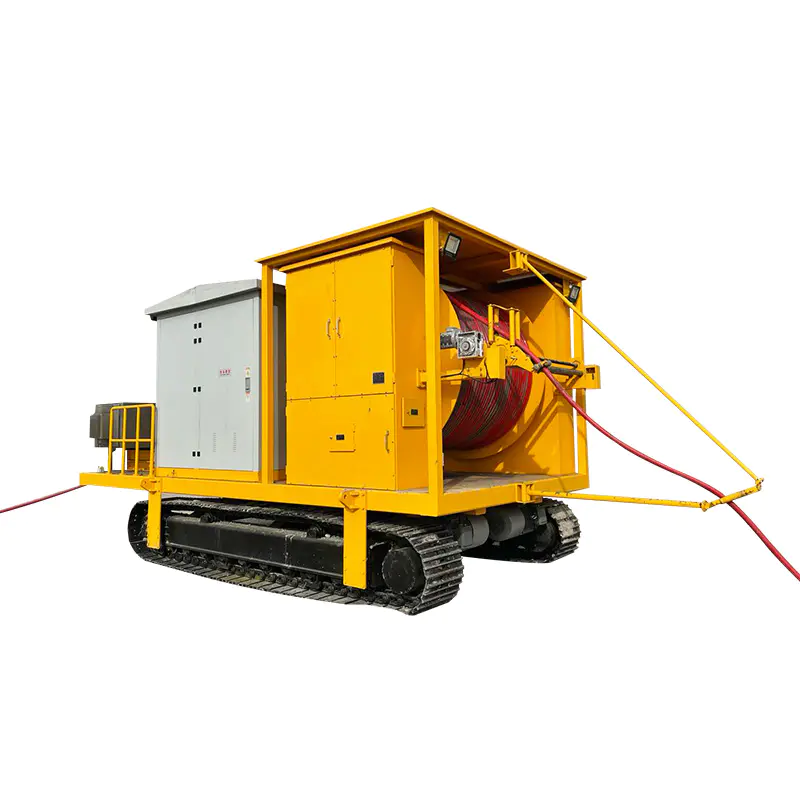
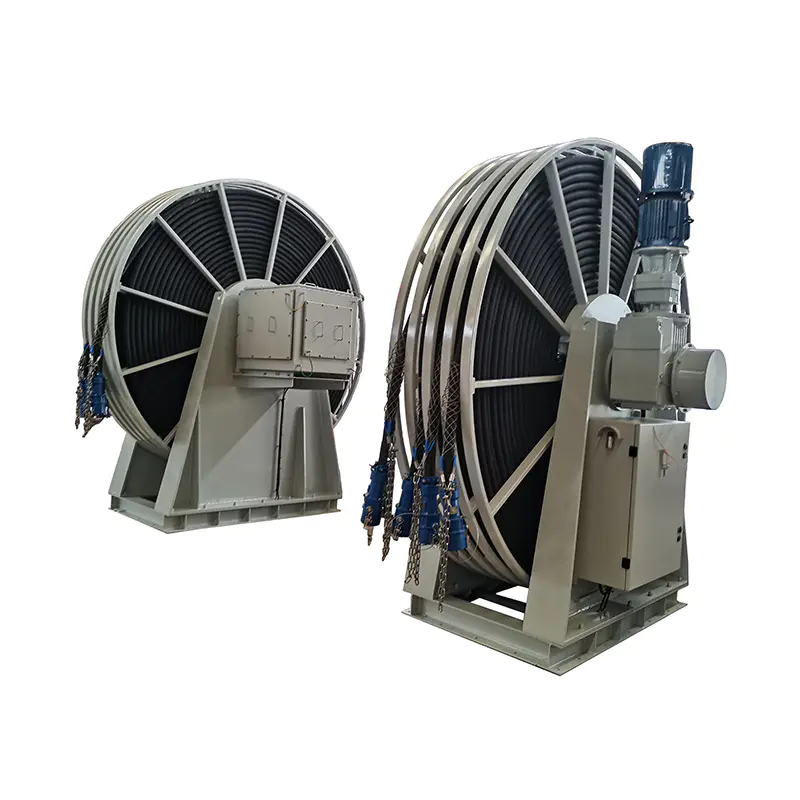
A cable puller, also called a cable pulling winch or cable pulling machine, is powered equipment used to draw electrical cable through conduit, duct banks, cable trays, or underground runs using a motor-driven winch or capstan rather than manual labor. A pulling rope or wire mesh grip is first fed through the conduit run, attached to the leading end of the cable, and then connected to the winch drum or capstan on the puller itself.
Once engaged, the motor draws in the pulling line at a controlled, adjustable speed, applying steady tension that pulls the cable through the run without the jerky, inconsistent force typical of a manual pull. Most electric cable pullers include a tension monitoring or limiting feature, since exceeding a cable's rated pulling tension can stretch or damage the conductor and insulation — controlling pull force precisely is one of the main advantages powered equipment has over manual methods.
01
Line Feed
A pulling rope or wire mesh grip is routed through the conduit or duct run and attached to the cable's leading end.
02
Winch Engagement
The pulling line connects to the motor-driven winch drum or capstan on the cable puller unit.
03
Controlled Pull
The motor draws in the line at a steady, adjustable speed while tension is monitored to stay within the cable's rated limits.
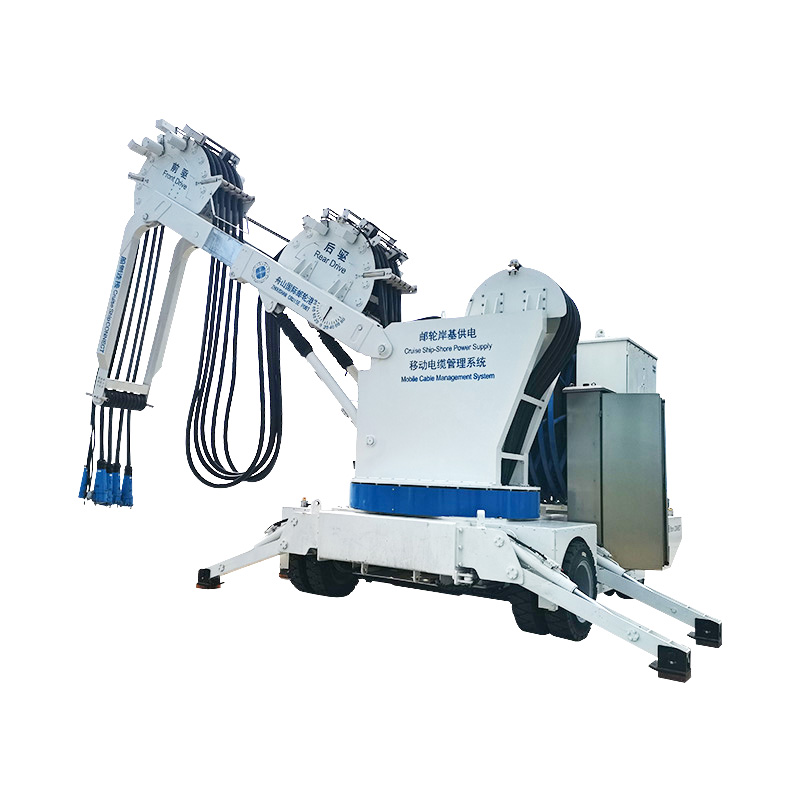
Electric Cable Pulling Machines for Conduit and Underground Installation
Wire cable pullers used for conduit runs need to manage friction and bend radius carefully, since long horizontal or vertical conduit sections with multiple bends significantly increase the pulling tension required compared to a straight, unobstructed run. Cable lubricant applied along the run reduces friction against the conduit wall, and many installations combine lubrication with a powered puller to keep pulling tension within safe limits over long or bend-heavy routes.
Underground cable pulling introduces additional considerations, since duct banks are often longer, may include multiple bends across a buried route, and can involve pulling multiple cables simultaneously through a single duct. Heavy duty cable pullers rated for higher pulling force and equipped with more robust tension monitoring are generally required for these installations, where the combination of run length, cable weight, and friction can add up to significantly higher tension than a typical indoor conduit run.
Cable Pulling Equipment for Electricians: Key Features to Look For
Adjustable pulling speed
Variable speed control allows the pull rate to be matched to conduit conditions and cable sensitivity.
Tension monitoring/limiting
Prevents pulling force from exceeding the cable's rated tension, reducing risk of insulation or conductor damage.
Portable/mobile chassis
Wheeled or compact designs make it practical to reposition the puller across a job site or between pulls.
Capstan or winch drum capacity
Line capacity and drum size determine how much pulling rope can be spooled for longer runs.
Cable Pulling Machine Applications
- Commercial and industrial electrical installation — pulling feeder and branch circuit cable through building conduit systems
- Underground utility installation — drawing cable through buried duct banks for power distribution and telecommunications
- Cable tray and raceway installation — assisting long horizontal pulls across cable tray runs in industrial facilities
- Substation and switchgear wiring — pulling heavier gauge cable where manual force alone would be impractical or unsafe
- Renewable energy installations — running cable across solar farm or wind installation sites where pull distances are often long
Note: Always confirm the puller's rated pulling force and the cable manufacturer's maximum tension specification before starting a pull — exceeding rated tension is a common cause of cable damage even when the equipment itself is operating correctly.
Choosing the Right Cable Puller for a Job
| Consideration | Why It Matters |
|---|---|
| Rated pulling force | Must comfortably exceed the calculated tension for the specific run, including bends and friction |
| Portability | Job sites with multiple pull locations benefit from lighter, wheeled, or modular equipment |
| Power source | Electric models suit sites with reliable power access; battery or engine-driven units suit remote locations |
| Tension control features | Critical for protecting sensitive or high-value cable from overstress damage during the pull |
Key factors when selecting a cable puller for a given installation