

 русский
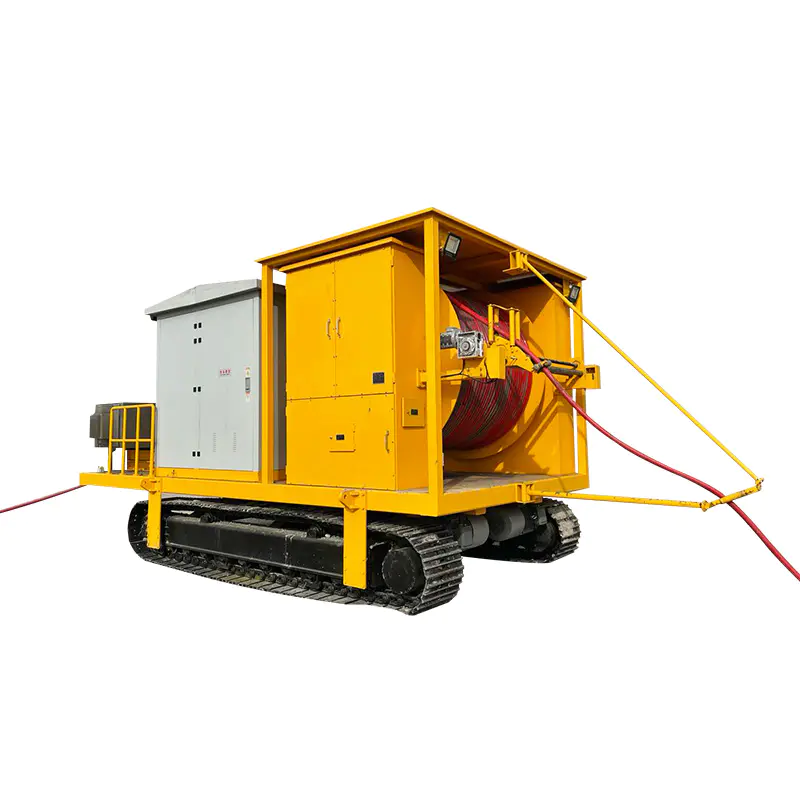
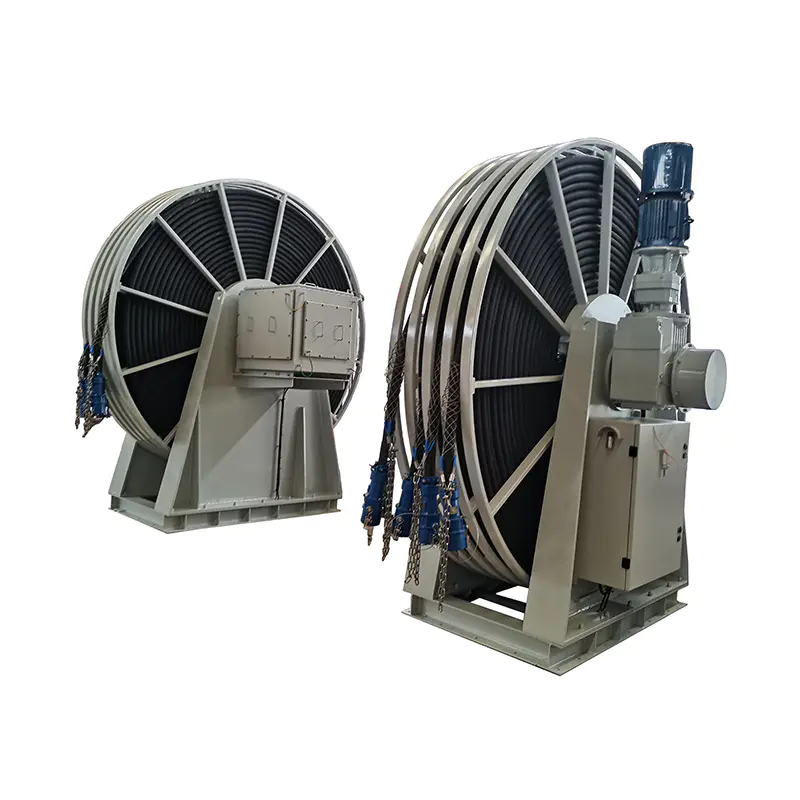
The modern industrial landscape demands precision, safety, and efficiency, especially in sectors involving heavy-duty cable installation and infrastructure maintenance. Central to these operations is the Fixed Telescopic Arm Cable Pulling Winch. This specialized equipment has revolutionized how utilities, telecommunications, and construction firms handle underground and overhead cable management. Understanding the technical nuances, operational advantages, and comparative strengths of these systems is essential for procurement managers and engineers aiming to modernize their fleet.
Content
- 1 Technical Architecture and Operational Mechanics
- 2 Fixed Telescopic Arm vs. Mobile Boom Winches: A Comparative Analysis
- 3 Material Selection and Durability Standards
- 4 Safety Protocols and Precision Control Systems
- 5 Performance Evaluation: Hydraulic vs. Electric Drive Systems
- 6 Maintenance and Long-term Reliability
- 7 FAQ
- 8 References
Technical Architecture and Operational Mechanics
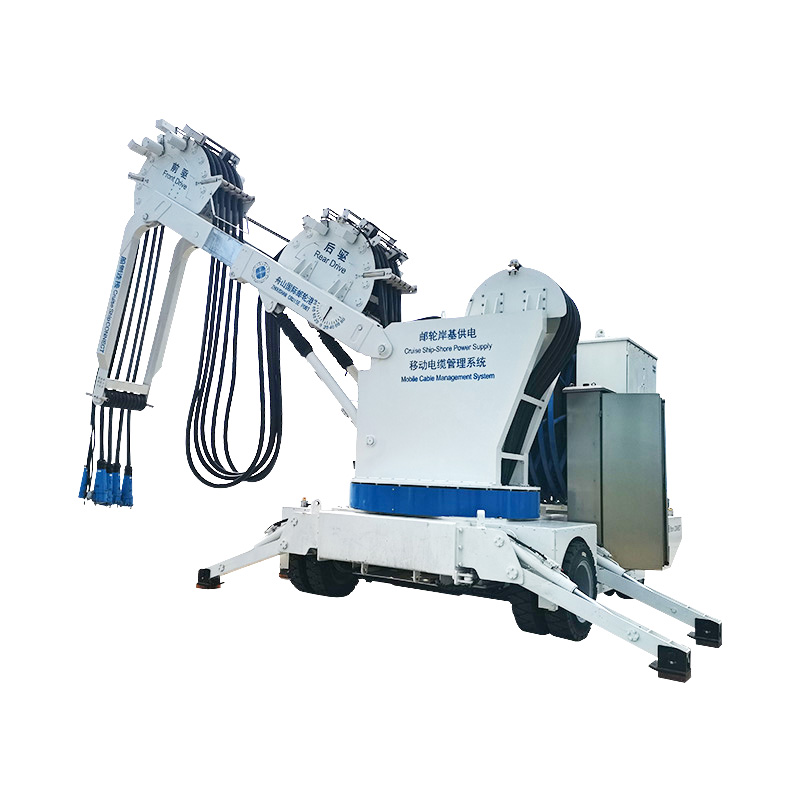
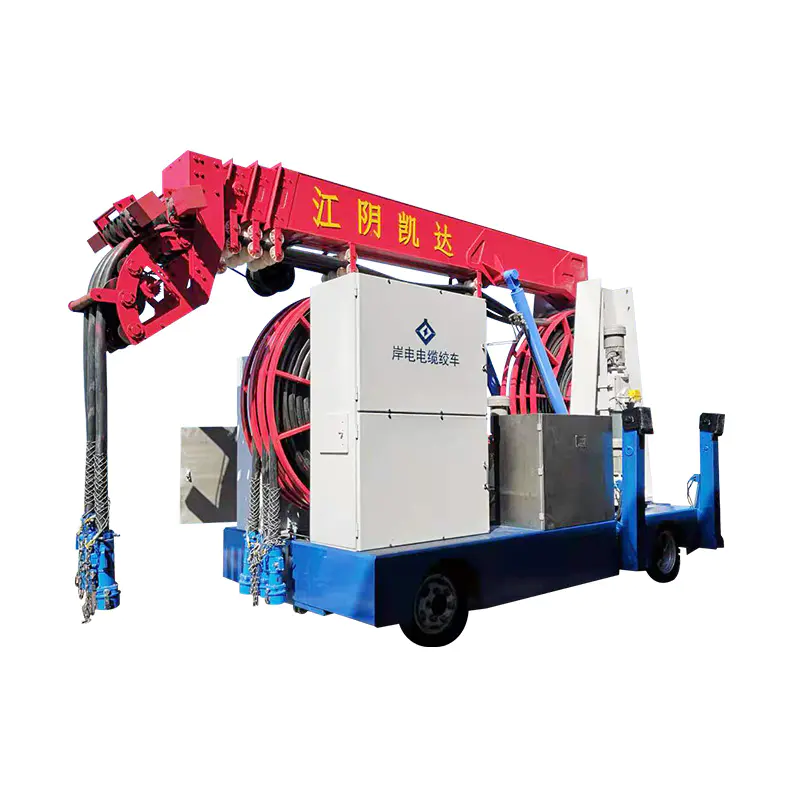
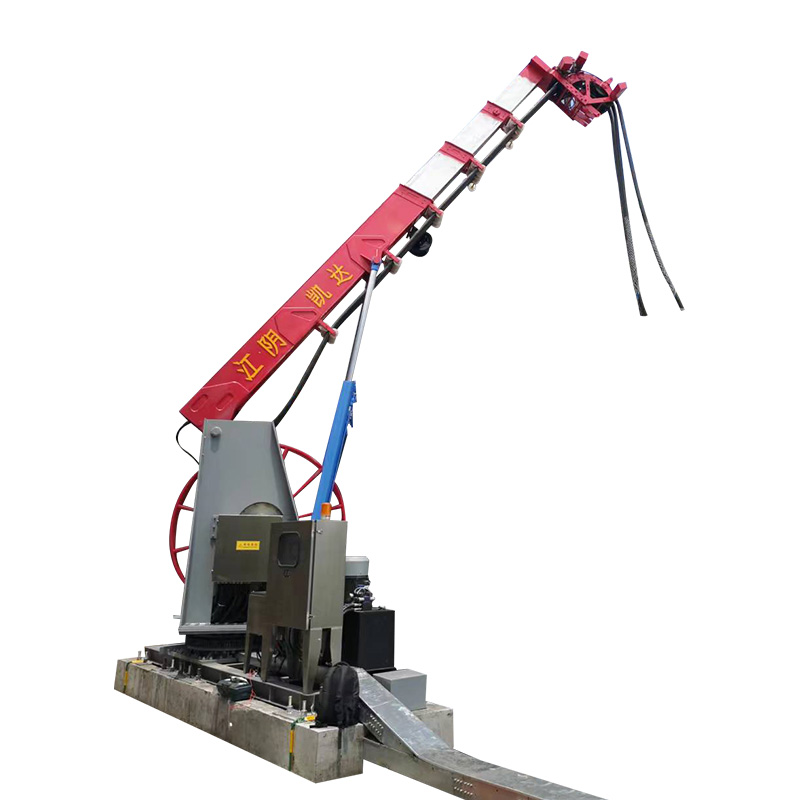
A fixed telescopic arm cable pulling winch is not merely a motorized drum; it is a sophisticated hydraulic or electric assembly designed to provide controlled tension over long distances. The “fixed” nature of the base ensures stability during high-load pulls, while the “telescopic arm” allows for adjustable positioning, enabling the winch to align perfectly with manholes, conduits, or overhead trays without moving the entire vehicle or skid.
The telescopic arm serves two primary functions: vertical reach and horizontal alignment. By extending the arm, operators can bypass obstacles or reach deep into utility vaults. This reduces the friction coefficient significantly, as the cable enters the conduit at a more direct angle. Internally, these winches utilize planetary gearboxes to provide high torque at low speeds, ensuring that the cable is pulled smoothly without the jerky motions that can lead to structural damage or “snapping.”
Fixed Telescopic Arm vs. Mobile Boom Winches: A Comparative Analysis
When selecting a cable pulling solution, professionals often weigh the benefits of a fixed telescopic arm against traditional mobile boom winches. While both serve the purpose of cable tensioning, their applications differ based on the environment and precision requirements.
| Feature | Fixed Telescopic Arm Winch | Mobile Boom Winch |
|---|---|---|
| Stability | High (Fixed base prevents shifting) | Variable (Dependent on stabilizers) |
| Precision | Superior (Fine-tuned arm adjustments) | Moderate (Requires repositioning the vehicle) |
| Setup Time | Fast (Automated arm extension) | Manual (Requires complex rigging) |
| Load Capacity | Constant high-tension | Fluctuates with boom angle |
| Space Footprint | Compact and streamlined | Requires significant clearance |
The fixed telescopic arm configuration is particularly advantageous in urban environments where space is a premium. Because the arm extends from a stable, fixed pivot point, the machine can operate in narrow alleys or busy roadsides with minimal disruption to traffic. In contrast, mobile boom winches often require a larger “swing” radius, which can complicate logistics in congested areas.
Material Selection and Durability Standards
For high-precision manufacturing, the choice of materials in a winch’s construction determines its lifespan and safety rating. High-tensile steel is typically used for the telescopic arm to withstand the bending moments exerted during a maximum-load pull. Furthermore, the winches must be treated with anti-corrosive coatings, such as hot-dip galvanization or specialized industrial primers, to resist the harsh outdoor environments of power grid construction.
The wire rope or synthetic fiber rope used in conjunction with the winch also plays a vital role. While steel wire is traditional, many modern fixed telescopic arm systems are being optimized for high-strength synthetic ropes. These ropes offer a higher strength-to-weight ratio and are safer for operators in the event of a break, as they do not “lash back” with the same force as steel.
Safety Protocols and Precision Control Systems
Safety is the paramount concern in cable pulling operations. Fixed telescopic arm winches are equipped with several layers of protection. Modern systems integrate electronic tension monitoring, which allows operators to set a maximum pulling force. If the resistance in the conduit exceeds this limit—perhaps due to a blockage or a sharp bend—the winch automatically stops or slows down to prevent cable jacket damage.
The telescopic arm itself is usually fitted with limit switches. These prevent the arm from over-extending or retracting into a position that could compromise the machine’s center of gravity. Furthermore, remote control capabilities allow operators to stand at a safe distance from the tensioned cable while still maintaining a clear line of sight to the entry point, combining ergonomic comfort with high-level safety compliance.
Performance Evaluation: Hydraulic vs. Electric Drive Systems
The power source of a fixed telescopic arm winch significantly impacts its performance profile. Historically, hydraulic systems have been the industry standard due to their immense power density and reliability.
- Hydraulic Systems: These offer infinitely variable speed control and can maintain high torque for extended periods without overheating. They are ideal for massive infrastructure projects where cables are pulled over several kilometers.
- Electric Systems: With the rise of green energy and low-emission zones, electric winches are gaining traction. They are quieter and require less maintenance (no oil leaks), though they often require substantial battery banks or external power feeds to match the raw pulling power of hydraulic counterparts.
For most export-grade manufacturing, hydraulic systems remain the preferred choice for heavy-duty industrial B2B clients due to their ruggedness and ease of repair in diverse global markets.
Maintenance and Long-term Reliability
To ensure a fixed telescopic arm winch remains operational for decades, a rigorous maintenance schedule is required. The telescopic sections must be lubricated regularly to prevent binding and wear on the internal sliders. Hydraulic seals should be inspected for leaks, and the cooling system must be kept clear of debris to prevent overheating during summer operations.
Regular calibration of the tension meters is also necessary. For international projects, having a winch that provides documented “pull reports” is often a contractual requirement. These reports prove that the cable was installed within the manufacturer’s specified tension limits, which is vital for the long-term integrity of high-voltage power lines and fiber optic backbones.
FAQ
1. What is the maximum extension length for a standard telescopic arm?
Most industrial-grade fixed winches offer a telescopic reach between 2 to 5 meters, depending on the specific model and the weight of the winch base. Custom lengths can be engineered for specific deep-vault applications.
2. Can these winches be used for both underground and overhead pulling?
Yes. While they are most commonly used for underground manhole entries, the adjustable angle of the telescopic arm allows them to be positioned for overhead cable trays and pole-mounted installations.
3. How does the “fixed” base improve pulling accuracy?
A fixed base ensures that the winch does not “creep” or shift under load. This maintains a consistent pulling line, which reduces wear on the cable’s outer sheath and ensures the tension readings remain accurate throughout the process.
4. What safety certifications should a high-quality winch possess?
For global export, winches should typically meet CE marking requirements for Europe, UL standards for North America, and ISO 9001:2015 for manufacturing quality management.
5. Is specialized training required to operate a telescopic arm winch?
Yes. Operators should be trained in hydraulic system management, load calculations, and the specific safety protocols related to pressurized systems and high-tension cables.
References
- International Standard for Mechanical Handling Equipment – Winches (ISO 11076).
- Guidelines for Underground Cable Installation, Institute of Electrical and Electronics Engineers (IEEE).
- Hydraulic Power Systems in Heavy Machinery, Industrial Press.
- Safety Requirements for Cable Laying Operations, Occupational Safety and Health Administration (OSHA).
- Developments in High-Tensile Steel for Construction Machinery, Journal of Materials Engineering.