

 русский
Content
- 1 What Is a Shore Power System
- 2 Shore Power and Marine Power Connectors
- 3 Industrial and Heavy Duty Power Connectors
- 4 CEE Industrial Connectors Explained
- 5 Power Distribution Boxes for Industrial and Marine Use
- 6 IP67 Waterproof Connectors and Ingress Protection Ratings
- 7 High Current Industrial Connectors
- 8 Choosing Shore Power Equipment and Solutions
What Is a Shore Power System
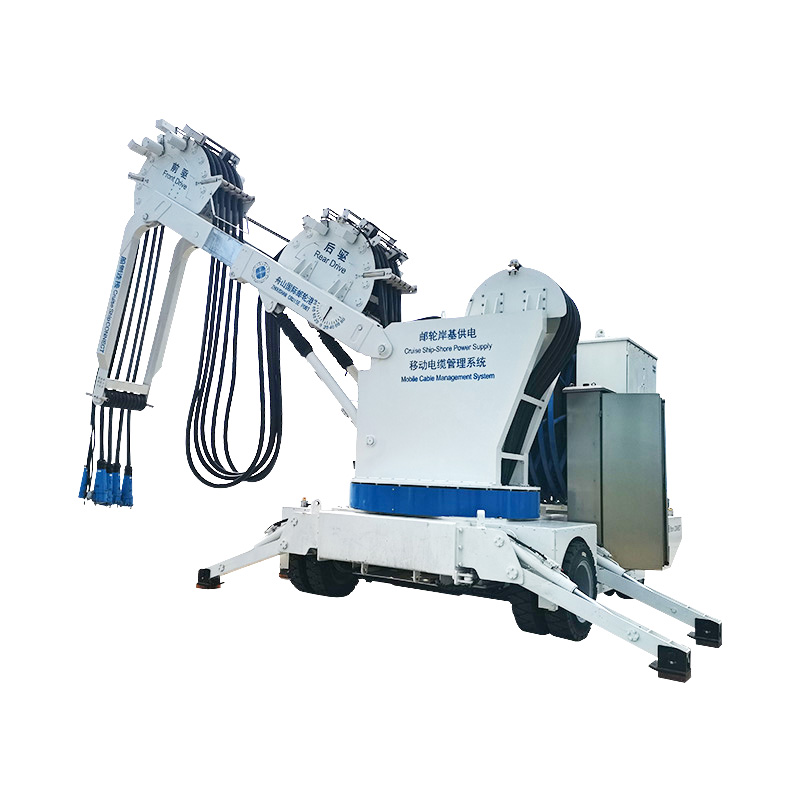
A shore power system lets a vessel plug into land-based electrical supply while docked, rather than running its own onboard generator to power lights, HVAC, refrigeration, and electronics. The core purpose is straightforward: reduce fuel consumption, engine hours, and noise while berthed, since drawing power from the shore grid is generally cheaper and quieter than idling a marine generator for hours or days at a dock.
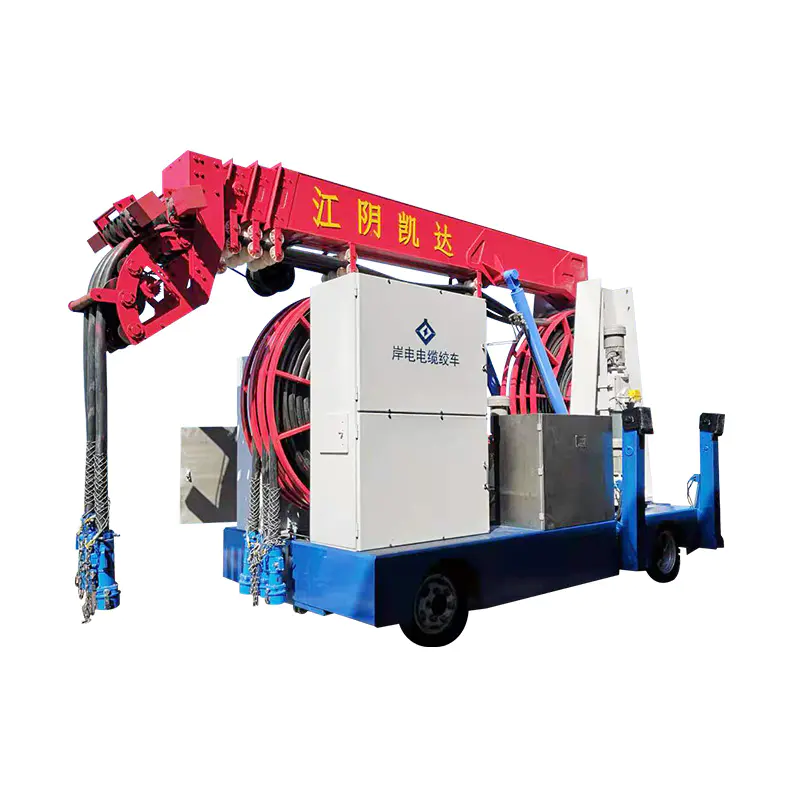
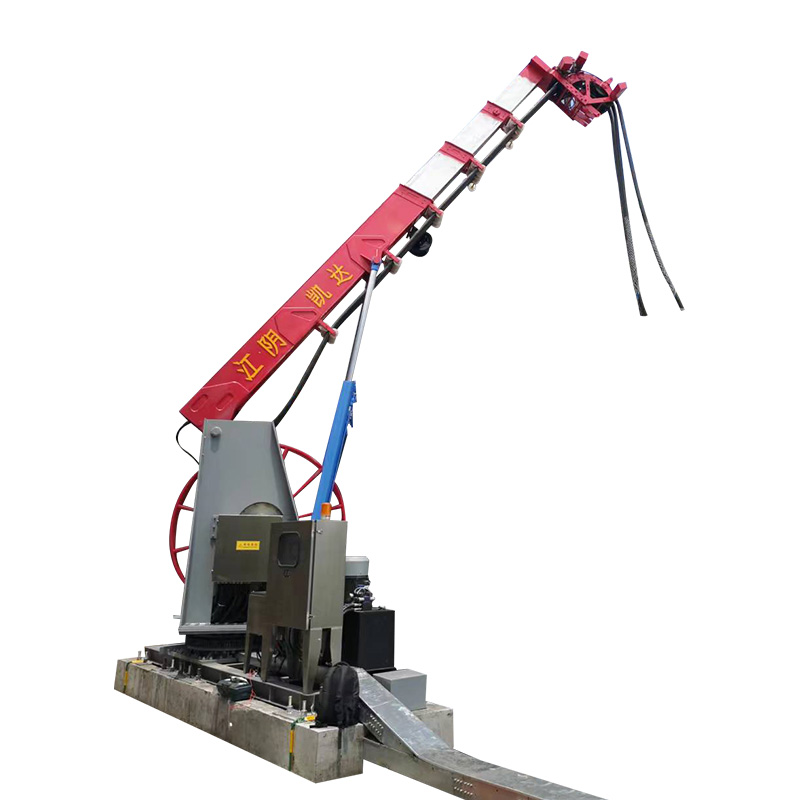
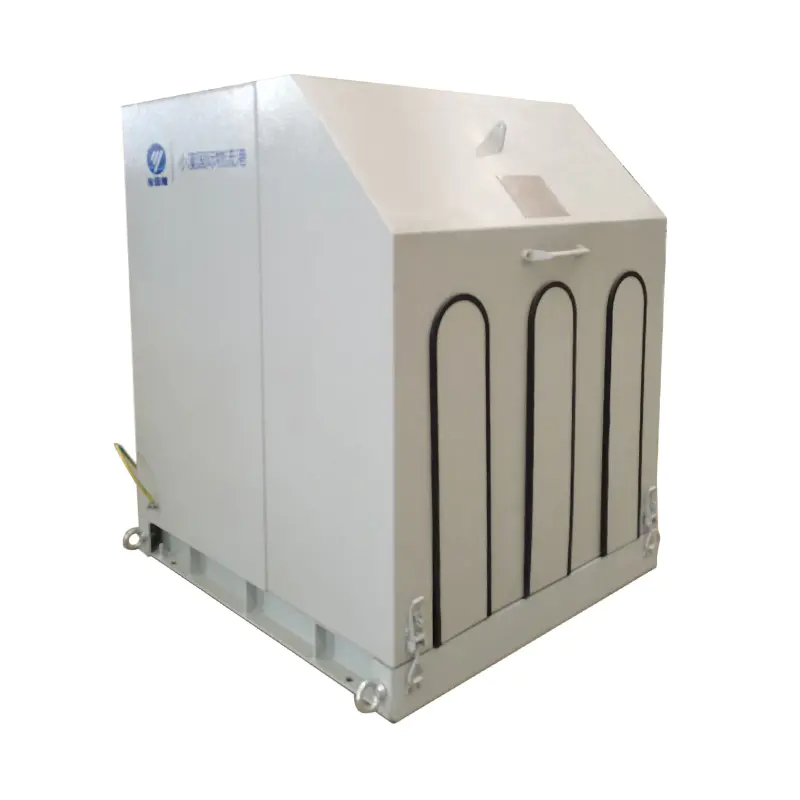
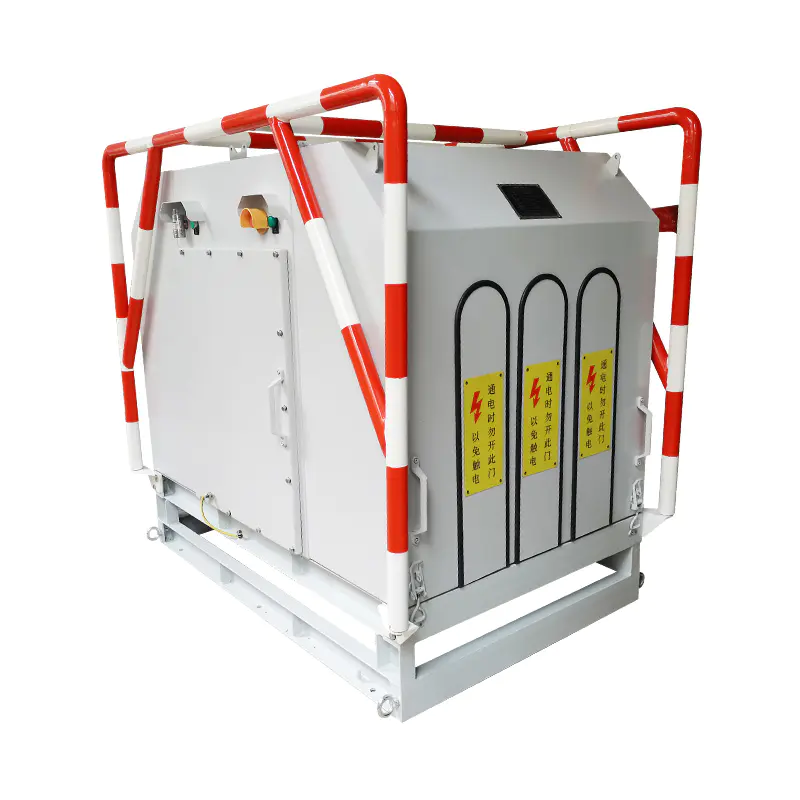
A complete shore power connection system includes several coordinated components beyond just a cable and plug — a dockside power pedestal or distribution point, a weatherproof connector matched between shore and vessel, onboard wiring routed to a shore power inlet, and in many installations, an isolation transformer or galvanic isolator to prevent stray electrical current from causing corrosion on the vessel's underwater metal components.
The term marine shore power system covers everything from small recreational boat setups using a single 30-amp connection up to large commercial vessel and cruise ship installations drawing very high current across multiple phases — the underlying principle is the same across this range, but the equipment scale and safety infrastructure required grow substantially with vessel size and power demand.
Shore Power and Marine Power Connectors
Shore power connectors have to satisfy requirements that standard electrical plugs don't need to meet — sealed against saltwater and spray, resistant to corrosion from constant marine air exposure, and mechanically robust enough to handle repeated connect-disconnect cycles and occasional rough handling on a dock without failing electrically or mechanically.
Locking mechanisms are standard on virtually all marine-grade connectors, since a connector that could work loose from vessel movement, wind, or wave action creates both a power interruption risk and a serious safety hazard if it disconnects partially rather than cleanly. Twist-lock designs remain common for smaller recreational vessel connections, while larger vessels and commercial installations more often use pin-and-sleeve style marine power connectors and marine electrical connectors with a positive mechanical latch rather than relying on a twist-lock alone.
Connector current and voltage ratings need to match the vessel's shore power inlet exactly — mismatched connectors are a common installation error, and adapter cables that step between different amperage or configuration standards need to be rated for the lower of the two connected systems' capacities, not simply the cable's own conductor size.
Industrial and Heavy Duty Power Connectors
Beyond marine use, the same underlying connector technology shows up broadly across industrial power distribution. Industrial power connectors are built for environments where standard household-grade plugs and receptacles simply aren't durable or safe enough — construction sites, manufacturing floors, temporary event power, and outdoor equipment installations all demand connectors that can handle dust, moisture, vibration, and frequent connect-disconnect cycling without degrading.
Heavy duty industrial connectors distinguish themselves through reinforced housings (often glass-reinforced polyamide or similar impact-resistant plastics), higher current and voltage ratings than commercial-grade equivalents, and contact designs engineered to maintain reliable connection quality across thousands of mating cycles rather than the occasional plug-in a household outlet sees.
CEE Industrial Connectors Explained
CEE industrial connectors follow an international standard (IEC 60309) for industrial plugs and sockets, widely adopted across Europe and recognized globally as a common reference point for industrial power connection equipment. The standard defines a color-coding and pin-configuration system tied directly to voltage and current rating, which lets an installer or electrician identify a connector's electrical specification visually without needing to check documentation or a nameplate.
Blue connectors indicate single-phase 230V circuits, red connectors indicate three-phase 400V circuits, and yellow connectors indicate low-voltage 110V circuits commonly used for portable tools on construction sites for added shock safety — this color system is one of the standard's most practical features, since it makes mismatched connections visually obvious before they're even plugged in, reducing the risk of connecting equipment to an incompatible supply.
Because CEE connectors are built around this same standardized physical and electrical interface across manufacturers, equipment using CEE-compliant connectors can generally be mixed and matched between brands, which is a meaningful practical advantage for facilities or vessels that need to source replacement connectors or cables without being locked into a single proprietary connector system.
Power Distribution Boxes for Industrial and Marine Use
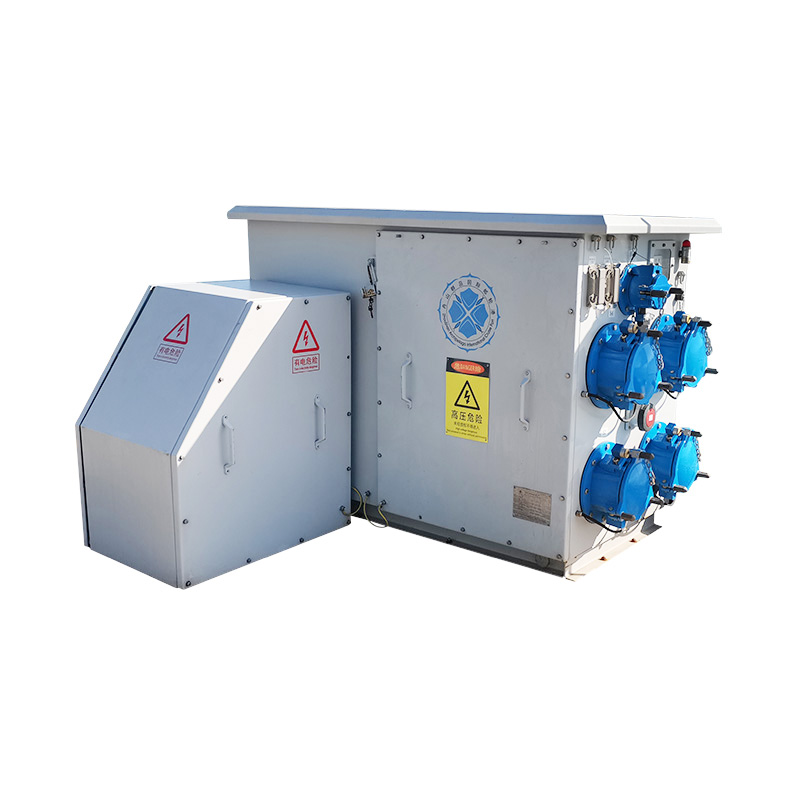
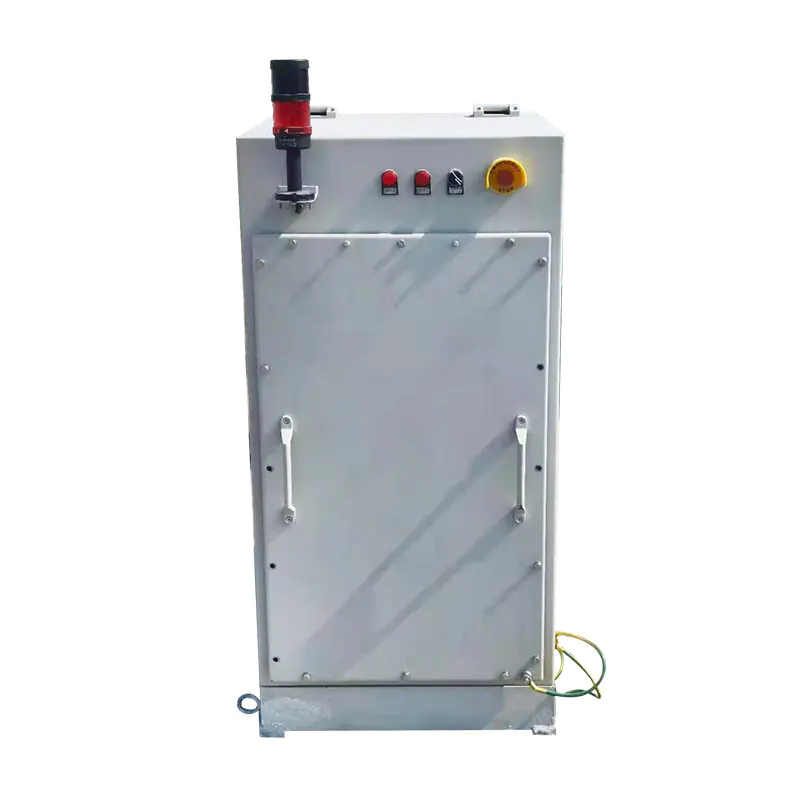
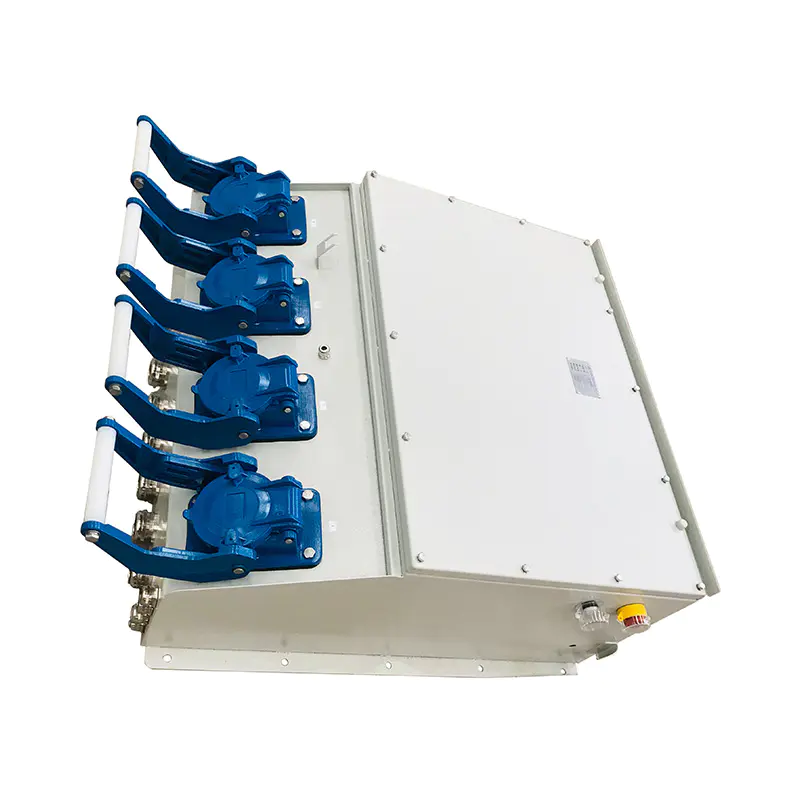
Power distribution boxes take a single incoming power feed — from a shore connection, generator, or main electrical service — and split it into multiple protected outlets or circuits, typically with individual circuit breakers or fuses for each output to isolate faults without taking down the entire distribution point.
An industrial power distribution box used on a job site or manufacturing floor generally includes multiple output circuits at varying voltage and current ratings to serve different equipment simultaneously, along with residual current protection (RCD/GFCI) to reduce shock risk in environments where cables and equipment are exposed to moisture, dust, or physical damage more than in a typical fixed indoor installation.
A waterproof power distribution box is essential for any outdoor, marine, or wash-down industrial environment, and the enclosure's ingress protection rating is the specification that actually determines suitability — a distribution box rated only for indoor, dry-location use will fail prematurely if installed in an environment with direct water exposure, regardless of how robust its internal circuit protection components are.
IP67 Waterproof Connectors and Ingress Protection Ratings
Ingress protection (IP) ratings use a two-digit code to specify how well an enclosure or connector resists solid particles and liquid intrusion — the first digit covers dust and solid object protection, the second covers water resistance. IP67 waterproof connectors specifically means full dust-tight protection (the "6") combined with the ability to withstand temporary submersion in up to one meter of water for up to 30 minutes (the "7").
| IP Rating | Water Protection Level | Suitable Environment |
|---|---|---|
| IP44 | Splash resistant from any direction | Covered outdoor areas, light rain exposure |
| IP65 | Protected against low-pressure water jets | Outdoor equipment, wash-down areas |
| IP67 | Withstands temporary submersion | Marine dock connections, flood-prone areas, heavy rain exposure |
| IP68 | Withstands continuous submersion beyond 1m | Underwater or permanently submerged installations |
For shore power and dock-level connections, which regularly face rain, wave spray, and occasional temporary flooding around dock fittings, IP67 is generally treated as the practical minimum rating rather than an optional upgrade — a lower-rated connector in this environment isn't a matter of reduced performance, it's a realistic risk of water ingress and electrical failure.
High Current Industrial Connectors
High current industrial connectors are engineered around a different set of priorities than lower-amperage connectors — contact surface area, contact material, and heat dissipation all become significantly more important as current draw increases, since resistive heating at a connection point scales with the square of current, meaning even small increases in current can produce disproportionately more heat at an undersized or poorly maintained contact.
Contact materials for high-current applications are typically silver-plated copper or similar low-resistance alloys, chosen specifically to minimize contact resistance and the associated heat buildup at the connection point. Poor contact quality — from wear, corrosion, or a connector rated below the actual current draw — is one of the more common causes of connector failure and, in serious cases, fire risk in high-current industrial and marine power systems, which is why current rating should never be treated as a soft limit that can be safely exceeded for convenience.
Choosing Shore Power Equipment and Solutions
Selecting the right shore power equipment and building out complete shore power solutions comes down to matching a handful of specifications against the actual vessel or facility's power demands rather than defaulting to whatever connector happens to be available at a given dock:
- Match current and voltage rating to actual load — undersized connectors and cables run hot under sustained load, while oversizing wastes cost without added benefit beyond a reasonable safety margin.
- Confirm IP rating suits the installation environment — exposed dock and deck-level connections generally warrant IP67 at minimum, regardless of how the connector is otherwise specified.
- Standardize on a recognized connector system where possible — CEE-compliant equipment simplifies sourcing replacement parts and adapters compared to proprietary connector systems.
- Include appropriate circuit protection — distribution boxes with individual breaker-protected outputs and RCD/GFCI protection reduce both equipment damage risk and shock hazard in wet environments.
- Account for galvanic isolation on vessels — an isolation transformer or galvanic isolator protects underwater metal components from stray current corrosion when connected to shore power, a consideration specific to marine installations that doesn't apply to purely land-based industrial power setups.
Cutting corners on IP rating or current capacity to save on upfront equipment cost is one of the most common mistakes in shore power and industrial connector selection — the failure modes for undersized or under-sealed connectors in these environments tend to be sudden rather than gradual, showing up as connector failure, corrosion damage, or in worst cases a safety incident, rather than a slow, easily noticed performance decline.