

 русский

Cable rollers are among the most practical tools in any cable installation project. They guide and support cables as they are pulled through trenches, ducts, and cable trays, reducing friction and preventing damage to the cable jacket. For engineers and contractors involved in power distribution, port shore power installation, or industrial wiring, understanding how to select and use cable rollers correctly can make the difference between a smooth, safe project and a costly, dangerous one.
Content
- 1 What Is a Cable Roller and Why Does It Matter?
- 2 Common Types of Cable Rollers
- 3 How Cable Rollers Work with Cable Pulling Winches
- 4 Motor-Driven Cable Reels: When Automated Cable Handling Is the Better Choice
- 5 Key Factors in Selecting Cable Rollers
- 6 Safety and Maintenance Tips for Cable Rollers
- 7 Building a Reliable Cable Handling System
What Is a Cable Roller and Why Does It Matter?
A cable roller, sometimes called a cable guide roller or cable pulley, is a frame-mounted rotating cylinder that supports a cable while it is being laid or pulled. The roller lets the cable move smoothly in its intended direction instead of dragging against the ground, duct edges, or other abrasive surfaces. This matters more than it may seem: even minor abrasion can compromise a cable's protective jacket and lead to premature failure.
In large-scale installations, power cables can weigh several kilograms per meter, and the friction over a long pull creates serious resistance. Without rollers, the pulling force quickly exceeds safe limits, stretching the conductor or damaging insulation. By spreading the cable's weight across support points, rollers keep tension within acceptable values and protect the cable and equipment alike.
Common Types of Cable Rollers
Different installation conditions call for different roller designs. Here are the most common types used in cable-laying work:
- Straight cable rollers support cables along straight runs in trenches, on the ground, or across cable trays.
- Corner or bend rollers guide cables around turns while keeping the bending radius within safe limits.
- Trench rollers are mounted on adjustable stands inside open trenches, keeping the cable aligned with duct entrances.
- Vertical rollers support cables being lowered into shafts, risers, or vertical trays and prevent rubbing against structural edges.
- Horizontal rollers are used for side pulls, where a cable needs to be moved laterally into position.
- Roller banks, also called quadrant rollers, combine multiple rollers in one frame to safely handle heavy cable at steep angles.
- Braked cable rollers provide controlled payout when cable must be lowered slowly down a slope or into a deep trench.
The right roller type depends on the geometry of the cable route, the weight of the cable, and the pulling method. A simple straight trench may need nothing more than a few well-spaced straight rollers; a complex route with several bends will require a combination of straight, corner, and vertical units.
How Cable Rollers Work with Cable Pulling Winches
Cable rollers and cable pulling winches work as a pair. The winch supplies pulling force, while rollers reduce friction and protect the cable along the route. Without a well-planned roller system, even a powerful winch will struggle, and the risk of cable damage rises sharply.
Take a typical port shore power installation. The pulling winch sits at the destination, with rollers spaced along the route. The first roller is placed close to the winch drum so the cable leaves at a controlled angle. Additional rollers are spaced according to the cable's weight per meter and the maximum acceptable sag between supports.
As a general rule, the heavier the cable, the closer the rollers. For medium-voltage power cables, spacing of 3 to 5 meters in straight runs is common; always confirm this against the cable data sheet. At every support point, the bending radius must stay above the cable manufacturer's minimum. When pulling through ducts, a roller at the duct mouth guides the cable directly into the opening without sharp bending.
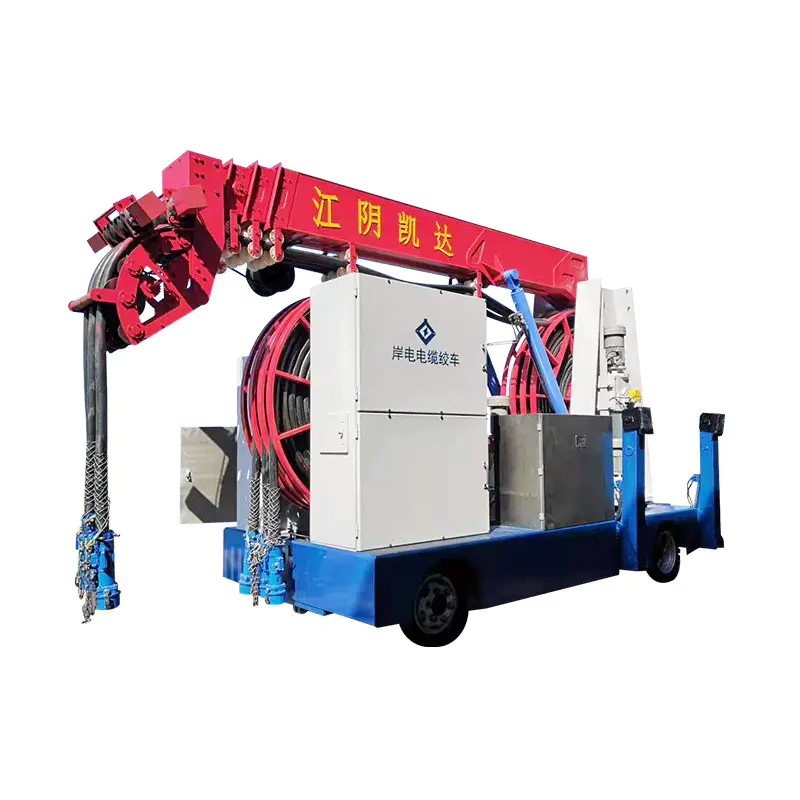
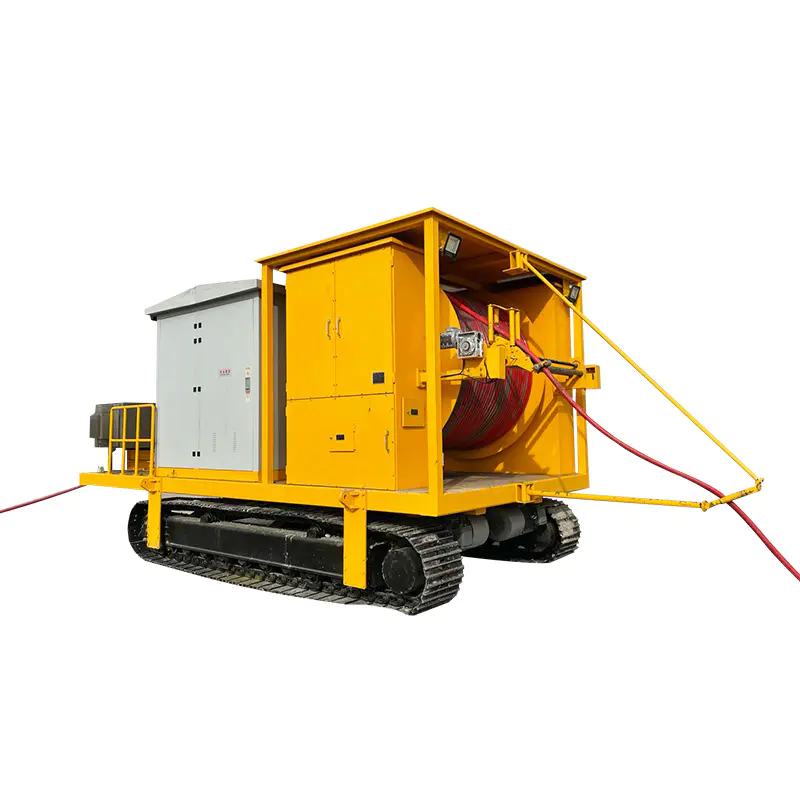
For projects that demand high pulling forces over long distances, a properly rated pulling winch is essential. To understand how winch capacity, drum size, and braking systems affect your installation, take a look at our guide to cable pulling winch machine types, specifications, and selection.
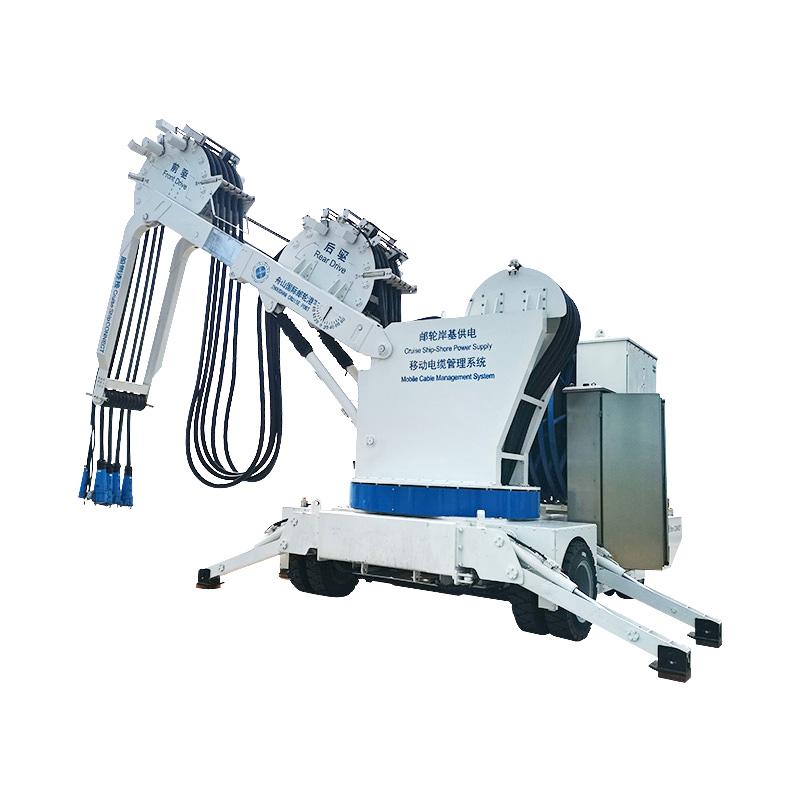
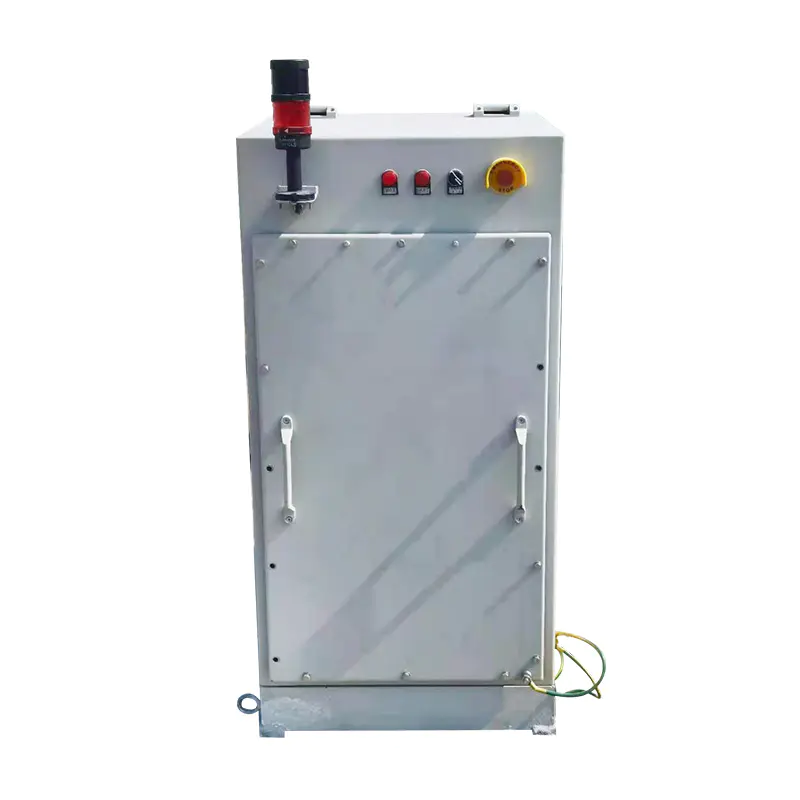
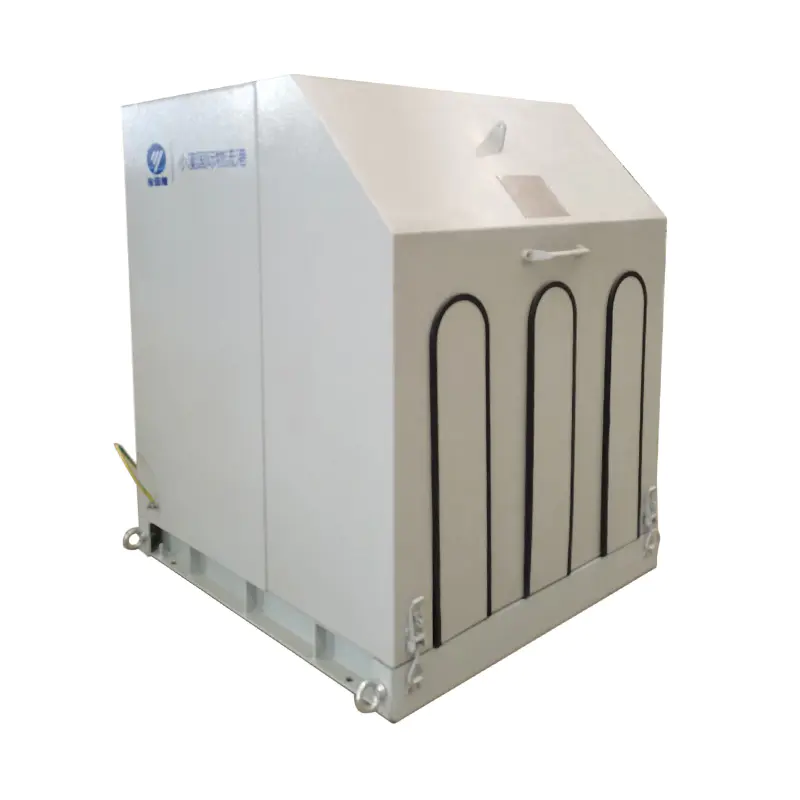
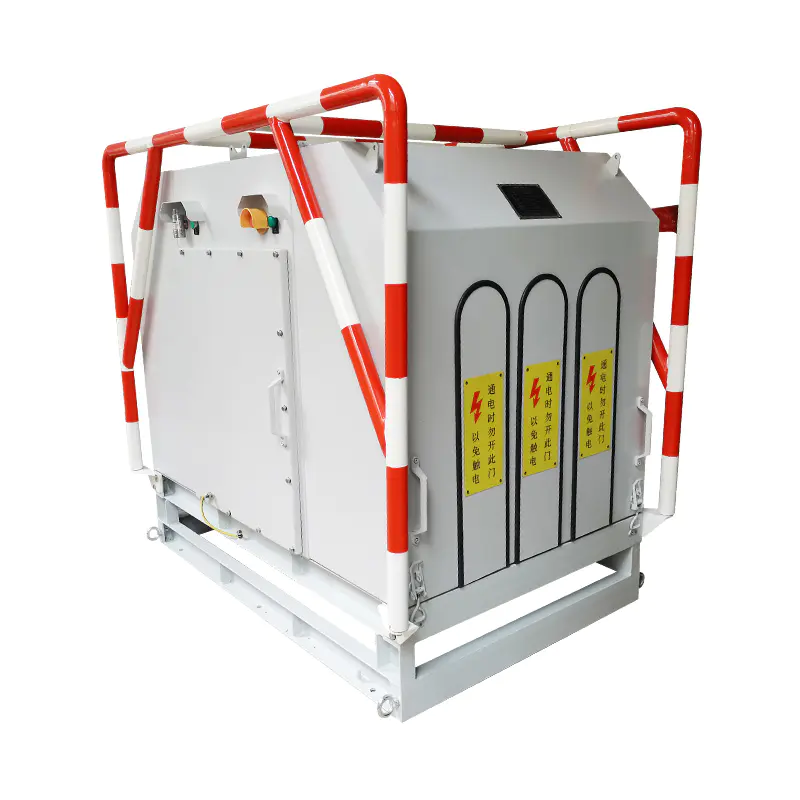
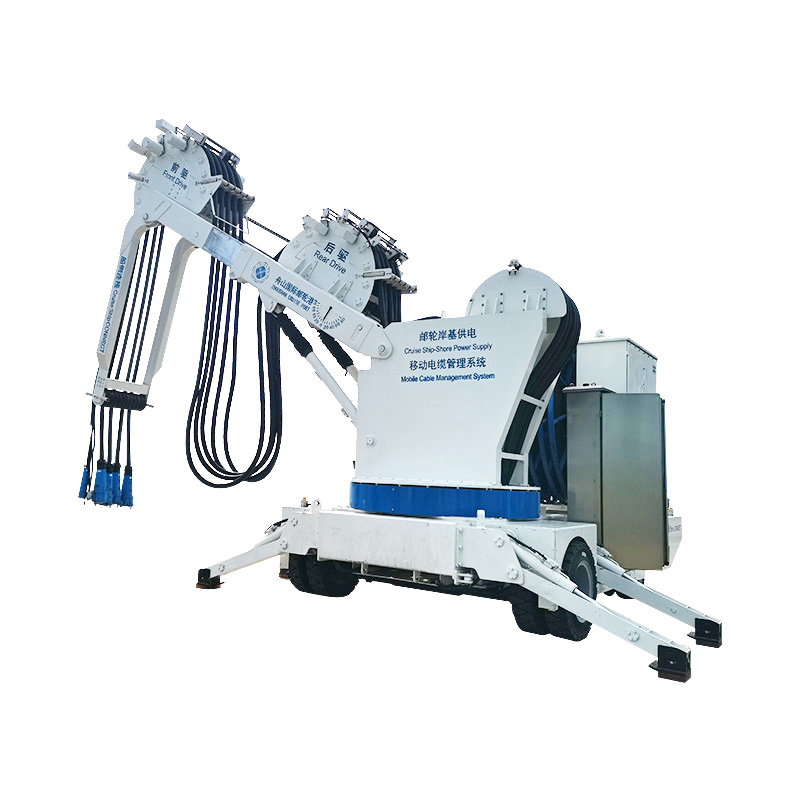 Cable Pulling Winches for Industrial and Marine ApplicationsThis category covers winches designed for shore power, marine, mining, and industrial cable handling. Discover how integrated systems handle high pulling forces safely and efficiently.View Product →
In our production program, cable pulling winches are designed for shore power systems, marine applications, mining operations, and general industrial cable work. The winch, the rollers, and the cable should be considered as one system.
Motor-Driven Cable Reels: When Automated Cable Handling Is the Better Choice
There is a clear distinction between cable rollers and motor-driven cable reels. Rollers are passive guides that help during cable-laying. A motor-driven cable reel, on the other hand, is an active system that automatically pays out and retrieves cable on demand. These tools often serve different parts of the same project.
Motor-driven cable reels excel in applications where cable must be extended and retracted repeatedly, such as quay cranes, gantry cranes, moving equipment, and shore power connections. Instead of manual coiling or gravity reels, the motor drive maintains proper tension and lays the cable evenly onto the drum, which extends cable life and reduces downtime.
In practice, you might use a motor-driven cable reel on the equipment itself, while rollers are used only during the initial installation of the supply line. A port crane with a motor-driven reel, for instance, can connect and disconnect from shore power quickly, while the fixed supply cable is installed once using rollers and a pulling winch.
When selecting between rollers, reels, and winches, the key question is not which tool is better, but which tool matches the duty cycle and route of your cable. If the cable moves frequently, a motor-driven reel is worth considering.
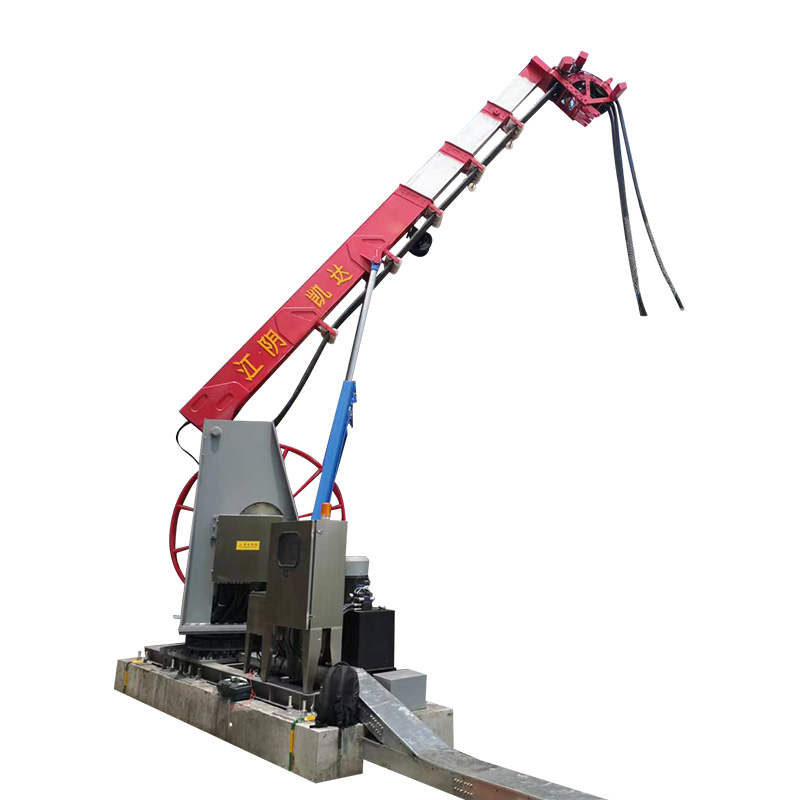
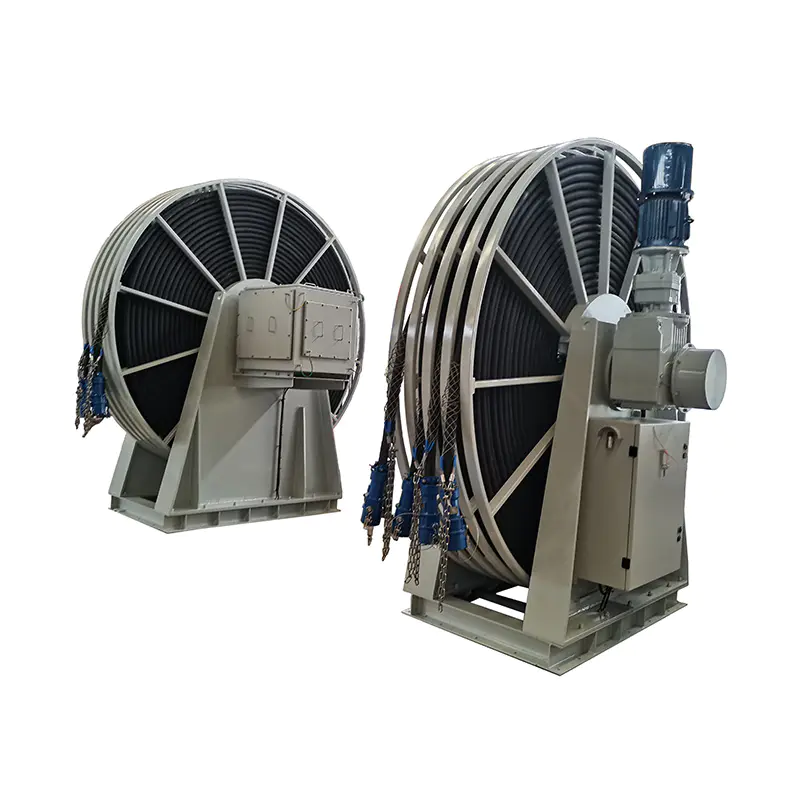
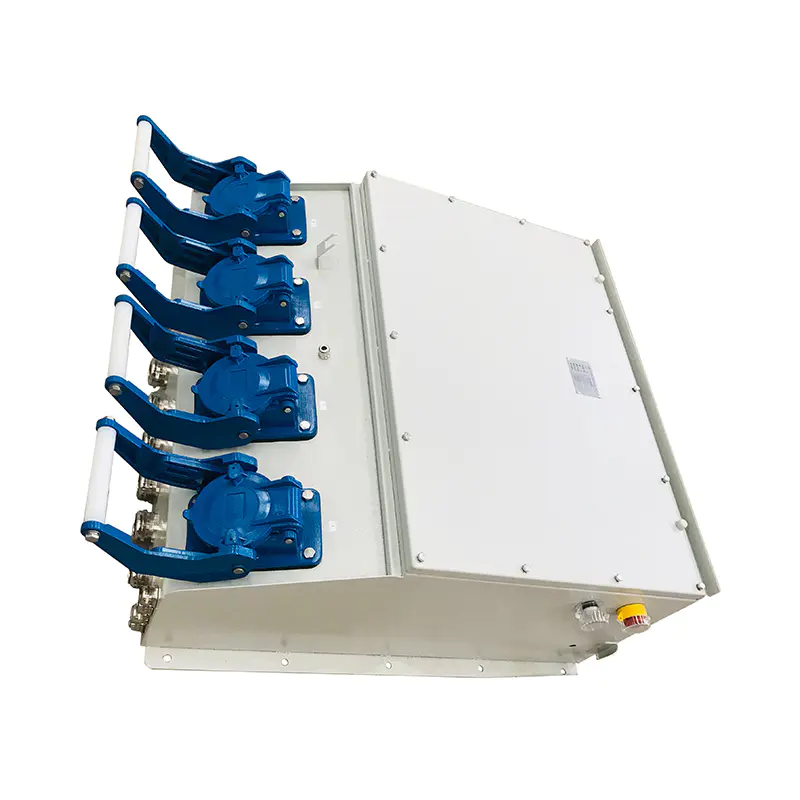
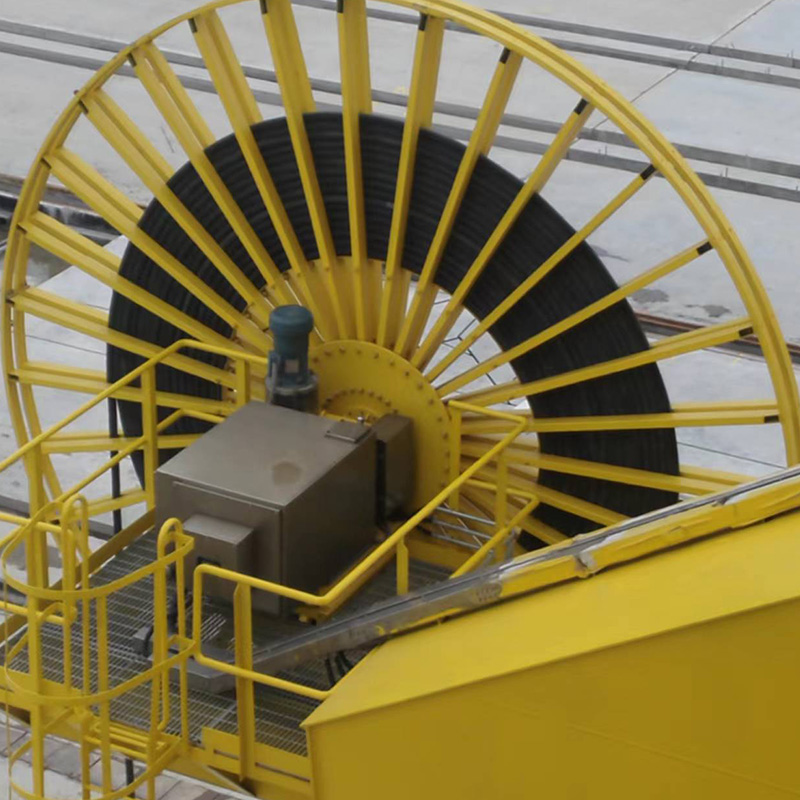 Motor-Driven Cable Reel with Tension Control for Frequent MovementIdeal for cables that move often, this motor-driven reel offers precise winding and constant tension to prevent damage, supporting continuous industrial use with smooth operation.View Product →
Our motor-driven cable reels are built for continuous industrial use, with torque control and cable-guide systems that keep the cable wound evenly even during rapid extension and retrieval.
Key Factors in Selecting Cable Rollers
Choosing the right cable roller depends on several factors that should be evaluated before work begins. The table below sums up what we consider essential:
| Factor | What to Consider | Typical Options |
|---|---|---|
| Roller material | Balance strength with cable protection | Nylon, aluminum, steel |
| Load capacity | Must support cable weight per roller spacing | 100 kg to 5,000 kg |
| Cable diameter range | Roller groove must match cable size | 10 mm to over 150 mm |
| Bend radius control | Prevents exceeding limits on tight routes | Fixed or adjustable radius |
| Environmental resistance | Corrosion protection for outdoor and marine use | Galvanized, stainless steel |
In marine and coastal environments, corrosion resistance is often the deciding factor. Frames with galvanized or stainless steel finishes stand up to salt air much better than plain painted steel. In indoor industrial settings, lightweight aluminum or nylon rollers are easier to handle and usually sufficient.
Safety and Maintenance Tips for Cable Rollers
Good maintenance and safe practices make cable rollers last longer and keep installations accident-free. Here is what our engineers regularly recommend:
- Inspect rollers before each project. Look for worn bearings, cracked frames, and damaged roller surfaces that could snag the cable.
- Check that all rollers in a run are aligned. Misalignment creates side loads on the cable, which can cause jacket damage or even conductor breakage.
- Place the first roller close to the winch or reel drum so the cable leaves at a controlled angle.
- Never exceed the rated load of a roller. An overloaded roller can fail suddenly and create a serious safety hazard.
- Re-check roller spacing during long pulls, especially where the route crosses uneven ground or changes direction.
- In marine or dusty environments, clean and lubricate rollers after each job to keep rotation smooth and prevent corrosion.
Building a Reliable Cable Handling System
Cable rollers are small components, but their effect on installation quality is large. A well-planned roller setup reduces pulling tension, protects the cable, and keeps the crew safe. Combined with the right pulling winch or, where the cable moves repeatedly, a motor-driven cable reel, rollers complete a professional cable handling system.
At Jiangyin Kaida Mechanical and Electrical Manufacturing, we have spent more than two decades designing cable winches, motor-driven cable reels, and shore power connection equipment for ports, shipyards, mines, and industrial plants worldwide. If you are planning a cable installation and need help choosing the right combination of winch, reel, and rollers, we are glad to help. Explore the rest of our website to learn more about our production capabilities and product range.