

 русский

Every electrical crew knows the moment when a long cable pull stops feeling like work and starts feeling like a fight. The right electrical wire puller tool changes that. It saves hours, reduces physical strain, and protects the cable from being damaged. At Jiangyin Kaida, we have spent more than twenty years building cable handling systems for ports, ships, mines, and industrial plants. Along the way, we have learned that choosing the right tool is not just about pulling power; it is about control, safety, and matching the equipment to the actual route.
This guide covers the basics of selecting an electrical wire puller tool, explains when a powered winch is worth the investment, and offers practical advice from years of field use and custom manufacturing.
Content
What Is an Electrical Wire Puller Tool?
An electrical wire puller tool is any device that helps route cable from one point to another. In light-duty residential work, a fish tape, pulling rope, and a wire-pulling grip often do the job. In commercial and industrial settings, the cable is heavier, the route is longer, and the pulling force needed is beyond what a crew can safely handle by hand. That is where a powered cable pulling winch becomes the real tool.
You may hear different names for the same category of equipment: cable puller, wire puller, cable tugger, or cable pulling winch. Whatever the name, the goal is the same: move the cable without overstressing the conductors or straining the crew.
How to Choose an Electrical Wire Puller Tool
There is no universal size. Choosing the right tool starts with understanding the cable, the route, and the working conditions. Over the years, we have seen projects saved by good selection and slowed down by equipment that was technically powerful but not suited to the job.
| Factor | Why It Matters |
|---|---|
| Cable size and route | Bigger conductors and more bends create more friction and require higher pulling force. |
| Pulling distance | Long pulls mean more rope on the drum and more attention to tension over time. |
| Drum design | A drum that is too small can bend the cable beyond its minimum radius and damage the insulation. |
| Brake and stop control | The machine must hold, stop, and slowly release the load at any point in the pull. |
| Power source | Electric drive gives smooth, controllable output, especially where speed regulation matters. |
Use these factors to define the minimum machine, not the maximum. Pulling too fast can damage cable. Pulling with too much force can crush conductors. A machine that can creep at low speed and stop precisely is usually more valuable than one with a very high maximum speed.
Manual Tools vs Powered Pullers
Manual wire puller tools have a place. They are portable, quiet, and ideal for light cable and short conduit runs. For larger feeders, switchgear, and long underground duct banks, a powered puller is safer because it applies consistent tension and can stop on demand.
The decision is not about whether one method is more professional. It is about the forces involved. When the route includes several bends or the cable is thick enough to make the job a two-person struggle, powered equipment reduces the risk of injury and cable damage.
Cable Puller Configurations We Know Well
We design cable pulling winches for applications where wire pulling is too heavy for a hand tool. Three configurations show how the tool has to fit the environment.
Marine and Shore Power Cable Handling
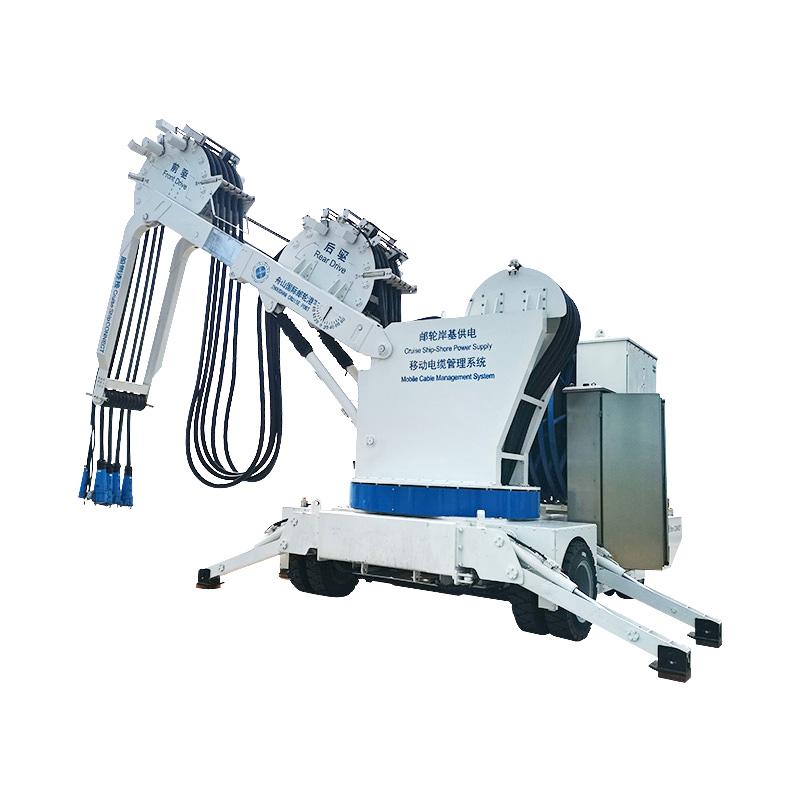
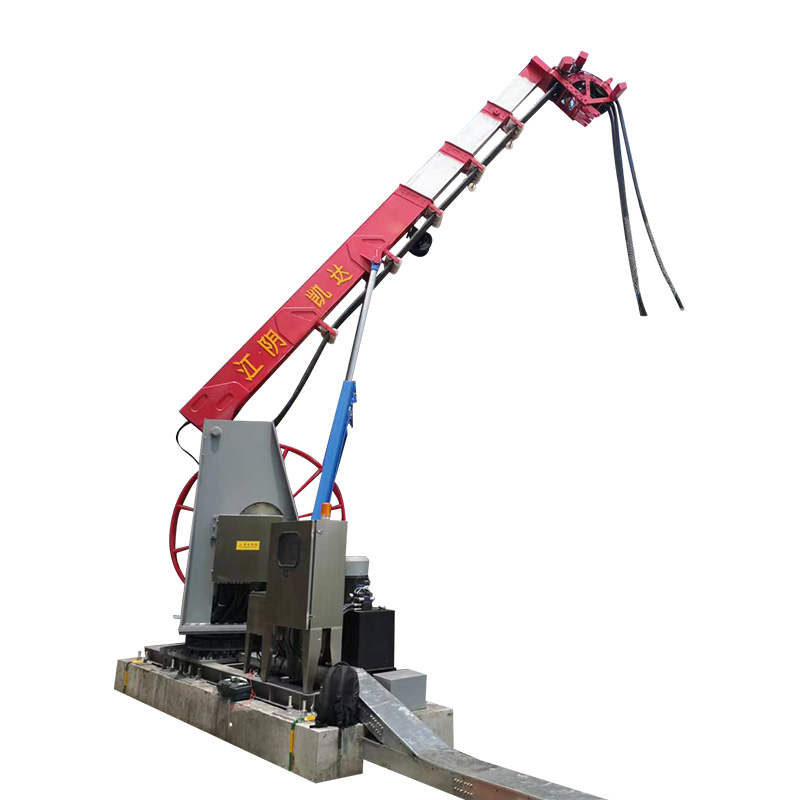
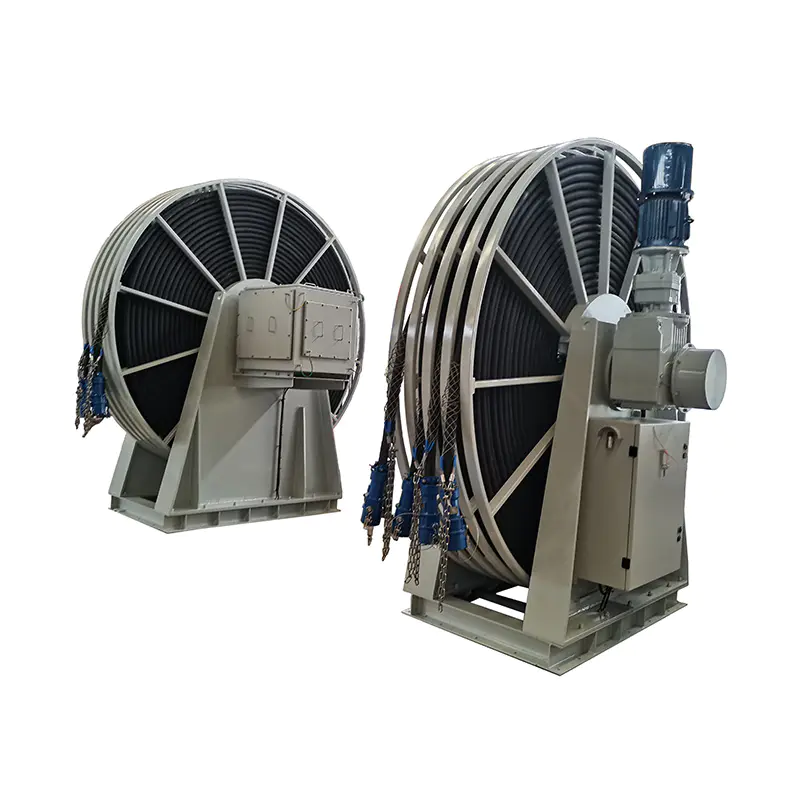
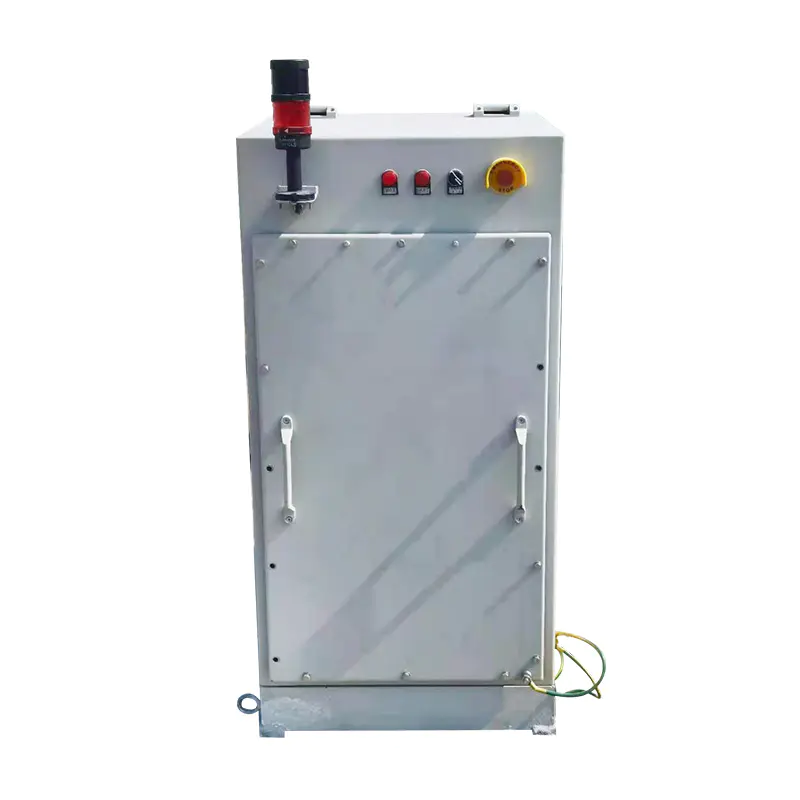
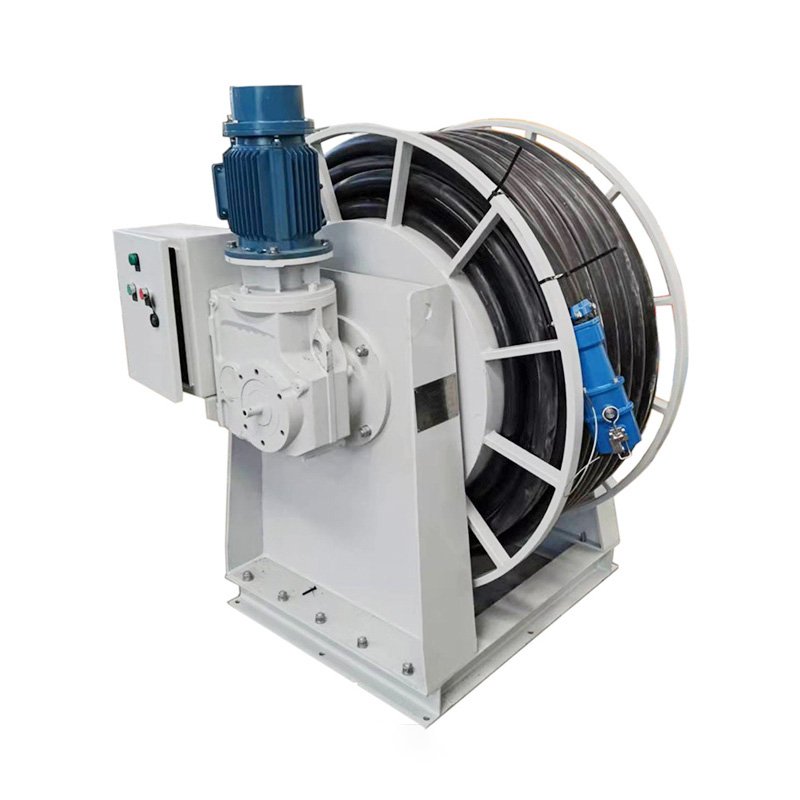 Marine Cable Pulling Winch for Controlled Shore Power ConnectionsThis winch stores, collects, and releases heavy shore power cables with automatic management, reducing crew effort and ensuring stable tension during docking operations.View Product →
Ships connecting to shore power use heavy cables that are difficult to lift and control by hand. A marine cable pulling winch pays out and recovers the cable under control, keeping tension steady and reducing the number of crew members needed at the shore connection.
Self-Propelled Pulling for Dockside Moves
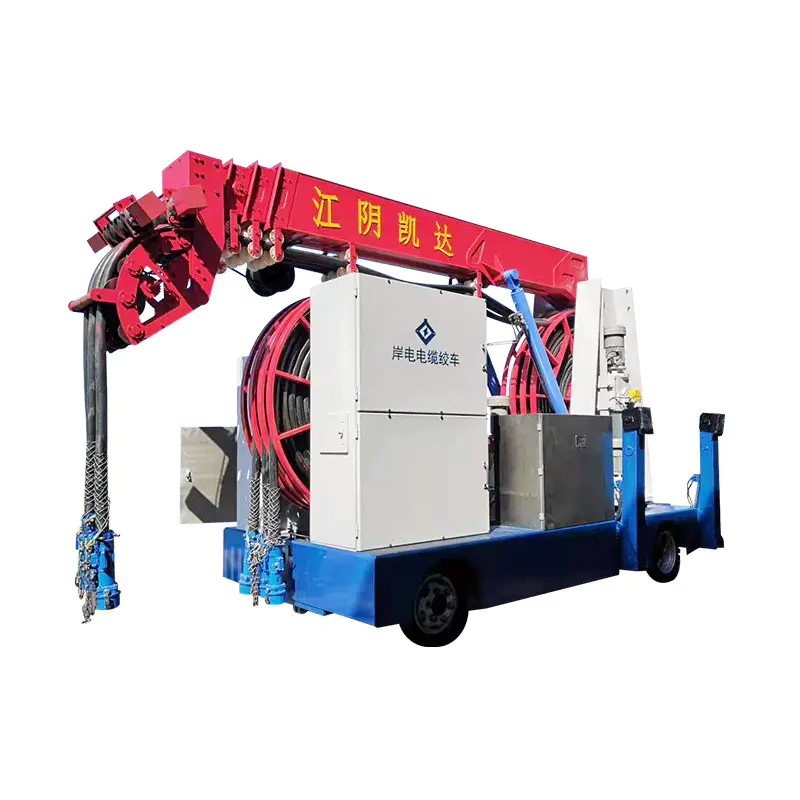
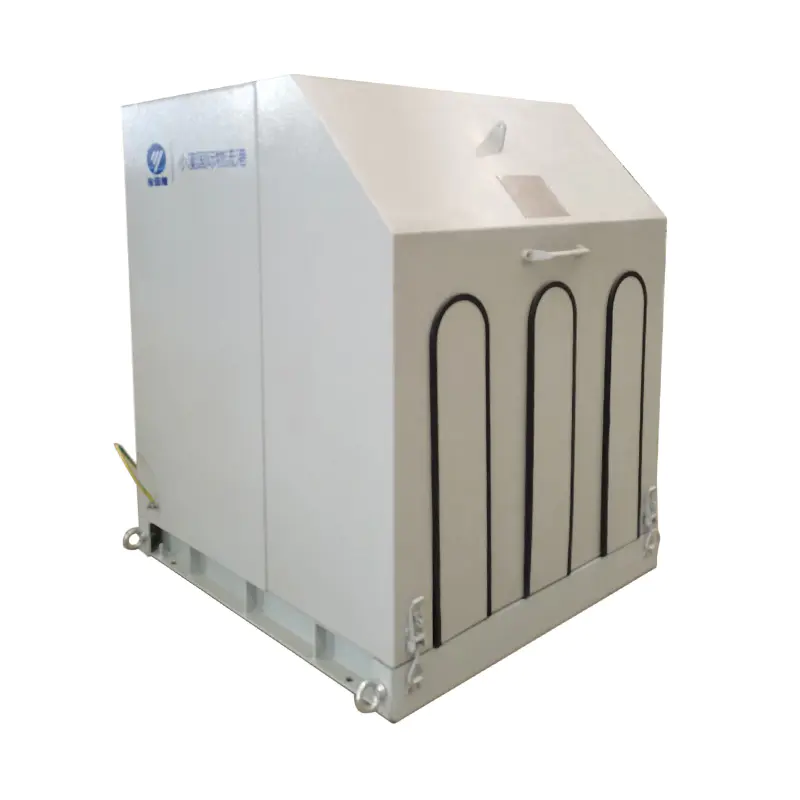
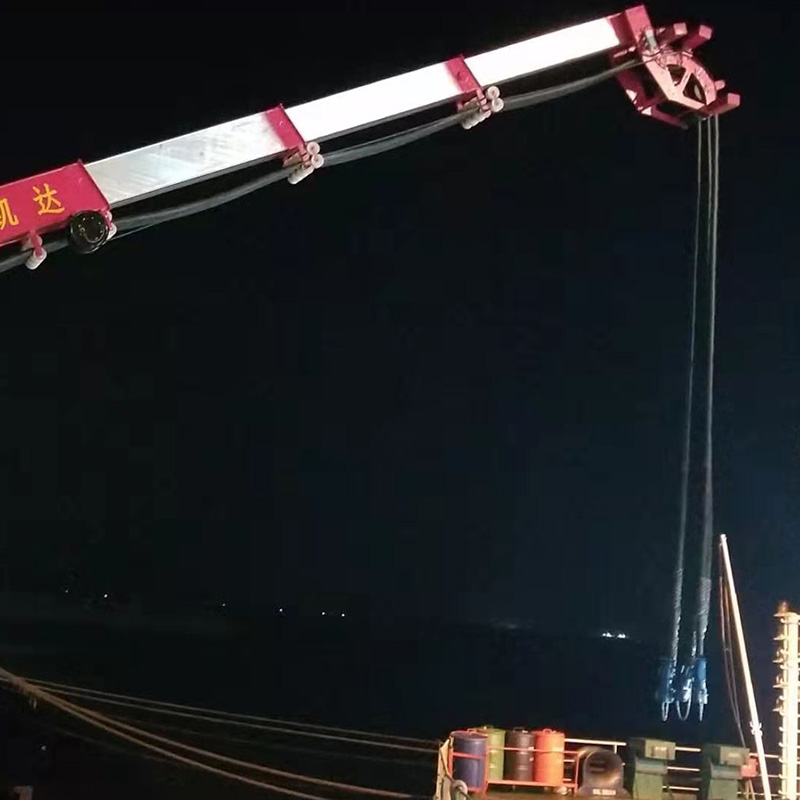 Self-Propelled Shore Power Cable Pulling Winch for Flexible DockingThis self-driving winch moves along the dock to position and retrieve cables without external power, improving flexibility and safety when berth positions change.View Product →
At some terminals, the vessel berth changes, and so does the cable connection point. A self-propelled shore power cable pulling winch can move along the dock with the cable, which makes the operation more flexible and safer for the team handling the connection.
Trailing Cable Management for Electric Shovels
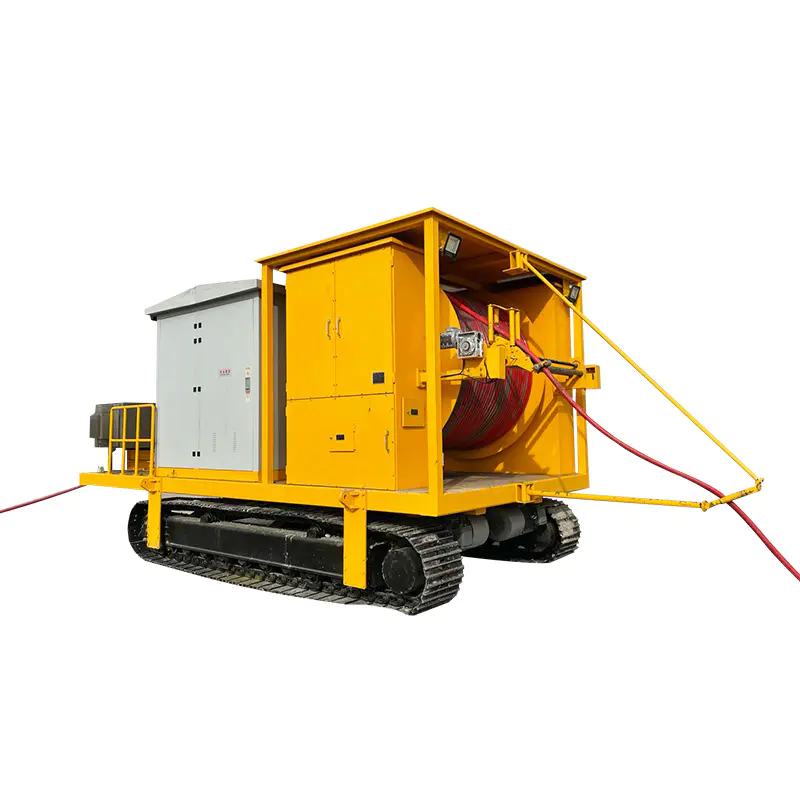
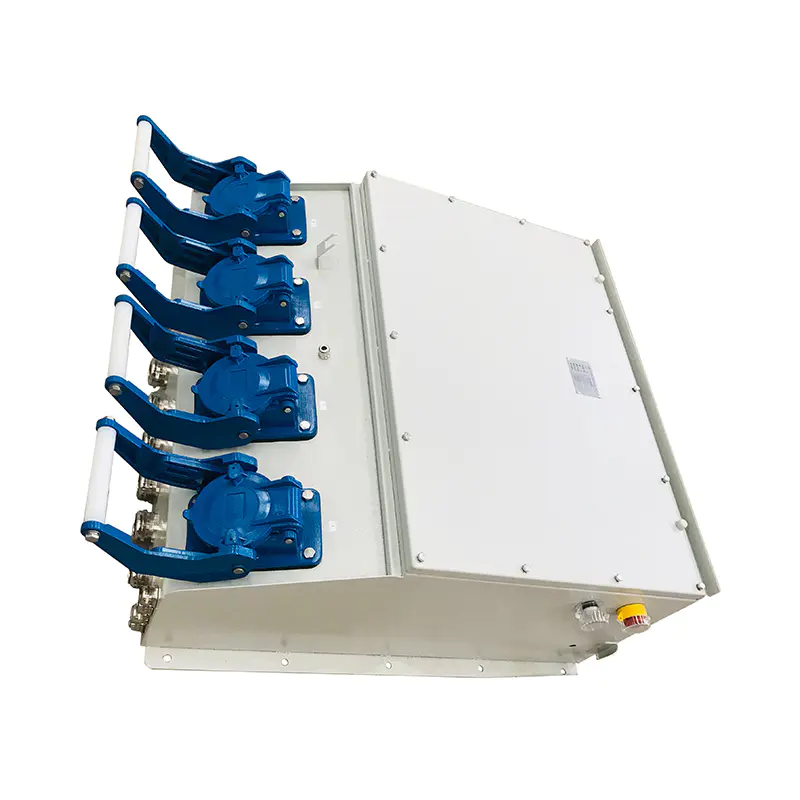
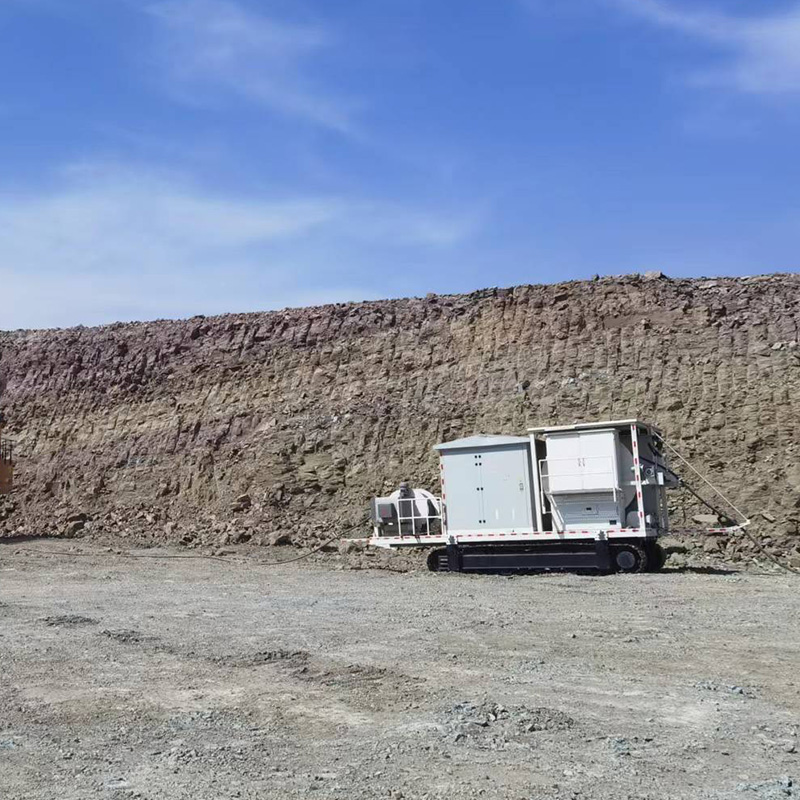 Electric Shovel Tail Cable Pulling Winch for Open-Pit MiningThis crawler-mounted winch automatically manages the cable feeding an electric shovel, adapting to mine conditions and protecting the cable from damage while following the machine.View Product →
In open-pit mining, an electric shovel pulls its own power cable as it moves. The cable must be guided and stored so it does not get crushed or stretched. An electric shovel tail cable pulling winch manages the tail cable automatically, which keeps the work area cleaner and the cable safer.
These examples are not just product names. They are solutions to specific operational problems. When choosing an electrical wire puller tool, look for the same fit between machine and application.
Using an Electrical Wire Puller Tool Safely
A powerful puller is only safe when the job site follows the right process. In our experience, the following basics prevent most problems:
- Inspect the cable, pulling grip, swivel, and winch before starting.
- Set the tension limit below the cable manufacturer's recommended maximum.
- Keep everyone clear of the pulling path, especially near bends and the winch drum.
- Use clear communication between the operator and the crew at the cable end.
- Never stand in line with a rope or cable that is under tension.
Before a big pull, even an experienced crew should review the operating and safety basics for electric cable winch pullers. The equipment changes less often than the conditions on the job site, so a quick review is always useful.
At the end of the day, the right electrical wire puller tool is the one that gives you control. That control protects the cable, the crew, and the schedule. It is also why we focus on more than horsepower. Cable handling is about pulling, stopping, guiding, and storing cable in a way that is gentle enough to protect it. If you are planning a new pull or upgrading an old setup, start with the cable and the route, then choose the tool built for both. That is the approach we use in our own workshop, and it is the advice we give to every customer.