

 русский
Content
- 1 Understanding the Electric Cable Winch Puller
- 2 Top 5 Considerations for Your Next Electric Cable Winch Purchase
- 3
- 4 In-Depth Analysis of Low-Competition, High-Value Electric Cable Winch Applications
- 5 The Role of Expert Manufacturing in Cable Winch Innovation
- 6 Future Trends and Technological Advancements in Cable Winch Design
Understanding the Electric Cable Winch Puller
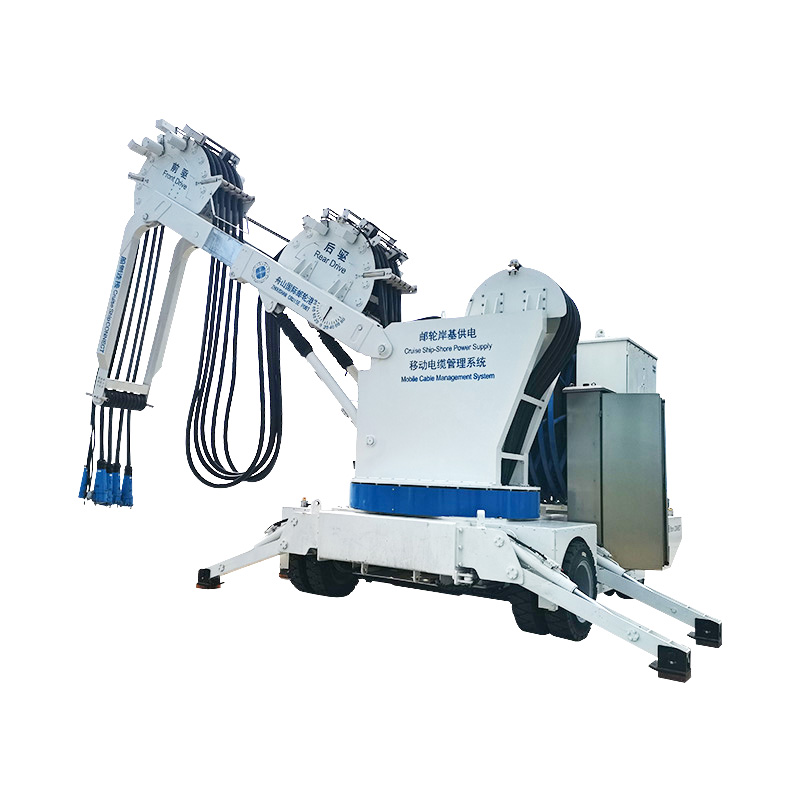
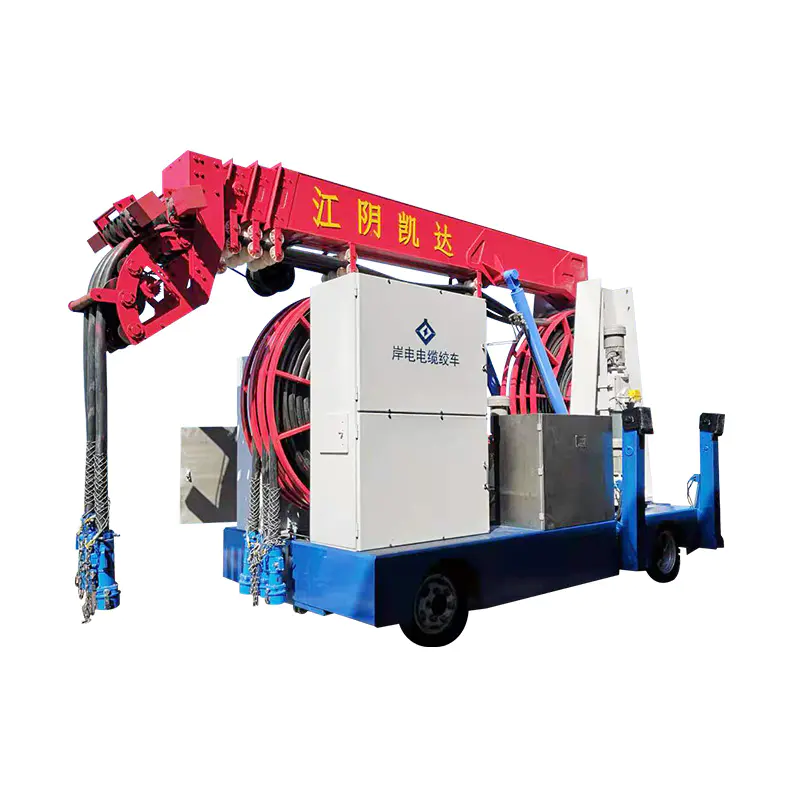
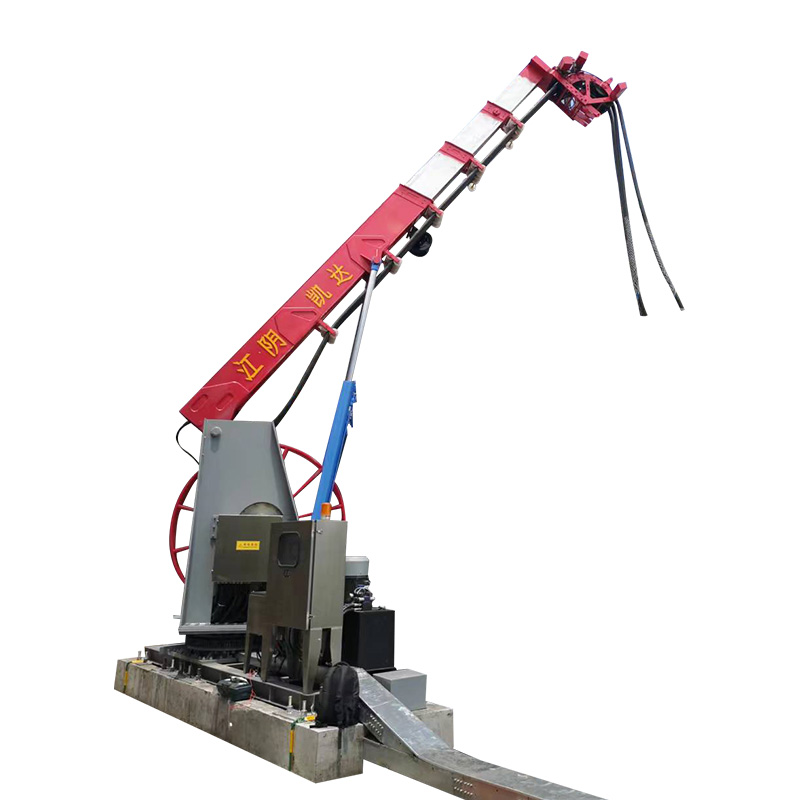
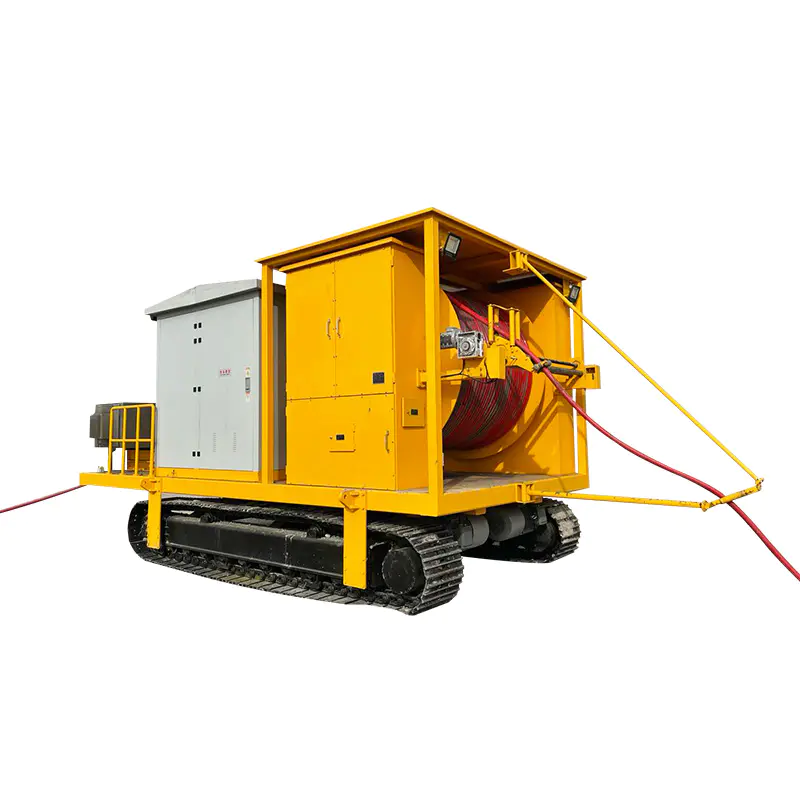
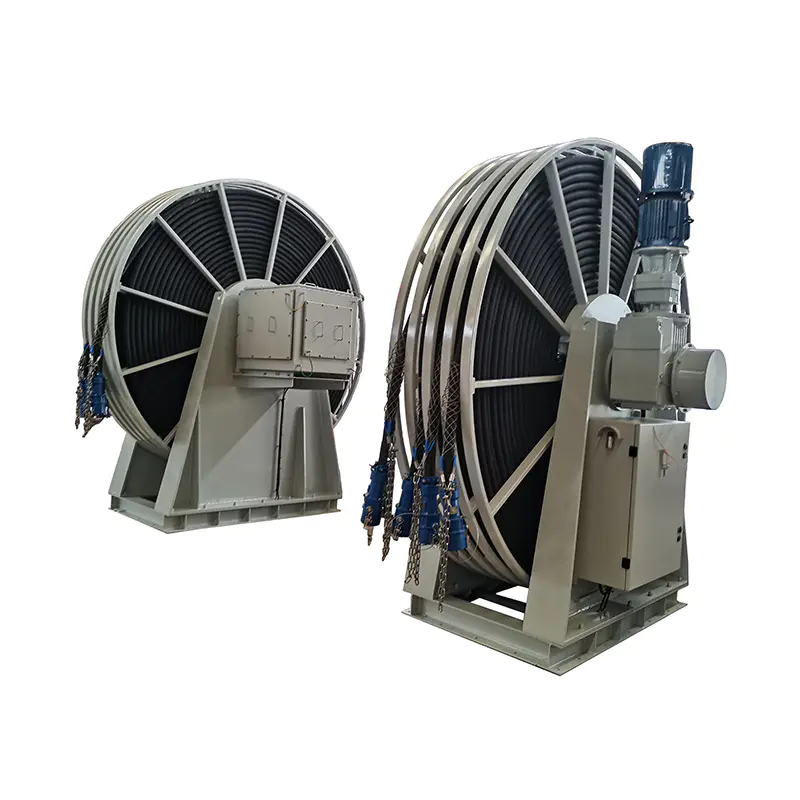
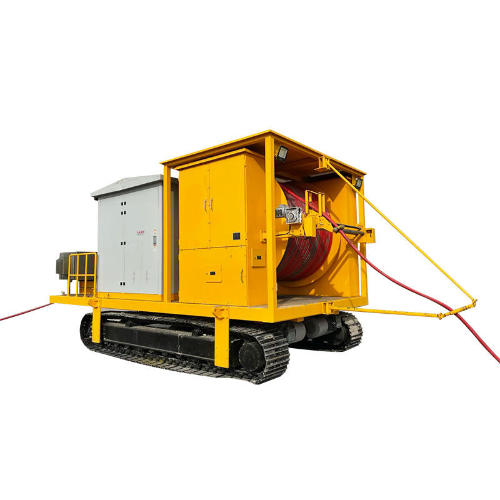
In the realms of construction, maritime operations, industrial maintenance, and utility management, the efficient and safe handling of heavy, cumbersome cables is a persistent challenge. This is where the electric cable winch puller emerges as an indispensable tool. Unlike manual methods or general-purpose winches, an electric cable winch puller is specifically engineered to retrieve, deploy, and tension cables—be they power cables, mooring lines, or industrial wiring—with precision, power, and reliability. The core function revolves around a motor-driven drum that spools the cable, controlled by a system that allows for smooth operation and consistent tension. The importance of selecting the right equipment cannot be overstated, as it directly impacts operational safety, efficiency, and cable longevity. Whether for setting up shore power connections for vessels, managing cables on a film set, or installing cables in a manufacturing facility, the right winch puller transforms a labor-intensive, risky task into a controlled, streamlined process. This guide delves deep into the specifics of these powerful devices, offering insights to help you make an informed decision tailored to your unique requirements.
Top 5 Considerations for Your Next Electric Cable Winch Purchase
Selecting an electric cable winch puller is not a one-size-fits-all decision. Several critical factors must be evaluated to ensure the equipment matches the job's demands, ensuring both performance and durability. Ignoring these aspects can lead to equipment failure, safety hazards, and costly downtime.
Key Performance and Specification Factors
Before any purchase, a thorough assessment of technical specifications is paramount. These are the non-negotiable metrics that determine if a winch can handle your workload.
- Rated Load Capacity: This is the maximum force the winch is designed to exert. It must exceed the weight and tension requirements of your cable, with a significant safety margin, typically 1.5 to 2 times the expected working load.
- Cable Capacity and Diameter: The winch drum must be able to hold the entire length of cable you need to spool. The drum's flange diameter and width determine this. Using a cable thicker than the winch is designed for can cause improper spooling and damage.
- Power Source and Motor Type: Electric winches typically run on AC or DC power. AC motors are common for fixed installations with grid power, while DC models (often 12V/24V) offer portability. Motor power, measured in horsepower or kilowatts, directly relates to pulling speed and efficiency.
- Pulling Speed and Control: The line speed at which the cable is retrieved or deployed is crucial. Some jobs require slow, precise movement, while others benefit from faster operation. Variable speed controls offer the greatest flexibility.
- Duty Cycle: This indicates how long the winch can operate continuously before needing to cool down. Intermittent duty winches are for occasional use, while heavy-duty models are built for prolonged, frequent operation.
Environmental and Operational Considerations
The installation environment profoundly influences the choice of winch. A winch that performs perfectly in a warehouse may fail quickly in a harsh outdoor setting.
- Indoor vs. Outdoor Use: Winches for outdoor use must have robust corrosion protection, such as epoxy coatings or galvanization, and higher ingress protection (IP) ratings against dust and water.
- Temperature and Humidity Range: Electrical components and lubricants have operational limits. Ensure the winch is rated for the ambient temperatures and humidity levels of your worksite.
- Mounting Requirements: Consider how the winch will be mounted—on a wall, a floor, a vehicle, or a portable skid. The mounting structure must be strong enough to handle both the winch's weight and the reactive forces during pulling.
In-Depth Analysis of Low-Competition, High-Value Electric Cable Winch Applications
While electric cable winch pullers are used in many common scenarios, several niche applications present significant opportunities with relatively low competition. Understanding these specific use cases can help in identifying the perfect product for a specialized need.
Best Electric Cable Winch for Home Garage Workshop
The modern home garage workshop has evolved into a space for serious projects, from car restoration to woodworking. Here, an electric cable winch isn't for lifting engines alone; it's a versatile tool for material handling, positioning heavy equipment, and even organizing long, heavy extension cords or welding cables. The key requirements for this environment are moderate capacity, user-friendliness, safety, and relatively quiet operation. A winch for a home garage typically doesn't need the extreme durability of an industrial model but must be reliable and easy for a single operator to control. Features like remote control, overload protection, and a compact footprint are highly desirable. When comparing options, a homeowner should look beyond raw pulling power and consider integration, noise level, and ease of installation. For instance, a 120V AC winch with a 1,000- to 2,000-pound capacity is often sufficient, offering a balance between capability and practicality for the ambitious DIY enthusiast.
Heavy Duty Electric Winch for Towing Cable Management
In towing and recovery operations, cable management is critical for safety and efficiency. A heavy duty electric winch for towing cable management is designed to handle the strenuous, often unpredictable loads associated with recovering vehicles. These winches must feature exceptional thermal management to prevent motor burnout during long, slow pulls, and they require a braking system that can hold a load securely, even with the power off. The cable guidance system is paramount to ensure even spooling under side loads, which are common in off-angle recoveries. Durability against the elements—mud, water, and impacts—is non-negotiable. The contrast between a standard utility winch and a true heavy-duty towing winch is stark, as shown in the table below:
| Feature | Standard Utility Winch | Heavy-Duty Towing Winch |
|---|---|---|
| Duty Cycle | Intermittent (short bursts of use) | High Duty Cycle (prolonged use under load) |
| Braking System | Often a simple mechanical brake | Fail-safe, multi-disc braking or worm gear system |
| Environmental Sealing | Basic IP54 rating | High IP67 or IP69K rating for water/dust resistance |
| Control System | Simple on/off or variable speed | Precision spooling control, often with synthetic rope compatibility |
| Construction | Standard steel housing | Reinforced housing, often with aluminum or high-grade alloy components |
Portable Electric Winch Puller for Construction Site
Construction sites are dynamic environments where needs change daily. A portable electric winch puller for construction site use provides the flexibility to move power where it's needed, whether for pulling conduit through trenches, positioning prefabricated structures, or tensioning temporary safety lines. Portability means more than just having handles; it involves a holistic design approach. The ideal unit is relatively lightweight yet robust, has a self-contained power source (like a high-capacity battery pack or a compact generator interface), and features a design that prevents damage during transport. Quick-connect mounting systems allow it to be attached to trailers, trucks, or temporary rigs in minutes. The focus is on ruggedness, ease of deployment, and the ability to operate reliably in dusty, dirty conditions. This portability solves the fundamental problem of fixed equipment: it brings the pulling power to the problem, rather than requiring the problem to be brought to the winch.
Electric Cable Puller Winch for Marine and Dock Use
The marine environment is one of the most demanding for any equipment. Saltwater, constant humidity, and UV exposure aggressively attack metals and electronics. An electric cable puller winch for marine and dock use is specifically engineered to withstand these conditions while performing critical tasks like deploying and retrieving shore power cables for docked vessels, handling mooring lines, or managing cables on workboats. Corrosion resistance is the top priority, achieved through extensive use of stainless steel components, marine-grade aluminum, and advanced protective coatings. The electrical system must be completely sealed and often includes moisture-resistant connectors. Furthermore, these winches often incorporate level-wind systems to ensure perfect, flat spooling of thick, heavy cables, which is essential for safe storage and effortless redeployment. Reliability is not just a convenience here; it's a safety imperative, preventing cable drops into the water and ensuring vessels can connect to vital shore-based power efficiently.
Industrial Grade Electric Winch for Warehouse Cable Lifting
In large warehouses, distribution centers, and manufacturing plants, overhead cable and hose management for cranes, hoists, and automated machinery is a constant challenge. An industrial grade electric winch for warehouse cable lifting provides a structured, reliable solution for keeping energy supply chains (like festoon cables or hose reels) organized and elevated, freeing up floor space and eliminating trip hazards. These winches prioritize consistent performance over thousands of cycles, minimal maintenance requirements, and integration with automated control systems. They often feature sophisticated torque-limiting devices to prevent damage to sensitive cables and may be part of a larger cable management system that includes tracks and trolleys. Noise levels are also a consideration in indoor environments. The contrast with simpler models lies in their precision, longevity, and focus on seamless integration into material handling workflows, contributing significantly to operational uptime and workplace safety.
The Role of Expert Manufacturing in Cable Winch Innovation
Behind every reliable electric cable winch puller is a foundation of specialized engineering and manufacturing expertise. The design and production of these devices are far from simple assembly; they require a deep understanding of mechanical forces, electrical systems, material science, and real-world application challenges. Companies that have focused on this niche for decades bring invaluable experience to the table. For instance, a manufacturer with a long history can anticipate failure points, optimize gear trains for smooth operation, and select materials that offer the best balance of strength, weight, and corrosion resistance. This expertise translates directly into product benefits for the end-user: longer service life, fewer breakdowns, greater safety margins, and more intuitive operation. A manufacturer's commitment to quality control—through certifications like ISO 9001—and their investment in a professional R&D team are strong indicators of a product's reliability. Such a team continuously refines designs, incorporates new technologies like variable frequency drives for superior control, and develops customized solutions for unique applications. This process ensures that the electric cable winch pullers available on the market are not just tools, but sophisticated pieces of equipment engineered for specific challenges.
Future Trends and Technological Advancements in Cable Winch Design
The electric cable winch puller is not a static technology. It is continuously evolving, driven by advances in materials, electronics, and connectivity. The future points towards smarter, more efficient, and even more user-friendly devices. One significant trend is the integration of IoT (Internet of Things) capabilities, allowing winches to be monitored and controlled remotely, providing data on load history, maintenance needs, and operational status. Another area of rapid development is in motor and control technology. Brushless DC motors are becoming more prevalent due to their higher efficiency, longer life, and precise control. Variable frequency drives (VFDs) allow for incredibly smooth acceleration and deceleration, reducing mechanical stress on both the winch and the cable. Furthermore, the use of advanced composite materials and high-strength, lightweight alloys is reducing the weight of winches without compromising strength, enhancing portability. There is also a growing emphasis on energy efficiency, with regenerative braking systems that can recover energy during lowering operations. These advancements collectively mean that future electric cable winch pullers will offer greater precision, require less maintenance, consume less power, and provide operators with unprecedented levels of control and insight into their equipment's performance.