

 русский
In the world of construction, utility installation, and heavy industry, the ability to move, pull, and tension substantial loads is paramount to efficiency and safety. At the heart of these demanding tasks lies the Electrical Cable Winch. Far more sophisticated than simple hoisting mechanisms, these devices represent a convergence of mechanical strength and electrical precision, providing reliable and controlled pulling power for everything from laying heavy transmission lines to navigating complex conduit systems. This guide dives deep into the technology, applications, and decision-making criteria surrounding these essential pieces of equipment, ensuring you have the expertise needed to select and utilize the perfect model for your operational needs.
Content
- 1 Unraveling the Power: What is an Electrical Cable Winch?
- 2 Application Focus: When Do You Need a Heavy Duty Electric Cable Winch for Pulling?
- 3 Making the Right Choice: How to Choose an Electrical Wire Rope Winch
- 4 Technical Deep Dive: Electric Cable Winch vs Hydraulic Winch
- 5 Specialized Solutions: The Best Electric Cable Winch for Underground Wiring
- 6
- 7 FAQ
Unraveling the Power: What is an Electrical Cable Winch?
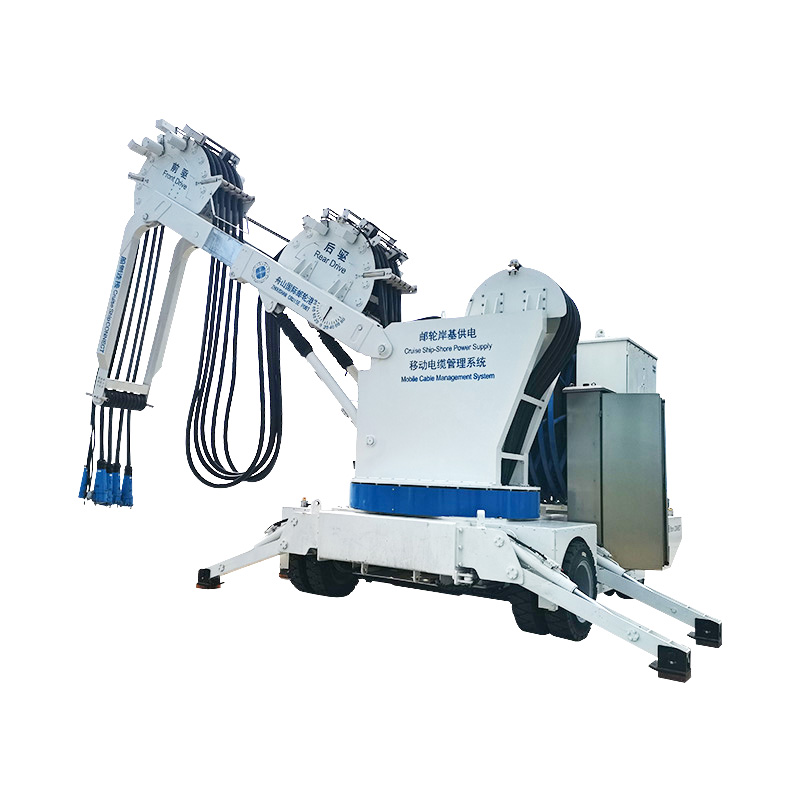
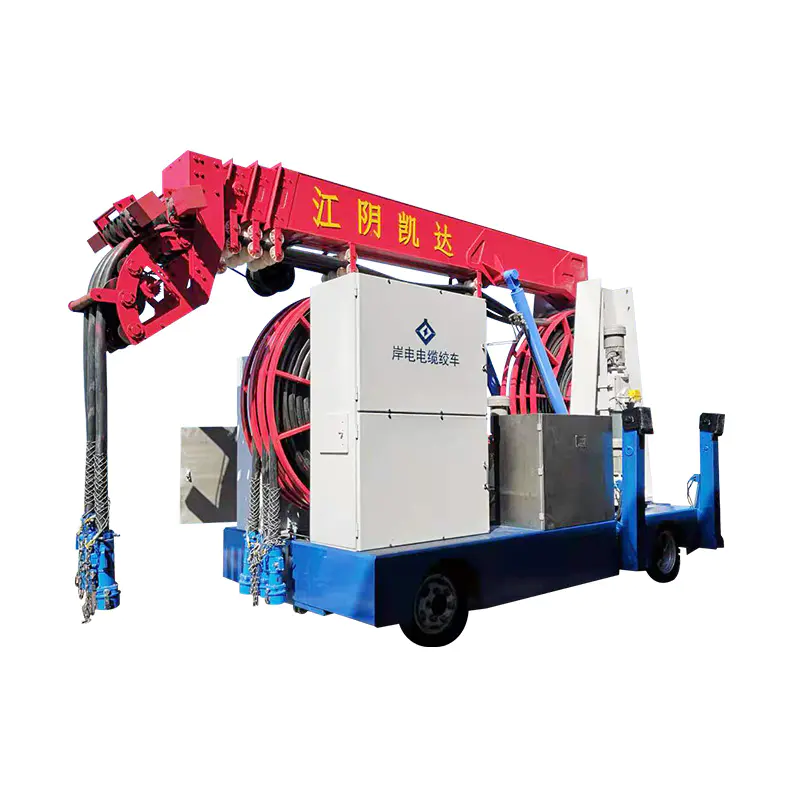
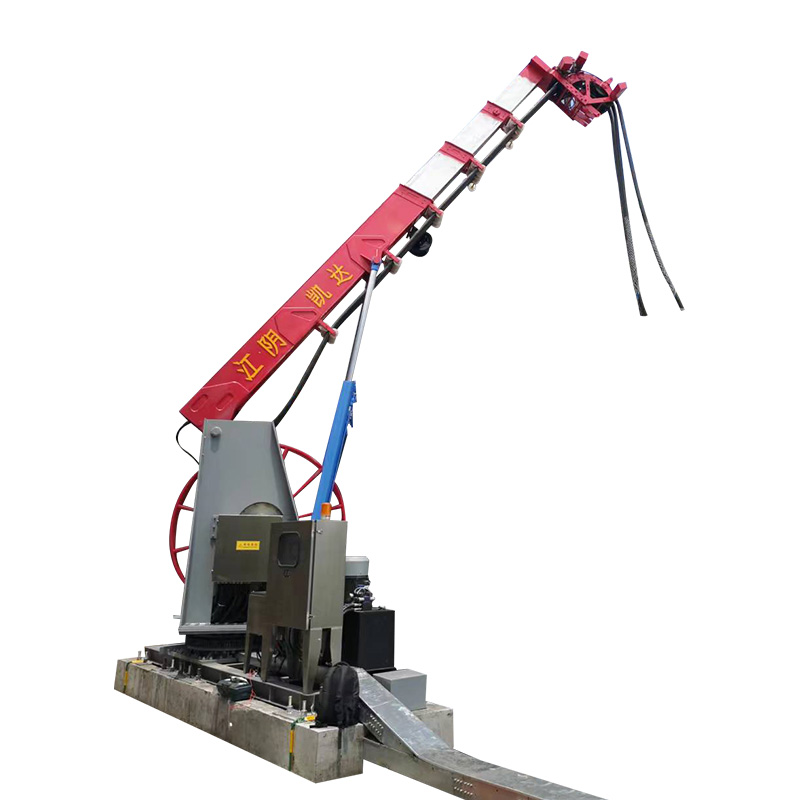
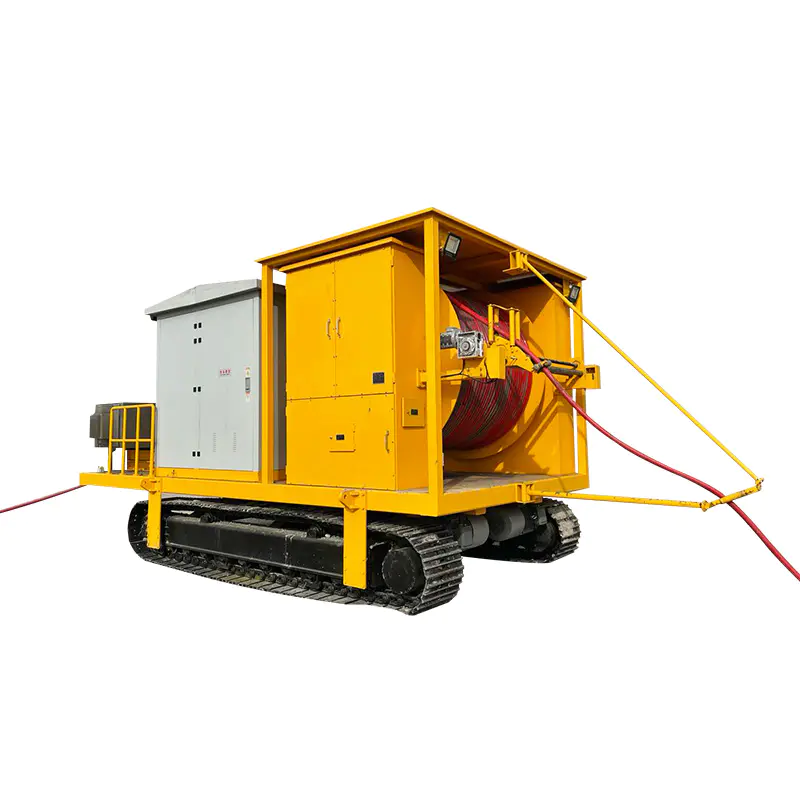
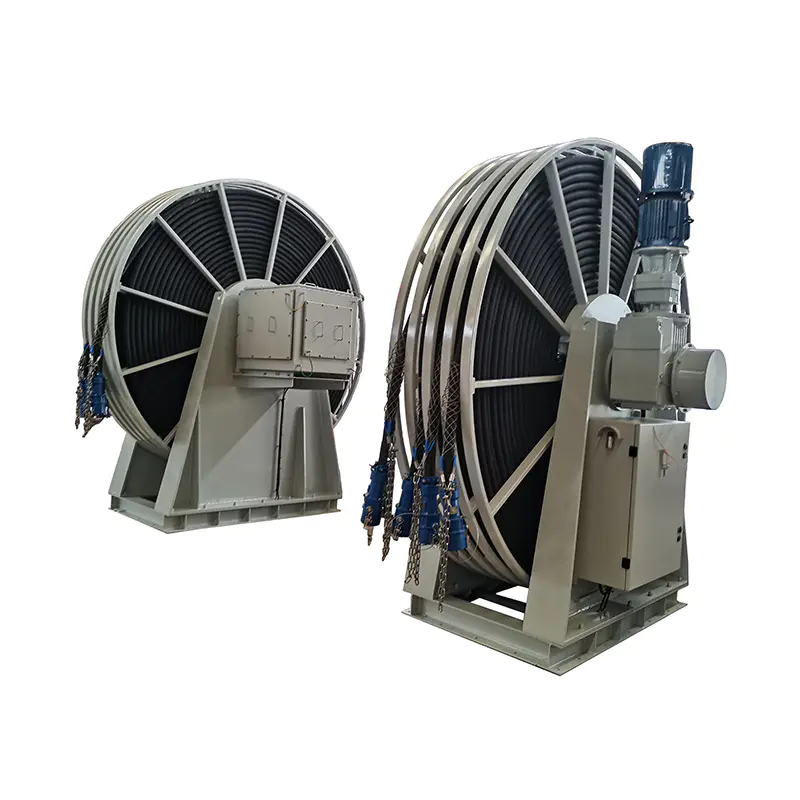
An Electrical Cable Winch is a powerful piece of equipment designed to pull or tension cable, wire, or rope over a significant distance using a revolving drum driven by an electric motor. These winches are indispensable for operations requiring consistent, high-torque pulling force, distinguishing them from manual or pneumatic alternatives. Their primary components—the motor, gearbox, drum, and braking system—are engineered to work in concert, providing a seamless and secure pulling process. The electrical drive offers superior control, allowing operators to manage speed and tension with remarkable precision, which is crucial when dealing with expensive and sensitive utility cables. Understanding the basic mechanics is the first step toward appreciating the sophistication of modern pulling technology. The controlled application of force minimizes stress on the cable and infrastructure, preventing costly damage and ensuring the longevity of the materials being installed.
Core Principles: How a Modern Electrical Cable Winch Operates
The operational mechanism of a contemporary Electrical Cable Winch centers on the conversion of electrical energy into mechanical pulling force. The process begins with the electric motor, often a robust AC or DC unit, which transmits rotational energy through a reduction gearbox. This gearbox is critical as it increases torque while reducing the output speed, thereby providing the immense pulling power necessary for heavy-duty applications. The high-torque output then turns the winch drum, systematically winding the cable or wire rope and executing the pull. Modern winches integrate advanced control systems, including variable frequency drives (VFDs) and sophisticated braking systems, which allow for precise speed adjustments and immediate, secure stopping, even under full load. This precision is what sets electric winches apart in controlled-environment installations.
- Electric Motor Type: Typically uses high-efficiency AC or DC motors, chosen based on the power source available (e.g., portable DC for field use, stationary three-phase AC for plant operations).
- Gear Reduction System: Often involves planetary or worm gears, maximizing torque output while maintaining a compact footprint and high mechanical efficiency.
- Braking Mechanism: Includes automatic failsafe brakes (often electromagnetic or mechanical) that engage instantly upon power loss or operator command, guaranteeing load security.
- Tension Monitoring: Advanced models feature load cells and tension meters to continuously monitor pulling force, protecting the cable from overstress.
Application Focus: When Do You Need a Heavy Duty Electric Cable Winch for Pulling?
The need for a heavy duty electric cable winch for pulling arises in scenarios demanding sustained, high-capacity force over extended distances. These specialized winches are the backbone of large-scale infrastructure projects where the sheer weight and length of the material being moved exceed the capability of standard equipment. Think of installing high-voltage transmission lines across varied terrain, pulling large fiber optic bundles through miles of underground conduit, or repositioning heavy machinery in a manufacturing plant. These applications require a winch not just capable of the static pull but also built with the ruggedness to withstand continuous, demanding operation. Selecting a heavy-duty model means investing in components designed for longevity and resilience, often featuring reinforced frames, industrial-grade motors, and enhanced cooling systems to manage thermal load during prolonged pulls. The focus shifts from mere capacity to operational endurance and consistent performance under extreme stress.
Assessing Load: Determining the Right Winch Capacity
Accurately determining the required winch capacity is the most critical step in the selection process. It is a calculation that must account for the static weight of the cable, the friction coefficient within the conduit or ground, and any elevation changes along the pull path. Simply matching the winch's rated pull to the cable's weight is a common and dangerous mistake. A professional assessment must factor in a safety margin, often 25-50% over the calculated maximum load, to account for unforeseen friction spikes, snags, or varying pull angles. Failure to correctly calculate the load can lead to catastrophic winch failure, motor burnout, or, critically, damage to the expensive utility cable itself. For heavy-duty applications, one must always consult pulling calculation software or engineering tables.
- Line Pull vs. Line Speed: Higher loads generally correspond to lower safe pulling speeds. The choice involves balancing the need for force against project timeline constraints.
- Friction Factor: The type of conduit (PVC, steel, or concrete) and the use of approved pulling lubricants significantly influence the actual required pulling force.
- Layering Effect: The pulling capacity decreases as the cable builds up on the drum (outer layers have a larger circumference, reducing torque). This must be accounted for in long pulls.
The Advantage of Mobility: Understanding the Portable Electric Cable Pulling Winch
The emergence of the portable electric cable pulling winch has revolutionized field operations, offering the strength of a fixed unit in a highly flexible, job-site ready package. These units are designed for quick setup and tear-down, making them ideal for smaller utility jobs, in-building wiring, or residential installations where a large truck-mounted unit is impractical or impossible to deploy. Portability is achieved through lightweight, yet robust, materials, integrated carrying handles, and often, the ability to operate on standard residential or temporary power sources. The trade-off for mobility is typically a reduced maximum pulling capacity compared to their heavy-duty counterparts, but for tasks like pulling multiple runs of network or small gauge power cable through interior conduit, their efficiency and ease of use are unmatched. They allow contractors to rapidly move between pull locations, dramatically improving overall project speed.
- Ease of Transport: Often designed to be moved by one or two persons, fitting easily into standard utility vehicles.
- Power Flexibility: Many models can run on 120V or 240V single-phase power, making them highly adaptable to varied job sites.
- Setup Speed: Features quick-mounting bases or specialized chain/strap attachments for rapid, secure anchoring to utility poles, manholes, or fixed structural points.
Making the Right Choice: How to Choose an Electrical Wire Rope Winch
Knowing how to choose an electrical wire rope winch correctly involves a structured approach that goes beyond simply comparing price tags. The selection process must align the winch's technical specifications with the specific operational demands of your typical projects. The choice of wire rope is itself a critical factor—its material, diameter, and lay directly impact the winch's effective capacity and safety profile. Furthermore, the environment of operation (indoor/outdoor, corrosive/clean, temperature extremes) dictates the required ingress protection (IP) rating and the need for specialized coatings or materials. A successful choice is a confluence of capacity, speed, control, and durability, ensuring the winch not only meets the immediate needs but also provides long-term, reliable service with minimal maintenance downtime. A thorough pre-purchase checklist minimizes the risk of acquiring an under- or over-specified machine.
Key Features and Specifications Checklist
To assist in the decision-making process, a detailed comparison of key features is essential. This table outlines core specifications that must be evaluated when determining how to choose an electrical wire rope winch that best suits your requirements. Focusing on these metrics ensures a precise match between the winch's capability and the project's complexity.
| Feature | Description & Importance | Considerations |
| Max Line Pull (kN/lbs) | The highest force the winch can safely exert. Must exceed the calculated maximum load with a safety margin. | What is the maximum weight and friction of your heaviest load? |
| Line Speed (m/min or ft/min) | The rate at which the cable is pulled. Variable speed control is crucial for delicate operations. | Do you need high speed for long runs or low speed for precision placement? |
| Rope Capacity | The total length and diameter of the wire rope the drum can hold safely. | What is the maximum pull distance you will encounter? |
| Motor IP Rating | Ingress Protection rating, indicating resistance to dust and water. Essential for outdoor or harsh environments. | Will the winch be used outdoors or in wet/dusty conditions? (e.g., IP55 or higher) |
| Control Type | Pendant control (wired) vs. Remote control (wireless). Wireless offers safety and visibility advantages. | Does the operator need to be near the winch or at the pulling point? |
Technical Deep Dive: Electric Cable Winch vs Hydraulic Winch
A frequent technical debate in the industry revolves around the merits of the electric cable winch vs hydraulic winch. Both systems are designed for heavy pulling, but they achieve their power through fundamentally different means, leading to distinct operational profiles and ideal use cases. Electric winches, drawing power from a grid or battery, are known for their precision, ease of installation, and quiet operation. They offer unparalleled speed control and are generally more efficient in terms of energy consumption for intermittent use. Hydraulic winches, powered by a pump connected to a separate engine (like that of a truck or dedicated power pack), excel in continuous, high-duty cycle operations and extreme environmental conditions. Their power density is generally higher, making them suitable for the absolute heaviest lifts and pulls. The choice is a trade-off between control precision and operational ruggedness. For standard utility and infrastructure pulls, the electric model often wins on maintenance, cost, and installation simplicity, whereas for extreme, continuous mining or marine work, hydraulics maintain a dominant position.
Operational Differences and Cost-Benefit Analysis
The following comparison table highlights the practical and economic differences when considering an electric cable winch vs hydraulic winch, offering a clear framework for selection based on project needs.
| Factor | Electrical Cable Winch | Hydraulic Winch |
| Power Source | AC or DC current (grid, battery, generator). | Hydraulic pump powered by an engine (separate or vehicle PTO). |
| Duty Cycle | Excellent for intermittent use; can overheat with continuous heavy pulling. | Superior for continuous, long-duration, heavy-duty applications. |
| Speed Control | High precision and variability, easily controlled by VFDs. | Smooth but often less precise speed modulation. |
| Maintenance | Simpler maintenance, mainly motor and electrical checks. | More complex, involves checking seals, fluids, hoses, and the pump. |
| Installation | Generally easier and less space-intensive for the power train. | Requires dedicated space for pump, reservoir, and hose routing. |
| Environmental Impact | Quieter operation and no risk of hydraulic fluid leaks. | Can be noisy; risk of oil spills if seals fail. |
Specialized Solutions: The Best Electric Cable Winch for Underground Wiring
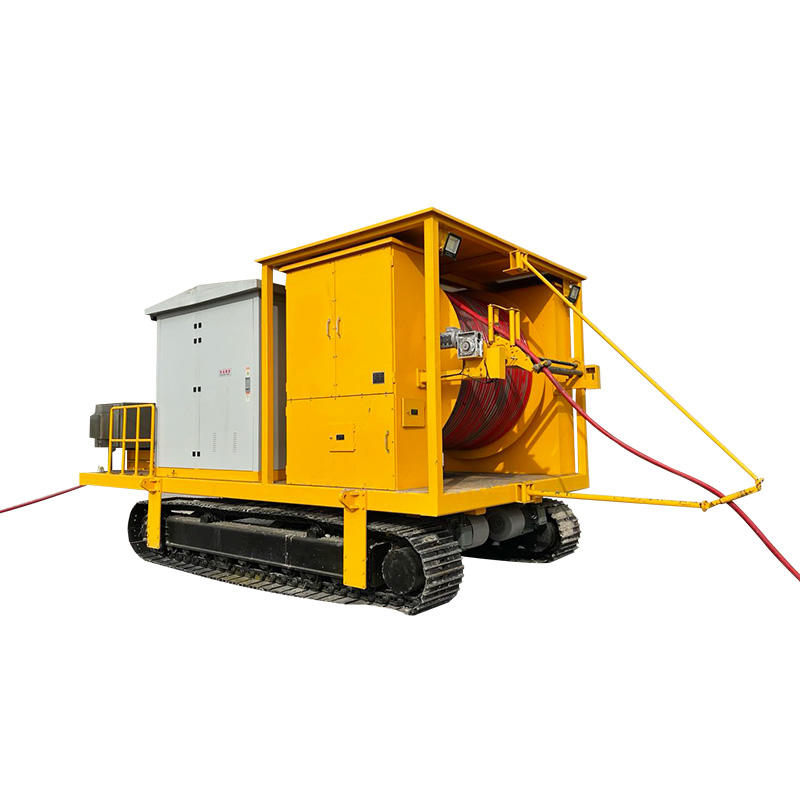
The demands of subterranean infrastructure necessitate a highly specialized type of equipment, often culminating in the best electric cable winch for underground wiring. Pulling cables through conduits beneath city streets or within utility tunnels presents unique challenges: high friction from turns and bends, limited access points, and the absolute necessity of preventing damage to high-cost, high-importance cables. The winches for this application must feature extremely precise tension control, often with automated cut-off features that stop the pull instantly if a pre-set maximum tension is exceeded. They must also be robustly protected against environmental ingress (water and dust). Crucially, the deployment and retrieval system must be designed to manage the high volume of cable required for long underground runs. The focus here is on control, protection, and operational security, often incorporating advanced data logging to provide an immutable record of the pull's tension profile, which is vital for quality assurance and warranty validation for the installed cable.
Critical Considerations for Subterranean Environments
When selecting the best electric cable winch for underground wiring, the technical specifications must directly address the unique constraints of subterranean work. The environment is unforgiving, demanding equipment that can handle damp conditions, potential abrasive dust, and operations in confined spaces. The emphasis on tension monitoring is paramount because visual inspection of the cable during the pull is often impossible. Furthermore, the winch's footprint and maneuvering capability are vital, as they must often be lowered into manholes or positioned within tight utility vaults. The integration of specialized capstan or drum configurations that minimize friction and prevent cable deformation is a non-negotiable requirement for this highly critical field of work.
- Tension Limiting: Requires highly sensitive load cell technology with automatic shutdown functionality to prevent cable jacket stretching or breakage.
- Footprint and Ergonomics: Needs a compact, vertical, or highly maneuverable design to fit within standard manhole openings and utility access points.
- Counter/Length Measurement: Highly accurate digital metering for distance is necessary to confirm the cable has reached its intended subterranean termination point.
- Corrosion Resistance: Components must be rated for damp, potentially corrosive environments, often requiring specialized anti-corrosion finishes or stainless steel elements.
FAQ
What are the main safety precautions when operating an Electrical Cable Winch?
Operational safety around an Electrical Cable Winch is multi-faceted and non-negotiable, given the immense forces involved. The primary precaution is ensuring that all operators are thoroughly trained in the specific model's operation, including understanding load charts and emergency procedures. Before any pull, the winch must be securely anchored to a stable, rated structure, and all components, especially the wire rope and end fittings, must be inspected for wear, fraying, or damage. A critical safety measure is establishing a clear exclusion zone around the winch and the entire pull path, as a snapping cable under tension can be lethal. Modern winches rely heavily on their braking and automatic cut-off systems; thus, these features must be tested before each use. Never exceed the rated load capacity, and always use appropriate personal protective equipment (PPE), particularly during the rigging and de-rigging phases.
- Anchor Inspection: Always verify the anchor point's load rating and stability before attaching the winch.
- Wire Rope Check: Inspect for kinks, crushed areas, broken strands, or signs of heat damage. Replace any compromised wire rope immediately.
- Exclusion Zone: Maintain a safe distance from the line of pull and the drum during operation, as tension release or cable breakage can cause severe injuries.
- Tension Monitoring: Utilize tension gauges and load cells to ensure the pull force remains within safe limits for both the winch and the cable.
Can a portable electric cable pulling winch be used for vertical lifting?
While a portable electric cable pulling winch exerts a significant pulling force, its design and safety certifications are almost exclusively for horizontal or low-angle pulling, not for vertical lifting. Winches designed for pulling, even portable ones, often utilize a brake system (dynamic or static) optimized for holding tension on a drum, but they may not meet the stringent legal and engineering standards required for 'hoisting' or 'lifting' equipment (e.g., elevators or construction hoists). Lifting applications require specialized hoists with fully redundant, rated mechanical braking systems and higher safety factors (usually 5:1 or 10:1) to prevent a catastrophic free-fall. Using a pulling winch for vertical lifting is a common and dangerous misuse of equipment. Always consult the manufacturer's manual; if the product is not explicitly rated as a 'hoist' or 'lifting device' under the relevant safety standards, it should only be used for pulling applications.
- Design Distinction: Winches pull and tension; hoists lift and suspend. Their braking and safety features are fundamentally different.
- Safety Factor: Hoists have a significantly higher safety factor mandated by law for personnel and overhead load protection.
- Brake System: Dedicated hoists use specialized load-holding brakes (e.g., mechanical friction brakes) that are independent of the motor, unlike many pulling winches.
What is the typical lifespan of the motor in a heavy duty electric cable winch for pulling?
The motor lifespan in a heavy duty electric cable winch for pulling is highly variable, but with proper maintenance and operation within its designated duty cycle, an industrial-grade motor can last 10 to 20 years or more. Longevity is a direct function of heat management, operational consistency, and preventive maintenance. Heavy-duty motors are engineered with a higher thermal rating (insulation class) to withstand prolonged use. The key factor that shortens motor life is consistent operation above the winch's specified duty cycle (e.g., running continuously when designed for intermittent use), which causes insulation breakdown due to excessive heat. Regular maintenance—specifically checking and replacing carbon brushes (for DC motors), lubricating bearings, and ensuring adequate ventilation—is crucial. Investing in a winch with a high-quality, name-brand motor and utilizing the integrated tension monitoring systems to prevent over-torque situations are the best long-term strategies for maximizing motor life.
- Duty Cycle Adherence: Operating the winch within its rated duty cycle (e.g., S3-25% for 25% on-time) prevents thermal overload, the primary cause of motor failure.
- Voltage Stability: Consistent power supply within the motor's voltage tolerance is essential, as voltage sags or spikes can damage windings.
- Bearing Maintenance: Periodic inspection and greasing of the motor and gearbox bearings prevent friction, heat generation, and eventual mechanical failure.