

 русский
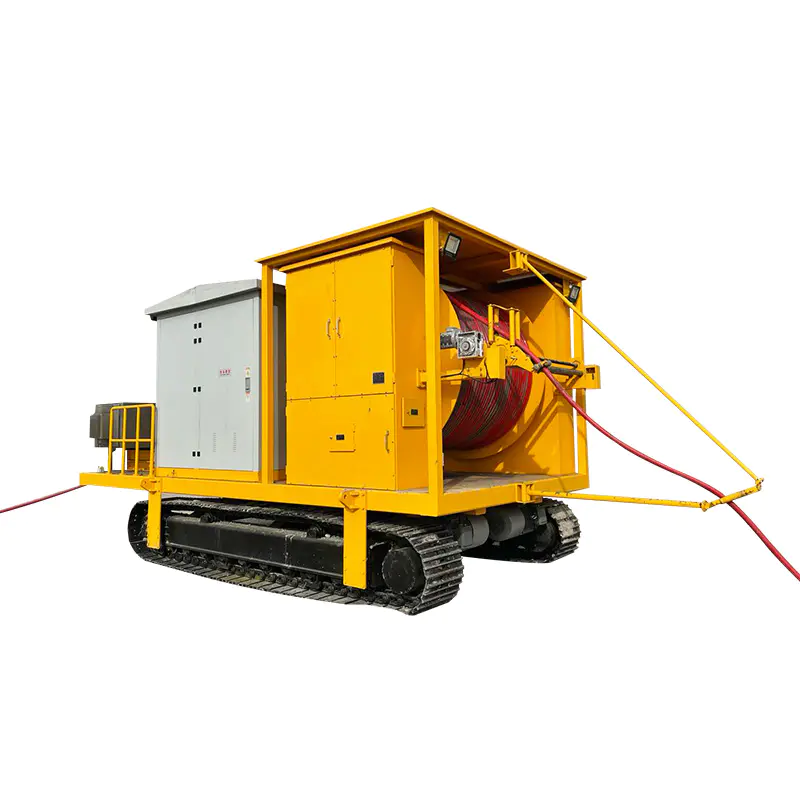
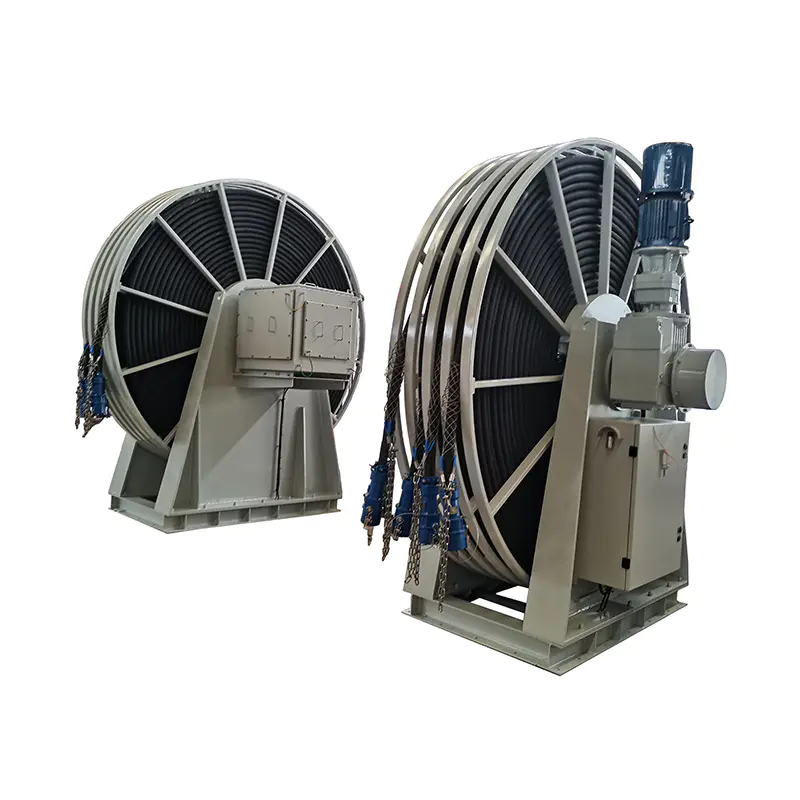
In the realm of modern utility infrastructure, the deployment of underground power and fiber optic networks relies heavily on precision engineering. Central to this process is the Cable Pulling Winch Machine, a sophisticated piece of equipment designed to provide controlled tractive force over long distances. As urban environments become more congested, the technical requirements for underground cable pulling equipment have evolved from simple mechanical pulling to digitalized tension-monitoring systems. Understanding the mechanical nuances of a Cable Pulling Winch Machine is essential for engineers aiming to mitigate the risk of cable jacket damage and ensure long-term network reliability.
Content
1. Power Systems: Hydraulic vs. Electric Cable Pullers
The choice of drive system significantly impacts the performance and portability of the winch. Historically, hydraulic cable puller systems have been the preferred choice for heavy-duty utility work due to their superior torque density and ability to maintain constant tension regardless of speed fluctuations. While electric winches are gaining traction in lighter, indoor applications due to their zero-emission profile, hydraulic systems remain the standard for high-tension outdoor deployments. Hydraulic drives offer infinitely variable speed control, which is a critical benefit of using a hydraulic winch for cable pulling, as it allows for smooth starts and stops, preventing sudden kinetic shocks to the cable core.
| Specification | Hydraulic Drive System | Electric Drive System |
| Tension Control | Infinitely variable and precise | Step-based or VFD controlled |
| Power-to-Weight Ratio | High (Ideal for heavy utility) | Moderate (Heavy motors/batteries) |
| Environmental Suitability | All-weather, rugged construction | Requires moisture/dust protection |
| Maintenance Level | Moderate (Fluid and seal checks) | Low to High (Brush/motor/battery care) |
2. Advanced Tension Monitoring and Data Logging
One of the most critical safety features of cable pulling winches is the integrated tension monitoring system. Modern engineering standards require that cables be pulled within a specific ""Safe Working Load"" (SWL) to prevent elongation of the copper or fiber conductors. A high-quality cable pulling winch machine is equipped with load cells and digital recorders that log the pulling force in real-time. If the tension exceeds pre-set limits, an automatic shut-off valve is triggered. This level of oversight is particularly important in fiber optic cable pulling winch applications, where even a slight over-tensioning can cause micro-fractures in the glass, leading to signal attenuation or total cable failure.
3. Strategic Components for Underground Installation
Successful underground cable installation equipment setups involve more than just the winch itself. The synergy between the capstan, the wire rope, and the cable rollers determines the overall friction coefficient of the pull. For long-distance underground runs, the winch must be capable of handling significant drum capacities. Engineers often debate the use of dual capstan vs single drum winch configurations. Dual capstan winches provide a constant pulling speed and force because the rope does not stack on itself, which maintains a consistent radius. Single drum winches, while more compact, experience a decrease in pulling force as the layers of rope build up, increasing the effective radius of the drum.
| Component Architecture | Dual Capstan Configuration | Single Drum Configuration |
| Force Consistency | Constant pulling force | Force decreases as layers increase |
| Rope Wear | Minimal (Controlled friction) | Higher (Rope-on-rope contact) |
| Speed Control | Highly consistent | Varies with drum diameter changes |
| Application Depth | Long-distance utility pulls | Short-haul or general recovery |
4. Operational Best Practices: How to Maintain and Calibrate
Understanding how to operate a cable pulling winch safely is a prerequisite for any site supervisor. Beyond basic operation, the calibration of the tension limiter is the most important technical task. Regular maintenance must include the inspection of hydraulic hoses for pinhole leaks and the verification of the wire rope's structural integrity. For those looking at how to maintain a cable pulling winch machine, it is recommended to conduct a full-load test annually. This ensures that the bypass valves and emergency stop mechanisms are functioning according to the manufacturer's performance curve, effectively preventing accidental over-pulling in high-stakes environments.
Key Maintenance Checkpoints:
- Hydraulic Fluid Analysis: Check for particulate contamination to protect the high-pressure pump.
- Brake System Verification: Ensure the fail-safe brake can hold the maximum rated load without slipping.
- Capstan Surface Inspection: Look for grooving or wear that could damage the pulling rope.
- Digital Calibration: Recalibrate load cells every six months for data logging accuracy.
5. Conclusion: Selecting the Right Winch for the Project
Selecting the appropriate portable cable pulling winch machine depends on the maximum pulling tension required and the terrain of the job site. While diesel vs gasoline cable pulling winches are often compared, diesel units generally offer better fuel economy and longevity for 24/7 operations in remote areas. Regardless of the power source, the focus must remain on the precision of the tension control and the reliability of the safety systems. By investing in a technologically advanced Cable Pulling Winch Machine, utility contractors can guarantee the integrity of the infrastructure they install, reducing the need for costly remedial work.
Frequently Asked Questions (FAQ)
1. Why is tension monitoring so important for a Cable Pulling Winch Machine?
Tension monitoring ensures that the cable is not stretched beyond its elastic limit. Over-tensioning can cause permanent damage to the internal conductors or the outer protective jacket, leading to premature cable failure.
2. What is the main benefit of using a hydraulic winch for cable pulling?
The main benefit of using a hydraulic winch for cable pulling is the ability to achieve precise, stepless speed and tension control. This allows for a much smoother pull compared to mechanical or basic electric systems, which is vital for protecting sensitive cables.
3. How does a fiber optic cable pulling winch differ from a power cable winch?
A fiber optic cable pulling winch typically operates at lower tension ranges but requires much higher precision in load sensing. Fiber cables are significantly more fragile than copper power cables and require specialized ""soft-start"" capabilities.
4. How often should safety features be tested?
The safety features of cable pulling winches, such as emergency stops and tension limiters, should be tested before every major pull. A formal calibration and full-load test should be performed at least once a year by a certified technician.
5. Can underground cable pulling equipment be used in wet conditions?
Most professional underground cable pulling equipment is designed for outdoor use. However, hydraulic systems are generally more resilient in wet environments than standard electric winches, as the critical components are sealed within a high-pressure fluid circuit.
Industry References
- IEEE 525: Guide for the Design and Installation of Cable Systems in Substations.
- ISO 19472: Machinery for Forestry - Winches - Dimensions, Performance, and Safety.
- ANSI/ASME B30.7: Base-Mounted Drum Hoists and Winch Standards.