

 русский
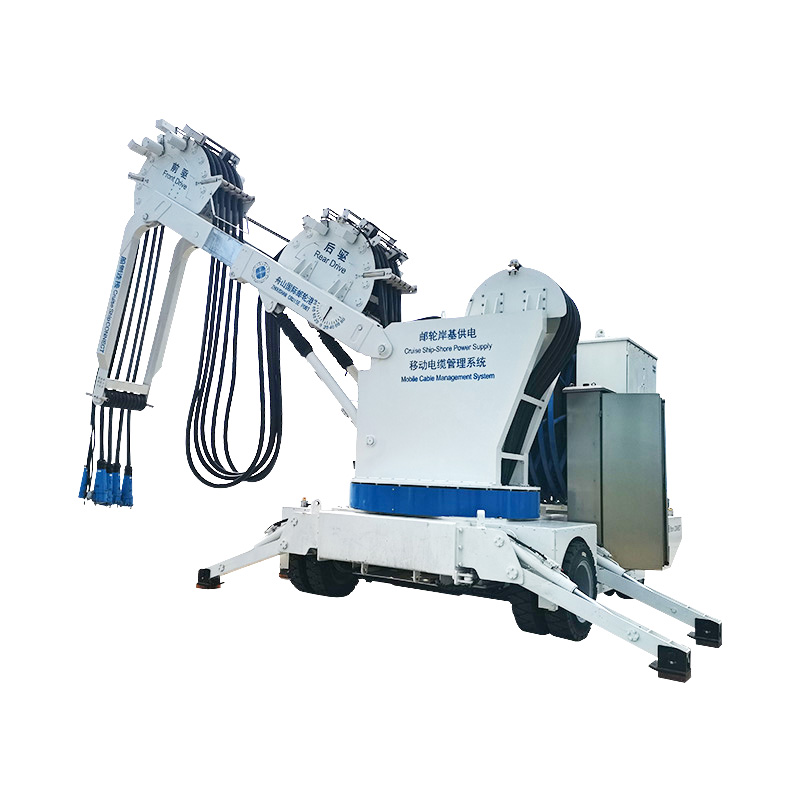
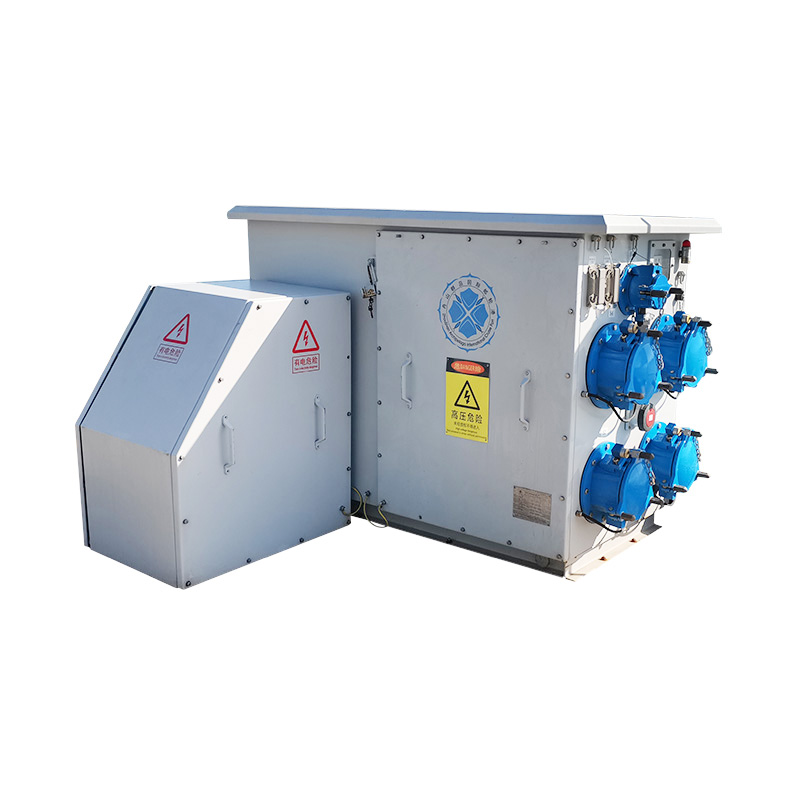
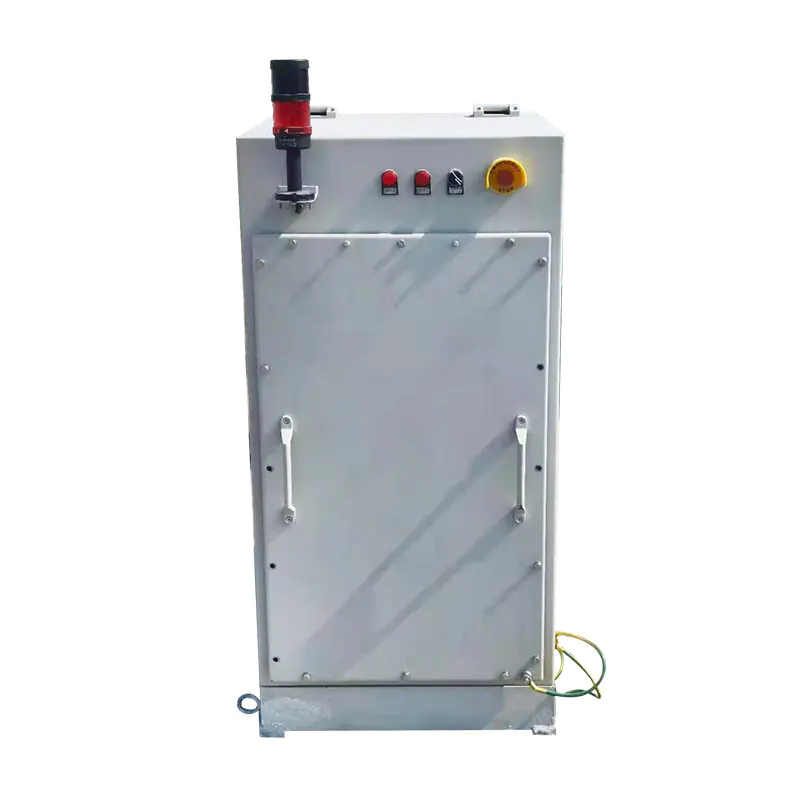
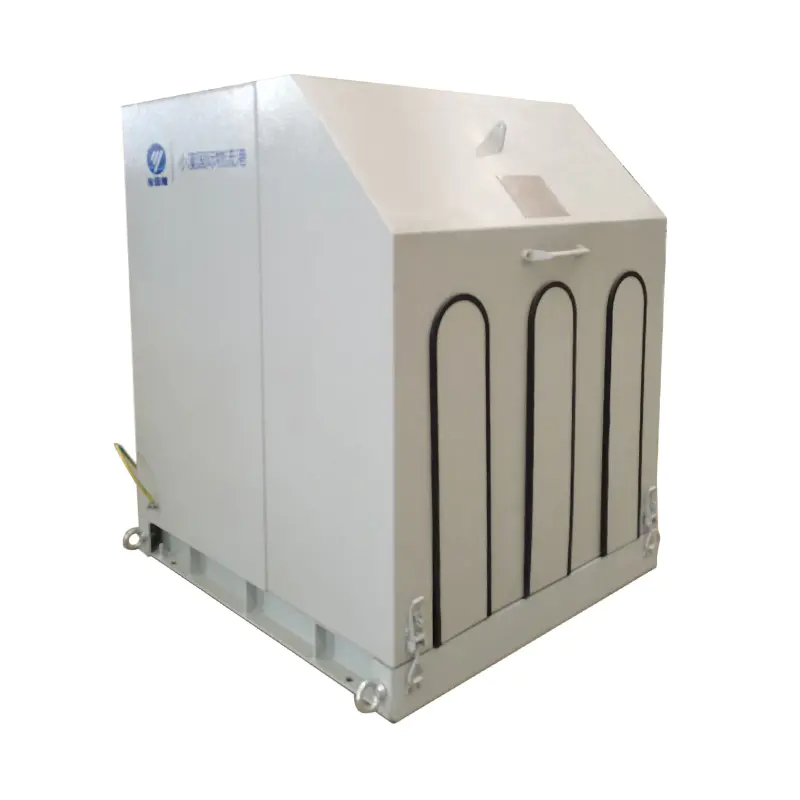
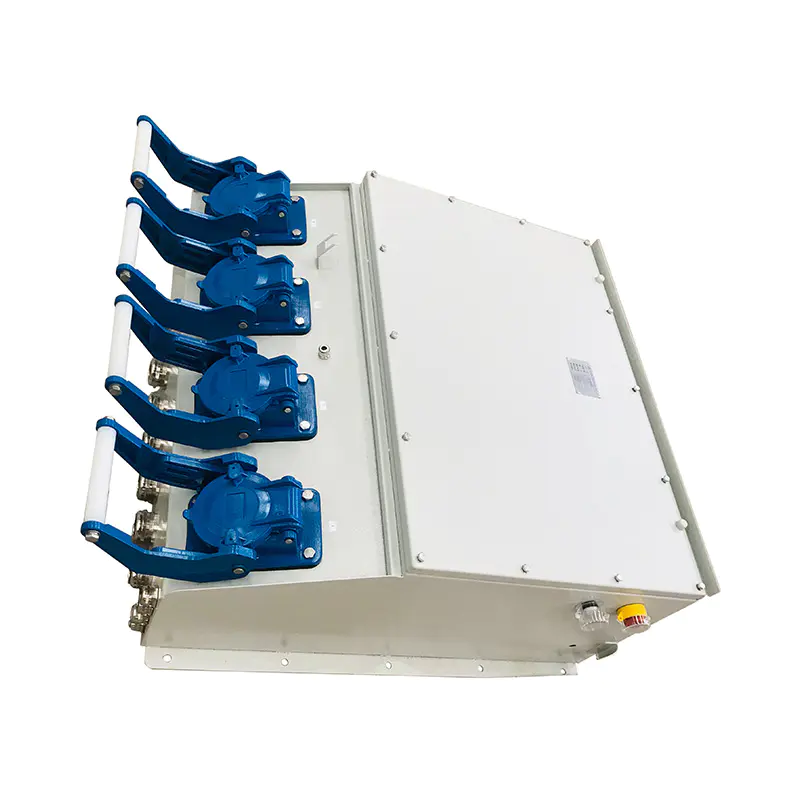
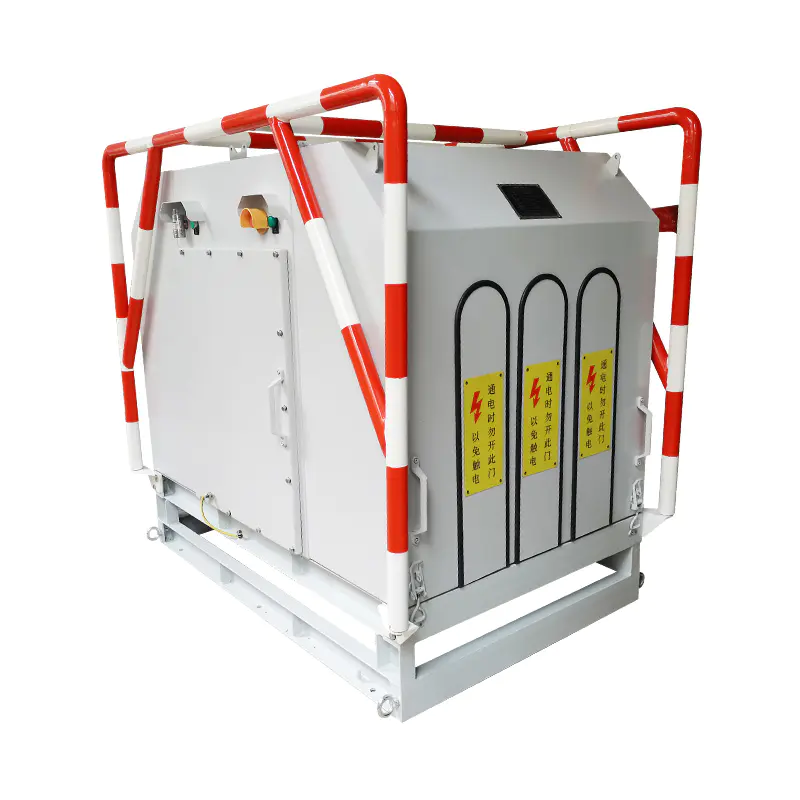
In the demanding maritime environment, the transition from onboard power generation to terrestrial grids is a critical phase for vessel maintenance and operational efficiency. Marine Shore Power Socket Boxes serve as the essential interface for this energy transfer. These systems are not merely electrical enclosures; they are engineered safety barriers designed to withstand extreme salinity, UV radiation, and mechanical stress. Utilizing a high-quality Marine Shore Power Socket Boxes setup ensures that the vessel's electrical infrastructure remains protected from transient surges and environmental degradation. This article delves into the technical specifications and engineering considerations required for high-performance shore-to-ship power distribution.
Content
1. Technical Specifications of High-Performance Socket Enclosures
Modern Marine Shore Power Socket Boxes must adhere to rigorous international standards such as IEC 60309 for plugs and sockets. The selection of materials is paramount; while thermoplastic is common for lightweight applications, marine-grade stainless steel or glass-reinforced polyester (GRP) is preferred for long-term durability. An engineer must evaluate the IP rating for marine shore power boxes to ensure protection against high-pressure water jets and temporary immersion. While a standard industrial box may offer IP44 protection, marine environments typically demand IP66 or IP67 to prevent catastrophic short circuits caused by salt-water ingress.
Material Durability Comparison
Choosing the right material involves balancing chemical resistance against mechanical impact strength and thermal stability.
| Material Type | Corrosion Resistance | Impact Resistance (IK Rating) | Thermal Stability |
| Standard PVC | Moderate (Degrades with UV) | IK07 | Limited |
| Stainless Steel (316L) | Excellent (Acid/Salt Resistant) | IK10 | Excellent |
| Glass-Reinforced Polyester (GRP) | Superior (Non-corrosive) | IK08 - IK10 | High |
2. Advanced Safety Features and Circuit Protection
The core of shore power connection safety lies in the integration of protective devices within the socket box. High-density enclosures must feature Residual Current Devices (RCDs) or Ground Fault Circuit Interrupters (GFCIs) to mitigate the risk of electric shock in wet environments. Furthermore, Marine Shore Power Socket Boxes engineered for commercial ports often include interlocked sockets. This safety mechanism prevents the user from inserting or withdrawing the plug while the circuit is energized, effectively eliminating arcing. When comparing interlocked vs non-interlocked marine sockets, the interlocked version provides a significantly higher level of operational safety by ensuring the power is only active when the connection is mechanically secured.
Safety Component Comparison
The inclusion of specific circuit protection devices dictates the overall safety profile of the shore power interface.
- Mechanical Interlock
| Protection Device | Primary Function | Environmental Necessity |
| RCD / GFCI | Leakage current detection | Critical for wet/marine environments |
| MCB (Miniature Circuit Breaker) | Overload and short-circuit protection | Mandatory for all electrical grids |
3. Installation and Environmental Resilience
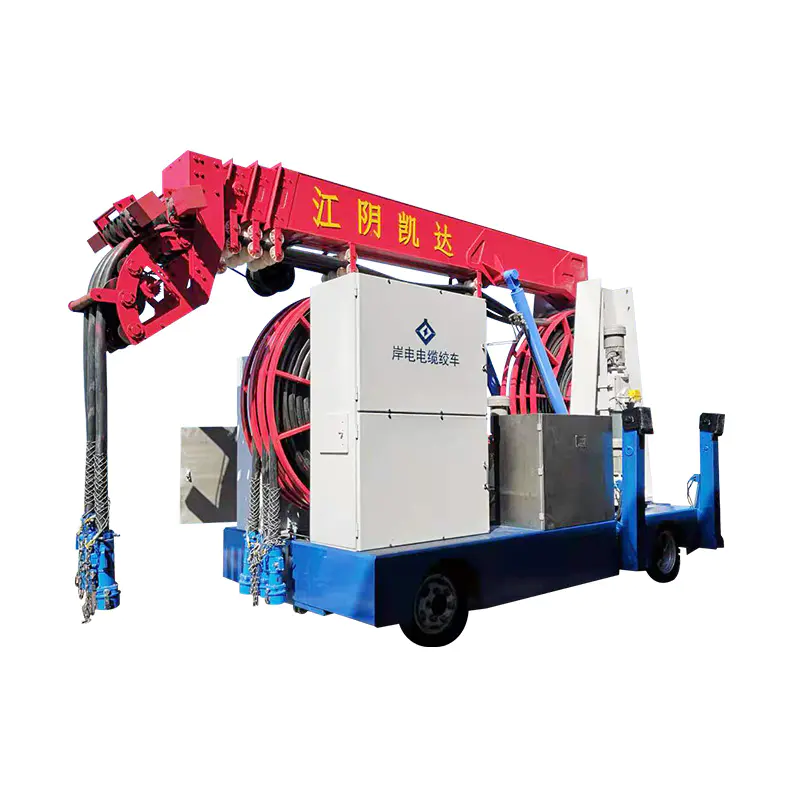
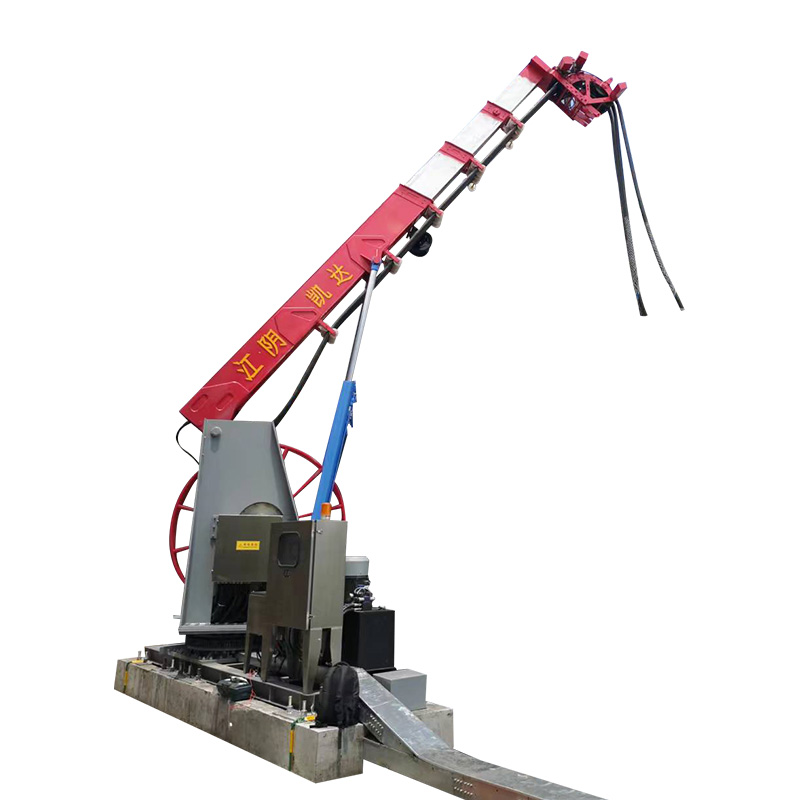
Engineers must consider the marine power pedestal maintenance cycle during the design phase. Marine Shore Power Socket Boxes should be mounted on pedestals that provide adequate ventilation to prevent condensation buildup, which is a leading cause of internal component failure. Proper shore power cable management for docks is also integrated into the box design to prevent strain on the terminals. High-quality Marine Shore Power Socket Boxes feature internal heaters or specialized breather vents to manage the dew point inside the enclosure, ensuring that the sensitive internal electronics remain dry despite ambient temperature fluctuations.
Installation Environment Analysis
Environmental stressors vary significantly between inland marinas and open-ocean commercial ports, requiring different installation strategies.
| Environmental Factor | Standard Marina | Commercial Offshore Port |
| Salinity Level | Low to Moderate | Extremely High |
| Amperage Requirement | 16A - 63A | 125A - 400A+ |
| Enclosure Requirement | IP56 / IP66 | IP67 / IP68 |
4. Operational Maintenance and Long-Term Reliability
To extend the service life of Marine Shore Power Socket Boxes, a scheduled maintenance program is essential. This includes inspecting the shore power plug and socket compatibility to ensure that wear and tear on the contacts has not compromised the electrical conductivity. Engineers often utilize marine shore power surge protection modules within the socket boxes to safeguard the vessel's sophisticated onboard electronics from voltage spikes originating in the shore grid. Regular thermal imaging of the internal connections can identify ""hot spots"" caused by loose terminals or oxidation before they lead to system failure.
Key Maintenance Checkpoints:
- Inspection of gasket integrity to maintain the IP rating for marine shore power boxes.
- Verification of earthing continuity for shore power connection safety.
- Cleaning of contacts to prevent high-resistance heating.
- Testing of shore power cable management for docks tension relief systems.
5. Conclusion
Reliable Marine Shore Power Socket Boxes are a cornerstone of modern maritime infrastructure. By selecting enclosures with appropriate IK/IP ratings and integrating advanced protective devices like RCDs and mechanical interlocks, port authorities and yacht owners can ensure a seamless and safe power transition. Engineering excellence in this field not only protects valuable assets but also ensures the safety of personnel operating in hazardous, wet environments.
Frequently Asked Questions (FAQ)
1. What is the ideal IP rating for Marine Shore Power Socket Boxes?
For most dockside applications, an IP66 rating is considered the minimum standard for Marine Shore Power Socket Boxes to protect against heavy seas and spray. IP67 is preferred for installations where temporary submersion is possible during storm surges.
2. Why is an interlocked socket important for shore power connection safety?
An interlock ensures that the socket cannot be turned ""ON"" unless the plug is fully inserted and cannot be removed until the switch is turned ""OFF."" This prevents electrical arcing, which can be dangerous in marine environments.
3. How does marine power pedestal maintenance affect longevity?
Regular marine power pedestal maintenance prevents the accumulation of salt crust and moisture inside the enclosure. Without it, corrosion will eventually lead to terminal failure and potential fire hazards.
4. Can I use a standard industrial socket box for a marine dock?
It is not recommended. Industrial boxes often lack the UV stabilization and high-grade stainless steel components necessary to survive the corrosive ""salt-fog"" environment of a marina.
5. What are the benefits of marine shore power surge protection?
Integrated marine shore power surge protection shields the vessel's internal systems from grid instability. This is particularly vital for modern ships equipped with sensitive navigation and communication computers.
Industry References
- IEC 60309-1: Plugs, socket-outlets and couplers for industrial purposes.
- NFPA 303: Fire Protection Standard for Marinas and Boatyards.
- IEEE 45: Recommended Practice for Electrical Installations on Shipboard.