

 русский
The maritime industry's shift towards sustainability and stricter environmental regulations has made Marine Shore Power Socket Boxes a critical piece of port infrastructure. Also known as shore connection boxes or shore-to-ship power systems, these units allow vessels to shut down their auxiliary engines while docked and connect to the local electrical grid. This practice, called "cold ironing," significantly reduces emissions, noise, and fuel consumption. For port operators, shipyards, and marina managers, choosing the right system is paramount for safety, efficiency, and compliance. This guide delves deep into the technical specifications, selection criteria, and operational best practices for these essential systems.
Content
- 1 Understanding Marine Shore Power Systems
- 2 Key Factors in Selecting the Right Shore Power Box
- 3 Addressing Common Challenges and Advanced Solutions
- 4 In-Depth Comparison of Shore Power System Configurations
- 5 Installation, Maintenance, and Safety Protocols
- 6 Frequently Asked Questions (FAQ)
- 6.1 1. What is the main purpose of a marine shore power socket box?
- 6.2 2. How do I choose between a standard and a waterproof marine electrical outlet box?
- 6.3 3. What are the benefits of a system with an integrated shore power cable reel system?
- 6.4 4. Can a single marine dock power pedestal serve different types of vessels?
- 6.5 5. Why is corrosion resistant shore connection box material so important?
- 7
- 8 Partnering for Sustainable Marine Infrastructure
- 9 References
Understanding Marine Shore Power Systems
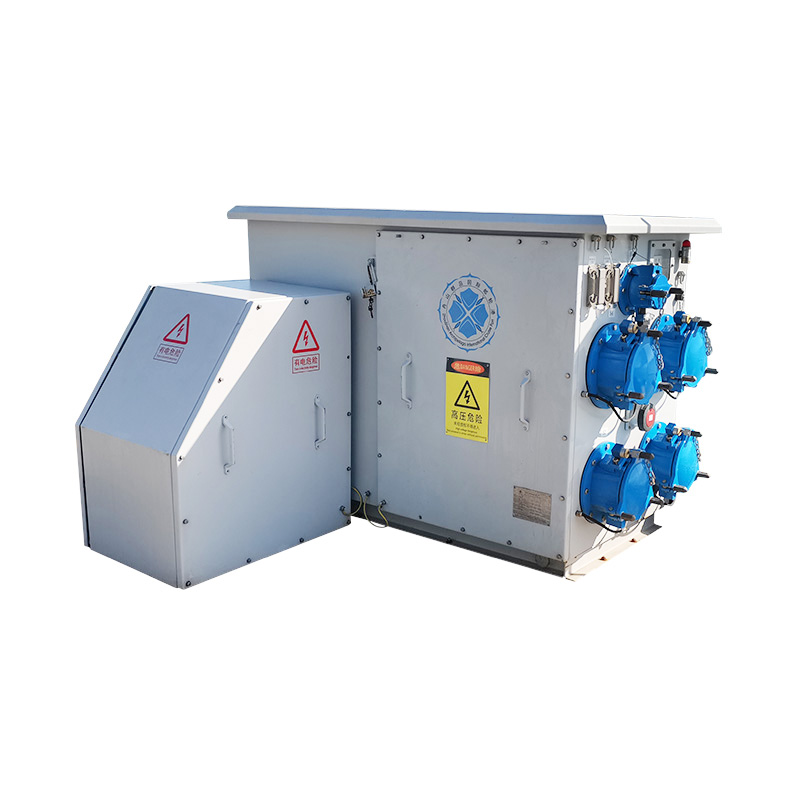
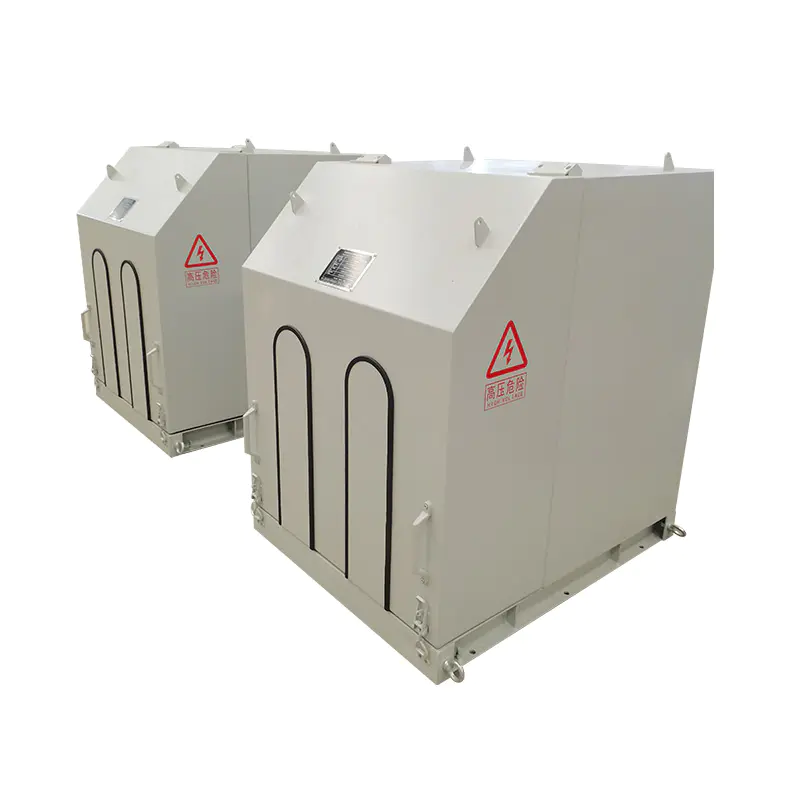
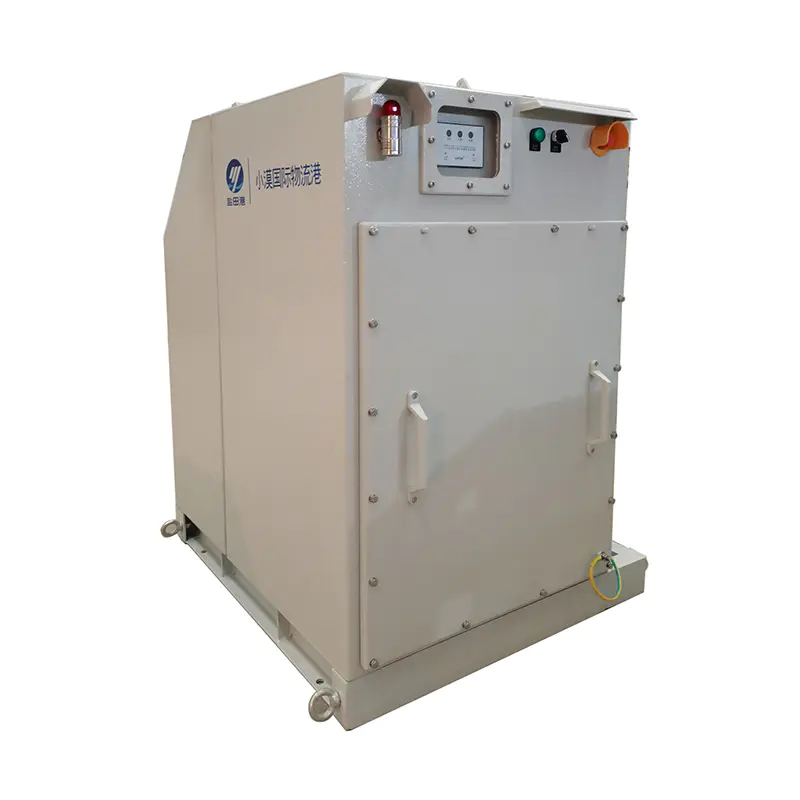
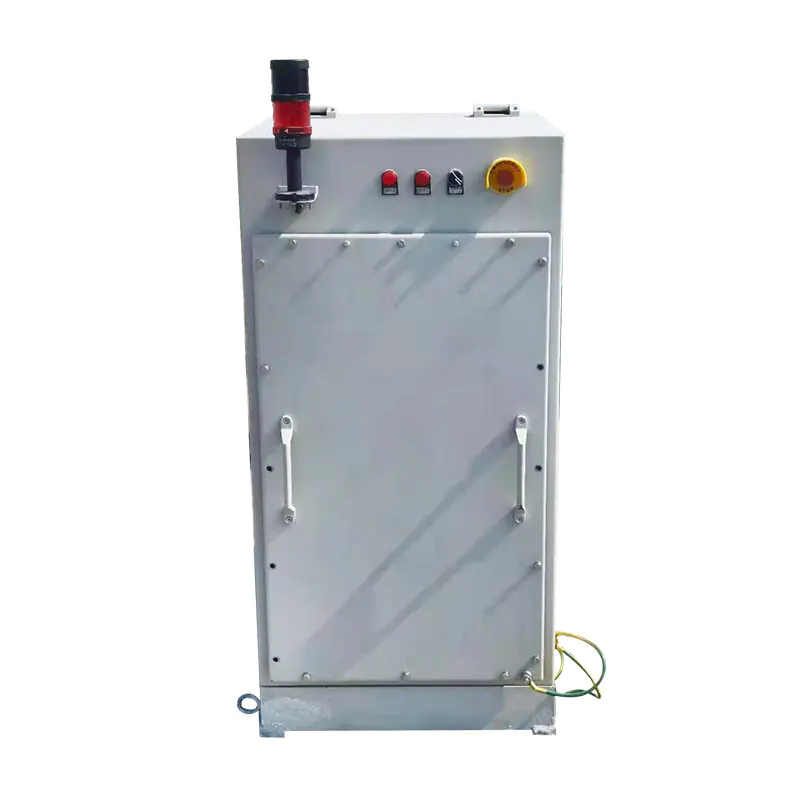
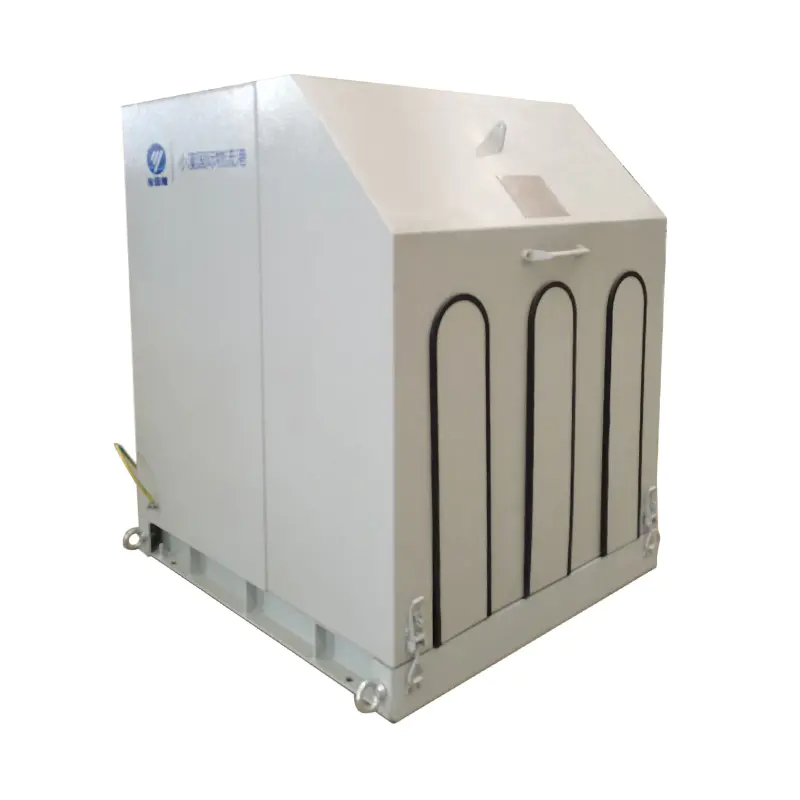
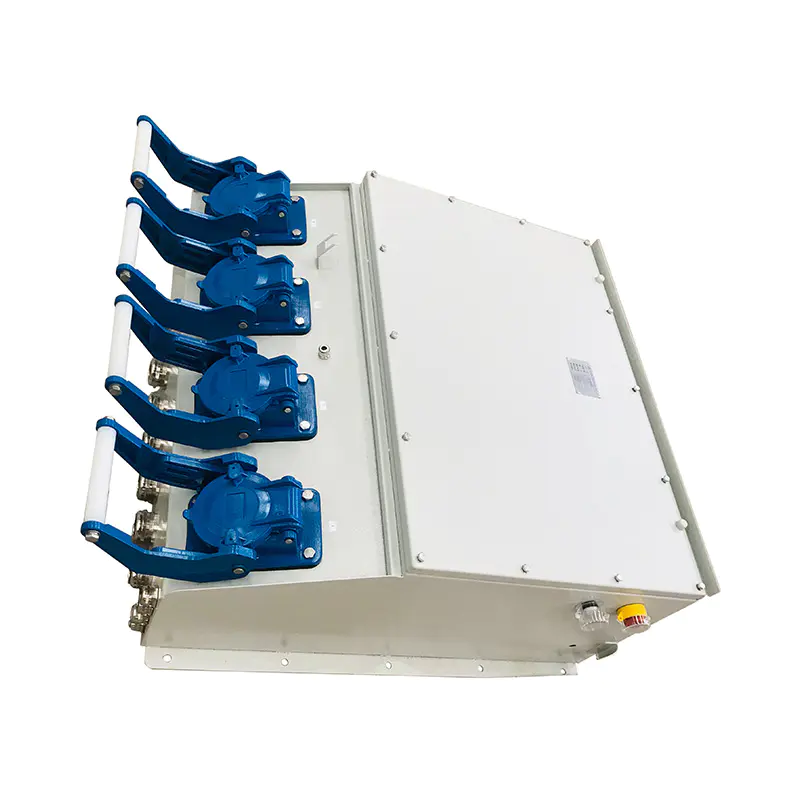
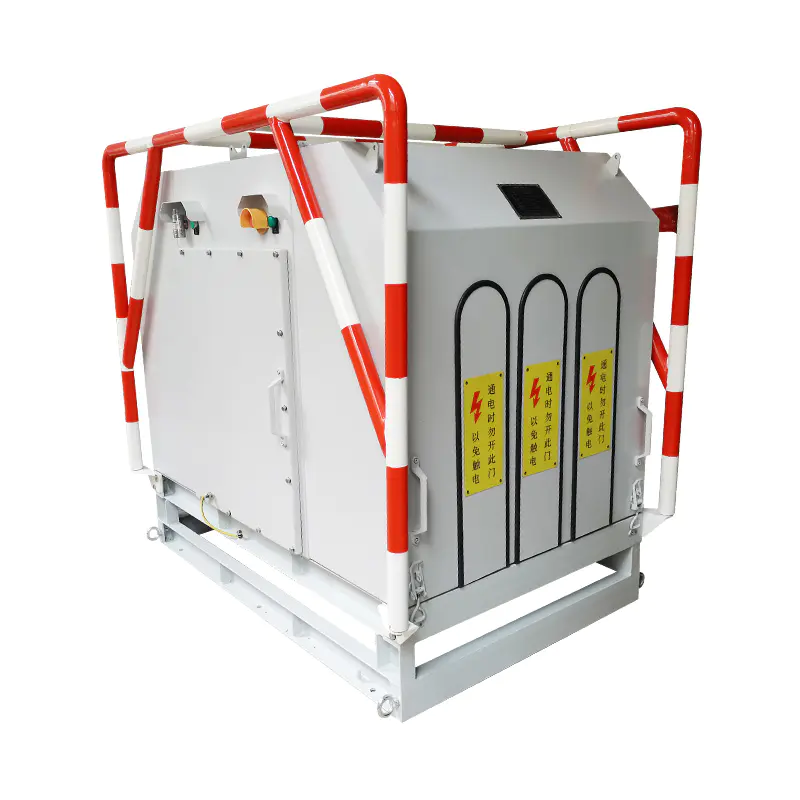
A complete shore power system is more than just a socket; it's an integrated solution. The Marine Shore Power Socket Box is the primary interface point, but it works in concert with cables, cable management systems (like reels), and vessel-side equipment. The socket box itself is a ruggedized enclosure that houses the connection points, protective devices, and monitoring equipment necessary for a safe power transfer.
Core Components of a Socket Box
- Enclosure: Constructed from marine-grade stainless steel or coated aluminum for corrosion resistance.
- Connectors & Sockets: High-amperage, interlocked connectors (e.g., IEC 60309, proprietary designs) that prevent live disconnection.
- Protection Devices: Circuit breakers, residual-current devices (RCDs), and surge protectors.
- Monitoring & Control: Voltmeters, ammeters, frequency meters, and often a power management system for control and data logging.
- Cable Management Port: A sealed entry point for the shore power cable.
Key Factors in Selecting the Right Shore Power Box
Selecting a one-size-fits-all solution is not feasible due to varying port and vessel requirements. Key decision factors include electrical standards, environmental conditions, and the specific types of vessels served.
Electrical Standards and Power Requirements
Global standards vary, making compliance a primary concern. The International Electrotechnical Commission (IEC) and the Institute of Electrical and Electronics Engineers (IEEE) provide key guidelines, notably IEEE 45 and IEC/IEEE 80005-1, which standardize high-voltage shore connection systems[1].
Voltage and Frequency: Systems must match the vessel's needs, commonly 440V/60Hz or 400V/50Hz.
Current Rating: This dictates the size of the connectors, cables, and breakers. Requirements can range from 100A for small yachts to over 1000A for large container ships.
Environmental and Durability Considerations
Socket boxes face harsh conditions: salt spray, UV radiation, temperature extremes, and physical impact. An enclosure with a high Ingress Protection (IP) rating, such as IP55 or higher, is essential for dust and water protection. Corrosion-resistant materials like 316-grade stainless steel are the industry standard for longevity in marine environments.
Addressing Common Challenges and Advanced Solutions
Operational challenges can hinder the adoption and effectiveness of shore power. Proactively addressing these issues is key to a successful implementation.
Compatibility Between Vessels and Ports
The lack of standardized connectors has been a historical barrier. While IEC 60309 "CEEform" plugs are common for lower power, high-voltage connections often use specialized, interlocked connectors. Ports must often offer multiple socket types or use adapters, which adds complexity. The evolution towards the standards outlined in IEC/IEEE 80005-1 aims to reduce this incompatibility[1].
Cable Management and Safety
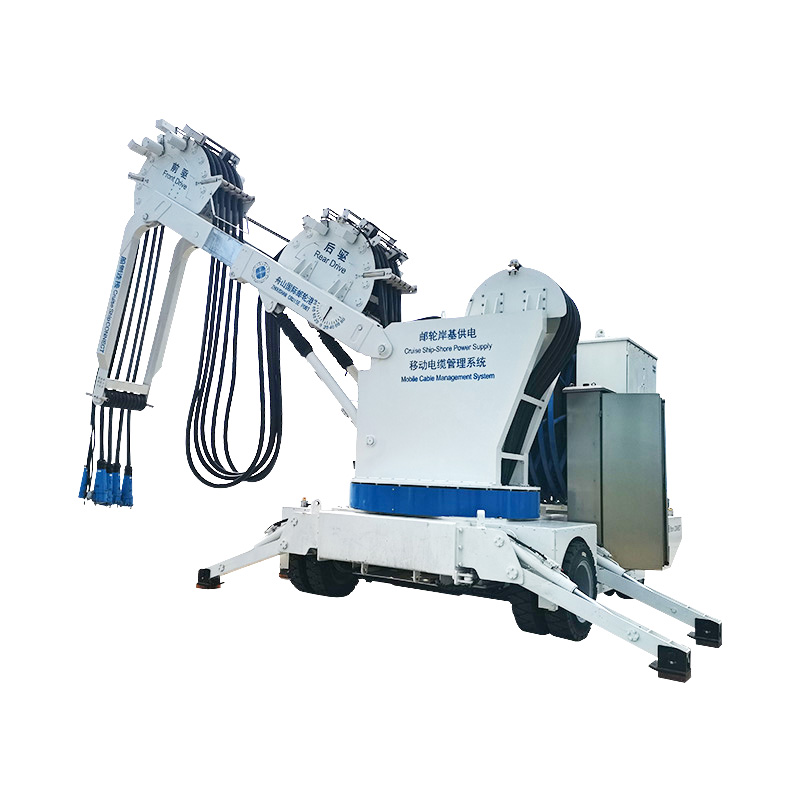
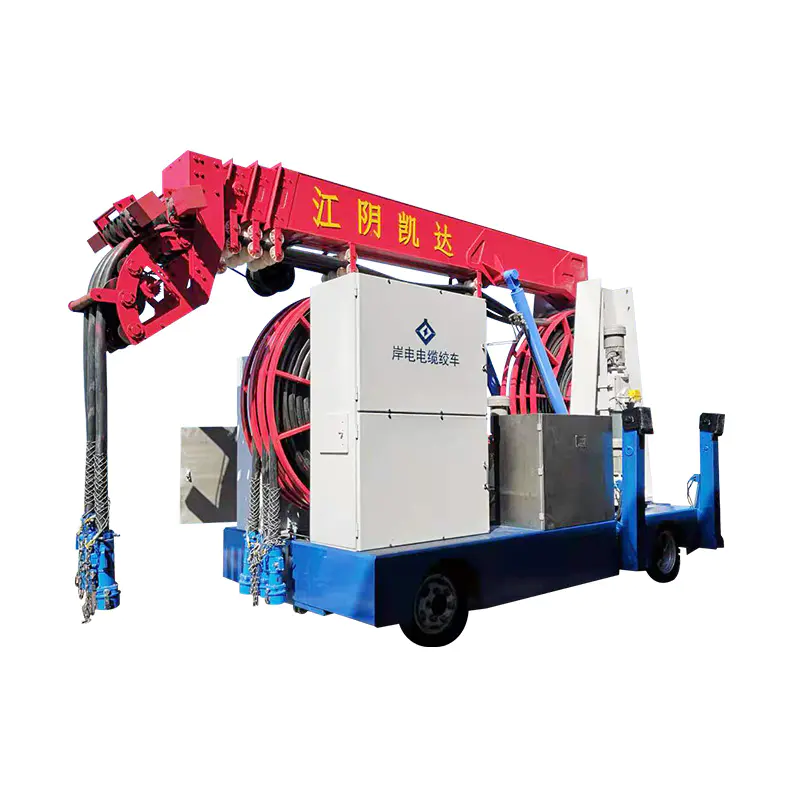
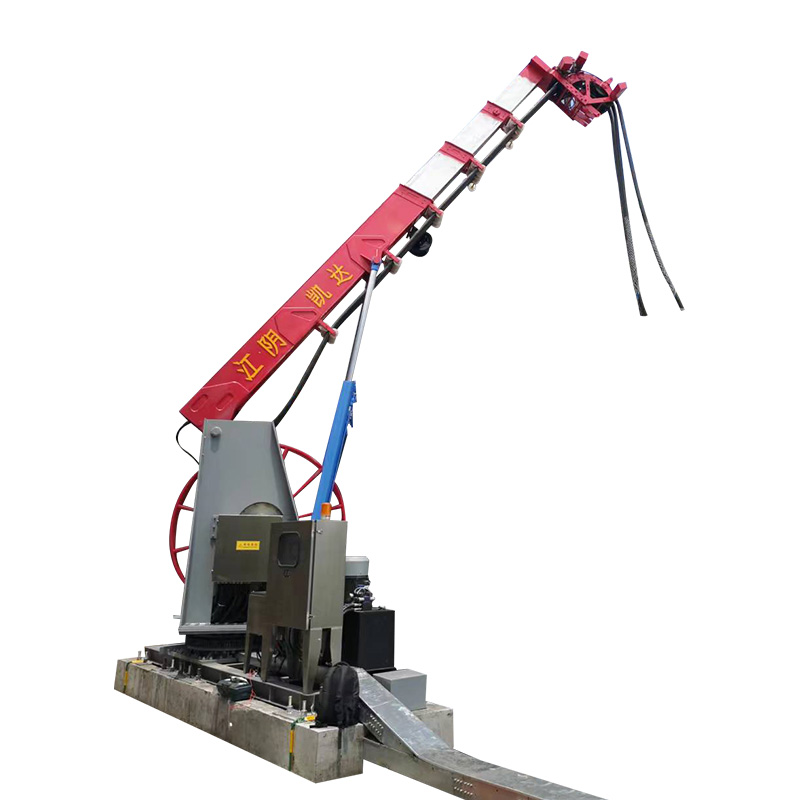
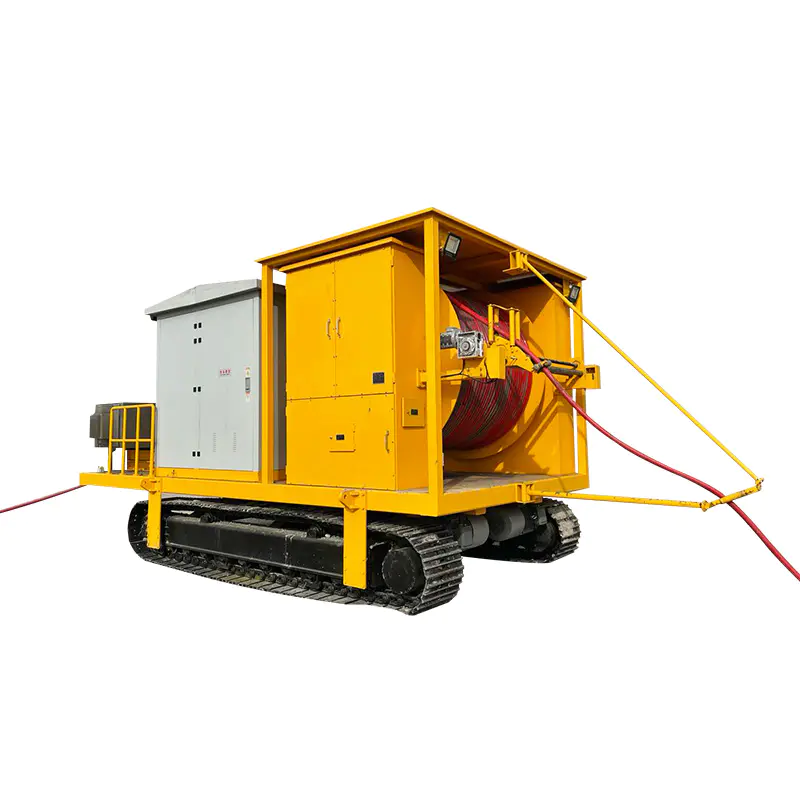
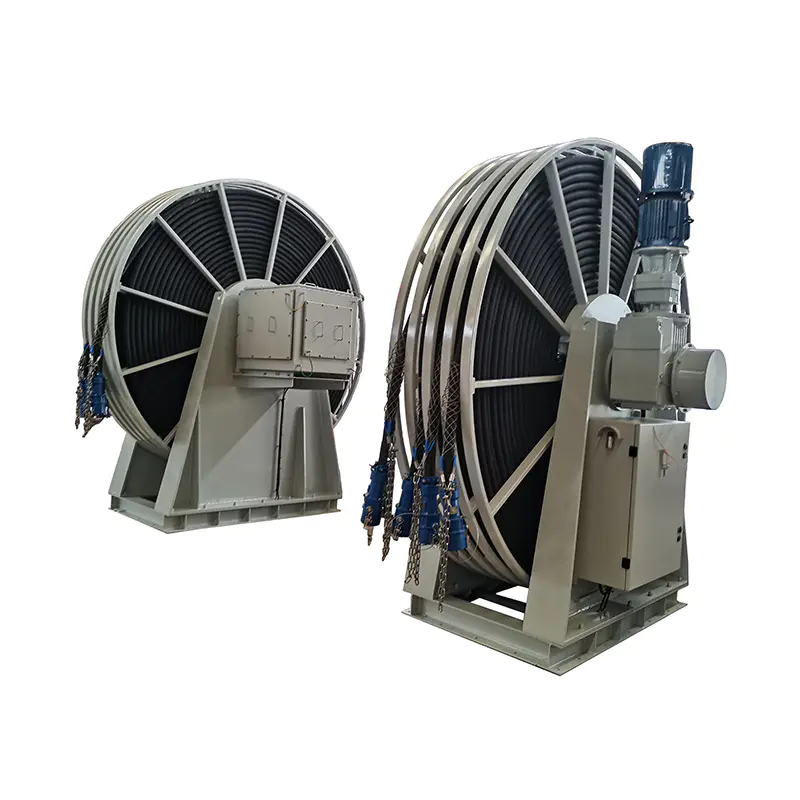
Heavy, bulky cables pose a significant manual handling risk and can be damaged if left unmanaged. This is where integrated shore power cable reel systems become a vital solution. Automated or manually operated reels store the cable neatly, prevent tripping hazards, and protect the cable from abrasion, kinking, and environmental damage. A system combining a robust socket box with a reliable cable reel enhances both safety and operational efficiency.
In-Depth Comparison of Shore Power System Configurations
Different operational scales demand different configurations. The choice between a basic, portable box and a large, fixed installation has significant implications for cost, capacity, and user experience.
For instance, a portable marine power outlet box offers flexibility and lower initial cost for small marinas, whereas a high ampacity marine dock power pedestal is a permanent, high-capacity solution designed for commercial ports serving large vessels. The following table breaks down the key differences between common configurations.
Shore Power System Configuration Comparison
| Configuration Type | Best Suited For | Typical Power Range | Key Advantages | Potential Limitations |
| Portable / Basic Socket Box | Small marinas, leisure craft, temporary setups | Up to 125A, 440V | Lower cost, flexible deployment, simple installation | Limited capacity, manual cable handling, less durability |
| Fixed Dock Power Pedestal | Yacht clubs, medium-sized marinas | 125A - 400A, 440V | Permanent, robust, often includes multiple outlets and metering | Higher installation cost, fixed location |
| High-Capacity Fixed Installation (with Cable Reel) | Commercial ports, ferry terminals, shipyards | 400A - 1000A+, 6.6kV/11kV HV | Highest capacity, integrated safety and cable management, meets IEC/IEEE 80005-1 | Very high capital cost, requires significant infrastructure and planning |
Installation, Maintenance, and Safety Protocols
Proper installation and rigorous maintenance are non-negotiable for electrical safety and system reliability.
Critical Installation Guidelines
- Location: Install above potential flood levels, with clear access for operators and vessels.
- Foundation & Mounting: Ensure a solid, vibration-resistant foundation for fixed pedestals.
- Electrical Work: Must be performed by certified electricians following national and international electrical codes (IEC, NEC, etc.).
- Grounding: Implement a robust grounding system to prevent electrical faults.
Essential Maintenance Checklist
- Regular Visual Inspections: Check for corrosion, physical damage, or seal degradation.
- Connector Care: Clean contacts regularly and check for signs of arcing or overheating.
- Functional Testing: Monthly testing of breakers, RCDs, and emergency stop functions.
- Torque Checks: Annual verification of the tightness of all electrical connections.
Frequently Asked Questions (FAQ)
1. What is the main purpose of a marine shore power socket box?
Its primary purpose is to provide a safe, standardized, and protected interface for transferring electrical power from a shore-based grid to a docked vessel, allowing the vessel to turn off its auxiliary engines and reduce emissions.
2. How do I choose between a standard and a waterproof marine electrical outlet box?
For any marine application, a waterproof (high IP-rated) box is not just an option but a necessity. The marine environment guarantees exposure to moisture, spray, and rain. Always select a box with a minimum IP rating of IP55, with IP66 being the recommended standard for full protection against powerful water jets.
3. What are the benefits of a system with an integrated shore power cable reel system?
Integrated cable reels drastically improve safety by eliminating trip hazards and preventing cable damage from dragging or being run over. They also increase operational efficiency, making connection and disconnection faster and less labor-intensive, while prolonging the service life of expensive high-capacity cables.
4. Can a single marine dock power pedestal serve different types of vessels?
Yes, but it requires careful planning. Many modern pedestals are equipped with multiple outlets of different standards (e.g., different voltages or connector types) or use a system of interchangeable adapter plates. It's crucial to survey the types of vessels frequenting your dock to specify the correct outlets.
5. Why is corrosion resistant shore connection box material so important?
Salt air is highly corrosive to metals. A box made from materials like 316-grade stainless steel or properly coated aluminum ensures long-term reliability, prevents electrical failure due to corroded components, and maintains safety and weatherproof integrity over decades of service, providing a better return on investment.
Partnering for Sustainable Marine Infrastructure
Implementing a reliable shore power system is a strategic investment in a port's future, aligning with global environmental goals and operational excellence. It requires expertise not just in electrical engineering, but in the practical challenges of the marine environment.
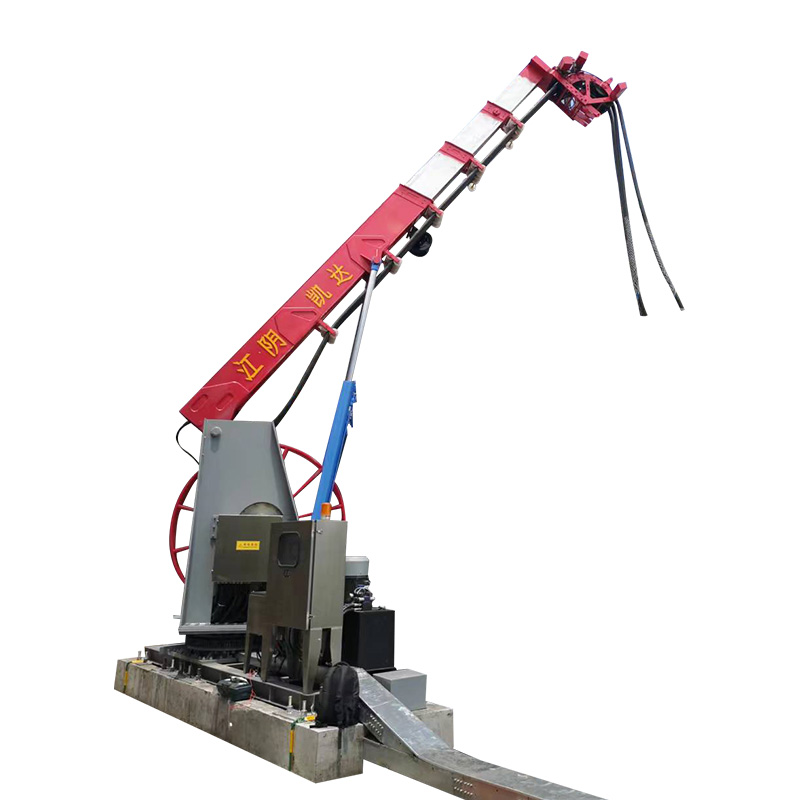
This is where specialized manufacturing experience becomes invaluable. Located strategically in Jiangyin City, a major transportation hub, Jiangyin Kaida Mechanical and Electrical Manufacturing Co., Ltd. brings over two decades of focused expertise to this field. As one of China's earliest pioneers in cable reel manufacturing, the company possesses deep practical experience in developing and manufacturing integrated solutions. Their product range, developed in cooperation with domestic industry partners, includes robust shore power cable winches and socket boxes designed for diverse drive systems and specifications. Adhering to a philosophy of honesty, high-quality service, and sustainable development, Jiangyin Kaida leverages its complete process facilities and professional R&D team to design and manufacture personalized products. This capability allows them to meet the specific and often demanding requirements of modern marine shore power socket boxes and related cable management systems, contributing to safer and greener ports worldwide.
References
[1] IEC/IEEE 80005-1, "Utility connections in port – Part 1: High Voltage Shore Connection (HVSC) Systems – General requirements," International Electrotechnical Commission, 2019.
[2] "Cold Ironing: A Guide to Shore Connection Technology," Lloyd's Register, 2020.
[3] "Port Air Quality and Shore Power: Technical and Operational Considerations," International Association of Ports and Harbors (IAPH), 2021.