

 русский
Content
Socket Boxes: Types, Specifications, and Selecting the Right Enclosure
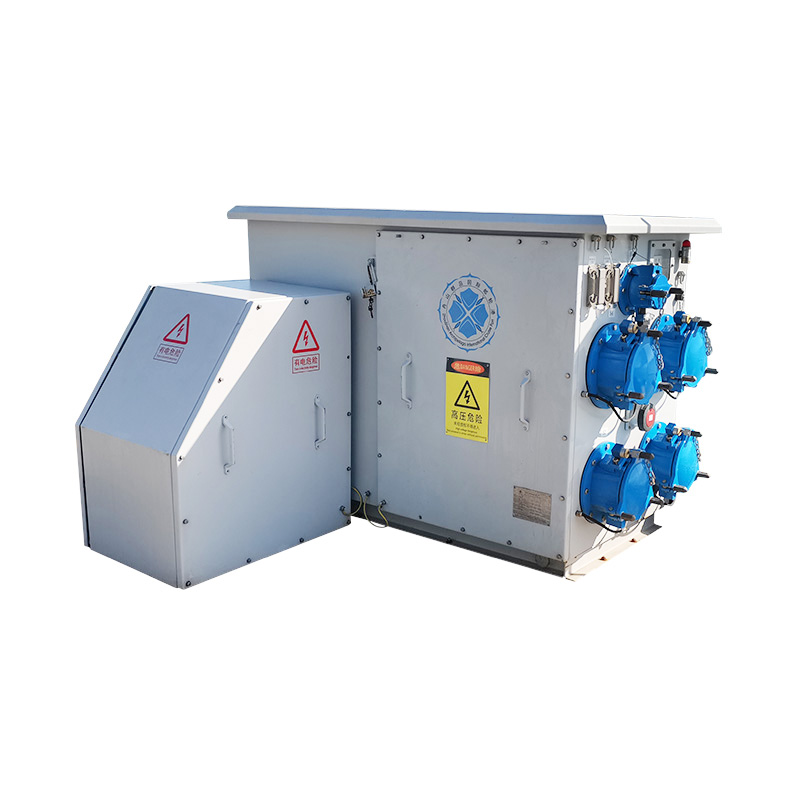
A socket box — also called an outlet box, power distribution box, or socket enclosure — is a housed assembly containing one or more electrical outlets, circuit protection, and in many cases switching and metering functions. The term covers an enormous range of products: from a simple weatherproof twin-socket enclosure for a garden wall to a multi-outlet industrial power distribution unit (PDU) serving an entire workshop or marina berth. What unites them is the combination of functional electrical connections with a protective housing that controls access, protects the internals from environmental exposure, and meets safety standards for the installation environment.
Ingress Protection and Enclosure Ratings
The most critical specification for any socket box used outside a controlled indoor environment is its IP (Ingress Protection) rating, defined under IEC 60529. The two-digit IP code describes resistance to solid particle ingress (first digit, 0–6) and liquid ingress (second digit, 0–9). For socket box selection, the relevant benchmarks are:
- IP44: Protected against solid objects over 1mm and water splashing from any direction. The minimum acceptable rating for covered outdoor domestic installations — garden socket boxes, patio power points.
- IP55: Dust-protected and resistant to water jets from any direction. Suitable for exposed outdoor locations, construction sites, and light industrial use.
- IP65: Fully dust-tight and protected against low-pressure water jets. The standard for permanent outdoor socket boxes on buildings, street furniture, and marina pedestals.
- IP67 / IP68: Dust-tight and capable of temporary or continuous immersion. Required for socket boxes in flood-prone areas, boat decks, or underground installations.
It is important to note that IP ratings are assigned to closed enclosures — a socket box with its cover open loses its rated protection entirely. For installations where sockets must remain accessible during rain or wet conditions, specify boxes with individual socket covers or self-closing flaps that maintain protection per-socket while others are in use.
Enclosure Materials
Polycarbonate and ABS thermoplastic housings dominate the domestic and light commercial outdoor socket box market. They are impact-resistant, UV-stabilized, non-conductive, and available in IP65 ratings without the corrosion vulnerability of metal enclosures. Most garden and patio socket boxes use polycarbonate construction.
GRP (glass-reinforced polyester / fibreglass) enclosures are used in demanding industrial and marine environments. GRP is dimensionally stable across wide temperature ranges, highly resistant to UV degradation, and immune to the galvanic corrosion that affects metal enclosures in saltwater environments. Marina pedestals, offshore installations, and chemical plant socket boxes frequently specify GRP.
Stainless steel (304 or 316 grade) enclosures offer the highest mechanical strength and are specified where impact resistance, vandal resistance, or a premium aesthetic is required — marinas, public charging points, and architectural installations. Grade 316 stainless is mandatory within close marine proximity due to chloride resistance requirements.
Industrial and Construction Site Socket Boxes
Construction site and industrial socket boxes are standardised under IEC 60309, which defines the colour-coded, round-pin connector system used for temporary power distribution on sites and in industrial facilities worldwide. Socket boxes to this standard are available in single-phase (blue, 230V) and three-phase (red, 400V) configurations, with current ratings of 16A, 32A, 63A, and 125A. The keyed pin geometry prevents cross-connection between incompatible voltages and phases, a critical safety feature in multi-voltage site environments.
A typical construction site distribution box (sometimes called a site splitter or spider box) combines an RCD (Residual Current Device) with multiple IEC 60309 outlets, allowing a single 63A or 125A supply to be distributed to multiple tools and equipment simultaneously. RCD protection at 30mA trip sensitivity is a mandatory requirement for socket outlets on construction sites in most European and many other jurisdictions.
Shore Power: How It Works, Standards, and What to Look for in Marina Connections
Shore power — also called cold ironing (in the commercial shipping context) or shore-to-ship power — is the provision of mains electrical supply to a vessel while it is moored, allowing the boat's onboard systems to run from the marina's electrical infrastructure rather than from the vessel's own generator or battery bank. For recreational boaters, shore power is a standard marina amenity. For commercial shipping, shore power at port is an increasingly mandated emissions reduction measure — a berthed vessel drawing shore power shuts down its diesel generators, eliminating local air and noise pollution during port stays.
Shore Power Standards for Recreational Boating
Shore power connections for recreational vessels are governed by two primary standards depending on geography:
- IEC 60309 (Europe and most of the world): The blue 230V single-phase round-pin connector is the standard marina shore power connection across Europe, Australia, and most international marinas. Common ratings are 16A (3.68 kW) for smaller vessels and 32A (7.36 kW) for larger yachts. Three-phase 400V connections at 16A or 32A are available at some marinas for vessels with high onboard power demands.
- NEMA / ANSI (North America): North American marinas use 30A/125V (NEMA L5-30) for smaller boats and 50A/125/250V (NEMA 14-50) for larger vessels. Converters and adapters are available but should be used with caution — mismatched connections can present serious shock and fire risks if polarity or ground integrity is compromised.
When moving a vessel between regions using different shore power standards, a shore power converter — not a simple adapter — is the correct solution. A converter transforms voltage and frequency as needed, whereas an adapter merely changes the plug geometry without addressing voltage or frequency incompatibility.
Marina Pedestal Socket Boxes
The shore power connection point at a marina berth is delivered through a marina pedestal — a vertical post-mounted socket box assembly typically containing shore power outlets, fresh water connections, metering, and circuit protection for each berth. Pedestals are purpose-designed for the marine environment and must meet requirements that go beyond standard outdoor socket boxes:
- Corrosion resistance: Pedestal enclosures are specified in marine-grade 316 stainless steel or GRP, with all internal hardware — busbar, cable connectors, fixings — in appropriate corrosion-resistant materials. Standard electroplated components corrode rapidly in the salt-laden marina atmosphere.
- RCD / GFCI protection: Each shore power outlet must be individually RCD-protected (30mA in Europe; GFCI in North America) to protect against electric shock in the water — a risk profile unique to the marina environment, where the combination of electrical leakage and conductive water can be fatal to swimmers near the vessel.
- Metering: Modern marina pedestals incorporate per-berth kWh metering, typically with smart metering capability allowing billing via RFID card or marina management software.
- Interlocked sockets: Higher-specification pedestals use mechanically or electrically interlocked socket outlets — the socket cannot be disconnected under load, preventing arc flash from live disconnection of high-current connections.
Electric Shock Drowning: The Critical Shore Power Safety Risk
Electric Shock Drowning (ESD) is a hazard specific to the marina environment that has received increasing regulatory attention. It occurs when AC current leaks from a vessel's shore power connection into the surrounding water — typically through a faulty onboard wiring installation, a compromised shore power cord, or an incorrectly earthed system. The current gradient in the water causes tetanic muscle paralysis in any swimmer who enters the affected zone, preventing them from swimming to safety and causing drowning even when the current level is insufficient to cause cardiac arrest on land.
Prevention requires multiple layers: correctly installed and maintained onboard wiring with an isolation transformer between shore power and vessel circuits; RCD protection at the pedestal; regular testing of shore power leads for earth continuity and insulation integrity; and awareness of the hazard among marina operators and users. Several jurisdictions now mandate isolation transformers on vessels connecting to shore power as a mandatory ESD prevention measure.
Shore Power for Commercial Shipping: Cold Ironing at Scale
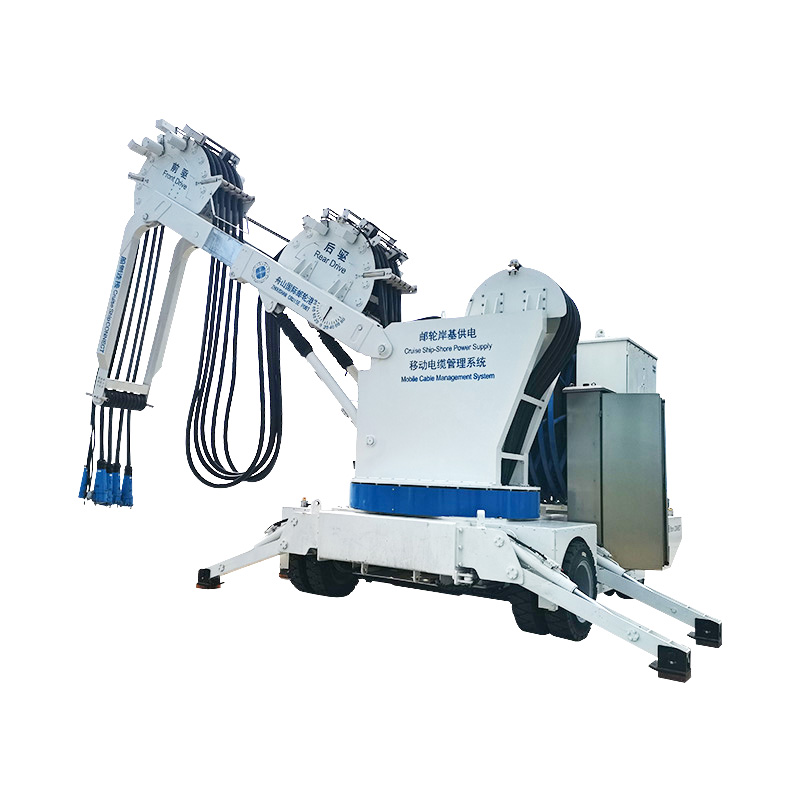
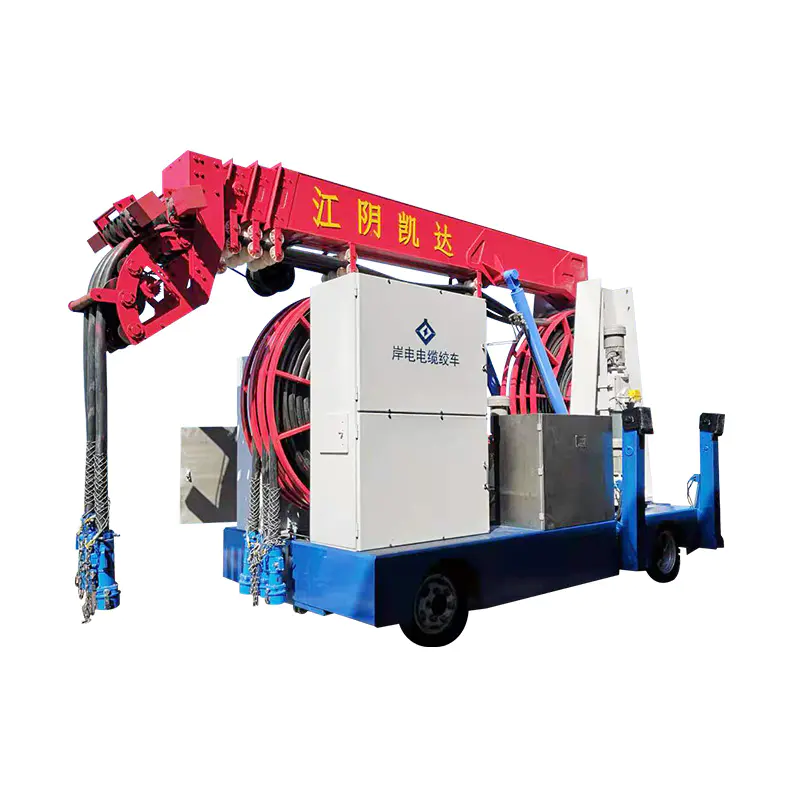
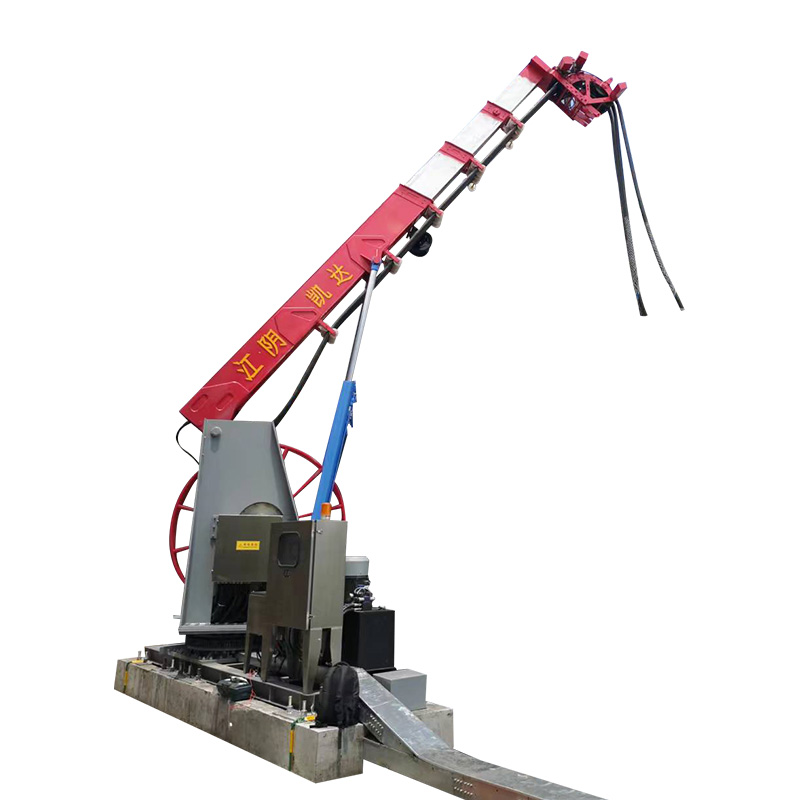
For commercial vessels — container ships, cruise liners, ferries, and offshore supply vessels — shore power at berth (cold ironing) operates at a fundamentally different scale. A large cruise ship at berth may require 10–20 MVA of shore power supply; a container ship 5–10 MVA. High Voltage Shore Connection (HVSC) systems, standardised under IEC/IEEE 80005-1, supply power at 6.6 kV or 11 kV to avoid the cable size and loss penalties of low-voltage supply at these power levels.
The frequency compatibility challenge is particularly significant in commercial cold ironing. North American ports operate at 60 Hz while vessels serving European routes may have 50 Hz onboard systems, requiring frequency converters — large static power electronics installations — at the portside connection point. The capital cost of a full cold ironing installation at a major port berth ranges from several hundred thousand to several million euros, which has historically limited adoption. EU port regulations now require cold ironing capability at major European port berths for container ships and cruise vessels, driving rapid infrastructure investment across European ports.
| Application | Standard | Typical Voltage | Typical Current | Key Safety Requirement |
|---|---|---|---|---|
| Recreational (Europe) | IEC 60309 | 230V single-phase | 16A / 32A | 30mA RCD per outlet |
| Recreational (North America) | NEMA / ANSI | 125V / 250V | 30A / 50A | GFCI protection |
| Commercial vessels (LV) | IEC/IEEE 80005-2 | 400V three-phase | 63A – 250A | Interlocked connection |
| Commercial vessels (HV) | IEC/IEEE 80005-1 | 6.6 kV / 11 kV | Up to 1,800A | HV interlock + SCADA |