

 русский
Content
What an Electric Cable Winch Puller Actually Does
An electric cable winch puller converts electrical power into controlled mechanical force, using a motor-driven drum to wind a steel wire rope and generate pulling or lifting tension. Unlike hydraulic alternatives, it draws from an AC or DC power source—typically a vehicle battery, generator, or mains supply—and operates with a single control switch or remote, making it practical in environments where hydraulic lines would be impractical to run.
The core mechanism is straightforward: the motor drives a gearbox, the gearbox turns the drum, and the drum winds the cable under load. What separates a capable unit from a mediocre one is the reduction ratio in that gearbox, the grade of wire rope used, and how effectively the brake system holds tension when power is cut. A well-built electric cable winch puller maintains load without power draw at rest—the brake engages automatically and holds until the operator deliberately pays out line.
Applications span a wide range: utility crews use them to string conductor cables across poles, rigging teams use them to haul structural steel into position, and recovery operators use vehicle-mounted versions to extract equipment from difficult terrain. The same basic machine scales from a 500 kg hobbyist unit to a 20-tonne industrial winch, though the internal engineering changes significantly at the higher end.
Types of Electric Cable Winch Pullers and When to Use Each
The market segments into four main configurations, each suited to a different operating context.
Vehicle-Mounted Winches
Bolted to a front or rear bumper and powered by the vehicle's 12V or 24V DC system, these are the most familiar format. Rated pulling capacity typically runs from 2,000 lbs to 17,500 lbs (approximately 900 kg to 8,000 kg) in the consumer and light commercial segment. They are designed for intermittent duty—short pulls with cooling intervals—and should not be run continuously at full load. Common applications include off-road recovery, agricultural equipment retrieval, and light construction site work.
Portable Electric Winch Pullers
These freestanding units attach to a fixed anchor—a structural beam, a ground anchor plate, or a purpose-built frame—and plug into mains power (110V or 220V AC). Their advantage is flexibility: one unit can serve multiple anchor points across a job site. Capacity ranges from around 500 kg to 5 tonnes. They are widely used in electrical construction for cable pulling through conduit, in general rigging, and in light fabrication shops for repositioning machinery.
Industrial Crane Winches
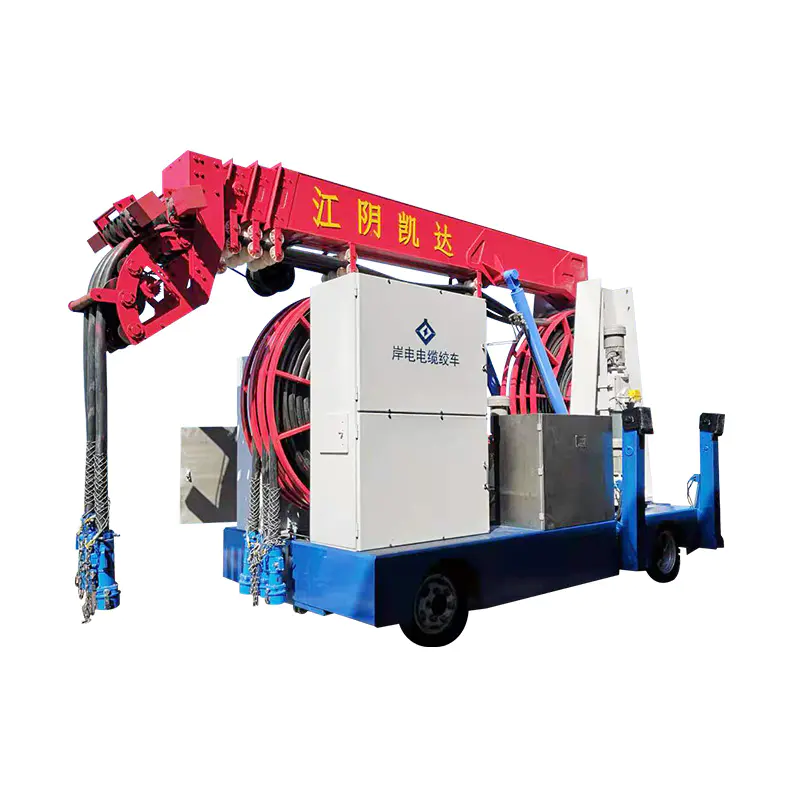
These are engineered for continuous-duty cycles and rated for repeated, high-cycle lifting and lowering. They incorporate multi-layer drum winding, high-efficiency planetary gearboxes, and thermal protection on the motor. Capacities commonly start at 1 tonne and extend well past 20 tonnes. Compliance with standards such as FEM, ISO 4301, or ASME B30.7 is expected in most procurement specifications for this category.
Cable Pulling Winches for Electrical Installation
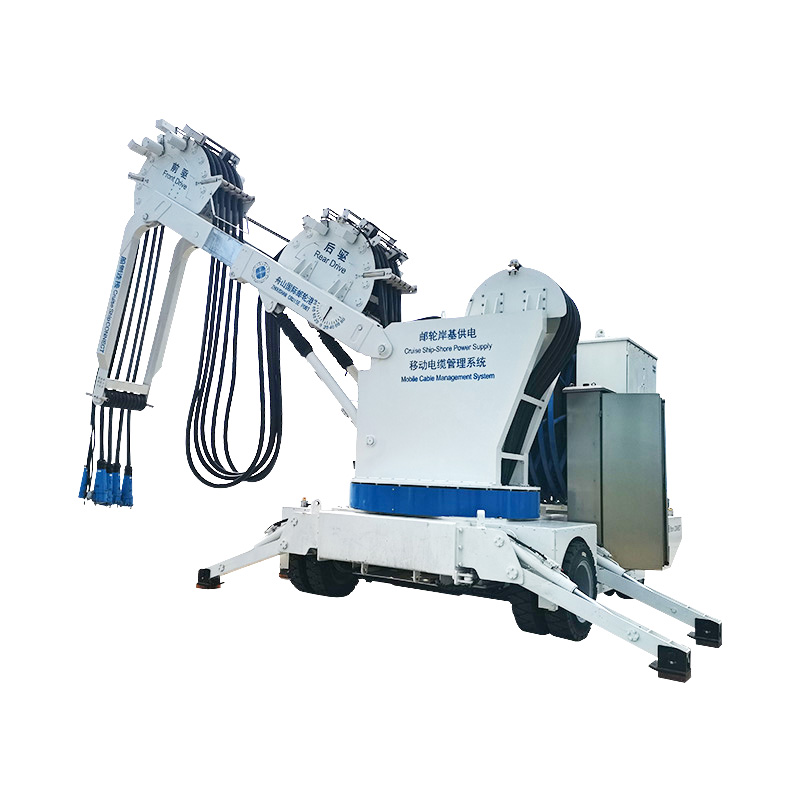
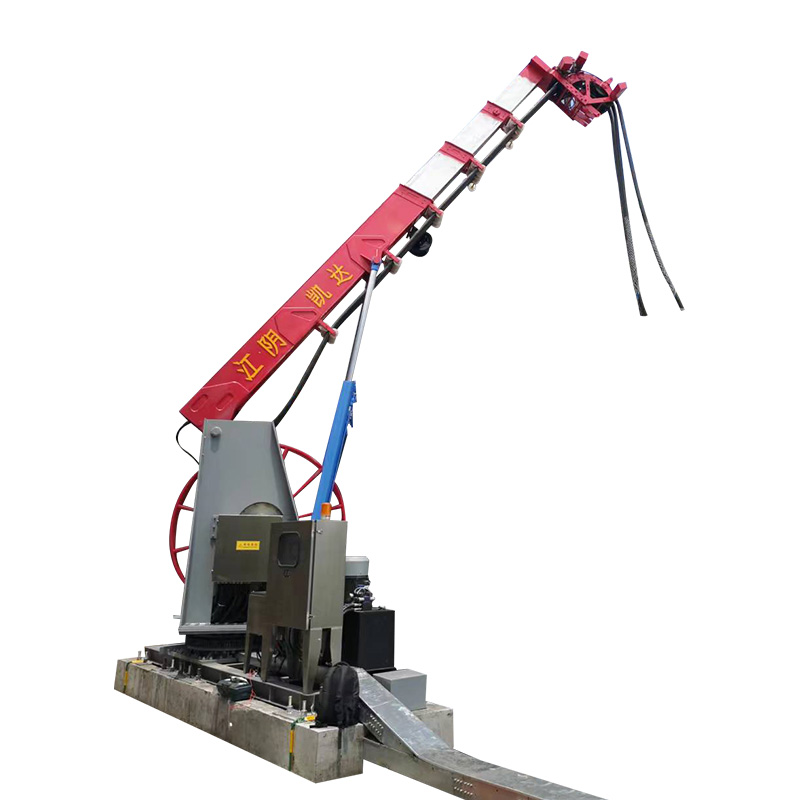
A specialized subcategory, these units are optimized for pulling conductor cables through conduit or underground duct. They typically feature variable speed control (to avoid cable jacket damage), a built-in tension meter, and a cable-counting function. Pulling force ratings in this segment run from about 5 kN to 100 kN (roughly 500 kg to 10 tonnes), and the design prioritizes controlled, metered pulls rather than raw speed.
| Type | Power Source | Typical Capacity | Duty Cycle | Primary Use |
|---|---|---|---|---|
| Vehicle-Mounted | 12V / 24V DC | 900 kg – 8,000 kg | Intermittent | Recovery, off-road, agriculture |
| Portable AC | 110V / 220V AC | 500 kg – 5,000 kg | Intermittent | Cable pulling, rigging, site work |
| Industrial Crane | 3-Phase AC | 1,000 kg – 20,000+ kg | Continuous | Manufacturing, ports, construction |
| Cable Puller (Electrical) | 110V / 220V AC | 500 kg – 10,000 kg | Controlled pull | Conduit and duct cable installation |
Key Specifications to Evaluate Before Buying
Rated pulling capacity is the figure most buyers focus on, but it is only one part of the picture. Several other parameters determine whether a unit will perform reliably in practice.
Line Pull Rating and the Layer Factor
The rated line pull on most winches applies only to the first (innermost) layer of cable on the drum. As subsequent layers wind over it, the effective mechanical advantage decreases—typically by 10–15% per additional layer. A winch rated at 4,500 kg on the first layer may deliver only around 3,200 kg when the drum is three-quarters full. Always plan to operate with as little cable paid out as the job permits, keeping the working load on the inner layers.
Motor Power and Duty Cycle
Motor power (in kW) determines how quickly a winch can move a given load, while duty cycle determines how long it can sustain that effort before requiring a cooling interval. Hobby-grade units may be rated at 10% duty cycle—meaning 1 minute of operation per 10-minute window at full load. Industrial units designed for production environments typically specify 40–60% or continuous rating (S1 class under IEC standards). Overrunning a motor beyond its duty rating is the leading cause of premature failure in electric winch applications.
Wire Rope Diameter and Grade
Standard wire rope for winch applications typically runs from 6 mm to 20 mm diameter, with constructions such as 6×19 or 6×37 being common depending on the balance required between flexibility and abrasion resistance. High-performance synthetic rope (UHMWPE fiber) is increasingly used on vehicle recovery winches—it is lighter, does not store kinetic energy the way steel does, and is safer when it parts under load. However, synthetic rope is not suitable for applications involving sharp-edge contact, high heat, or abrasive surfaces.
Brake System
A mechanical load-holding brake—distinct from the motor's dynamic braking—is essential for any application where the load must be held stationary. In most quality units this is a worm gear or disc brake that engages automatically when power is removed. Verify that the brake is designed to hold 150% of the rated load as a minimum; higher-risk lifting applications typically require 200%.
IP Rating and Environmental Suitability
For outdoor, marine, or wet-area use, check the IP (Ingress Protection) rating. IP55 provides protection against dust and water jets and is adequate for most construction site and outdoor utility applications. Marine installations typically require IP66 or higher. Units intended for explosive atmospheres (fuel handling, chemical plants) must carry ATEX or IECEx certification—a standard IP-rated unit is not a substitute.
Common Mistakes That Shorten Winch Service Life
Most premature failures in electric cable winch pullers trace back to a small set of operating errors that are entirely avoidable with basic awareness.
- Overloading through snatch pulls. Dynamic shock loads—sudden jerks when a snagged cable releases—can momentarily exceed the rated line pull by a factor of three or more. Use a snatch block to redirect force and add mechanical advantage rather than pulling hard against a stuck load.
- Running the motor past its duty cycle. Heat is the primary enemy of motor windings. If the motor casing is too hot to touch, stop and let it cool before continuing. Thermal cutouts protect against catastrophic failure but do not protect against gradual insulation degradation from repeated thermal stress.
- Allowing loose spooling. Cable wound under low tension on the drum will cut into itself when a subsequent load is applied, damaging the rope and potentially the drum flanges. Always spool under tension, even if this means making a short assisted pull to load the drum.
- Neglecting anchor point capacity. The anchor must be rated for at least the winch's rated line pull. An undersized anchor that shifts or fails under load transfers the full energy of the system unpredictably.
- Skipping wire rope inspection. Wire rope degrades from the inside out. A rope showing external corrosion or broken strands should be retired immediately; the industry standard is retirement at six broken wires per rope lay or three broken wires in a single strand.
How to Match an Electric Cable Winch Puller to Your Application
A straightforward selection process covers most buying decisions. Start by establishing the maximum load weight, then apply a safety factor: most standards recommend selecting a winch rated at 1.5× to 2× the anticipated working load, accounting for friction, angle losses, and future use cases that may push the load higher.
Next, confirm the power source available at the installation point. If only a 12V vehicle battery is accessible, an AC industrial winch is ruled out regardless of its capability. If three-phase power is available, a three-phase motor offers better efficiency and torque characteristics than single-phase alternatives at equivalent capacity ratings.
Consider how frequently the winch will be used. For operations involving fewer than ten pulls per day, an intermittent-duty unit with a 10–25% duty cycle rating is likely sufficient and significantly less expensive than a continuous-duty equivalent. For production line use, overhead crane service, or any application where the winch is a bottleneck in a workflow, the cost of a higher-rated unit is almost always recovered quickly in reduced downtime.
Finally, evaluate control requirements. Basic on/off pendant control suits most static pulling tasks. Variable speed is worth the additional cost for precision placement work or cable installation where tension control matters. Remote wireless control adds convenience in recovery and rigging situations where the operator needs distance from the load path—a sound safety practice regardless of regulations.