

 русский
Content
Introduction
In the realm of heavy-duty industrial operations, efficient power and data transmission to moving machinery is not merely a convenience—it is a critical operational requirement. From port cranes and gantry systems to mining equipment and automated storage facilities, the ability to manage long, heavy cables reliably is essential for productivity and safety. Among the various solutions available, the motor-driven cable reel stands out as the industry standard for high-performance, long-distance applications. This article explores the technical foundations, selection criteria, and maintenance practices required to maximize the lifespan and efficiency of motor-driven cable reeling systems.
The Role of Motor-Driven Cable Reels in Modern Industry
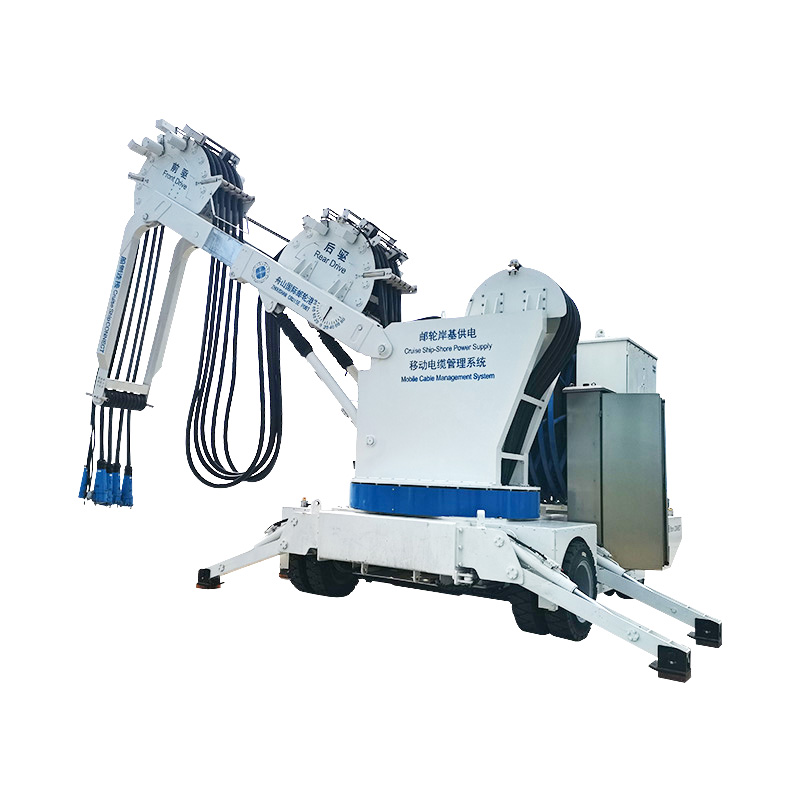
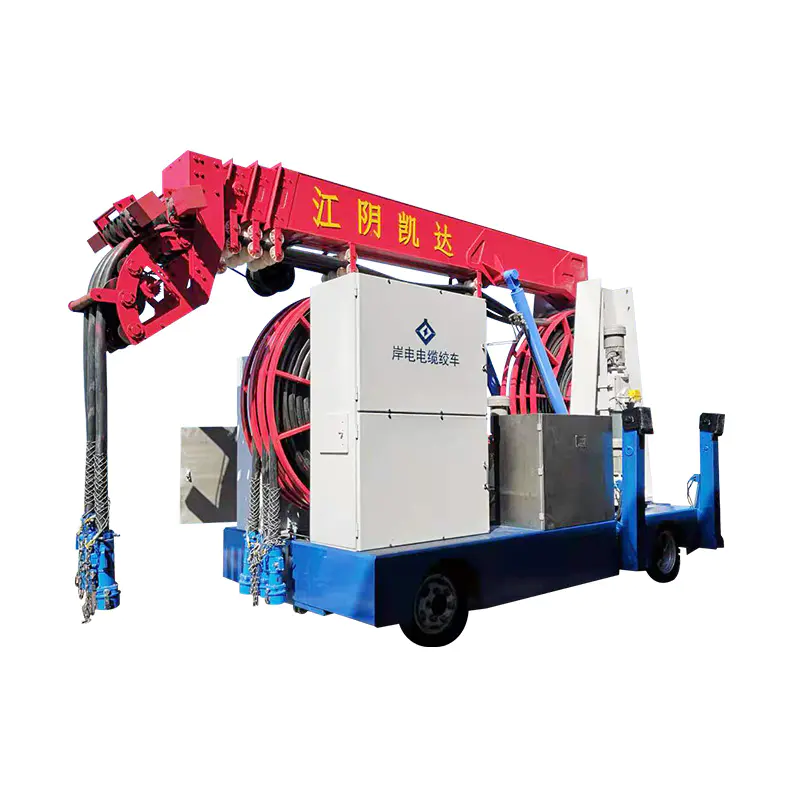
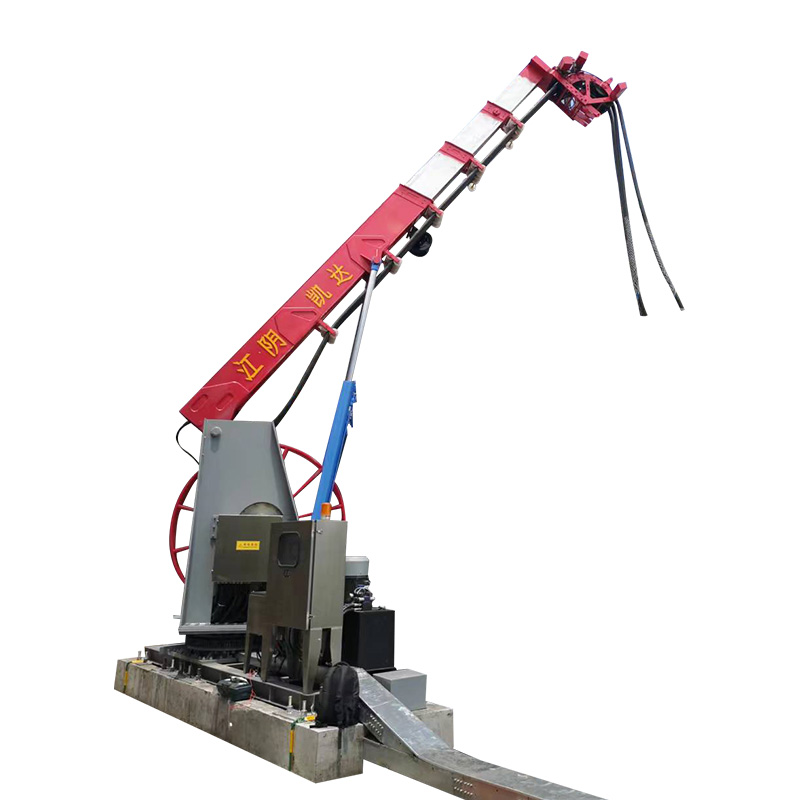
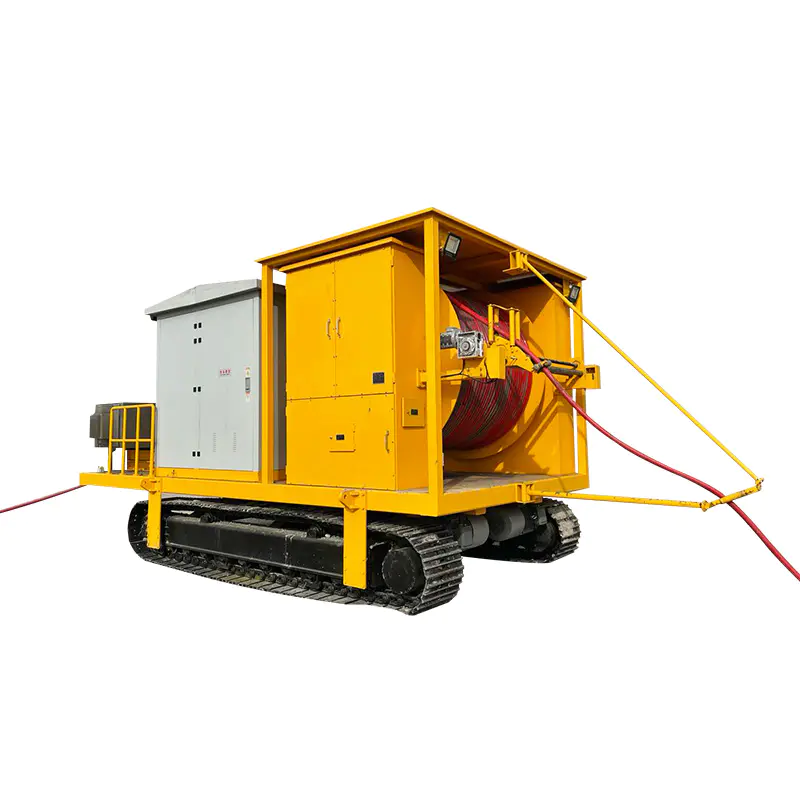
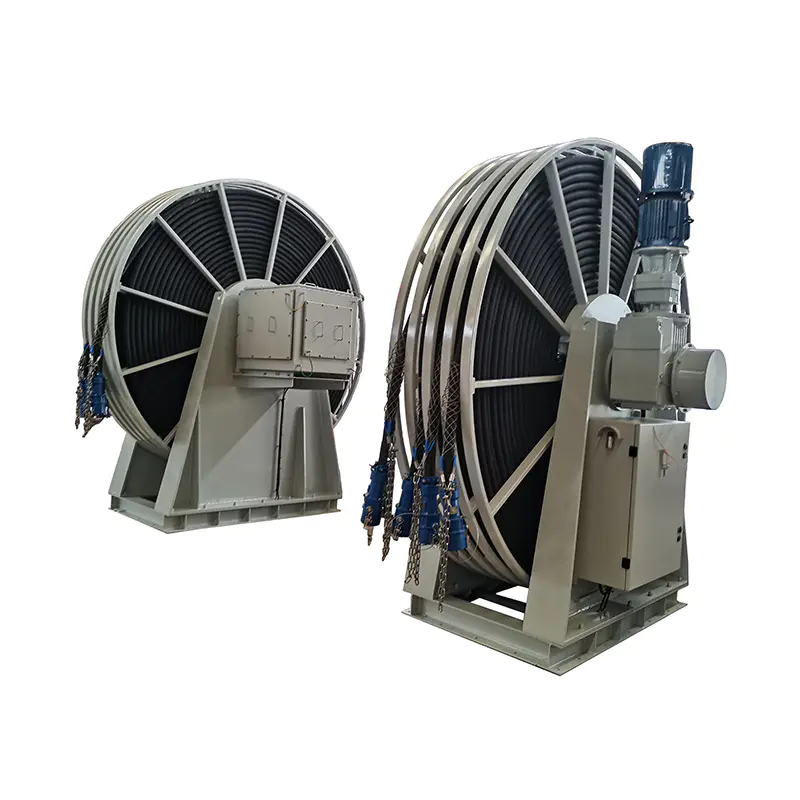
Motor-driven cable reels are engineered to provide an automated, controlled, and organized winding process for electrical cables. Unlike manual or spring-operated counterparts, motorized reels utilize electric or hydraulic power to ensure the cable remains properly tensioned, regardless of the machine’s speed or distance of travel. This functionality is vital in environments where cable weight, excessive length, or rapid acceleration would compromise the integrity of simpler reeling mechanisms.
The primary duty of these systems is to eliminate the risks of cable dragging, kinking, or entanglement—phenomena that lead to catastrophic power failures and costly downtime. By maintaining constant, calibrated tension, motor-driven reels protect the internal conductors from mechanical stress, significantly extending the cable’s service life.
Comparative Analysis: Motor-Driven vs. Spring-Driven Reels
Understanding when to upgrade from a spring-driven system to a motor-driven solution is a common challenge for facility engineers. The following table highlights the core differences:
| Feature | Spring-Driven Reel | Motor-Driven Reel |
|---|---|---|
| Power Source | Internal mechanical spring | Electric motor (Torque/VFD/Servo) |
| Travel Distance | Limited (typically up to 50m) | Unlimited (dependent on reel design) |
| Cable Capacity | Low to Medium weight/gauge | High-capacity, heavy-duty cables |
| Tension Control | Passive/Mechanical | Active/Electronic (Precise) |
| Operational Speed | Low to Moderate | High speed and acceleration |
| Primary Use | Small workshops, light cranes | Port cranes, mining, large machinery |
Spring-driven reels are excellent for compact, low-maintenance applications. However, as operational demands increase in terms of cable diameter and travel distance, the mechanical limits of springs are quickly reached. Motor-driven reels compensate for this by offering adjustable torque and programmable tension, allowing for precise synchronization with machine movement.
Critical Selection Criteria for Engineering Teams
Selecting the appropriate motor-driven cable reel involves a detailed assessment of mechanical and electrical parameters. An oversight in any of these areas can lead to premature system failure.
- Cable Specifications: The total diameter of the cable bundle and the bend radius are the primary drivers for drum size. Engineers must ensure the reel drum is large enough to prevent the cable from experiencing excessive bending stress during the winding process.
- Current and Voltage Requirements: The slip ring assembly must be rated for the peak voltage and amperage of the equipment. For data-intensive applications, such as high-frequency signal transmission or fiber optics, specialized slip ring bodies are required to prevent signal interference.
- Duty Cycle and Environment: The motor’s ingress protection (IP) rating must match the operating environment. For coastal applications, such as port cranes, equipment must be resistant to salt spray, humidity, and vibrations. F-class insulation and robust housing are often required for such harsh conditions.
- Drive Mechanism Type:
- Torque Motors: Provide a high starting torque and are ideal for standard reeling applications.
- Inverter Control (VFD): Offers greater energy efficiency and precise tension control, suitable for high-speed operations.
- Servo Control: The pinnacle of precision, used in high-frequency applications where minimal tension deviation is required to protect delicate cables.
Strategic Maintenance for Extended Longevity
While motor-driven reels are designed for longevity, their complexity necessitates a proactive maintenance strategy. A systematic inspection protocol ensures that the reel remains operational for years of service.
- Quarterly Drive Unit Inspection: Inspect gearbox oil levels regularly and ensure motor cooling fans remain clear of dust and industrial debris. Overheating is the primary cause of motor degradation in these systems.
- Slip Ring Assembly Care: The slip ring is the heart of the electrical connection. Regularly clean the assembly with a non-conductive, residue-free solvent. Inspect the carbon brushes for wear; once they have worn down to approximately one-third of their original length, they must be replaced to prevent arcing and damage to the slip ring surface.
- Cable Guide Integrity: Ensure the guide rollers are free-spinning and lubricated. A misaligned or jammed cable guide will cause the cable to stack unevenly on the drum, which can lead to excessive tension and mechanical damage to both the reel and the cable.
- Tightness Checks: Vibration is a constant factor in industrial settings. Every inspection should include checking the integrity of bolts on the driveshaft, mounting plates, and electrical terminations to prevent loosening due to operational shock.
Conclusion
The implementation of a high-quality motor-driven cable reel is a vital investment in the operational continuity of industrial machinery. By carefully matching the motor type to the application, respecting the physical limits of the cable, and adhering to a rigorous maintenance schedule, operators can virtually eliminate cable-related downtime. As industrial requirements continue to scale in terms of power and automation, the role of reliable, motorized reeling technology will only continue to grow in strategic importance.
FAQ (Frequently Asked Questions)
- What is the maximum cable length a motor-driven reel can handle?
Unlike spring reels, motor-driven reels can handle very long cable runs. The limit is typically determined by the drum’s physical capacity to hold the required length and the motor’s ability to handle the tension generated by the weight of that cable. - Why is my cable stacking unevenly on the drum?
This is usually caused by an issue with the cable guide assembly, incorrect tension settings, or improper alignment of the reel relative to the cable path. Inspect the rollers and ensure the motor torque is correctly adjusted for the specific cable weight. - How often should I replace the carbon brushes in the slip ring?
There is no set time frame; it depends on the duty cycle and speed. Brushes should be inspected quarterly and replaced when they wear down to 1/3 of their original length to prevent damage to the slip ring contact surface. - Can motor-driven reels be used in corrosive or maritime environments?
Yes, but the reel must be specified with appropriate materials (e.g., stainless steel components) and higher IP ratings (e.g., IP65 or higher) to protect the motor, gearbox, and slip ring from salt spray and moisture. - What is the difference between an inverter-controlled reel and a torque motor reel?
Torque motors provide a constant, simple “pulling” force. Inverter-controlled (VFD) systems allow for programmable, variable speed and tension, which provides better energy efficiency and less physical wear on the cable during rapid acceleration or deceleration.
References
- Industrial Cable Management Standards and Electrical Safety Protocols.
- Technical Guidelines for Heavy-Duty Electric Motor Drives in Material Handling.
- Maintenance Manuals for Variable Frequency Drives (VFD) in Automated Reeling Systems.
- Engineering Best Practices for Slip Ring and Power Transmission in Port Crane Applications.
- Environmental Durability Ratings for Industrial Motor Enclosures (IP Classifications).