

 русский
Shortening a winch cable usually makes the pull stronger, not weaker. The line pull printed on a winch datasheet is measured on the first layer of cable around the drum, and every layer stacked on top of it costs roughly 10 to 15 percent of that force. A machine rated at 5 tonnes can be hauling with closer to half of that once the cable is working on its fourth or fifth wrap. Trimming the cable so the load stays on the lower layers is one of the cheapest ways to recover pulling power, because it needs no new motor or gearbox, just less cable on the drum. The trade-off is reach, since a shorter line covers less distance on its own.
Content
Why Fewer Layers on the Drum Mean More Pull
A winch delivers a fixed amount of torque to its drum, and pulling force is that torque divided by the radius at which the cable sits. On the first layer the cable sits close to the drum core, the radius is small, and the force at the hook equals the rated figure. As layers build up, the effective diameter grows fast. On a 180 mm drum carrying 12 mm cable, the first layer pulls from roughly a 192 mm diameter, while the fifth layer pulls from close to 288 mm. Same torque, bigger radius, less force at the hook. Real losses can run slightly worse than the geometry alone suggests, because cable rarely stacks level: crossed wraps bind, crush against each other, and add friction under load.
| Cable layer on the drum | Approximate share of rated pull | What it means at the hook |
|---|---|---|
| 1st layer | 100 percent | Full rated line pull, the figure on the datasheet |
| 2nd layer | About 85 to 90 percent | Already below rating on a moderate pull |
| 3rd layer | About 70 to 80 percent | Long pulls feel slower and motors run hotter |
| 4th layer | About 55 to 70 percent | Many winches are effectively working at half strength |
| 5th layer | 50 percent or less | Where stalled drums and tripped motors usually happen |
Because drum diameter, rope capacity and brake type all interact here, it is worth reviewing the core pull, drum size and brake type selection guide before deciding how much cable a drum should actually carry.
What a Shorter Cable Changes in Practice
Stronger, more consistent force
With a shorter line, the working wraps stay on the first layer or two for most of the pull, so available force stays close to the rated figure from start to finish. This is why many operators run a short primary line on the drum and carry a separate extension for distance. The winch spends its working life on its strongest layers, and the extension supplies reach only when a particular job demands it.
Cleaner spooling and less cable damage
A shorter line is also easier to wind back onto the drum without overloading one side. There are fewer wraps to guide, less pile-up against the flange, and fewer crossed wraps that crush and cut each other under tension. Drum-related cable damage tends to start in exactly those messy outer layers, so cutting the line back removes the zone where most spooling problems begin.
Faster resets between pulls
Less cable also means less length to reel in and stow between jobs. Over a shift of repeated pulls, the saved rewind time adds up, and the operator spends less effort keeping the fleet angle honest.
The Trade-Offs: Reach, Extensions, and Minimum Wraps
None of this makes a shorter line free. Three limits deserve respect before you cut anything.
- Reach. A shortened line cannot span a long gap on its own. If a job occasionally needs distance, add a separate extension line rated to match the winch cable, and let the drum line stay on its low, strong layers.
- Minimum wraps. Never spool out to the anchor fitting. Keep at least five wraps on the drum at full extension, because the last wraps and the anchor are not designed to carry full load. Running out of wraps is a classic cause of dropped lines and damaged drums.
- Heavy, short pulls. Reeving the cable through a snatch block and back to the load roughly doubles pulling force while halving line speed and using only half the cable length, which pairs well with a shortened primary line.
How Short Should the Cable Be?
Size the line to the longest pull you actually make, plus a working margin, rather than to the drum's maximum capacity. Log the pull distances from a few weeks of real work, add roughly 10 to 20 percent for routing and anchor placement, and treat anything beyond that as dead weight that only ever winds on as weak outer layers. Remember that the datasheet rating is a first-layer number: if a job needs full rated pull from start to finish, the drum should still be on the first or second layer when the job ends, not the fourth. Cable construction matters here as well, since wire rope and synthetic rope behave differently on a drum; the cable material and length selection guide explains how those choices interact. One practical note for synthetic rope: an adjustable whoopie sling or soft shackle can shorten the effective line without cutting it, which is useful while you are still learning the distances you truly need.
Where This Matters Most on Industrial Cable Winches
Layer arithmetic is not only an off-road concern. Any winch that hauls heavy cable over a fixed route lives with the same physics, and for shore power and mining equipment the drum design is matched to it from the start.
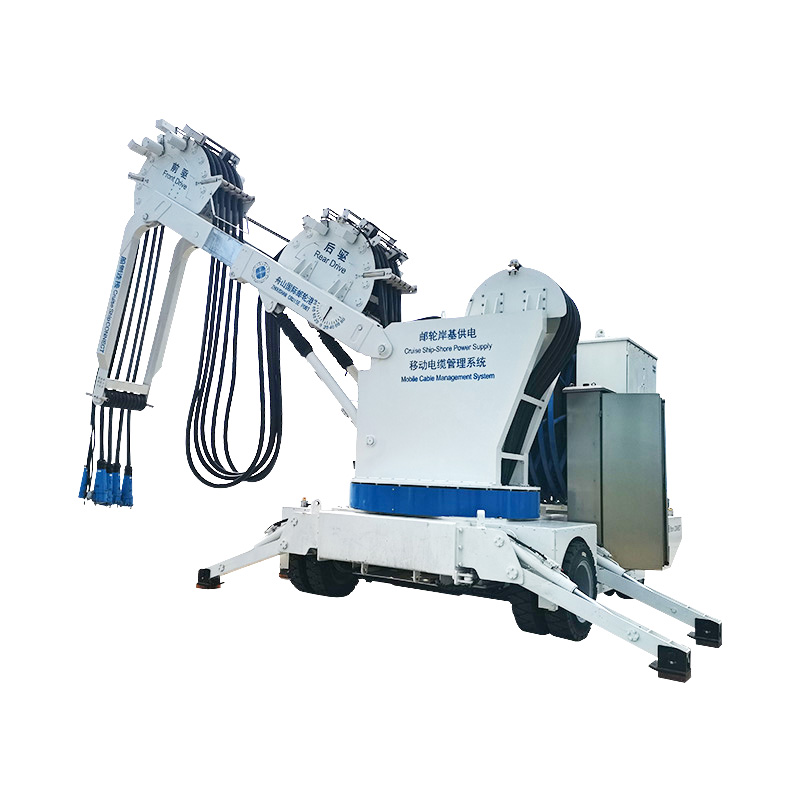
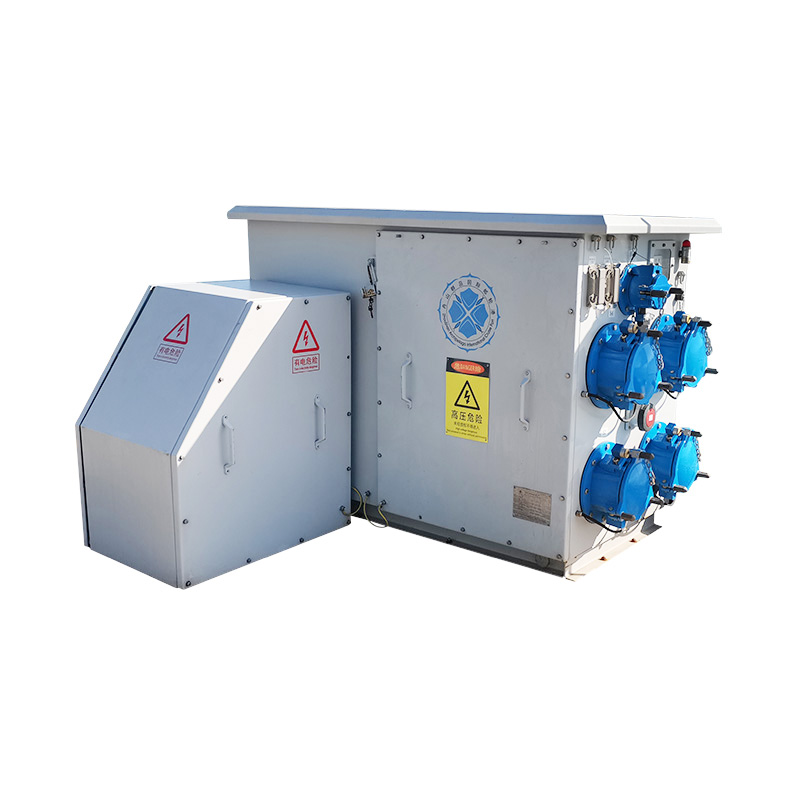
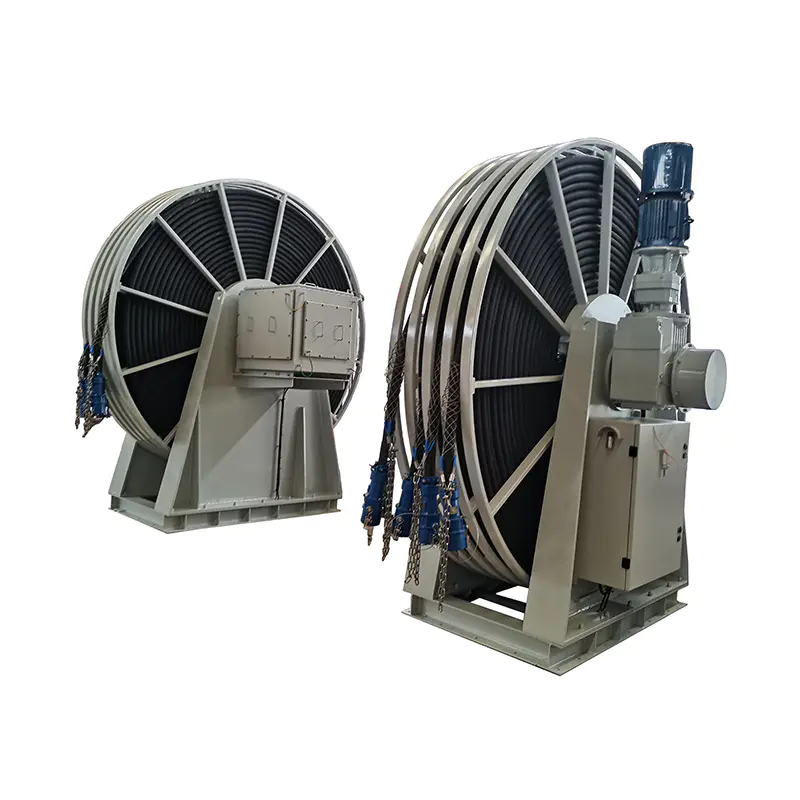
A cruise ship shore power cable pulling winch has to drag heavy high-voltage cable from the pier to the ship's connection point, often across a long berth. If available pull collapses in the middle layers halfway through the run, the connection schedule slips, so cable length and drum capacity are sized together.
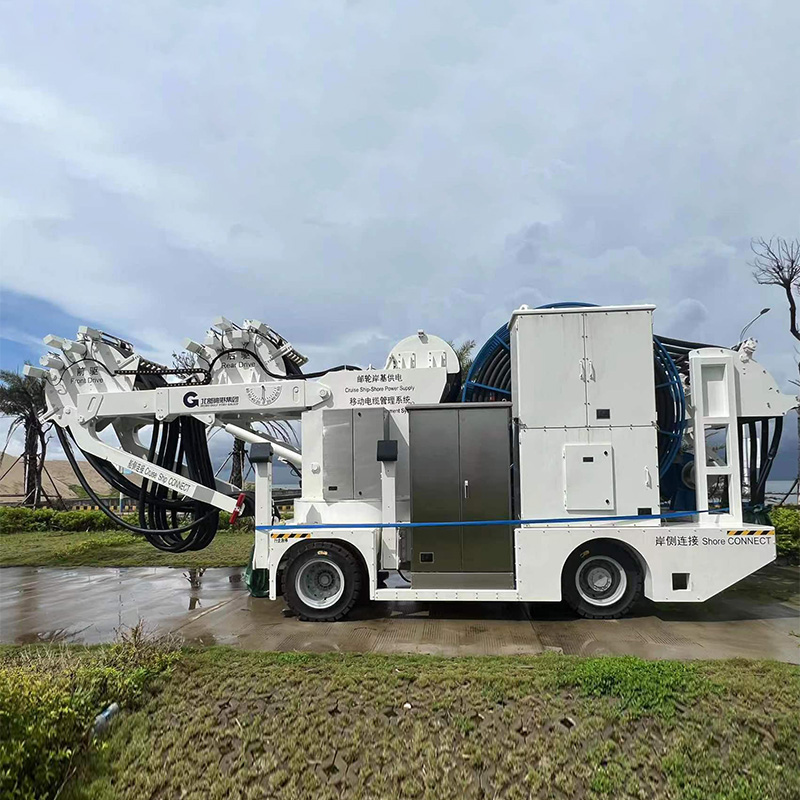 Cruise Ship Shore Power Cable Pulling WinchPulls heavy high-voltage shore power cable from the pier to the ship's connection point across a long berth. Drum capacity and cable length are sized together so available pull holds through the middle layers and the connection schedule stays on track.View Product →
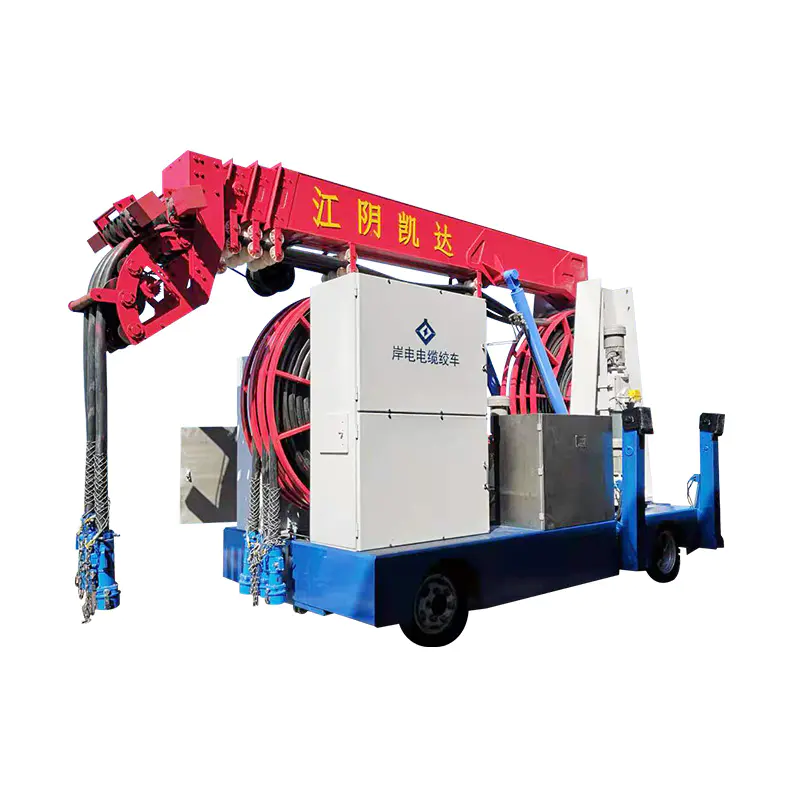
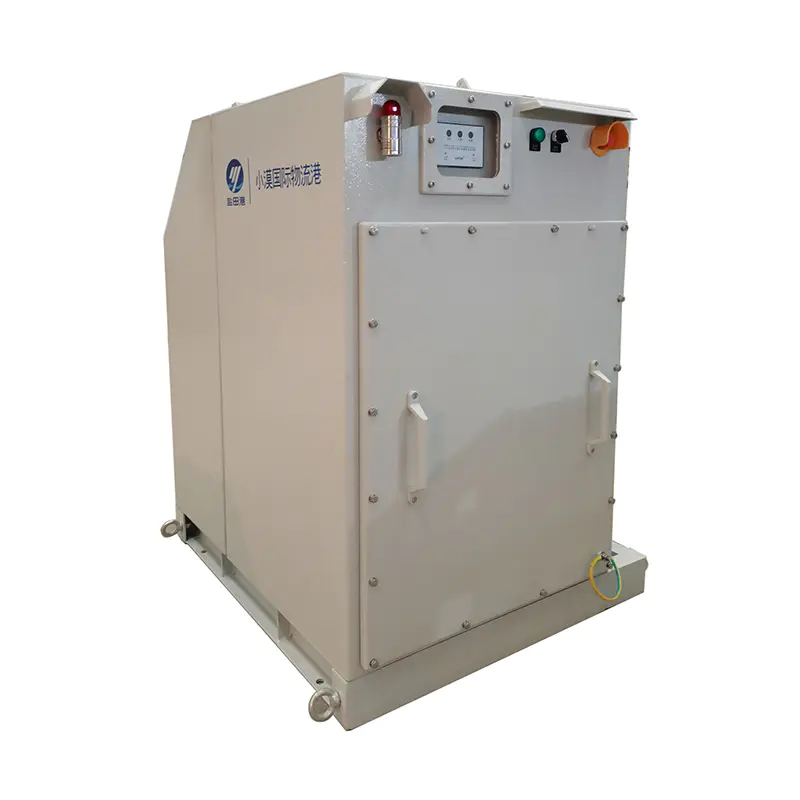
On vessels and in shipyards, deck space and drum diameter are fixed, so a marine cable pulling winch has to deliver its traction from a compact drum. Keeping the working length on the lower layers is often what separates a clean pull from a strained motor.
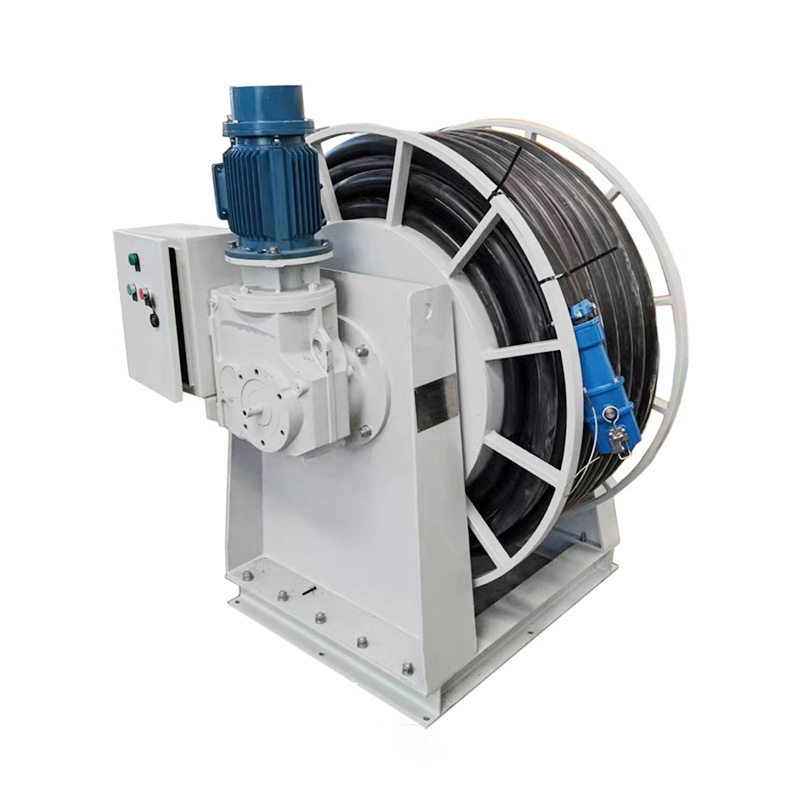 Marine Cable Pulling WinchDelivers traction from a compact drum where deck space and drum diameter are fixed aboard vessels and in shipyards. Keeping the working length on the lower layers helps ensure clean pulls without straining the motor.View Product →
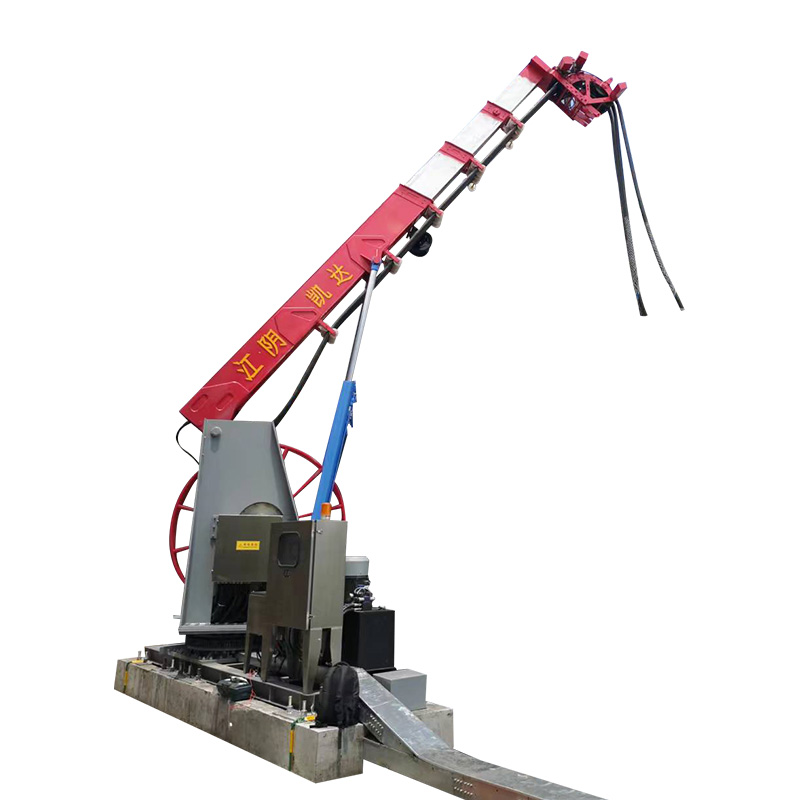
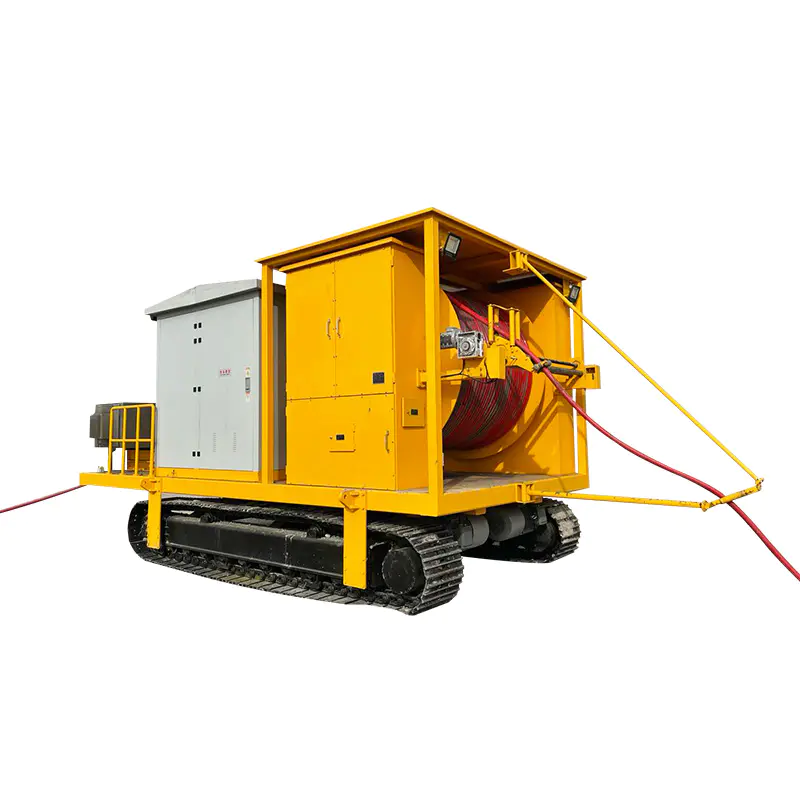
In open-pit mines, an electric shovel tail cable pulling winch pays cable out and reels it in as the shovel advances and turns, and the number of layers on the drum directly shapes how cable tension behaves through every one of those cycles.
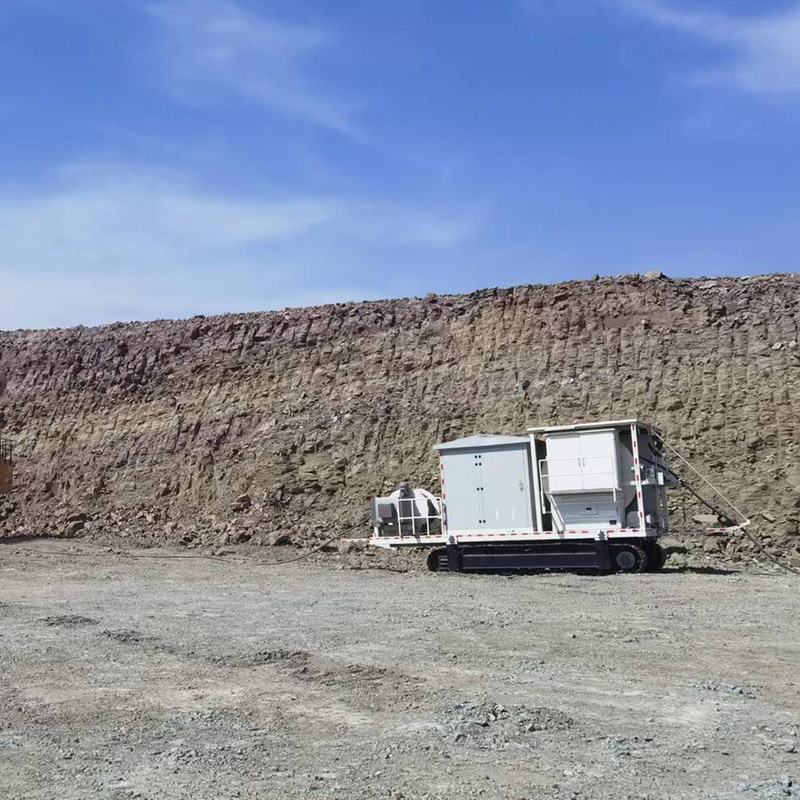 Electric Shovel Tail Cable Pulling WinchPays out and reels in cable as an open-pit electric shovel advances and turns. Since drum layers directly affect cable tension through every cycle, sizing the winch to actual pulls keeps tension behavior predictable.View Product →
A Practical Checklist Before You Cut
- Record real pull distances over several jobs and size the shortened line to the longest routine pull plus 10 to 20 percent, not to the drum's rated capacity.
- Confirm the drum still carries at least five wraps when the line is fully extended, and re-check this after every shortening.
- Recalculate the layer count for the new length and confirm the cable still fills evenly between the flanges at a healthy fleet angle.
- Re-terminate properly: swaged fittings for wire rope, splices and thimbles for synthetic rope, or an adjustable sling if you want length you can change later.
- Test under light load, watch how the cable spools under power, and relabel the winch with the approximate line pull for each remaining layer.
The Bottom Line
Shortening a winch cable moves the working pull back toward the machine's rated first-layer force, typically recovering 10 to 15 percent for every layer you eliminate, while making spooling cleaner and resets faster. What it costs is reach, and you can buy that back with a properly rated extension or a double-line setup. Measure first, keep the minimum wraps, and size the line to the pulls you actually make rather than the ones you imagine.