

 русский
Cable pulling grips are the quiet heroes of a cable installation. They sit between the winch line and the cable, take the tension the drum develops, and pass it into the jacket or the conductor without crushing what they hold. After more than two decades building cable pulling winches, cable reels and shore power socket boxes for ports, shipyards and mines, we have seen far more jobs slowed down by a mismatched grip than by a weak winch.
What follows is a practical walkthrough: what a grip really does, how the main families differ, how to match one to a cable and a winch, and the habits that keep a pull safe.
Content
- 1 What a Cable Pulling Grip Really Does
- 2 The Main Types of Cable Pulling Grips
- 3 Matching the Grip to the Cable
- 4 Grips, Winches and the Whole Pulling System
- 5 Pulling Cable at Ports and Shipyards
- 6 After the Pull: Reeling and Storing the Cable
- 7 Safety Practices That Prevent Accidents
- 8 A Short Selection Checklist
What a Cable Pulling Grip Really Does
A grip turns tension into gripping force. As the line tightens, the mesh closes or the jaws bite, so the harder the pull, the tighter the hold, up to the rated capacity of the grip. There is no magic in it, which is exactly why the match between the grip's diameter range, its rated load and the cable in front of it decides everything.
It helps to picture the full load path, because every possible failure sits somewhere on it:
- The winch drum applies tension to the line.
- A swivel or shackle connects the line to the grip and lets the cable rotate without twisting the line.
- The grip body, mesh sleeve or jaw set, squeezes the cable.
- The jacket, bedding, armour or strength member carries that load inward.
- The conductor stays inside its own tension limit, which is the whole point of the arrangement.
Get any of those steps wrong, a grip one size too large, a seized swivel, a jacket too soft to hold, and the pull either slips or damages the cable. Both outcomes cost more than the grip.
The Main Types of Cable Pulling Grips
Most products sold as cable pulling grips fall into three broad families, plus a few specialty tools for particular jobs.
Mesh and wire grips
Woven steel mesh is the classic all-rounder. Under tension the weave contracts around the cable, so the hold is proportional: pull harder, grip harder. Single-weave versions suit lighter cables and shorter duct runs, while double-weave versions carry heavier loads and are usually chosen for long pulls or large conductors. Lace-up and split mesh grips open along their length so they can be wrapped around a cable that already carries a connector, which saves a great deal of re-terminating.
Jaw-type grips
Jaw grips clamp the jacket mechanically with spring-loaded or lever-actuated jaws. They are quick to fit and are often used on smooth, hard jackets such as HDPE-coated cable, where mesh can struggle to bite. The trade-off is concentrated load over a short length of jacket, so jaw profile and jaw setting matter more.
Support and specialty grips
Support grips hold a vertical or steeply angled cable rather than pull it, which makes them common in risers and shafts. Pulling eyes, cable socks and flexible leaders cover the awkward ends of a job: attaching to a strength member, threading a duct, or joining a short section to a winch line.
| Grip family | How it holds | Typical use | Watch out for |
|---|---|---|---|
| Single-weave mesh | Weave contracts under tension | Light cable, short duct runs | Must match the exact diameter range |
| Double-weave mesh | Two mesh layers, higher load | Heavy cable, long pulls | Bulkier at duct entry points |
| Lace-up or split mesh | Wrapped around the cable and laced | Cable with connectors already fitted | Uneven lacing concentrates load |
| Parallel jaw grip | Spring jaws clamp the jacket | HDPE and other hard, smooth jackets | Point loading on soft jackets |
| Support grip | Mesh body with a hanging eye | Vertical cable support in risers | Not a pulling device on its own |
Matching the Grip to the Cable
Sizing is not only about diameter, though diameter is where most mistakes begin. A mesh grip slightly too large will slip once tension climbs, and one slightly too small is hard to fit and can pinch the jacket. Measure the cable with a caliper rather than trusting the nominal size on a datasheet.
Beyond diameter, these factors decide whether a grip holds:
- Jacket material and hardness, since slippery HDPE behaves nothing like soft rubber or PVC.
- Cable construction, because unarmoured, armoured, lead-sheathed and multicore cables distribute load differently.
- Weight per metre and total run length, which together set the baseline tension.
- Route conditions, including bends, trays, duct friction and changes of direction.
- Pull speed and how smoothly the winch starts, because a jerky start peaks well above steady tension.
Fibre optic cable follows a stricter rule: pull on the strength member, never the jacket, and stay inside the tension limit the cable maker specifies.
Grips, Winches and the Whole Pulling System
A grip and a winch are a pair. A winch with controlled acceleration and steady line speed protects the grip, while one that snatches will spike tension and roll a mesh grip along the cable. Keep the fleet angle small so the line enters the grip in a straight run, and use a swivel so the cable can rotate off the drum instead of winding up the line.
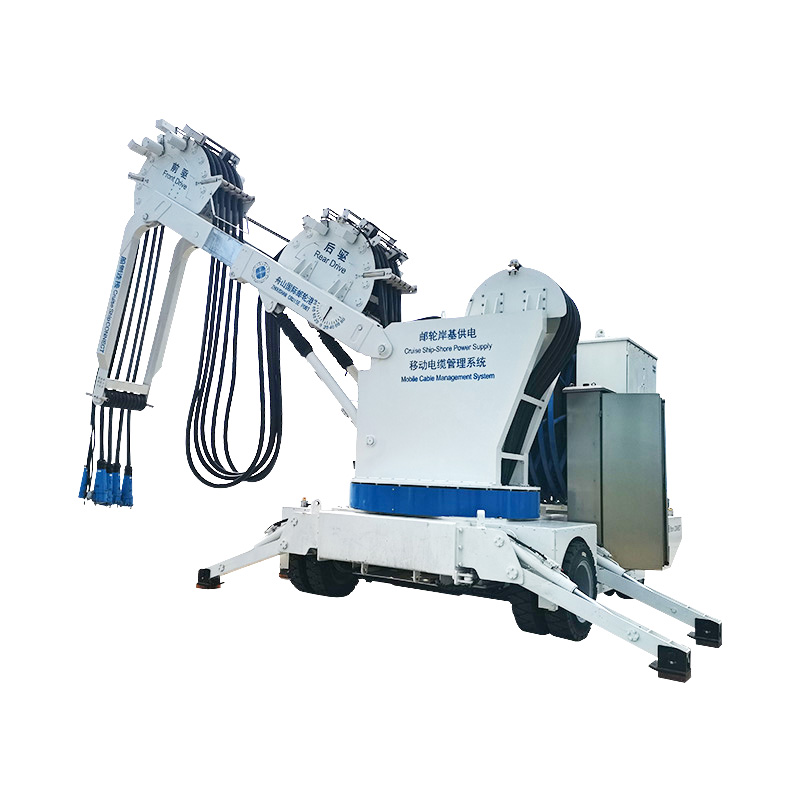
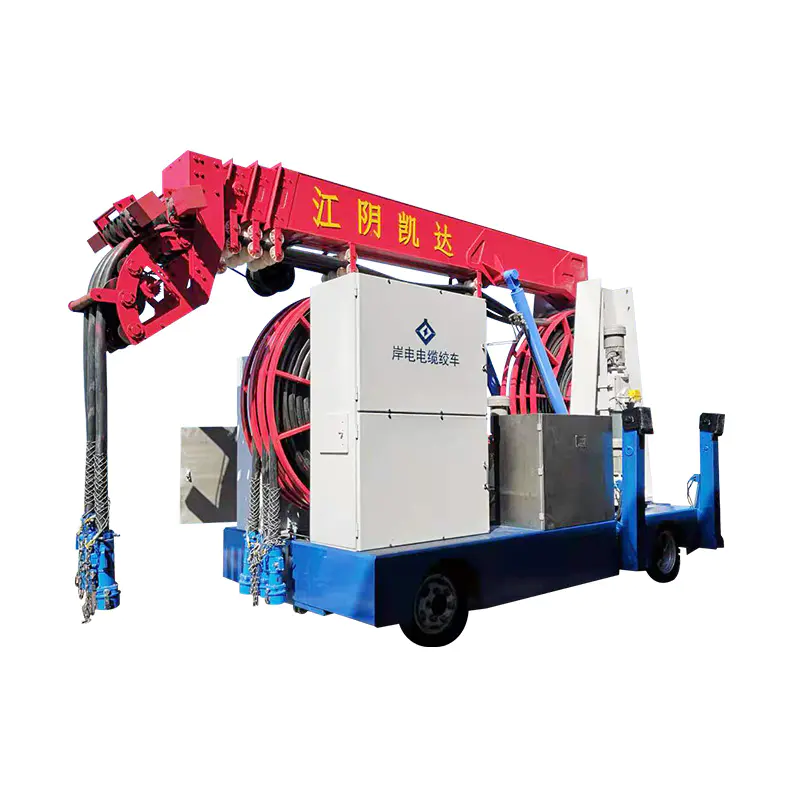
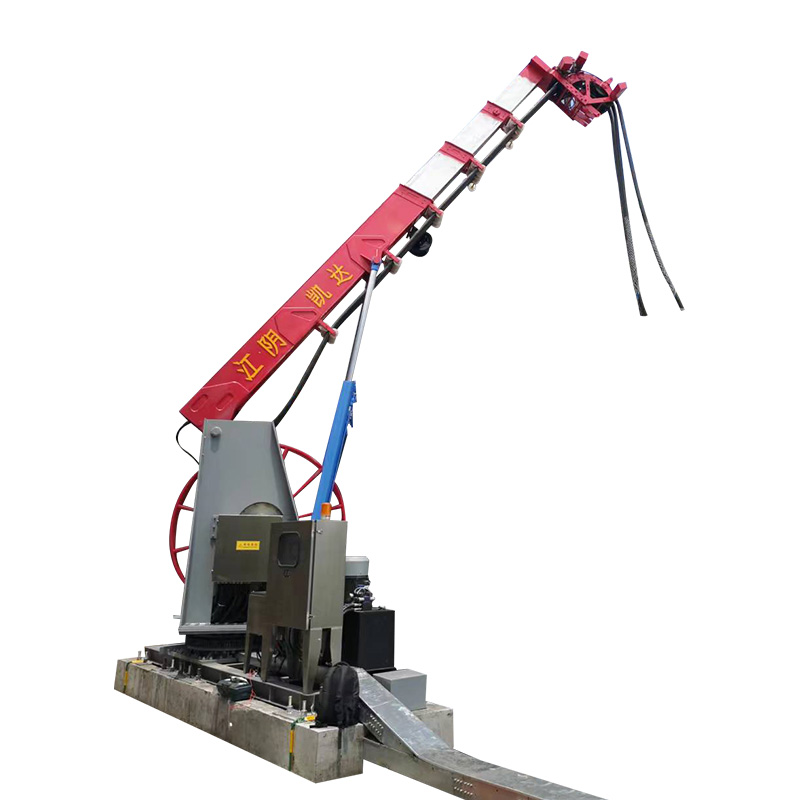
We build cable pulling winches in several configurations, marine, cruise ship shore power, self-propelled quayside, fixed telescopic arm and electric shovel tail, because pulling conditions in a shipyard, a mine pit and a port berth are not the same. A marine unit, for example, is expected to work in salt air, with limited deck space and a cable running over a bulwark rather than through a straight duct.
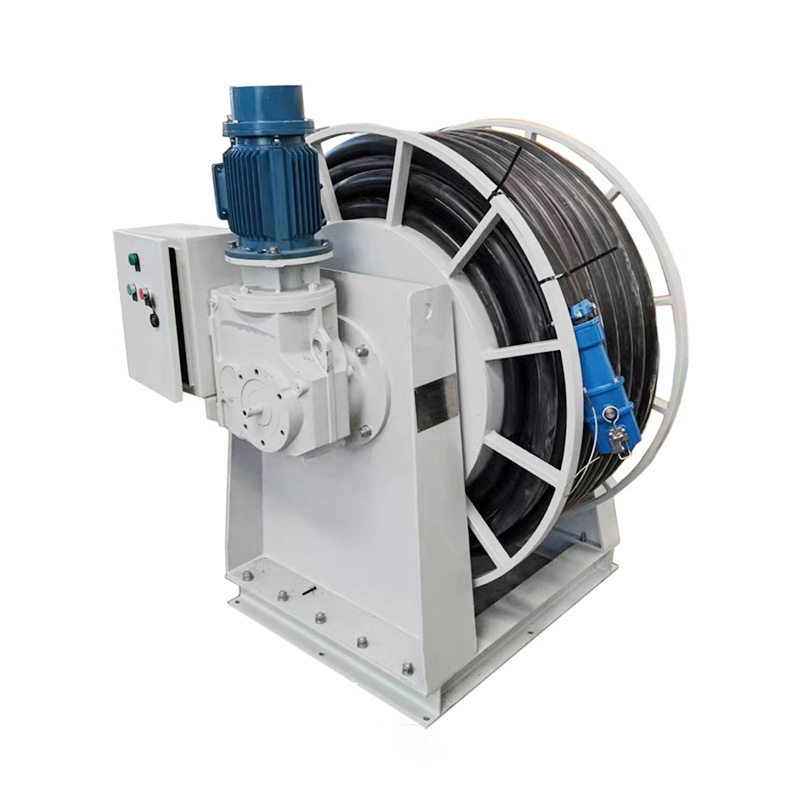 Marine Cable Pulling Winch for Shipboard Shore PowerShipboard winch for storing, collecting and releasing cable, suited to marine shore power connections and demanding salt-air deck conditions.View Product →
Pulling Cable at Ports and Shipyards
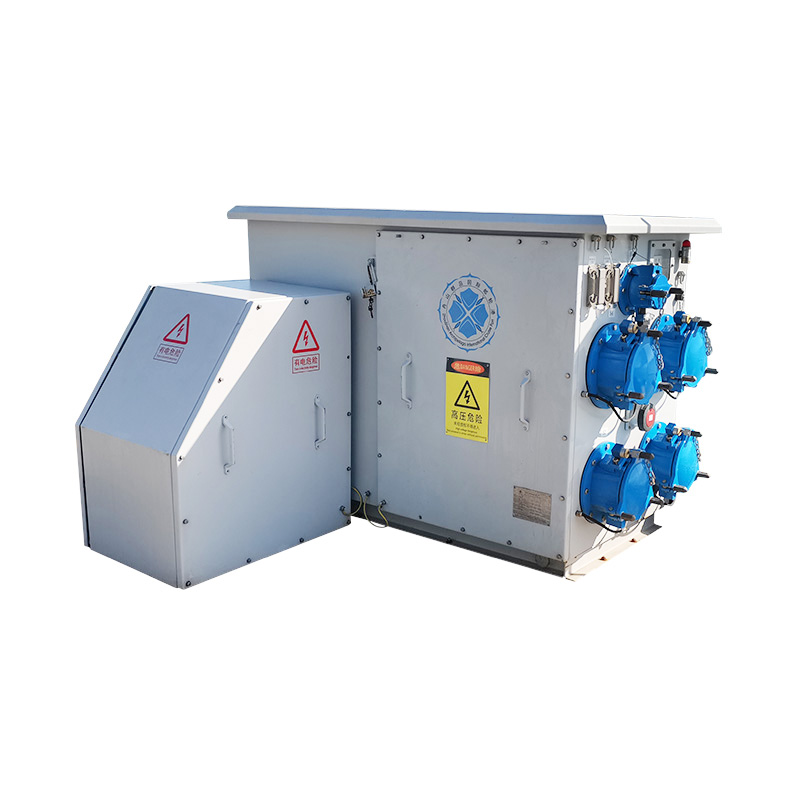
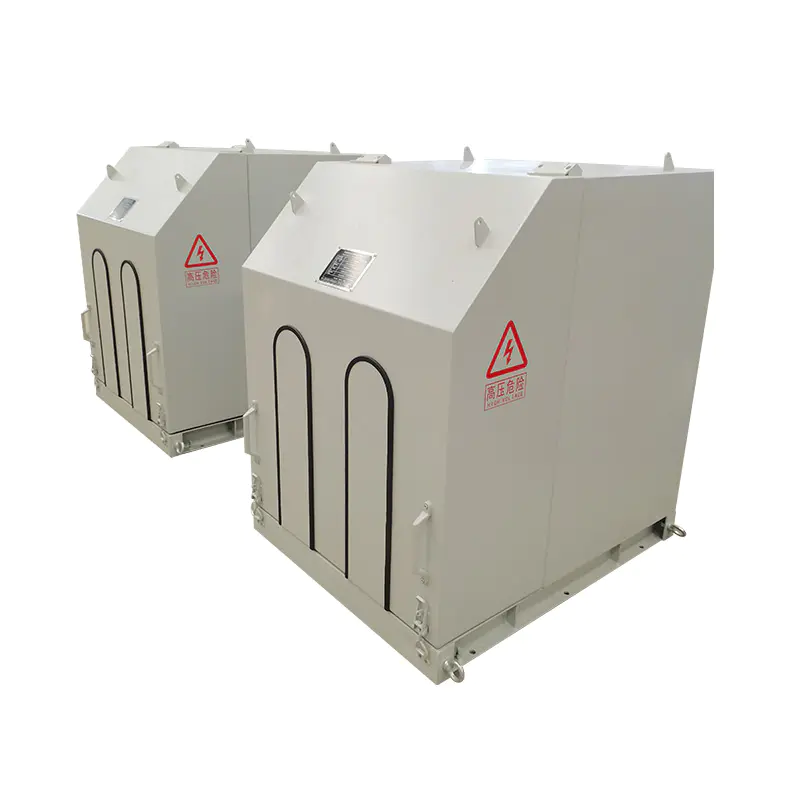
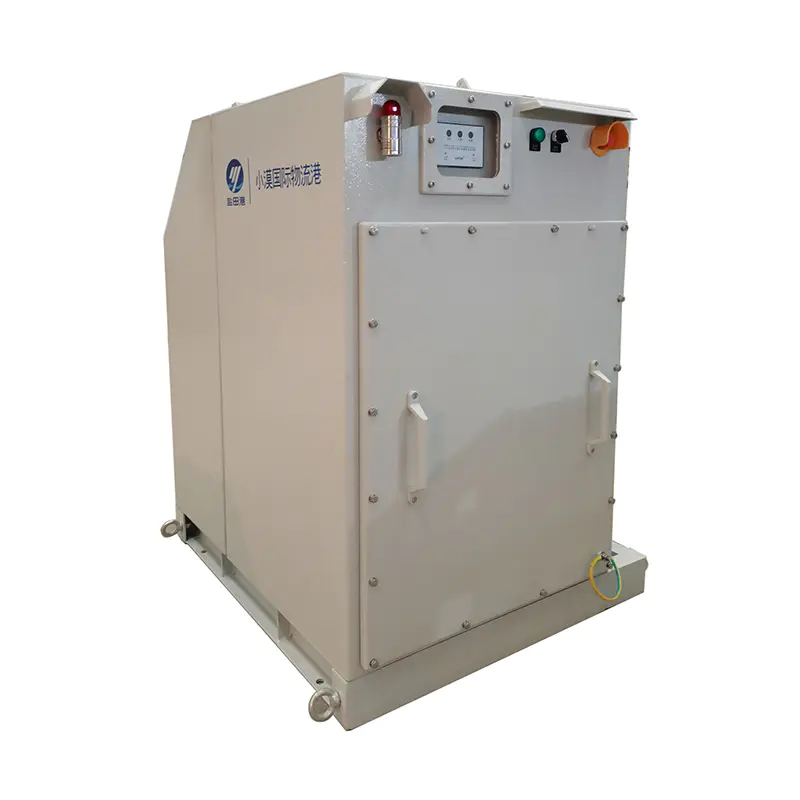
Shore power connections show how grips fit into a larger system. A cruise ship taking power at berth needs a heavy, flexible cable run from a socket box on the quay to a connection point on board, often with a change of level and a long horizontal run on the apron. Grips do the holding, the winch does the hauling, and the socket box does the connecting.
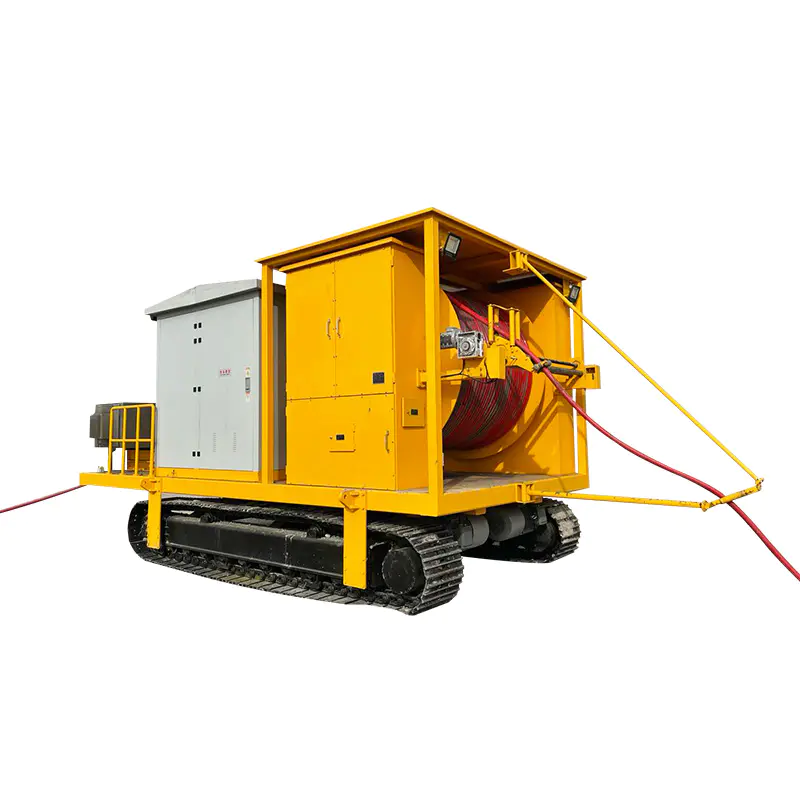
In those conditions a self-propelled shore power cable pulling winch earns its place, because it can be positioned close to the cable route instead of relying on a fixed fairlead. That keeps the pull angle gentle and the side load on the grip low. Our guide to choosing a shore power cable pulling winch covers the practical criteria in more detail.
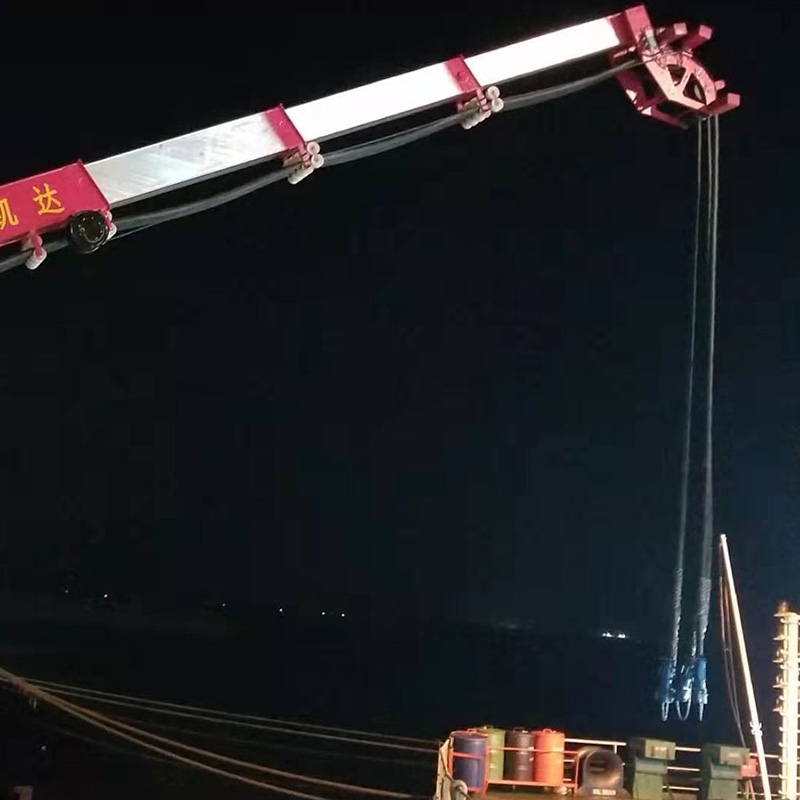 Self-Propelled Shore Power Cable Pulling WinchSelf-driving winch for pulling and laying shore power cables, with reclaiming function and controlled traction for ports and berthing areas.View Product →
After the Pull: Reeling and Storing the Cable
The job is not finished when the cable arrives. Spooling it back under control protects the jacket and keeps the grips fit for the next pull. Respect the minimum bend radius, spool with steady tension instead of letting the cable drop onto the drum, and never drag a grip across a sharp edge on the way in.
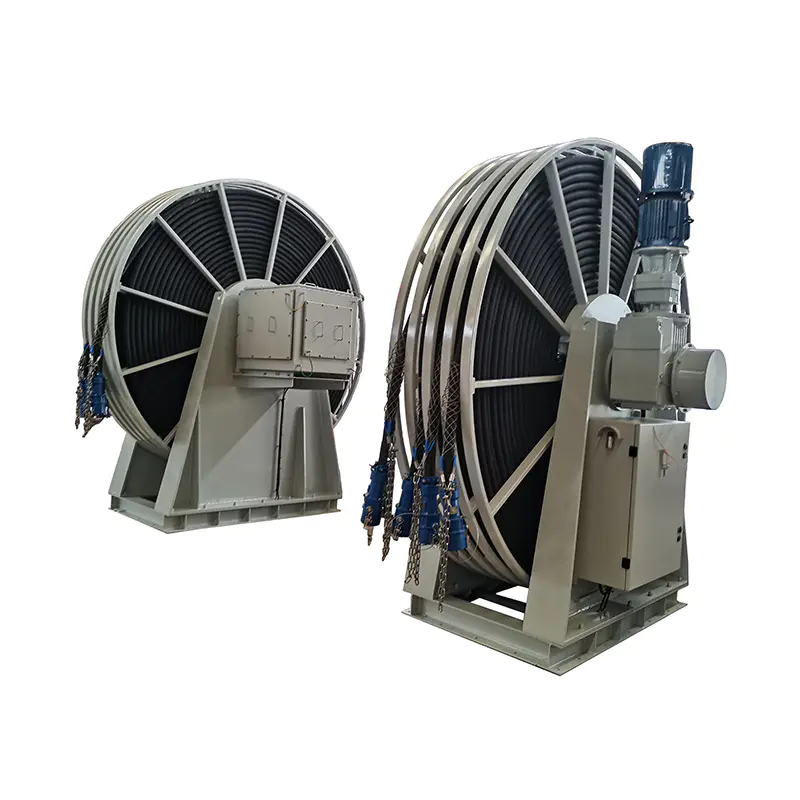
Where cable is paid out and recovered repeatedly, on a quay, in a plant room or behind an electric shovel, a motor-driven cable reel takes over from manual coiling. Our own reel designs cover a range of drives and sizes, and the principle never changes: let the machine spool the cable the way it was spooled at the factory.
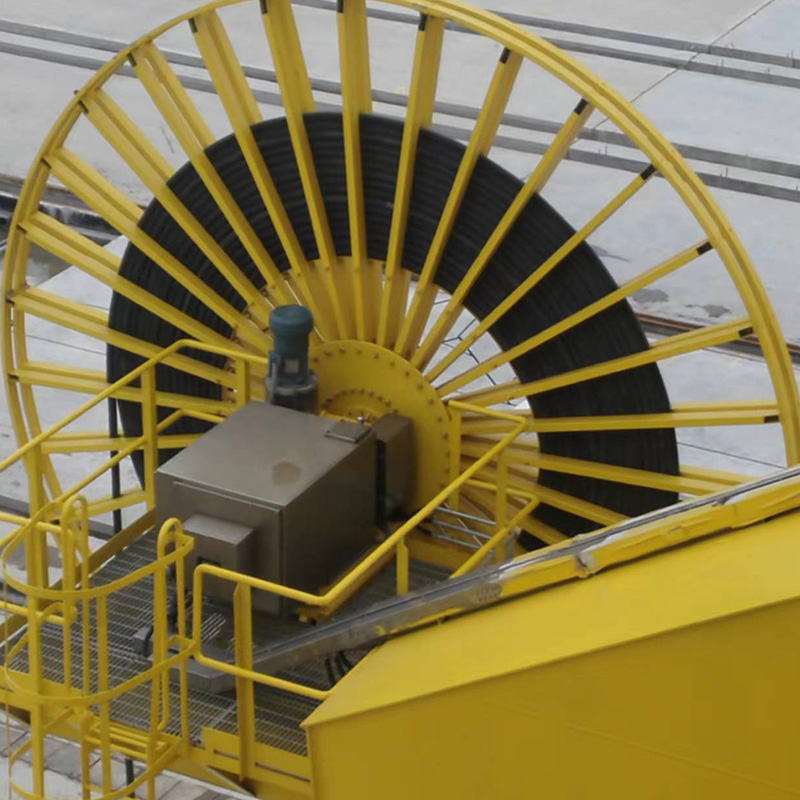 Motor-Driven Cable Reel for Repeated Cable WindingMotor-driven reel with rotating drum and speed/direction control for repeated cable payout and recovery on quays, plant rooms and electric shovel sites.View Product →
Safety Practices That Prevent Accidents
Nearly every serious pulling injury has the same shape: stored energy releases when something slips or breaks, and anyone in the bight is exposed. These habits are simple, and they work.
- Inspect the grip before every pull: frayed mesh, deformed jaws, cracked ferrules and worn swivels mean replace, not repair.
- Confirm the measured cable sits inside the grip's diameter range.
- Compare the grip's rated load with your calculated tension, leaving margin for friction and start-up peaks.
- Seat the grip fully, with mesh or jaws covering their full designed length.
- Take up tension slowly and watch the grip before committing to the full pull.
- Keep everyone clear of the line, and never stand in line with the pull.
- Stop at once if the grip slips, creeps along the jacket, or the cable starts to deform.
Our cable winch safety notes for operators follow the same logic: control the energy, watch the hardware, and stop early when something changes.
A Short Selection Checklist
If you remember one thing, make it this: choose the grip for the cable, not for the winch. A winch can be adjusted; a grip cannot.
- Cable diameter, measured, plus jacket material and hardness.
- Cable construction, and where the load is allowed to sit.
- Estimated tension including bends, friction and start-up peaks.
- Grip family and rated capacity, with a sensible margin.
- Connection method: swivel, shackle and line size.
- Who inspects the grip, and when.
A grip costs a fraction of the cable it protects, and it is the part most often reused past its useful life. Treat it as a consumable, keep spares matched to the cable sizes you actually pull, and the next pull will be as uneventful as it should be.