

 русский

Ask five people on a dock what cable rolling means and you will probably get five answers. One will describe winding a shore power cable back onto a drum at the end of a shift. Another will mean the roller beds that carry a heavy cable across a concrete quay so it never drags on the ground. A third will be thinking about the neat figure-of-eight coil that keeps a flexible lead from kinking in storage.
All three are right, and all three matter. We have spent more than twenty years building cable reels, cable pulling winches and socket boxes in Jiangyin, and most of the cable damage we hear about traces back to one of those three moments being handled badly. What follows is how we explain cable rolling to customers who are planning a job, in the order a cable usually meets each step.
Content
- 1 What Cable Rolling Actually Means in Practice
- 2 Rolling by Hand: The Over/Under Method
- 3 Cable Rollers: Guiding the Cable, Not Carrying It
- 4 When Rolling Becomes Mechanical: Motor-Driven Cable Reels
- 5 Cable Rolling on the Quayside and on Deck
- 6 Comparing the Main Rolling Methods
- 7 Small Checks That Prevent Big Cable Damage
What Cable Rolling Actually Means in Practice
The word "rolling" gets used loosely, so it helps to separate the three activities before talking about equipment. Each one has its own habits, its own tools and its own typical failures.
Rolling onto a drum
This is spooling: cable is wound in layers onto a reel, drum or winch spool so it can be stored and paid out again under control. The quality of a spooling job depends on tension and fleet angle rather than on speed. A cable laid with slack in the lower layers will cut down into itself once the upper layers press on it, and the next payout may come off in a tangle. Keeping the cable entering the drum at a shallow angle, roughly within a couple of degrees of perpendicular to the flange, spreads the turns evenly and avoids pile-ups at one edge.
Rolling across rollers
On long pulls, the cable does not turn at all. It travels over a series of cable rollers that lift it clear of abrasive surfaces and reduce the force needed to move it. This is rolling in the literal sense, and it is the cheapest protection available on a site, provided the rollers are spaced properly and stay upright under load.
Rolling up by hand
Short flexible leads, jumper cables and control tails are still coiled by hand, and this is where twisting damage quietly accumulates. A cable that has been forced into a loop against its natural lay will keep that memory for years, and the twist travels into the inner conductors and shielding.
Rolling by Hand: The Over/Under Method
Anyone who works with audio, broadcast or marine cable regularly will already know the over/under technique. It is worth teaching to every new person on the quay, because it costs nothing and prevents a surprising amount of scrap.
- Hold the coil in one hand with the palm facing up, and let the cable run through the other hand so you can feel the lay direction.
- Lay the first loop over the top of the coil, following the natural twist of the cable.
- For the second loop, bring the cable under and let it rotate in the opposite direction, so the twist is cancelled rather than stacked.
- Alternate over and under until the coil is complete, then tie it off with a soft strap rather than a thin cord that can bite into the jacket.
If the cable keeps fighting you, you are almost certainly twisting it. Stop, let it hang free for a moment and start again. The same principle applies when a length has to be stored flat: a loose figure-of-eight lets each turn relax in its own direction, which is why it is standard practice on boat decks and in temporary shore power hook-ups.
Cable Rollers: Guiding the Cable, Not Carrying It
Cable rollers are often treated as an afterthought, yet they do two jobs at once: they protect the jacket from abrasion and they cut the pulling load that has to be overcome by the winch or by the crew. A few practical points we repeat to installation teams:
- Place rollers on straight runs at intervals close enough that the cable never sags to the ground between them.
- Use corner rollers or a roller quadrant at every change of direction, so the cable bends against a rolling surface instead of a fixed edge.
- Check that the roller frame cannot tip once side load is applied; a fallen roller under tension is worse than no roller at all.
- Inspect sheaves and bearings before a long pull, since a seized roller turns into a brake and a chafing point.
- Keep the cable centred on the roller rather than riding its edge, which is where most jacket scoring starts.
None of this is expensive. It is simply the difference between a pull that finishes in an afternoon and one that ends with a section of cable being cut out and replaced.
When Rolling Becomes Mechanical: Motor-Driven Cable Reels
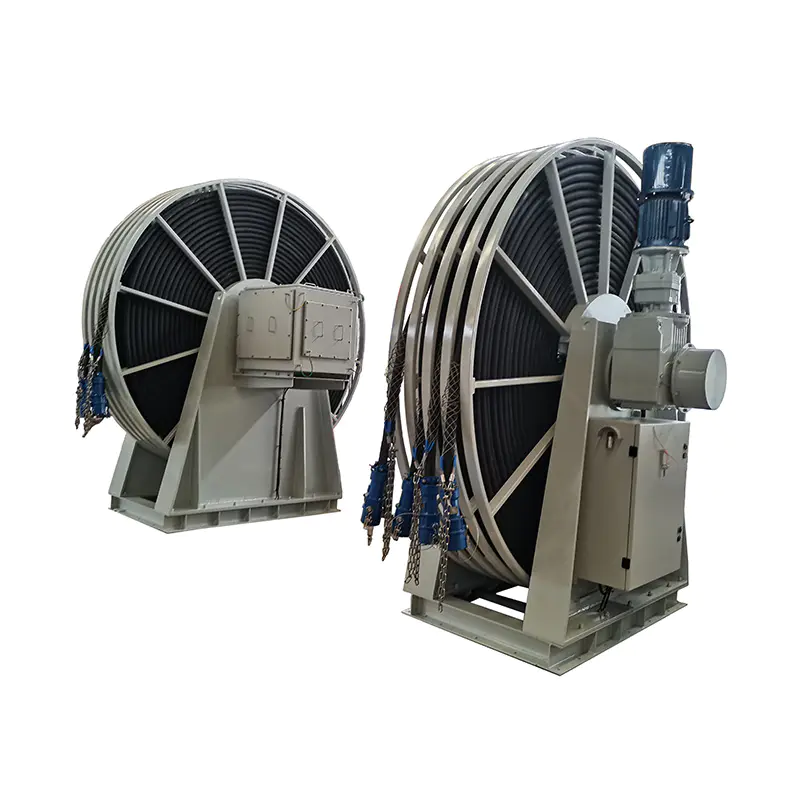
Once a machine rolls the cable for you, the question shifts from technique to control. A motor-driven cable reel has to hold tension on the cable while the equipment it serves moves, take up slack when it returns, and never let the cable go loose enough to be run over or tight enough to be stretched. That balance is set by the drive and by the slip ring assembly that carries power through the rotating joint.
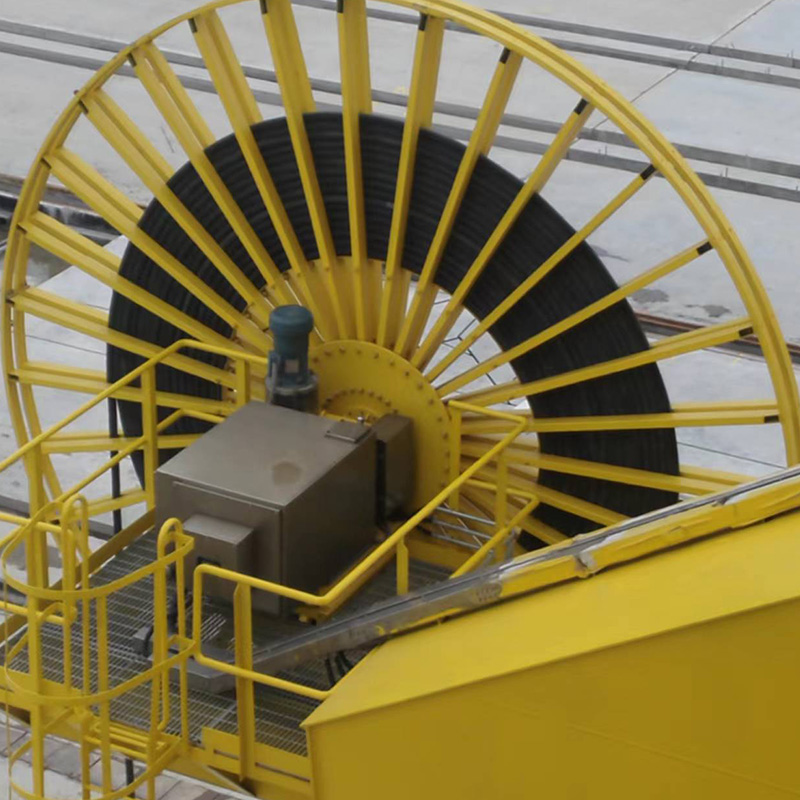 Motor-Driven Cable Reels with Tension ControlMotor-driven cable reel with adjustable speed and direction, plus tension control options to keep cable from slack or overstretch.View Product →
Our own experience covers the full spread of drive types, including flat spiral spring, gravity weight, hydraulic friction, hysteresis clutch, variable torque and variable frequency control. The right choice depends less on fashion than on duty cycle: a reel that is adjusted once a day on a crane has very different needs from one that follows a self-propelled shore power unit along a quay in wind and rain. Getting the torque curve wrong shows up first as uneven spooling, then as a flattened jacket on the outer layer.
Cable Rolling on the Quayside and on Deck
Ports are where all three kinds of rolling meet. A cruise ship berthing for a few hours needs heavy shore power cable paid out, guided across the quay and connected, then recovered and spooled again before departure. Doing that with people and ropes is slow and exposes the cable to exactly the dragging and twisting we have been describing.
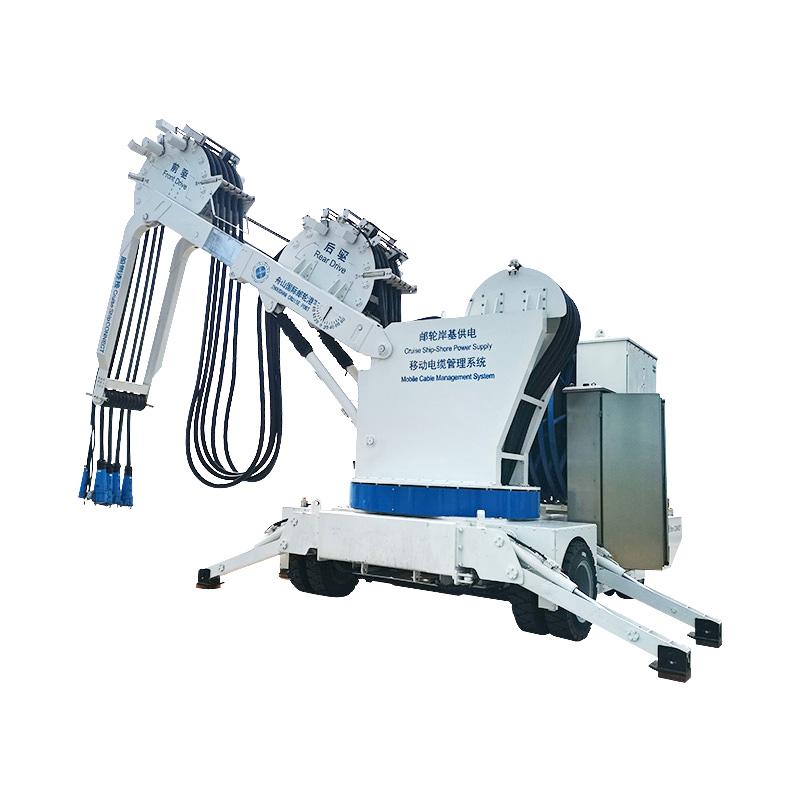
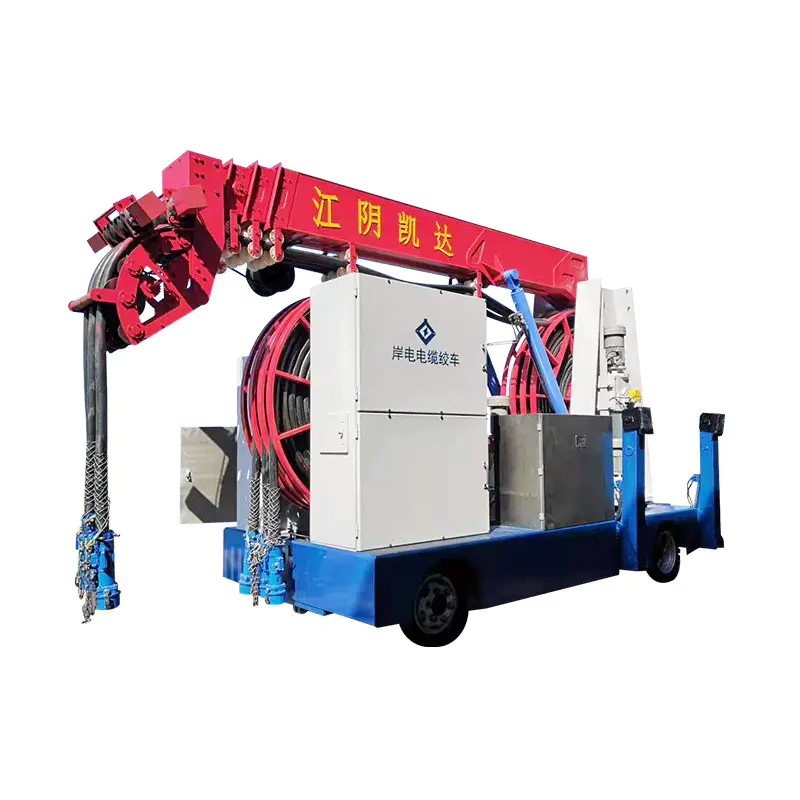
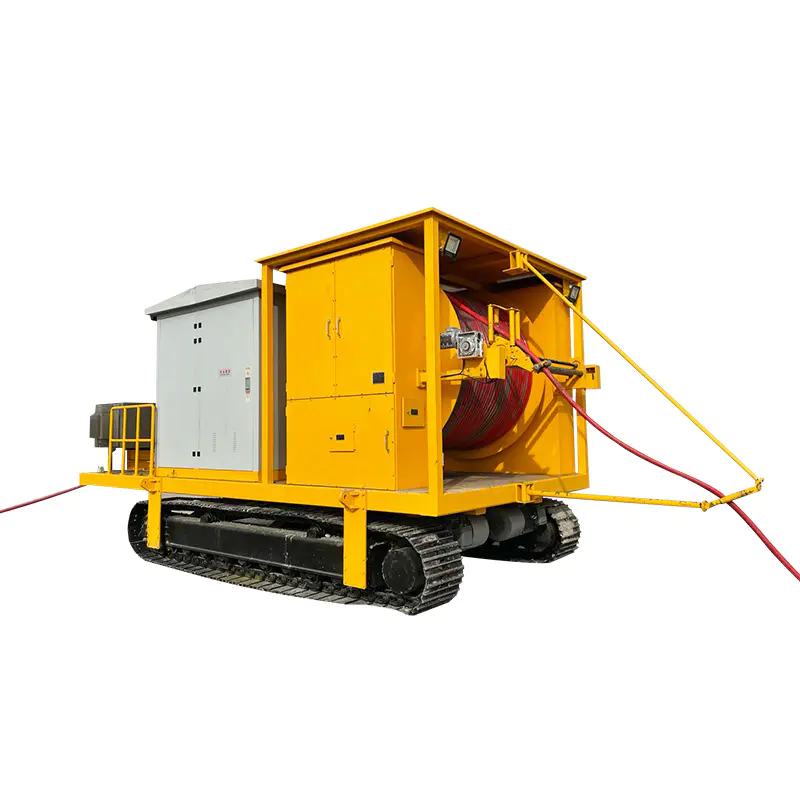
A shore power cable pulling winch takes over the traction, with guide rollers keeping the cable clear of kerbs and bollards and a reel or drum handling the take-up. Self-propelled units move along the berth with the vessel's connection point, while fixed installations rely on a properly sized cable pulling winch positioned to keep the fleet angle within reason.
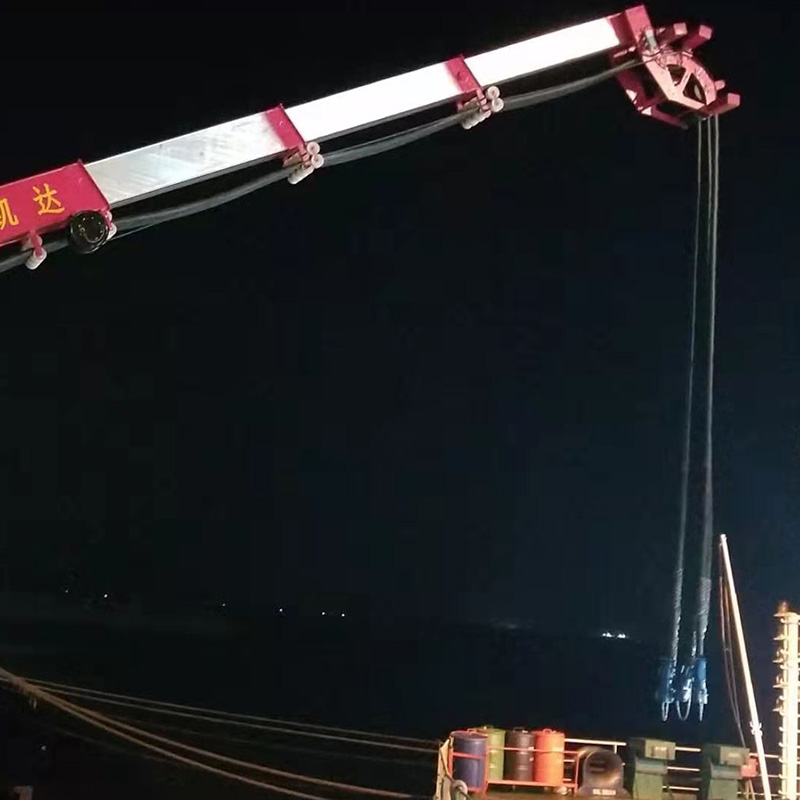 Self-Propelled Shore Power Cable Pulling WinchSelf-driving winch for pulling, laying and reclaiming shore power cables at ports, with clamping traction and controlled movement for precise positioning.View Product →
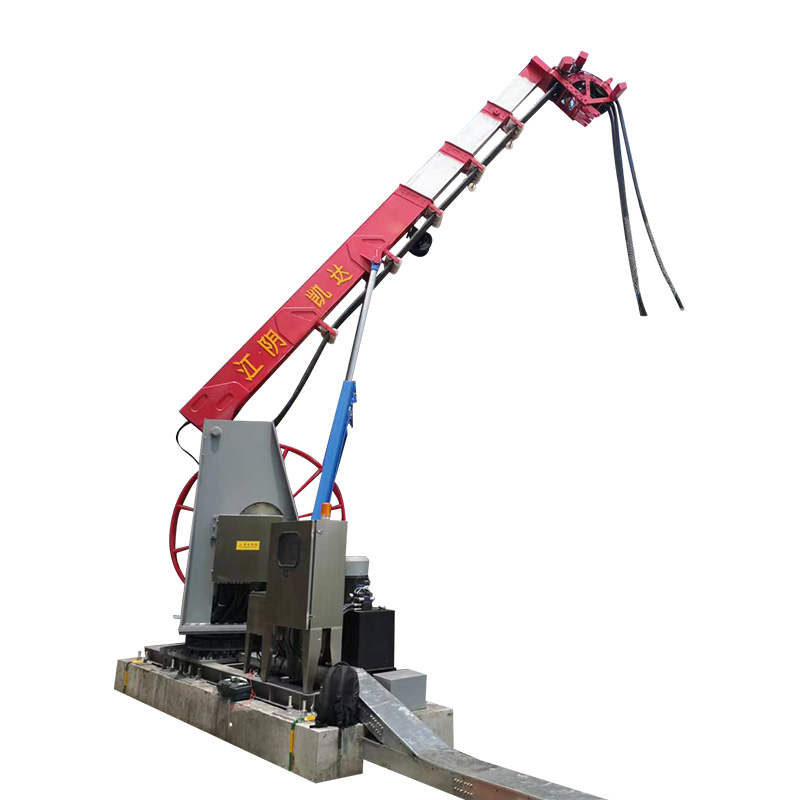
On board, space is tighter and the consequences of a jammed cable are more serious, which is why marine installations tend to favour compact winches with predictable tension control and clear inspection access.
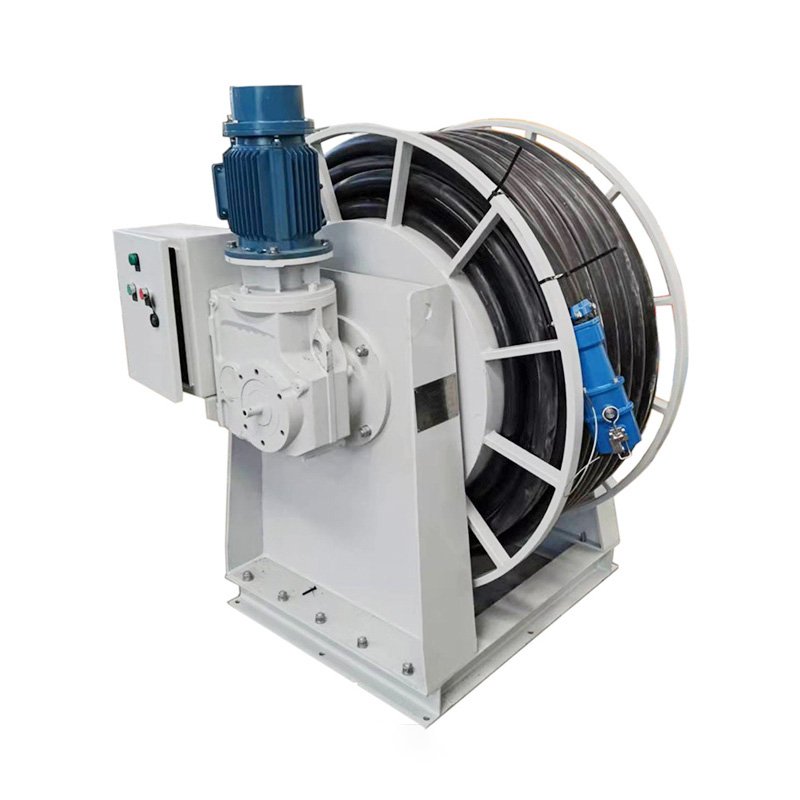 Marine Cable Pulling Winch for Shore PowerShipboard winch for storing, collecting and releasing cable, with plug and slip ring for shore power connection in harsh marine conditions.View Product →
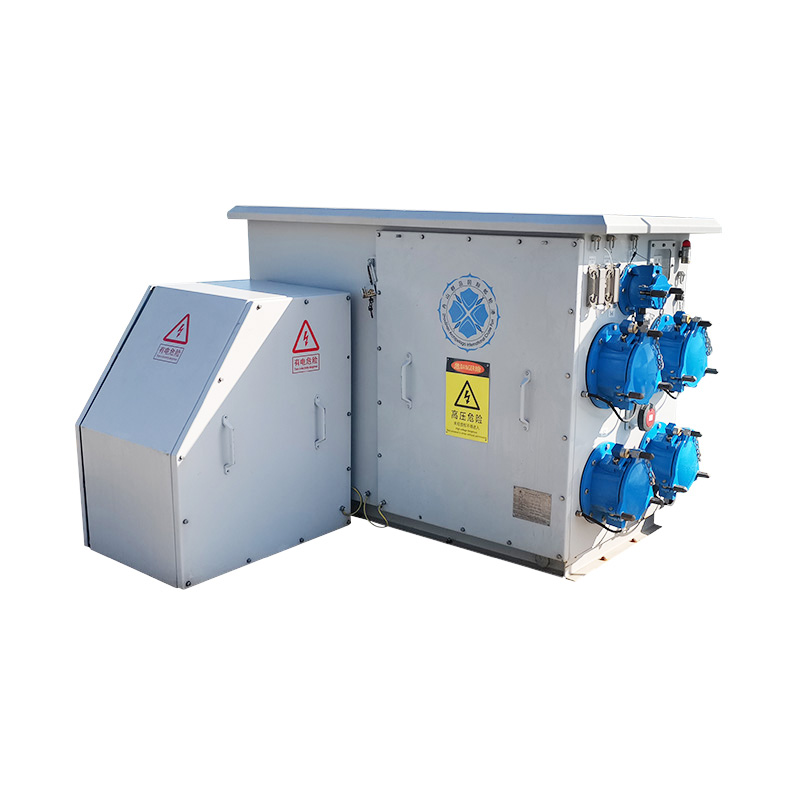
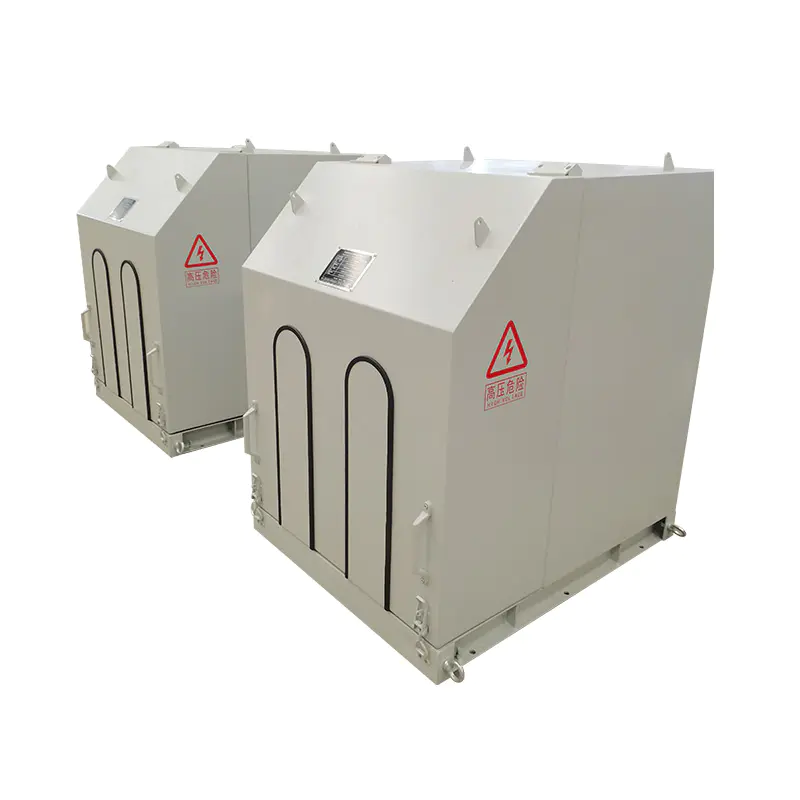
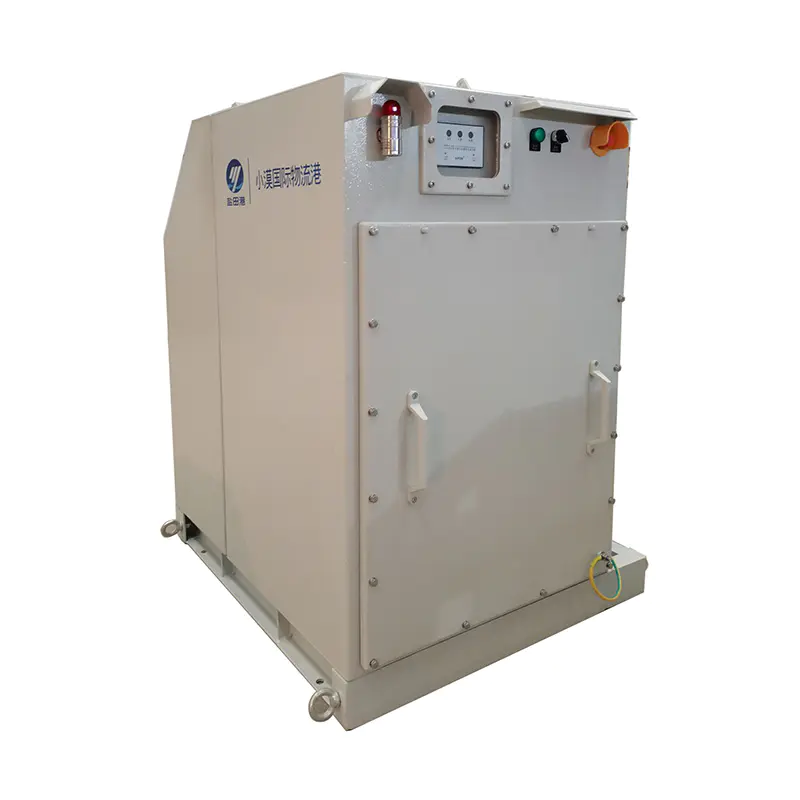
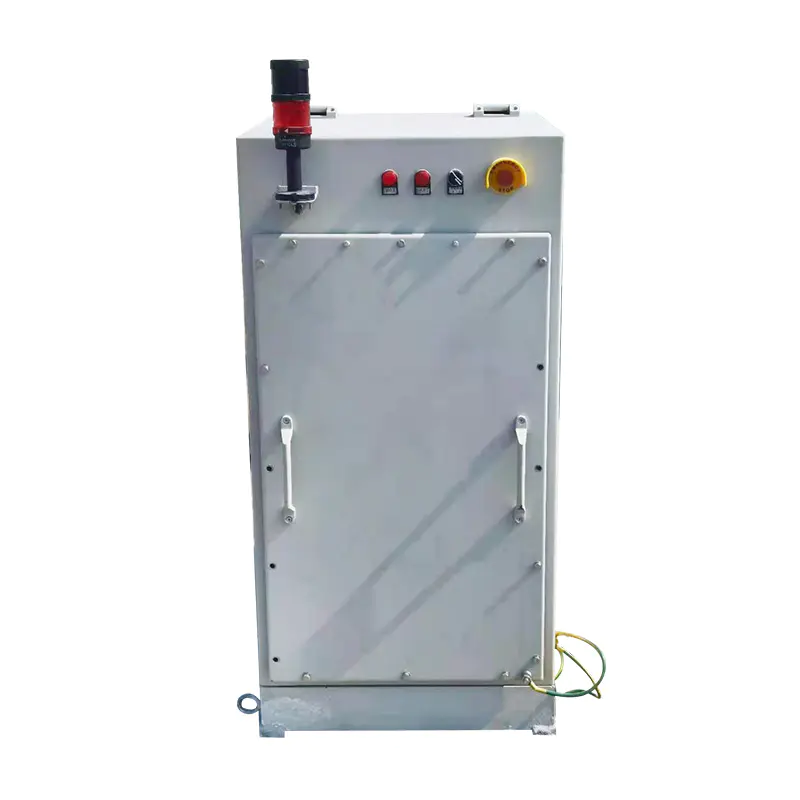
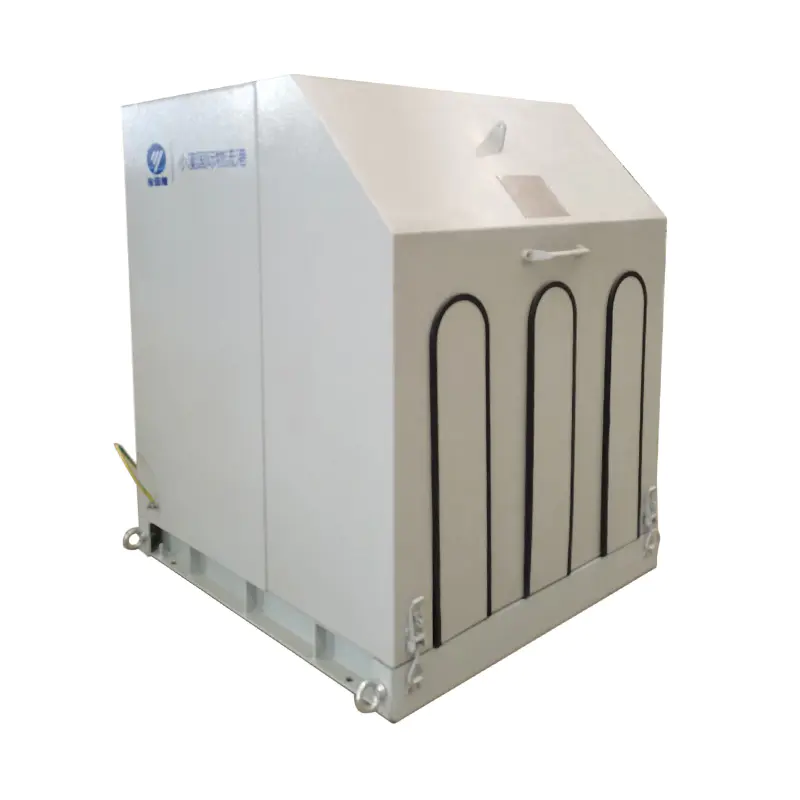
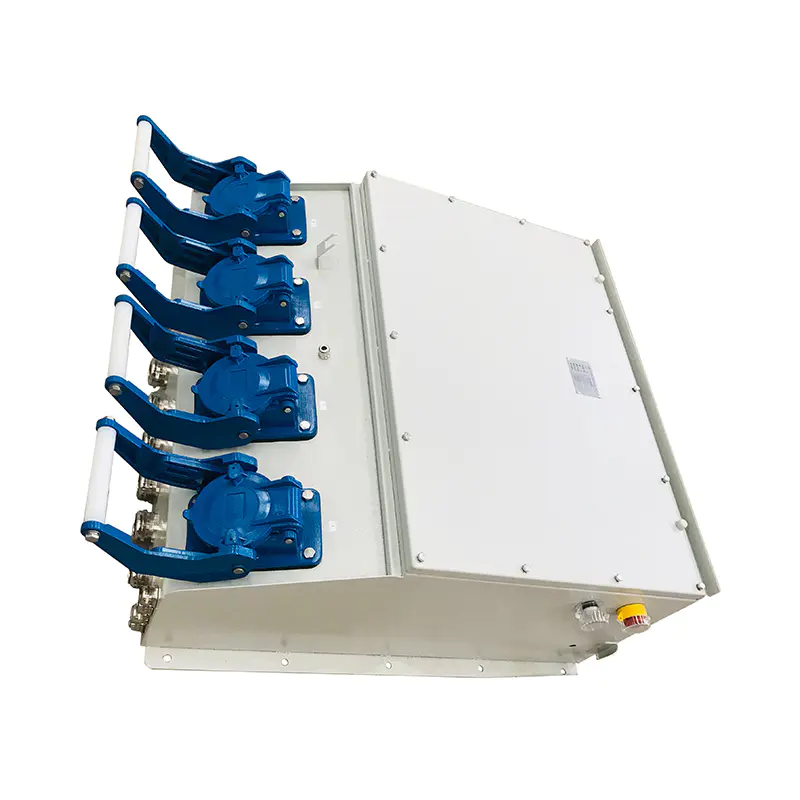
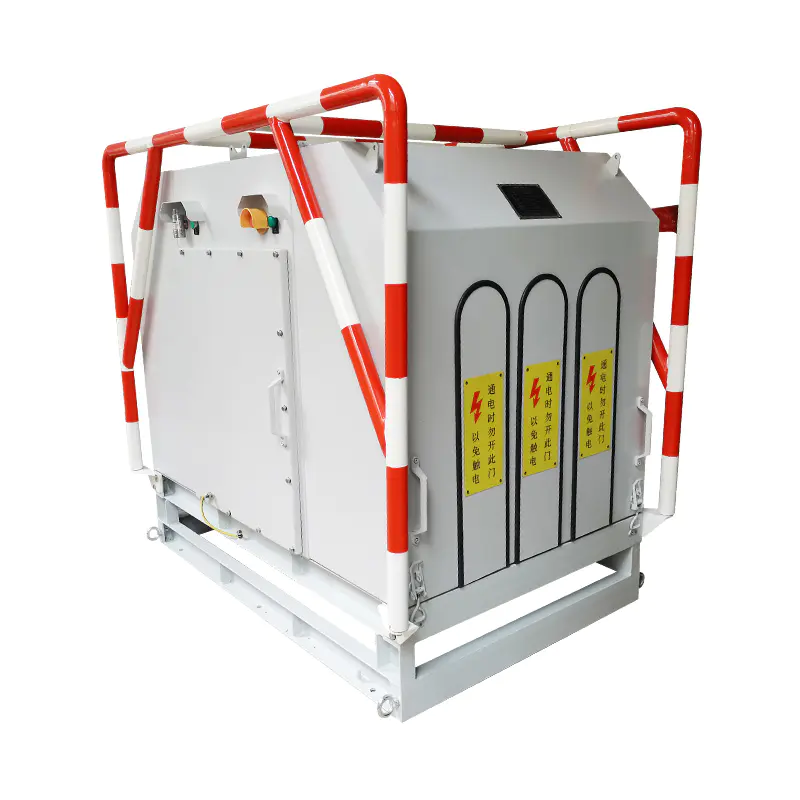
Whichever arrangement is used, the cable end still has to land in a socket box that matches the vessel's voltage and interface. That is a separate decision from the rolling itself, but the two are planned together in every project we take on.
Comparing the Main Rolling Methods
| Method | Typical use | Main benefit | What to watch |
|---|---|---|---|
| Hand coiling, over/under | Short leads, jumpers, temporary storage | Prevents twist in conductors and shielding | Slow and tiring on long, heavy cable |
| Cable rollers | Long pulls along quays, trenches and trays | Reduces abrasion and pulling force | Spacing, alignment and frame stability |
| Motor-driven reel or winch | Fixed equipment, cranes, shore power, mining | Controlled tension and repeatable spooling | Torque setting and slip ring condition |
Small Checks That Prevent Big Cable Damage
Whatever method you use, a handful of habits will catch most problems before they become expensive. These are the ones we suggest to operators during handover.
- Run a hand along the jacket after recovery and feel for flat spots, shiny patches or soft areas that suggest internal damage.
- Check that the cable sits inside the drum flanges rather than riding over them, which is a common cause of crushed turns.
- Confirm the slip ring and brushes are clean and dry before a shift, since intermittent contact often looks like a cable fault.
- Store coiled cable off the ground on a pallet or rack, covered enough to keep standing water out of the ends.
- Record which drum a cable came from, so a suspect length can be traced rather than guessed at.
If you want a deeper look at the winding side of this, our notes on preventing cable damage during wrapping on the drum go into layer-by-layer detail.
Cable rolling rarely gets the attention that motors, drives and connectors receive, yet it decides how long a cable survives and how quickly a berth can be turned around. If you are planning a shore power installation, a marine winch package or a reel for mobile equipment, tell us the duty cycle, the cable size and the environment, and we will help you work out which combination of reel, winch and rollers keeps the cable running straight for years rather than months.