

 русский
In the demanding worlds of maritime, construction, and industrial operations, the efficient and safe handling of heavy-duty cables is paramount. At the heart of this critical task lies the electrical cable winch, a specialized piece of equipment designed to store, deploy, and retrieve power cables with precision and reliability. This comprehensive guide delves deep into the functionality, types, selection criteria, and key applications of these indispensable tools, providing you with the expert knowledge needed to make an informed decision. As a leading Shore Power Supply Manufacturers and Electrical Cable Winches Factory, Jiangyin Kaida Mechanical and Electrical Manufacturing Co., Ltd. leverages its extensive experience and robust production capacity to engineer solutions that meet the highest standards of performance and durability.
Content
- 1 Understanding the Electrical Cable Winch: Core Functions and Design
- 2 Exploring the Diverse Types of Electrical Cable Winches
- 3 Critical Selection Criteria: How to Choose the Right Winch
- 4 Key Applications and Industry Solutions
- 5 Installation, Maintenance, and Safety Best Practices
- 6 Innovations and Future Trends in Cable Winch Technology
- 7 Why Choose a Specialist Manufacturer: The Kaida Advantage
- 8
- 9 Frequently Asked Questions (FAQs)
- 9.1 1. What is the main difference between a standard winch and an electrical cable winch?
- 9.2 2. How do I determine the correct capacity for my electric cable winch?
- 9.3 3. Can I use a regular electric winch for marine applications?
- 9.4 4. What are the benefits of an automatic constant-tension winch for shore power?
- 9.5 5. How often should I perform maintenance on an industrial cable winch?
- 10 References
Understanding the Electrical Cable Winch: Core Functions and Design
An electrical cable winch is far more than a simple spool. It is an integrated mechanical system engineered to manage the lifecycle of heavy electrical cables, preventing damage, ensuring safety, and streamlining operations.
Primary Functions and Operational Benefits
Core Purpose
- Cable Protection: Prevents abrasion, kinking, and crushing that can compromise insulation and conductive integrity.
- Operational Efficiency: Enables rapid, controlled deployment and retrieval, minimizing downtime and labor.
- Safety Enhancement: Reduces manual handling risks, such as musculoskeletal injuries, and manages cable tension to avoid snap-back hazards.
- Space Optimization: Provides neat, organized cable storage, reducing tripping hazards and worksite clutter.
Key Design Components
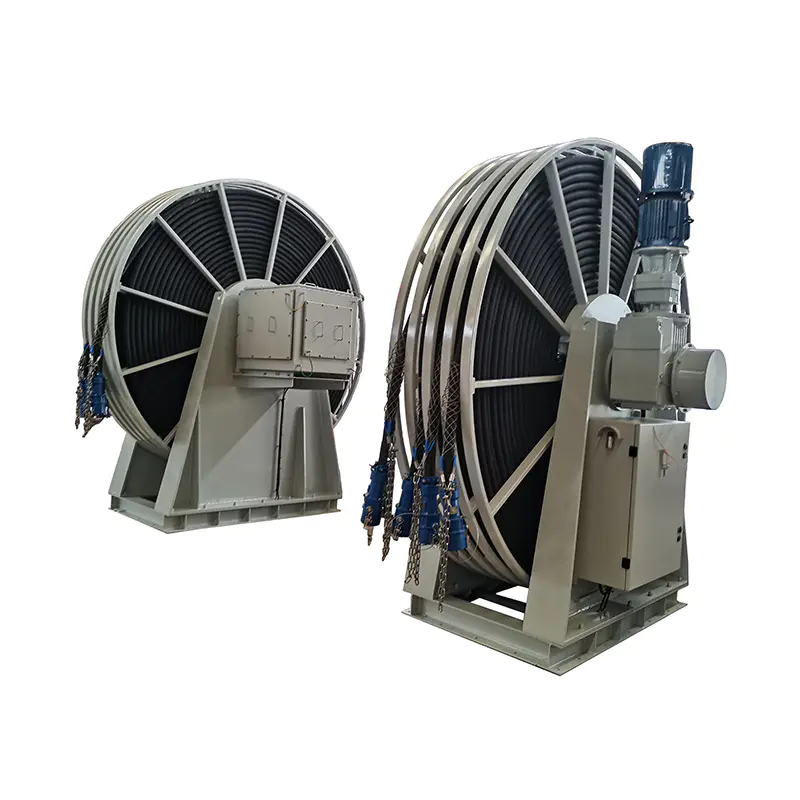
- Drum or Reel: The core cylinder around which the cable is wound, designed for specific cable lengths and diameters.
- Drive System: Can be electric, hydraulic, pneumatic, or manual, dictating the power and control level.
- Control Mechanism: Includes pendant stations, remote controls, or integrated panels for precise operation.
- Level-Wind System (Optional): Ensures even cable spooling across the drum for optimal performance and longevity.
- Braking System: Essential for holding loads and controlling descent, often featuring fail-safe mechanisms.
Exploring the Diverse Types of Electrical Cable Winches
Selecting the right winch depends entirely on the application's specific demands, including power availability, required capacity, and operational environment.
Comparative Analysis of Winch Drive Types
The choice of power source is a fundamental differentiator among cable winches, each with distinct advantages. For instance, electric winches offer precise control and are ideal for indoor use, whereas hydraulic winches provide immense power in environments where electricity is a concern.
| Drive Type | Best For | Key Advantages | Considerations |
|---|---|---|---|
| Electric Winch | Shore power stations, workshops, fixed installations with reliable AC/DC power. | Precise speed control, clean operation, lower maintenance, easy integration with control systems. | Requires a consistent power source; capacity may be limited by motor size. |
| Hydraulic Winch | Heavy-duty marine, mining, and mobile equipment applications. | Extremely high power-to-weight ratio, can operate in wet/hazardous environments, provides smooth operation under heavy loads. | Requires a hydraulic power unit; potential for fluid leaks; more complex installation. |
| Pneumatic Winch | Explosive or flammable atmospheres (e.g., chemical plants, oil & gas). | Intrinsically safe, no risk of sparks, durable in harsh conditions. | Requires compressed air supply; can be noisy; less precise control than electric. |
| Manual Winch | Low-frequency use, emergency backups, or situations with no available power. | Portable, low cost, completely independent of external power. | Labor-intensive; limited to lower capacities and slower operation. |
Specialized Winch Designs for Targeted Applications
Beyond the drive system, winches are engineered for particular use cases. Understanding these specializations is crucial, such as knowing the best electric cable winch for construction sites versus one designed for marine durability.
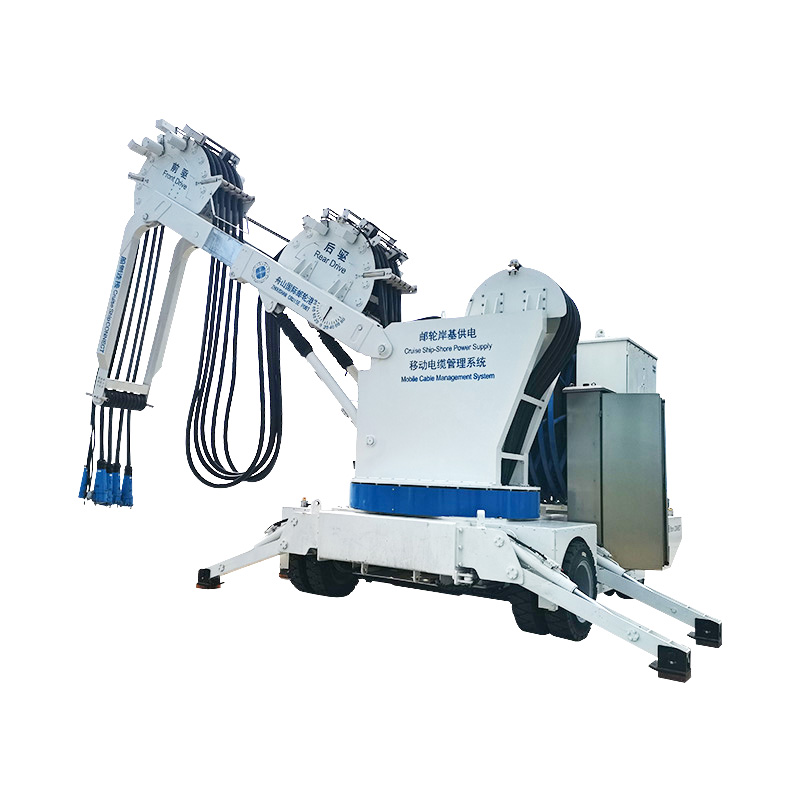
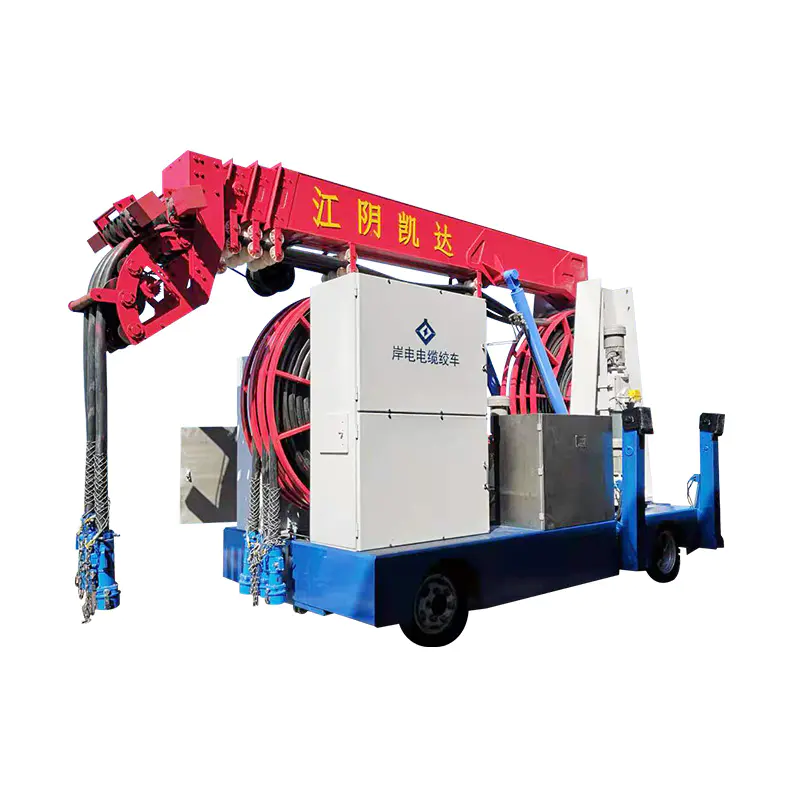
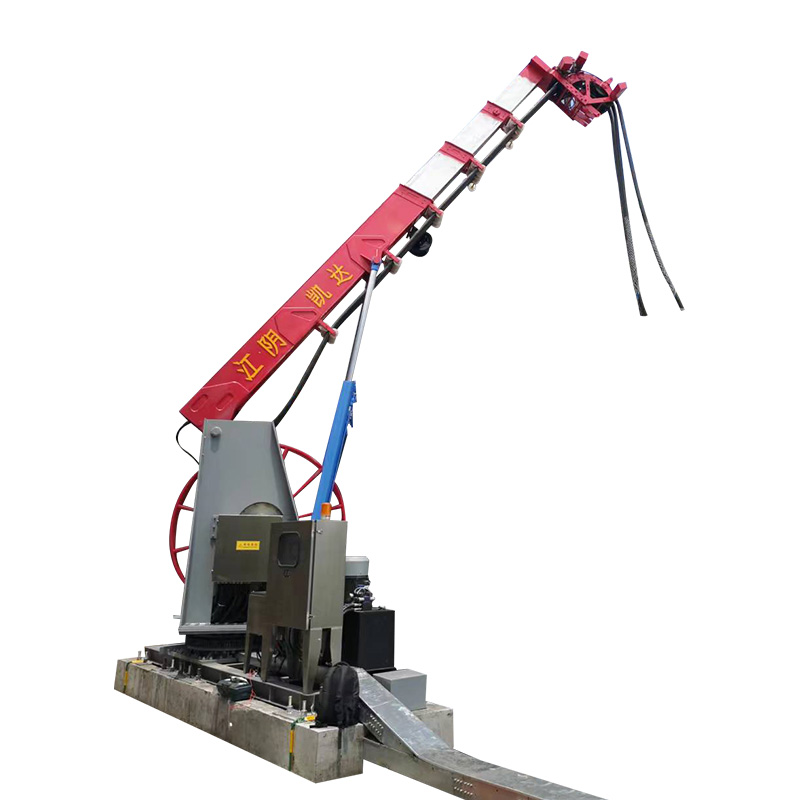
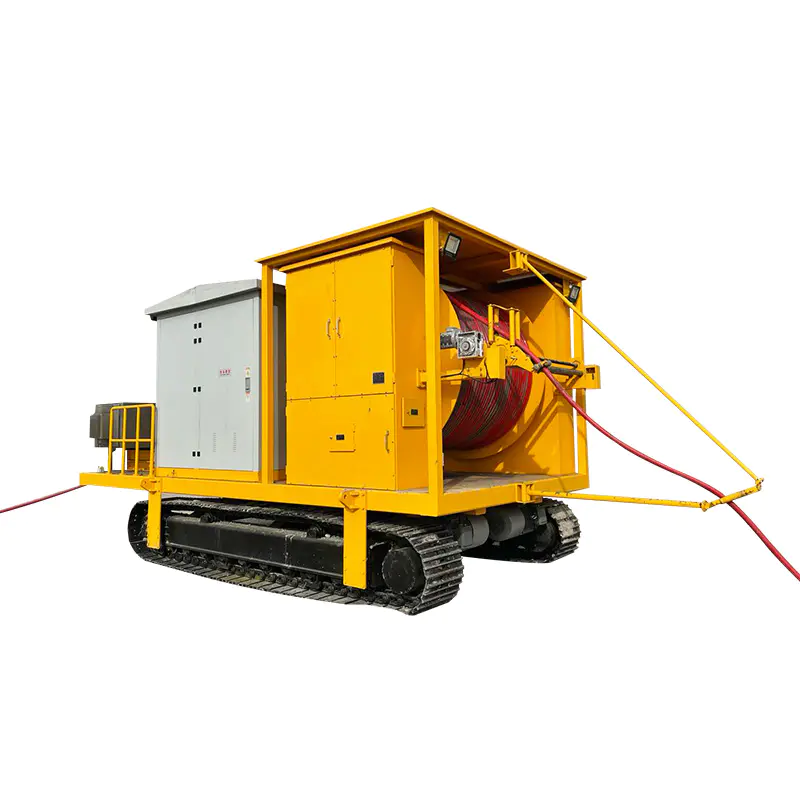
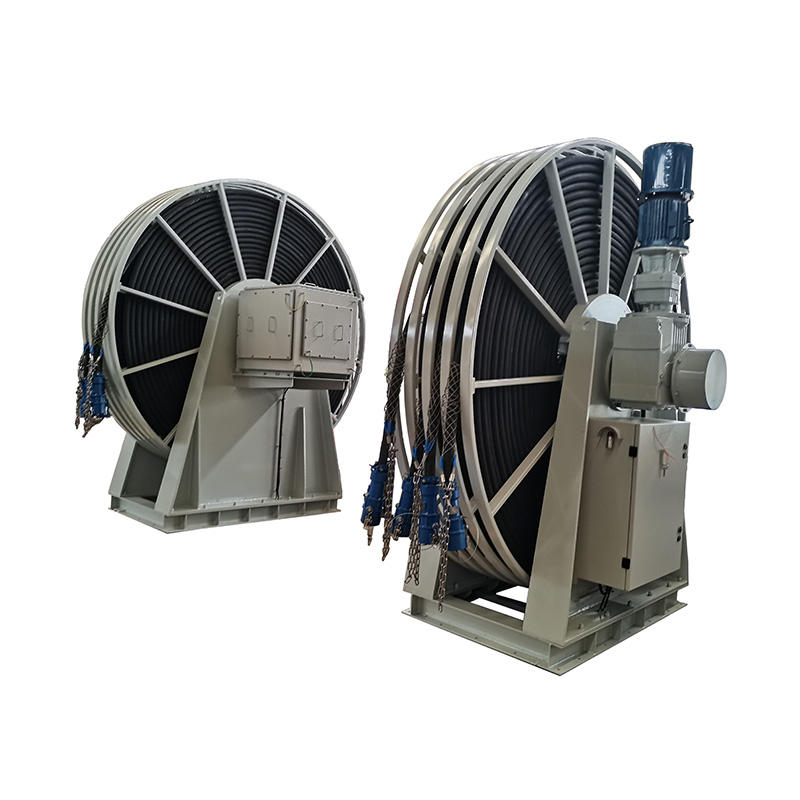
- Shore Power Cable Winches: Designed specifically for supplying power from shore to ships. They feature corrosion-resistant materials, constant tension systems, and often high-capacity reels to handle long, high-voltage cables.
- Portable/Towable Winches: Mounted on trailers or skids for mobility between job sites. Ideal for temporary power setups in film production, event staging, or disaster relief.
- Spring-Return Winches: Utilize a clock spring mechanism to automatically rewind the cable. Perfect for applications like retractable cable reel winch for garage workshops or equipment where quick, effortless storage is needed.
Critical Selection Criteria: How to Choose the Right Winch
Making the correct choice involves a detailed assessment of your technical requirements and operational conditions.
Technical Specifications to Evaluate
- Cable Capacity: The winch must accommodate the total length and diameter (and thus weight) of your cable. Always include a safety margin.
- Line Pull/Rated Capacity: The maximum force the winch can exert to pull the cable. It must exceed the calculated cable pull tension.
- Line Speed: The speed at which the cable is wound onto the drum, affecting operational cycle times.
- Power Requirements: Voltage (e.g., 110V, 220V, 480V), phase, and current draw for electric models; pressure and flow rate for hydraulic units.
Operational and Environmental Factors
- Duty Cycle: Will the winch run continuously or intermittently? Industrial applications require winches with high duty cycle ratings.
- Environmental Protection: Ingress Protection (IP) ratings for dust and water resistance are vital. For marine use, look for winches with high IP ratings (e.g., IP56) and corrosion-resistant coatings. This is a key consideration for any marine grade electrical cable winch installation.
- Control and Safety Features: Look for overload protection, emergency stop functions, limit switches, and user-friendly control interfaces.
Key Applications and Industry Solutions
Electrical cable winches are versatile tools found across numerous sectors, solving unique challenges in each.
Maritime and Shore Power
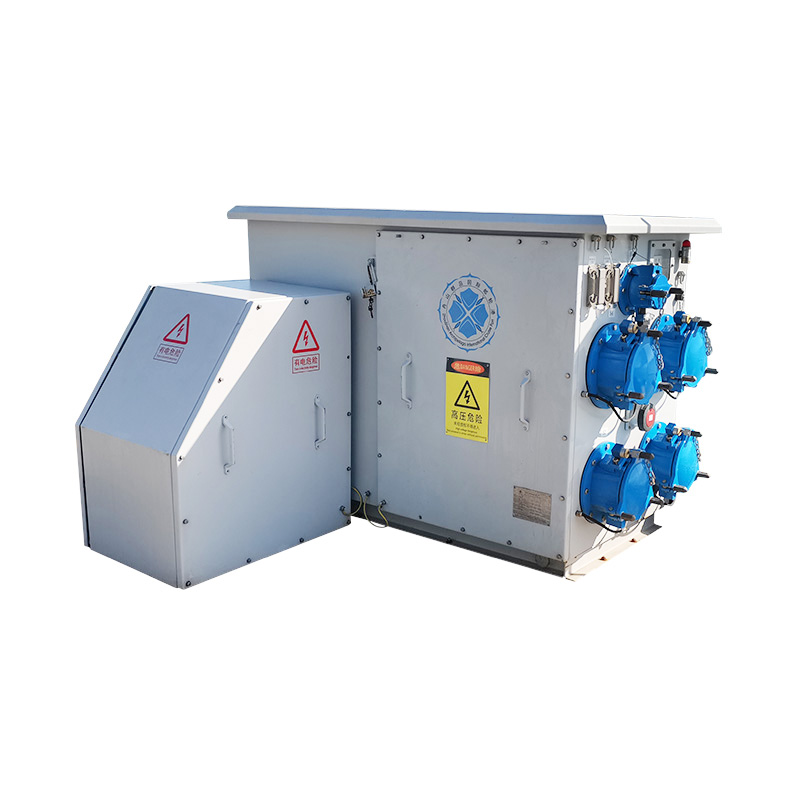
This is a primary application. Shore power winches, also known as cable reeling systems for cold ironing, allow vessels at port to shut down their auxiliary engines and connect to the local electrical grid, drastically reducing emissions and noise. A robust shore power cable management system is incomplete without a reliable, automatic-tensioning winch to handle the high-voltage cables safely.
Construction and Utilities
On construction sites, winches are used to deploy temporary power cables to tools, lighting towers, and site offices. For utility companies, they manage cables for repairs, trenching, and laying temporary lines. Finding the best electric cable winch for construction sites means prioritizing durability, portability, and capacity.
Event Production and Film Industry
These industries rely on portable winches to manage vast amounts of heavy-duty power and data cables for stages, lighting rigs, and sound systems, enabling quick setup and teardown.
Industrial Manufacturing and Warehousing
Within factories, winches supply power to moving machinery on overhead cranes or assembly lines. They are also integral to how to maintain industrial cable reel winches that see constant use, ensuring minimal downtime through preventative care.
Installation, Maintenance, and Safety Best Practices
Proper setup and upkeep are non-negotiable for performance, longevity, and operator safety.
Installation Guidelines
- Ensure the mounting surface (floor, wall, deck) has the structural integrity to handle the winch's weight and dynamic pull forces.
- Follow all electrical or hydraulic connection diagrams precisely. For electric winches, ensure proper grounding.
- Conduct a load test with a weight slightly below the rated capacity before putting the winch into full service.
Essential Maintenance Procedures
Regular maintenance prevents costly failures. The approach differs significantly between a simple manual unit and a complex constant-tension winch. For example, how to maintain industrial cable reel winches involves a strict schedule, whereas a retractable cable reel winch for garage may only need annual inspection.
| Maintenance Task | Frequency | Purpose |
|---|---|---|
| Visual Inspection | Daily/Before Use | Check for loose bolts, damaged cables, fluid leaks, or wear on components. |
| Lubrication | As per manual (e.g., every 500 hrs) | Lubricate gears, bearings, and sliding surfaces to reduce friction and wear. |
| Brake Adjustment/Check | Monthly/Quarterly | Verify braking system holds the rated load securely and releases fully. |
| Electrical Connection Check | Semi-Annually | Tighten terminals, inspect contactors for arcing, and test safety circuits. |
| Full System Overhaul | Annually or per operating hours | Deep cleaning, bearing replacement, gear inspection, and system performance verification. |
Fundamental Safety Protocols
- Never exceed the winch's rated line pull or cable capacity.
- Always wear appropriate Personal Protective Equipment (PPE), including gloves and safety glasses.
- Keep personnel clear of the cable path and drum during operation.
- Ensure all safety guards and devices are in place and functional.
Innovations and Future Trends in Cable Winch Technology
The industry is evolving towards smarter, more efficient, and more integrated systems.
- IoT Integration: Sensors monitoring load, temperature, and cable integrity, sending data to centralized platforms for predictive maintenance.
- Advanced Materials: Use of composites and advanced coatings to reduce weight while increasing strength and corrosion resistance, a trend particularly relevant for marine grade electrical cable winch installation.
- Energy Recovery Systems: Winches that can capture and reuse energy generated during lowering operations, improving overall energy efficiency.
- Automation and Remote Operation: Fully automated sequencing for complex cable handling tasks, operable from control rooms or via wireless remotes.
Why Choose a Specialist Manufacturer: The Kaida Advantage
Located strategically in the Yunting Industrial Zone of Jiangyin City—a hub with unparalleled transportation links via river, road, and rail—Jiangyin Kaida Mechanical and Electrical Manufacturing Co., Ltd. is positioned to serve global markets efficiently. With a sprawling 25,000 square meter facility and a dedicated 12,500 square meter manufacturing area, Kaida combines scale with expertise. Our specialization as Shore Power Supply Manufacturers and Electrical Cable Winches Factory is backed by years of production practice, resulting in a robust annual capacity of 1,000 shore power cable winch units. We understand that a reliable shore power cable management system is critical for port operations [1], and our products are engineered to deliver that reliability, covering all parts of the country and beyond. We focus on providing tailored, high-quality solutions rather than generic products, ensuring each winch is built for its specific mission.
Frequently Asked Questions (FAQs)
1. What is the main difference between a standard winch and an electrical cable winch?
While both may share mechanical principles, an electrical cable winch is specifically designed to handle flexible electrical cables. It features components like non-marring drum flanges, smooth surfaces, and often level-wind systems to prevent cable damage (abrasion, crushing, kinking) that could compromise electrical insulation and safety, which is not a primary concern for wire rope or chain winches.
2. How do I determine the correct capacity for my electric cable winch?
You must calculate two key values: Cable Capacity (the total length and diameter/weight of the cable) and Line Pull (the force needed to pull the cable, factoring in weight, friction, and desired acceleration). Always choose a winch whose rated cable capacity and maximum line pull exceed your calculated values by a safety margin (typically 15-25%). Consulting with a specialist manufacturer is highly recommended.
3. Can I use a regular electric winch for marine applications?
It is strongly discouraged. A dedicated marine grade electrical cable winch installation requires components with high corrosion resistance (e.g., stainless steel, marine-grade aluminum, specialized coatings), higher IP ratings for water and salt spray protection (e.g., IP66 or IP67), and often specific safety certifications. Standard winches will degrade rapidly and fail in harsh marine environments.
4. What are the benefits of an automatic constant-tension winch for shore power?
An automatic constant-tension winch within a shore power cable management system maintains optimal cable tension despite tidal changes or vessel movement. This prevents cable over-tensioning (which can cause damage) and under-tensioning (which can lead to slack cable hazards in the water), ensuring a safe, uninterrupted power connection and significantly reducing cable wear [2].
5. How often should I perform maintenance on an industrial cable winch?
Frequency depends on usage intensity (duty cycle). For heavy daily use, how to maintain industrial cable reel winches involves daily visual checks, weekly lubrication of exposed points, and a comprehensive inspection every 3-6 months. Always adhere to the manufacturer's maintenance schedule outlined in the manual. For light-use applications like a retractable cable reel winch for garage, a semi-annual inspection may suffice.
References
[1] Winkel, R., et al. (2016). "The role of shore power in reducing port-related emissions: A review of technical and environmental aspects." *Transportation Research Part D: Transport and Environment*.
[2] Sciberras, E. A., & Zahawi, B. (2017). "Electrical characteristics of cold ironing energy supply for ships." *IEEE Transactions on Industry Applications*.